


For decades, Nigeria’s fuel crisis stood as a painful symbol of its oil paradox.
Despite being Africa’s largest crude producer, citizens routinely queued for hours at filling stations, a direct result of weak domestic refining capacity.
In the years leading up to 2024, it was rare to experience a Christmas without long fuel lines or sharply rising pump prices.
The strain was constant. Every movement in the global oil market, every spike in crude prices, quickly translated into higher costs and widespread scarcity at home.
But as a major geopolitical crisis in the Middle East sends oil prices soaring above $100 a barrel, Nigeria is facing its first major test of a new strategy.
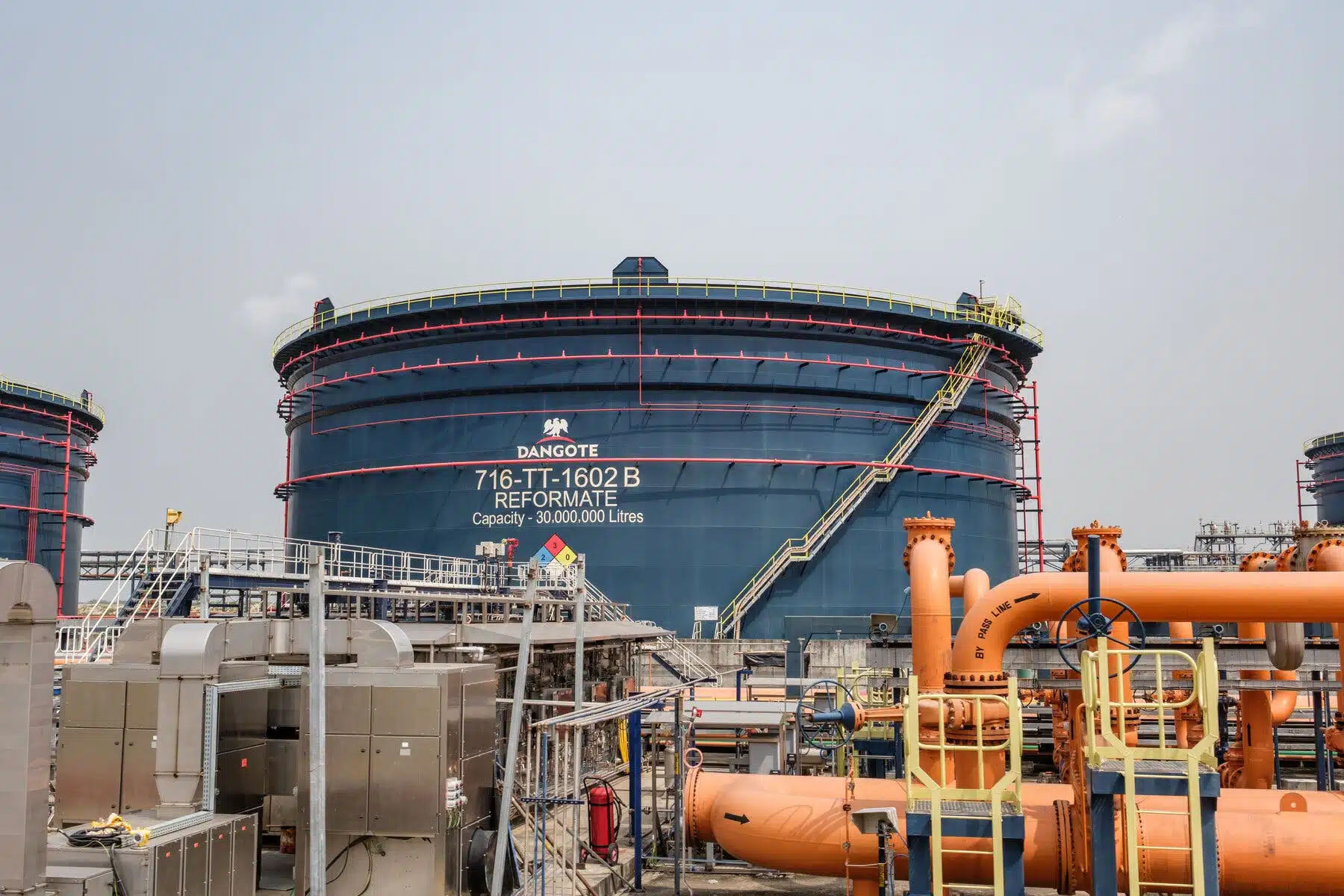
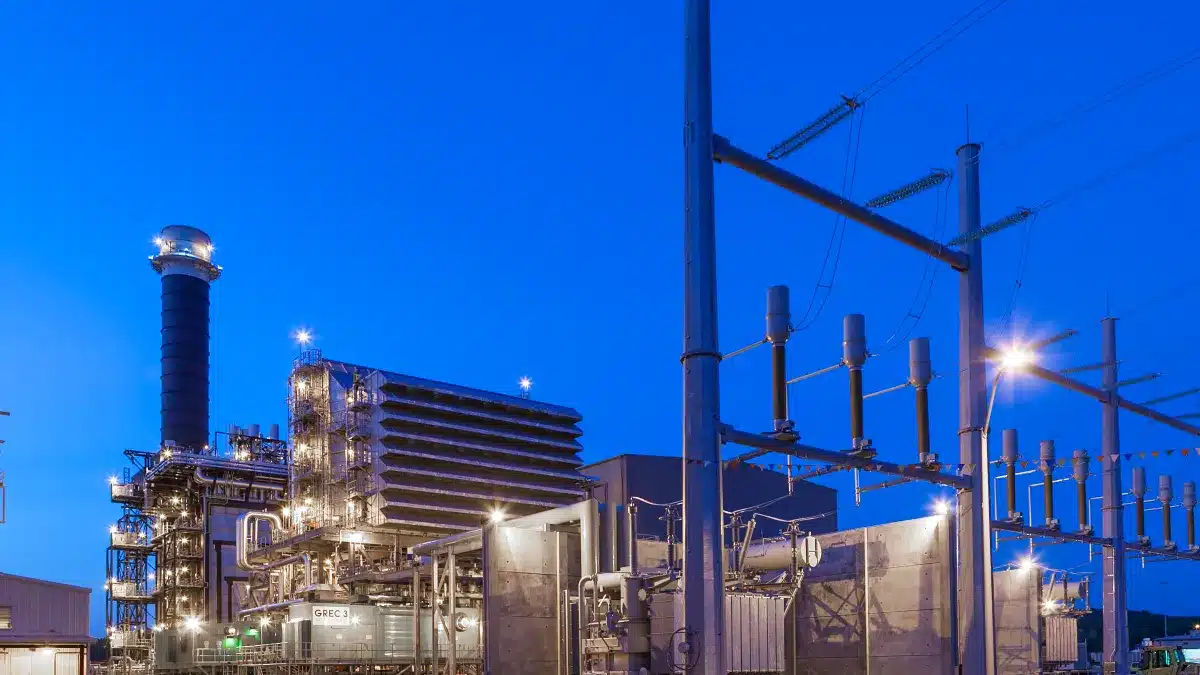
The country is leaning on the massive, 650,000-barrel-per-day Dangote Refinery to break the cycle of vulnerability.
The early results suggest the strategy has averted a supply catastrophe, but it has not made Nigeria immune to the global economic shock.
Instead, it has revealed a new reality.
While domestic refining guarantees fuel in the tanks, it does not guarantee low prices at the pump.
The “Hormuz tax” and the price spike
The crisis was triggered by escalating US-Israel strikes on Iran and subsequent disruptions near the Strait of Hormuz, a chokepoint for 20% of the world’s seaborne crude.
Within days, the global benchmark Brent crude surged from the mid-$60s to nearly $120 per barrel.
This represents the highest such increase in four years, with the International Energy Agency (IEA) describing the war as “creating the largest supply disruption in the history of the global oil market.”
The impact on Nigeria was immediate.
Because the Dangote Refinery, despite being located in Nigeria, purchases its crude at international market rates, the rising costs had to be passed on.
In early March, the refinery adjusted its gantry price multiple times, moving from a low of ₦774 per litre to ₦1,175 per litre. Diesel prices followed suit, climbing toward N1,680 per litre at some outlets.
“We are not immune from the shocks that are being endured worldwide,” admitted David Bird, Managing Director of the Dangote Refinery, during a press briefing in Lagos.
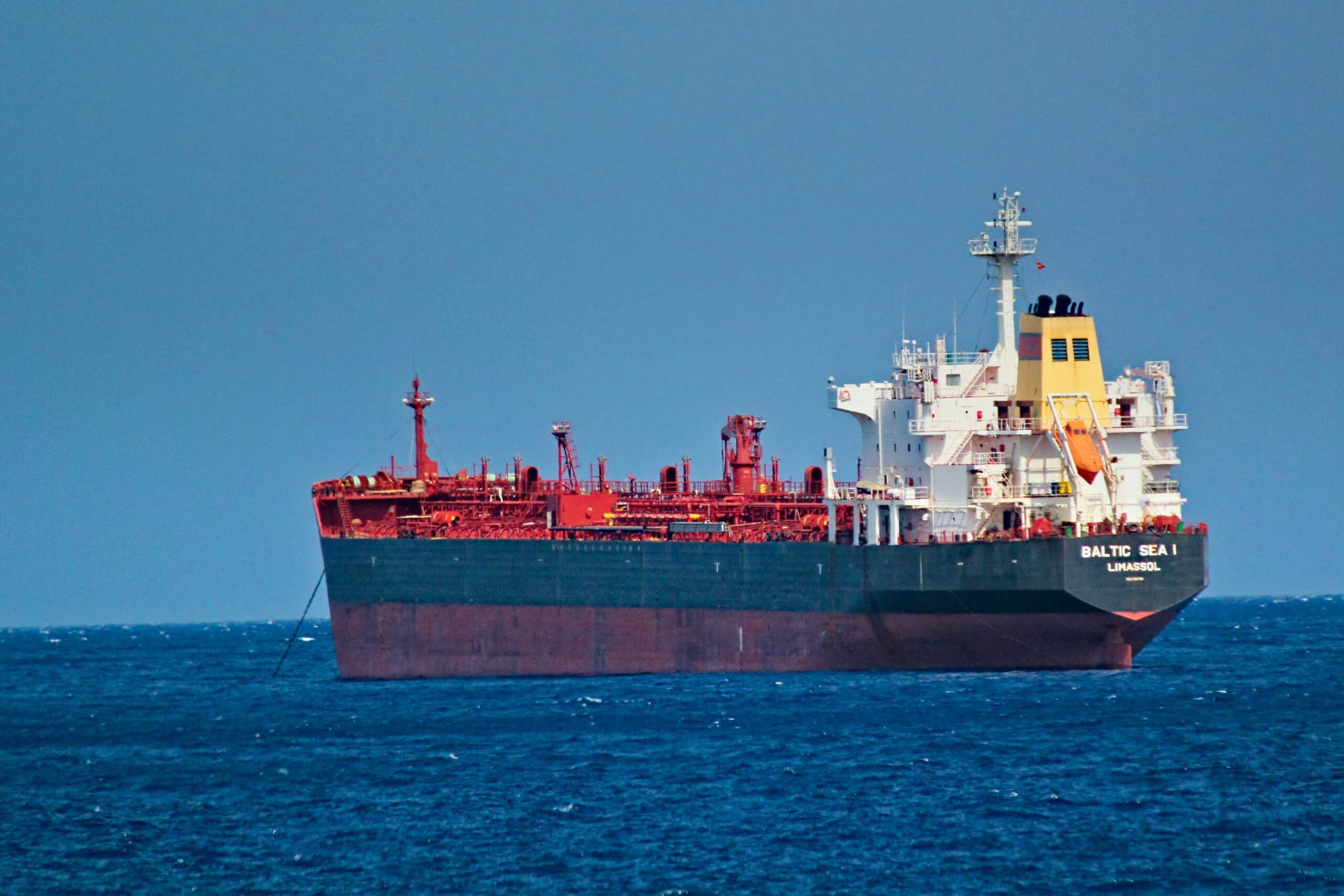
He noted that freight costs had also skyrocketed, with the cost of shipping crude from a Nigerian terminal to the refinery jumping from $800,000 to $3.5 million per tanker.
The buffer: Why there are no queues
Despite the price pain, there is a distinct lack of panic at filling stations—a marked difference from import-dependent nations like the UK or Australia, where reports of rationing have emerged.
This, experts say, is the refinery’s primary victory: supply security.
Bird emphasised this point, stating, “What is worse than $120 oil is no oil”.
Currently operating at its near-full nameplate capacity of 650,000 barrels per day, the refinery produces between 50 million and 55 million litres of petrol daily, well above Nigeria’s estimated consumption of 35 million litres.
In February 2025, data from the Nigerian Downstream Midstream Petroleum Regulatory Authority (NMDPRA) revealed the mega refiner accounted for about 65% of the total volume of refined petroleum products consumed in Nigeria.
That’s a significant improvement from just 41% in March 2025.
In other words, Dangote alone supplied about 92% of the petrol consumed locally in February, ensuring that even as global markets convulse, the product remains available.
“The Dangote Refinery will ensure that Nigeria is insulated from these supply shocks by prioritising supply to the domestic market,” the company stated recently. “This is one of the many benefits of domestic refining”.
Cracks in the armour: The crude supply challenge
However, the refinery’s ability to maintain this output is facing stress.
To run at full tilt, the facility needs roughly 13 cargoes of crude monthly.
But that’s more than double the five cargoes it currently receives from NNPC under the “crude-for-naira” arrangement.
To bridge the gap, the refinery is forced to source the remaining volume—up to 60% of its intake—from international markets, especially the US, paying in dollars and incurring additional premiums and shipping costs.
The refinery said last year that it doesn’t buy anything less than 100 million barrels of crude from the US on average every year.
This exposes the operation to the very global volatility it seeks to cushion Nigeria from.
“The refinery imports most of its crude, hence it is exposed to the effects of the ongoing crisis in the Middle East,” explained Theodore Opara, Chairman of the Nigeria Auto Journalists Association (Naja), which recently urged the government to prioritise direct crude supply to local refineries.
Harold Abili, founder at Afrilocal, a platform that promotes African businesses, told Energy in Africa the refinery has made “progress but not yet complete”.
“The government needs to allocate enough crude so that Dangote can supply all of Nigeria’s domestic fuel needs. But sufficient allocation isn’t yet possible since the government needs to sell crude to earn USD to pay off its debt.”
The situation is further complicated by pricing.
Even Nigerian crude sold locally is benchmarked to international Brent prices, often at a premium of $3 to $6 per barrel.
As Muda Yusuf, CEO of the Centre for the Promotion of Private Enterprise (CPPE), noted, “This means that domestic refining operations remain substantially exposed to global crude oil price movements with no price advantage in crude procurement”.
A tightrope for the government
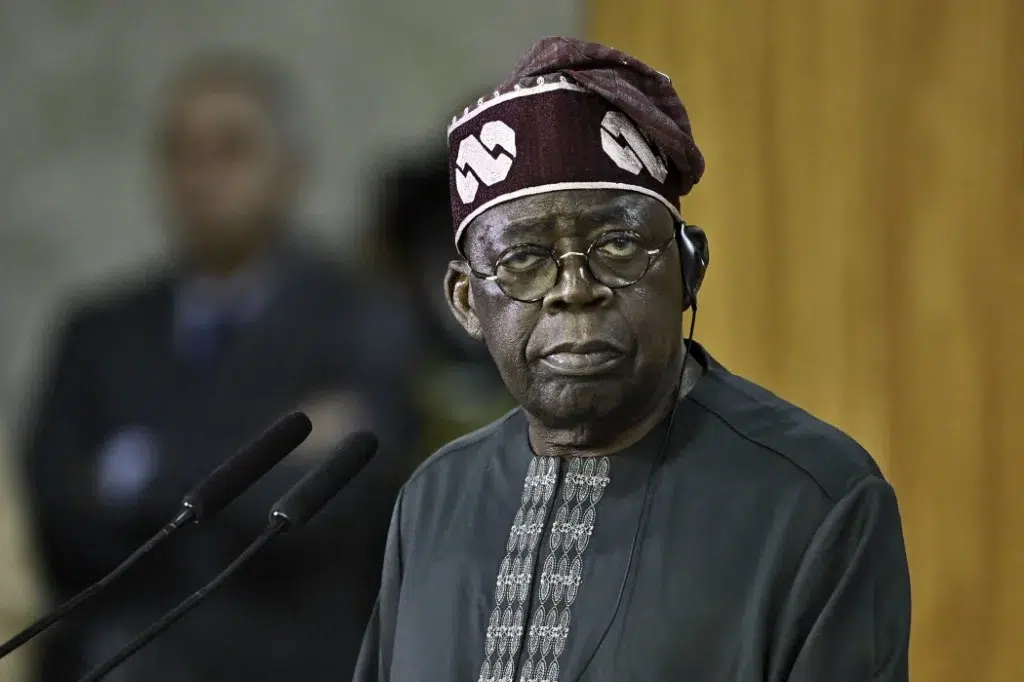
The Bola Tinubu administration now faces a complex political economy challenge.
The 2026 budget was benchmarked on an oil price of $64.85 per barrel. With crude trading around $100, the government is enjoying a significant windfall.
Yet, citizens are feeling the pinch of fuel prices that have risen roughly 47% in six weeks, pushing up transport and food costs.
This socio-economic situation has subjected his petrol subsidy removal policy to the test, sparking debate among analysts.
Some, like Mide Alabi of TheCable, argue the government should use the windfall to fund a “precise, conditional, time-limited” intervention for commercial transport, distinguishing it from the opaque subsidy regime of the past.
Instead, the government, so far, has been cautious.
Finance Minister Wale Edun has stated that officials are “watching the situation,” but detailed mitigation measures have yet to be outlined.
Meanwhile, the Petroleum Products Retail Outlets Owners Association of Nigeria (Petroan) has warned that if the conflict persists, pump prices could theoretically hit N2,000 per litre.
Currently, prices for petrol range from N1,250 to N1,350 nationwide depending on your location.
A shield, but not a cure
The Dangote Refinery has undoubtedly transformed Nigeria’s energy landscape. It has broken the monopoly on imports, conserved foreign exchange, and guaranteed physical supply during one of the most volatile geopolitical periods in recent memory.
Yet, the current crisis exposes the limits of this transformation. In a fully deregulated market—where crude itself is priced globally—the refinery acts as a shock absorber for volume, but not for price.
For the mega refiner, it is not yet Uhuru, as imports of fuel products continue.
A recent report from The Punch revealed that several vessels carrying a total of 129,000 metric tonnes of petrol and diesel docked at Lagos Ports between 14 and 17 March 2026.
This comes despite a statement from the NMDPRA that it had suspended the issuance of new import permits because of sufficient local supply.
Last year, the regulator also postponed a 15% tariff on fuel imports, a measure intended to boost domestic refining.
Ebipere Clark, Director at Africa Strategy, a business consultancy, told Energy in Africa that the continued imports “prove the level of nonsense we tolerate in Nigeria.” He argued that it should not take a global conflict for the government to recognise the value of energy security. “We have the production, we have the processing, so why do we need to allow competition?”
Onochie Anyaoku, a former President of the Nigerian Society of Chemical Engineers, offered a similar perspective. He warned that “when primary production drivers are priced prohibitively, job losses occur.”
Instead, he argued, “the government should prioritise fostering a competitive production-based economy to generate more taxes, rather than engaging in rent-seeking activities.”
John Lufuluabo, a Regional Managing Director at Busara Advisors, an Africa-focused strategic advisory and commercial diplomacy firm, described the 15 per cent tariff as “a short-term pinch for potential long-term gain.” He added, however, that this gain is conditional on the refineries actually delivering. “Any policy flip-flops could easily throw the market off balance.”
If anything, the Dangote Refinery has proven to be a powerful shield against scarcity—even if it cannot sever the link between the price at the pump and shocks in the global oil market.
The challenge for Nigerians, then, remains how to keep adjusting every time the mould changes.