


Africa holds over 500 trillion cubic feet of proven natural gas reserves, concentrated in countries like Nigeria, Mozambique, Algeria, Egypt, and Tanzania.
These reserves position the continent as a major player in the global energy market, especially as Europe and Asia seek alternatives to coal and oil.
The Gas for Africa Report 2025 emphasises that scaling up natural gas is critical to powering Africa’s next stage of industrial development.
Gas is not only a fuel for electricity generation but also a feedstock for fertilisers, petrochemicals, and other industries that can boost local economies.
By monetising domestic gas, African nations can reduce reliance on imports and create jobs across the energy value chain.
Africa faces a massive energy deficit, with millions lacking access to electricity and clean cooking fuels.
Natural gas offers a pragmatic solution: it is cleaner than coal and oil, abundant locally, and adaptable for both large-scale power plants and decentralised energy systems.
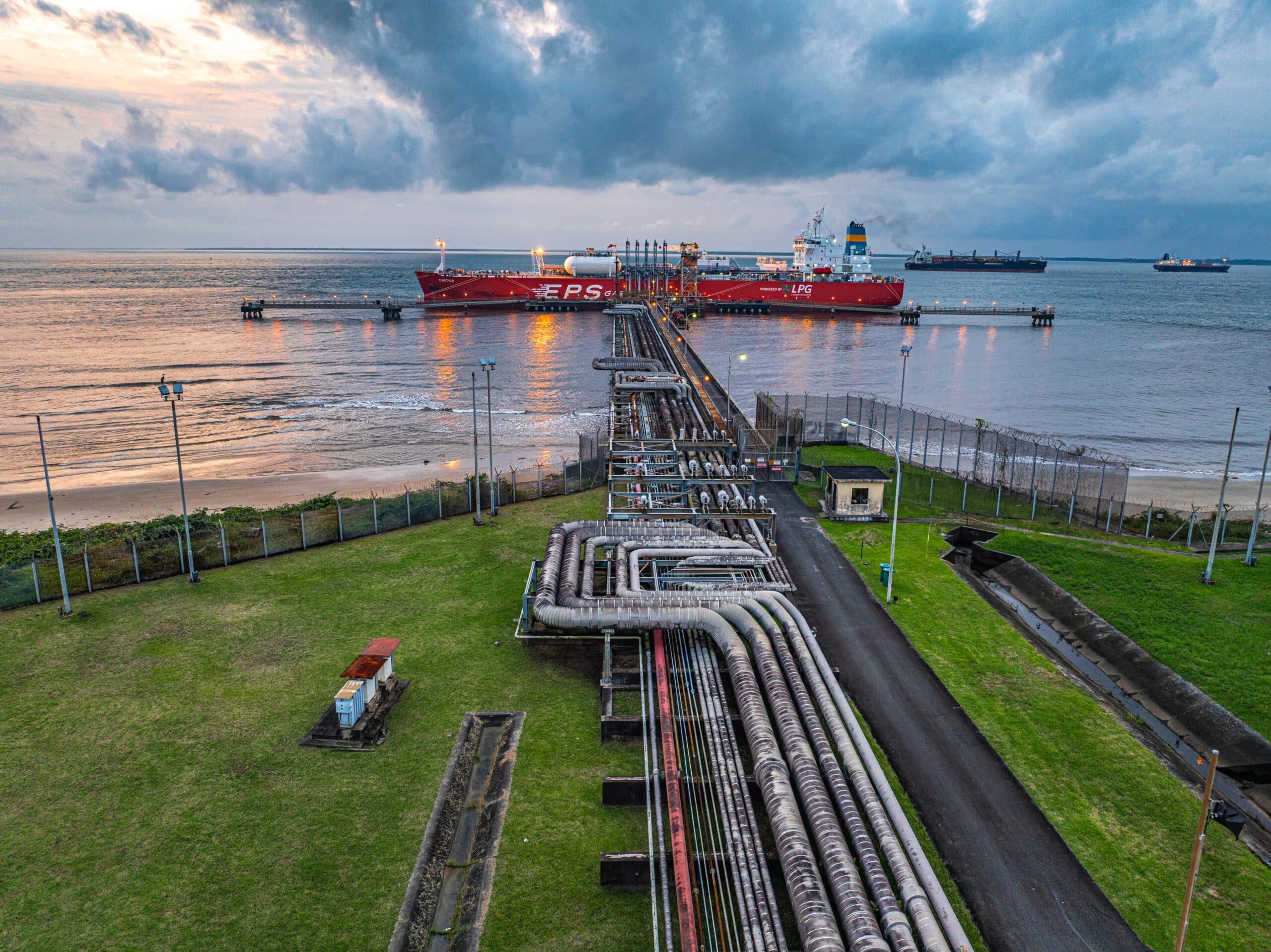
Expanding gas infrastructure—pipelines, LNG terminals, and distribution networks—will be essential to bridge this gap.
Currently, two countries are leading the gas revolution on the continent: Nigeria and Mozambique. Both countries are leveraging vast reserves and strategic projects to transform the continent’s energy landscape.
But who truly leads the revolution?
Nigeria: Africa’s gas giant
Nigeria holds 33% of Africa’s gas reserves—over 206 trillion cubic feet (Tcf).
The government has declared the Decade of Gas (2021–2030), making natural gas the cornerstone of its energy and industrial policies.
Gas is fueling Nigeria’s manufacturing, fertiliser, petrochemical, and steel sectors, helping bridge the continent’s energy access gap where over 600 million Africans lack electricity.
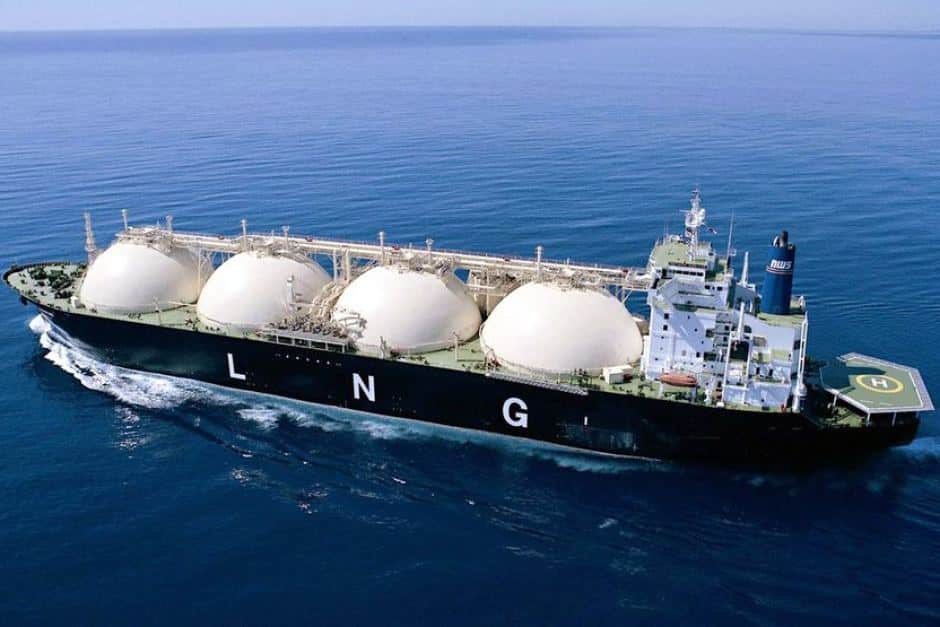
Programmes like Compressed Natural Gas (CNG) and Liquefied Natural Gas (LNG) adoption are reducing reliance on costly, polluting fuels, while making energy more affordable and sustainable.
Nigeria’s gas revolution is being powered by a suite of strategic projects—NLNG Train 7, AKK pipeline, OB3, HI, Ima, Ubeta, and UTM Offshore FLNG—that together aim to boost domestic supply and expand exports.
NLNG Train 7
The project involves a $10 billion investment, making it one of Nigeria’s largest energy infrastructure projects.
The Final Investment Decision (FID) was taken in December 2019, with construction contracts awarded in May 2020 to the SCD JV Consortium (Saipem, Chiyoda, and Daewoo).
Train 7 will increase NLNG’s production capacity by 35%, from 22 million tonnes per annum (MTPA) to 30 MTPA.
The project is reported to be around 80% complete currently, with commissioning expected soon. It will significantly boost Nigeria’s LNG export revenues when completed.
AKK pipeline project
Nigeria’s Ajaokuta–Kaduna–Kano (AKK) gas pipeline is one of the country’s most ambitious energy infrastructure projects, designed to unlock industrial growth in northern Nigeria and strengthen the nation’s gas economy.
It is a 614-kilometre, 40-inch diameter natural gas pipeline running from Ajaokuta in Kogi State through Kaduna to Kano.
It is part of Nigeria’s Trans-Nigeria Gas Pipeline (TNGP) system, which aims to connect gas-rich southern fields to demand centres in the north.
The project is being developed by the NNPC Limited at a cost of about $2.8 billion.
Earlier updates from NNPC indicated confidence that the project would be delivered by Q1 2025, though timelines have shifted to early next year.
OB3 pipeline
The Obiafu–Obrikom–Oben (OB3) gas pipeline project is one of the country’s most strategic gas infrastructure developments, designed to connect the eastern and western gas networks and unlock nationwide supply.
It is a 127-kilometre, 48-inch diameter pipeline linking Obiafu/Obrikom in Rivers State to Oben in Edo State.
It is valued at about $700 million and is being developed by the Nigerian National Petroleum Company Limited (NNPC Ltd.).
The pipeline is a critical interconnector, linking Nigeria’s Eastern gas network to the Escravos–Lagos Pipeline System (ELPS) in the West and the Ajaokuta–Kaduna–Kano (AKK) pipeline in the North. It is currently at 96% completion.
Several other ongoing gas projects are expected to boost Nigeria’s export capacity in the coming few years like:
HI gas project
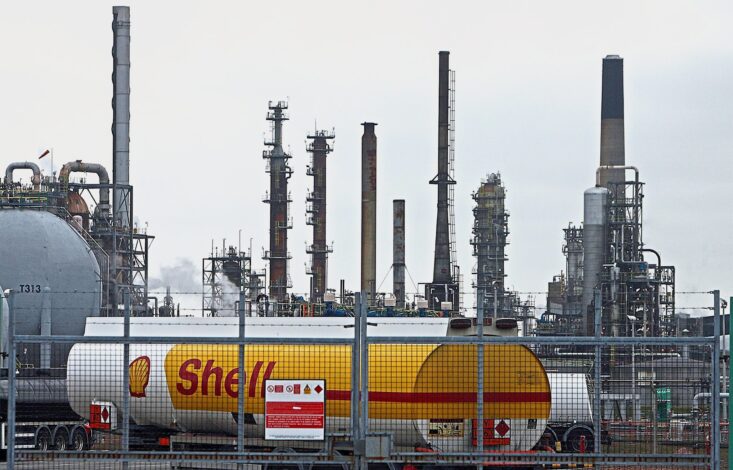
- Operated by Shell and Sunlink Energies.
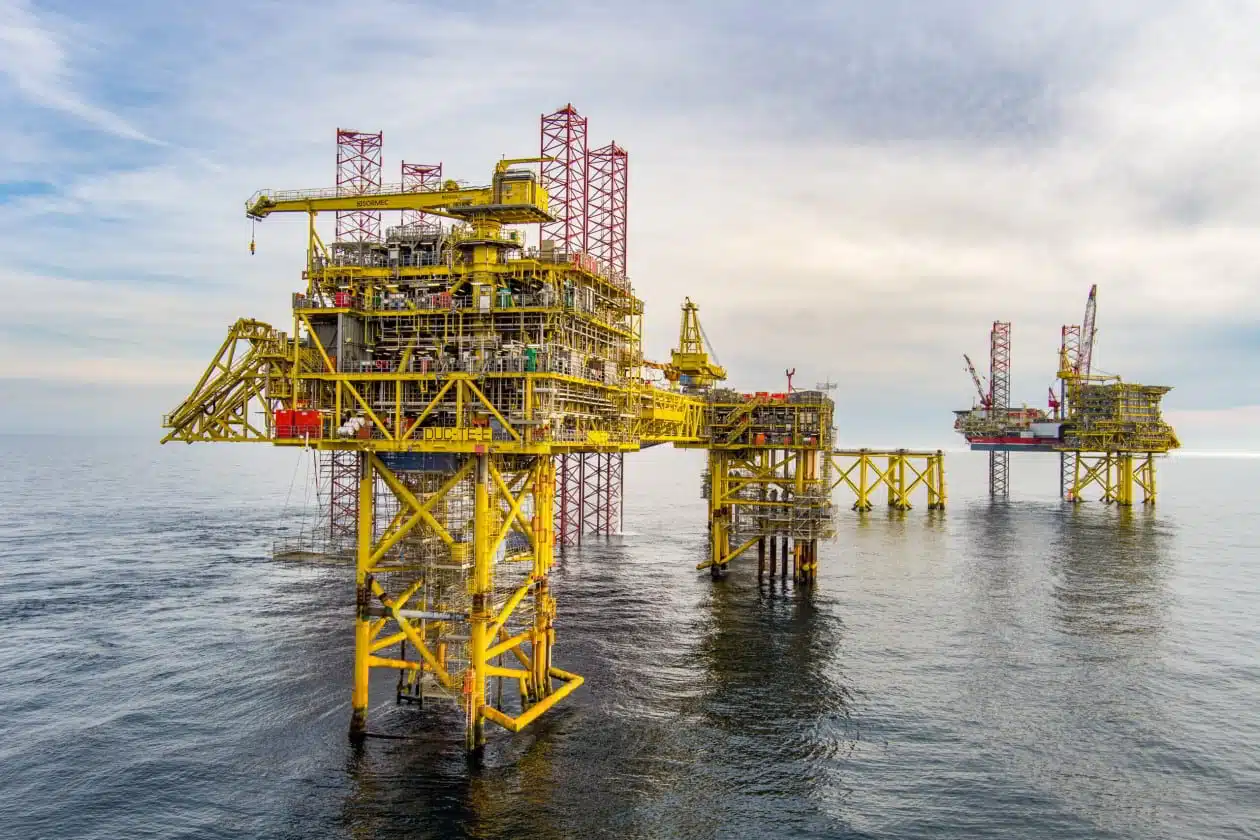
- Located offshore Nigeria, about 50 km from the coast.
- Expected to deliver 350 mmscfd of gas to NLNG Train 7.
- FID approved in 2025, with commercial production targeted soon after.
- Strengthens feedstock supply for NLNG expansion.
Ima Gas Field Project
- Operated by TotalEnergies.
- Located in Shallow water offshore Nigeria.
- Designed to produce 70,000 barrels per day (bpd) by 2026.
- Will supply feedstock to NLNG, supporting Nigeria’s LNG exports.
Ubeta gas development
- Operated by TotalEnergies (40%) with NNPC Ltd (60%).
- Onshore Rivers State, OML 58 license
- Expected to produce 350 mmscfd of gas and 10,000 bpd of condensates.
- Valued at $550 million, with production start targeted for 2027.
UTM Offshore FLNG project
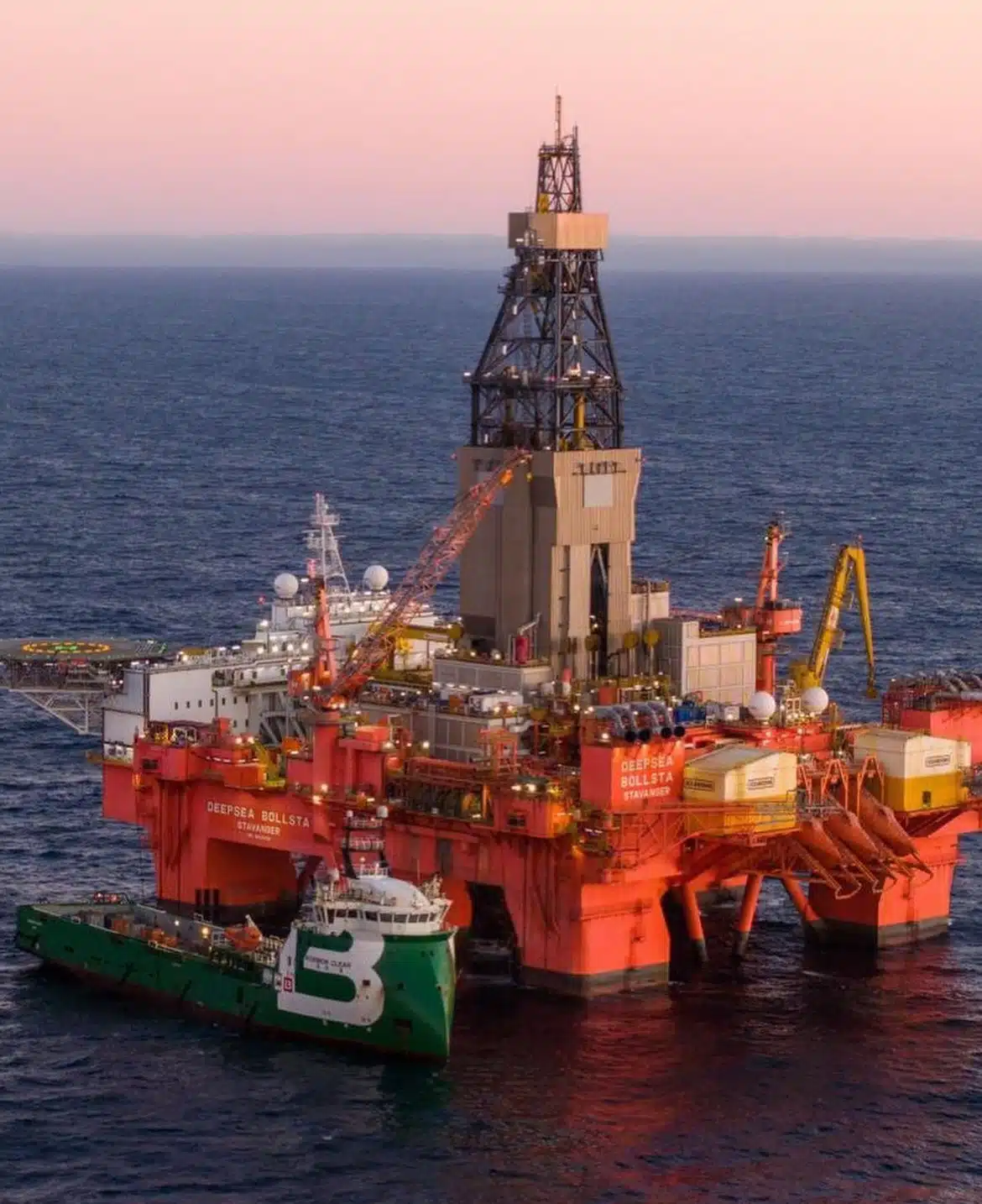
- Nigeria’s first floating LNG facility, licensed in 2024.
- Designed to produce 2.8 MTPA of LNG, plus LPG and condensates.
- Located offshore Akwa Ibom State, linked to Seplat’s Yoho field (OML 104).
- Owned by UTM Offshore (72%), NNPC (20%), and Delta State (8%).
- Estimated at $5 billion, with Afreximbank as the lead financier.
- FID is expected between the last quarter of 2025 and the first quarter of 2026.
Mozambique: Rising LNG powerhouse
Mozambique is emerging as a key player in Africa’s energy sector, with vast untapped natural gas reserves that could power Africa’s electricity expansion and clean energy transition.
There are a number of gas projects currently being undertaken by foreign companies in the country.
Eni’s Coral projects
Italian energy giant Eni brought Africa’s first floating LNG (FLNG) project Coral Sul online in Mozambique. It began production in 2022, marking Mozambique’s entry into the global LNG market.
Coral Sul produces about 3.4 million tonnes per annum (MTPA) of LNG from offshore Area 4 in the Rovuma Basin. It is operated by Eni on behalf of the Area 4 partners, which include ExxonMobil, CNPC, Galp, Kogas, and Mozambique’s ENH.
Following the success of Sul, Eni is now moving to another FLNG project “Coral Norte”. The $7.2 billion project is designed to complement Coral Sul, doubling Mozambique’s floating LNG capacity.
In October, Eni made a final investment decision (FID) on the project which will produce 3.55 MTPA of LNG over 30 years, also from Area 4.
TotalEnergies’ Mozambique LNG project
Mozambique also hosts one of Africa’s largest energy investments in recent years: the $20 billion Mozambique LNG.
Despite earlier delays due to security concerns, Total in October lifted the force majeure and is awaiting approval of an updated field development plan by Maputo.
However, the UK and the government of the Netherlands have both withdrawn a combined $2.2 billion in backing for the project, citing its bloated costs and alleged human rights abuses.
“My officials evaluated the risks surrounding the project, and His Majesty’s Government believes these risks have increased since 2020,” British business minister Peter Kyle said in a statement on Monday.
“The decision reflects a thorough assessment of the project and the best interests of UK taxpayers, which are served by ending our participation at this time,” he added.
This UK withdrawal comes after the US government approved a $4.7 billion loan in March for the project to move forward. TotalEnergies has said the project will still go ahead.
ExxonMobil’s Rovuma LNG project
Following the resumption of works on Mozambique LNG, ExxonMobil has also taken a similar step on its massive $30 billion Rovuma LNG project.
The project involves the construction of a 15.2 million onshore LNG plant but was suspended in 2021 after an escalation in jihadist insurgency in Cabo Delgado resulted in the declaration of force majeure by ExxonMobil.
With the lifting of the hiatus, the gas project is now being primed for a final investment decision next year and first gas targeted for 2030.
These projects will boost Mozambique’s LNG exports and generate billions in revenue, creating jobs and boosting infrastructure development.
Mozambique’s gas boom is not just about exports to Europe or Asia. It will also strengthen regional energy security by supplying neighbouring countries and supporting industrial growth across Southern Africa.
In November, Mozambique started producing its first locally made LPG (popularly known as cooking gas), marking a shift in the country’s long-standing dependence on imports.
“This first loading of cooking gas represents the realisation of yet another step towards monetising natural gas within the country, creating greater value for the domestic market,” said Sasol’s Managing Director in Mozambique, Ovídio Rodolfo.
The bottom line
Nigeria and Mozambique are not just exporting gas—they are redefining Africa’s role in the global energy order.
Together, they embody the continent’s ambition to harness natural resources for industrialisation, energy security, and sustainable growth.
Nigeria currently leads Africa’s gas revolution, though Mozambique is rapidly emerging as a major LNG powerhouse.
Nigeria leads in terms of reserves, established infrastructure, and domestic utilisation, making it the current driver of Africa’s gas revolution.
Mozambique is catching up fast, with mega-LNG projects that could make it a global export powerhouse within the next decade.
The developments in these two countries complement those of Algeria and Egypt—two historical gas giants—whose gas output has been declining in recent years.