


Nigeria, Africa’s most populous country, is closing 2025 on a strong note as billions of dollars flow into acquisitions, largely within the energy sector. The flurry of activity has been driven by last minute-deal making as investors rush to close transactions before the year runs out.
From oil and gas to electricity, some of the country’s most valuable energy assets changed hands in the final days of December. Billionaire investors moved swiftly, locking in profits and positioning for the next phase of growth.
The surge in transactions comes at a time when Nigeria’s fiscal space is undergoing deep structural shifts. Policy reforms, pricing adjustments and new fiscal rules will alter investment landscape in the coming months, forcing asset owners to rethink timing and strategy.
For many investors, waiting into the new year would mean facing higher taxes and tighter margins. This has made the closing days of 2025 a narrow but attractive window to exit or expand positions.
As a result, the energy sector has emerged as the centre of Nigeria’s year end acquisition wave, with deals running into billions of dollars and reshaping ownership across oil, gas and power.
Billion dollar deals close at the wire
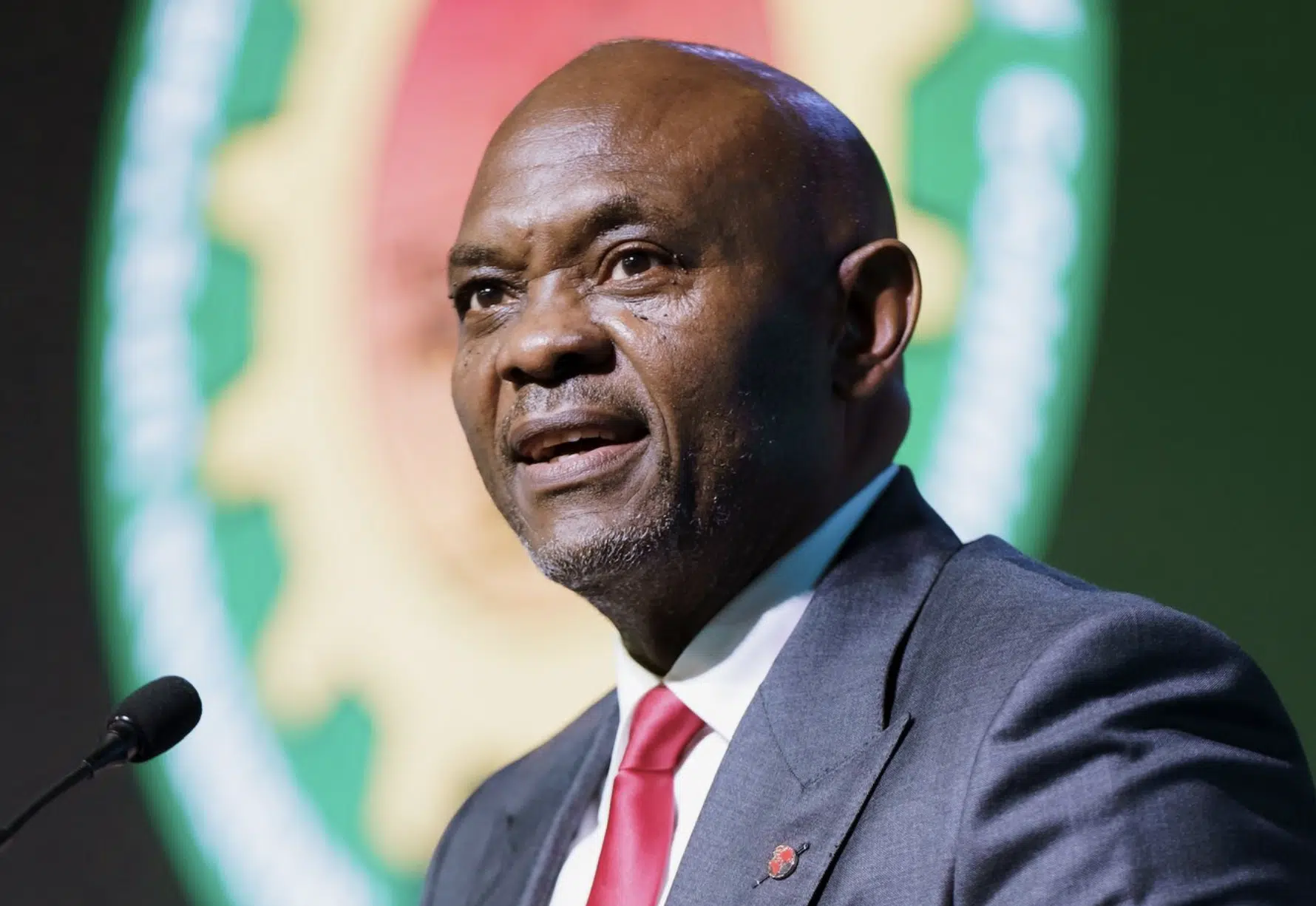
One of the biggest transactions came from Nigerian billionaire Tony Elumelu, who acquired more than a 20% stake in Seplat Energy for about $550 million on the twiglight of the new year. Seplat is Nigeria’s largest indigenous oil and gas producer.
The deal followed closely after Heirs Energies, Elumelu’s energy company, secured a $750 million financing facility from Afreximbank. It is the largest loan the company has ever received from an intercontinental financier.
Heirs Energies has interests across electricity, oil and gas. Through its power assets, it supplies roughly 17% of Nigeria’s electricity.
Elumelu was not the only major player active at the close of the year. Billionaire investor Femi Otedola also exited a significant position in the power sector.
Otedola exits Geregu as power assets change hands
On his part, Otedola sold his majority stake in Geregu Power Holding in a deal valued at about N1 trillion ($670 million). He had been the company’s largest shareholder for more than a decade.
The stake was sold to Ma’am Energy. Otedola stepped down as chairman and handed over control to a new leadership team. Following the transaction, his personal fortune rose by an estimated N896 billion.
The electricity sector also recorded another landmark deal with the full acquisition of Eko Electricity Distribution Company. Eko DisCo supplies power to much of Lagos, Nigeria’s commercial capital.
The company was sold to WAPG after years of negotiations, delays and regulatory reviews. The transaction was completed on Tuesday, December 29.
Why investors rushed to close deals
Several factors explain the surge in last minute acquisitions. One of the most significant is Nigeria’s new tax regime.
Under the new law, capital gains tax will rise to 30% from 10%, starting January 1, 2026. For investors, delaying asset sales into the new year would mean paying three times more in taxes.
Lagos based investment banker Tunji Bankole said many investors accelerated transactions to avoid higher costs.
“Many investors see this period as a narrow window to close deals and clean up their balance sheets before the new tax regime begins,” Bankole said.
The rush has not been limited to the energy sector. Banking and other industries also saw increased merger and acquisition activity as the year drew to a close. Still, oil, gas and power attracted the bulk of the capital.
“Investors know there will be a downgrade in their returns if they wait too long to cash out. It is important they do this now instead of allowing the new tax to take a lion’s share,” said Lukman Adedeji, head of capital investment at HOIC.
What it means for 2026 and beyond
Moeove, analysts believe the acquisitions will inject fresh liquidity into Nigeria’s energy sector, which has long struggled with low revenues, legacy debt and technical losses.
In electricity, new capital could help sustain the sector and fund investment in infrastructure, gas supply and transmission lines.
Elumelu has previously called for the privatization of Nigeria’s transmission network. Analysts say his expanding footprint across the power value chain could help push reforms in the right direction.
Independent oil producers are also positioning for growth. With new capital flowing into Seplat, the company said it plans to invest about $3 billion to revive mature wells and boost gas production. Seplat already supplies about 25% of Nigeria’s domestic gas demand.
The Seplat transaction is also expected to make Elumelu a dollar billionaire for the first time, placing him alongside Aliko Dangote, Femi Otedola and Abdulsamad Rabiu.
“Business leaders like Elumelu always follow timing. This is the right moment to deploy capital before the system is overhauled,” Adedeji said.
He, however, added that the rush does not signal a slowdown in acquisitions in 2026. Instead, investors are likely to pause and allow the system to adjust to the new tax regime before re entering the market.
As 2025 ends, the energy sector stands out as the focal point of Nigeria’s last hour investment surge.