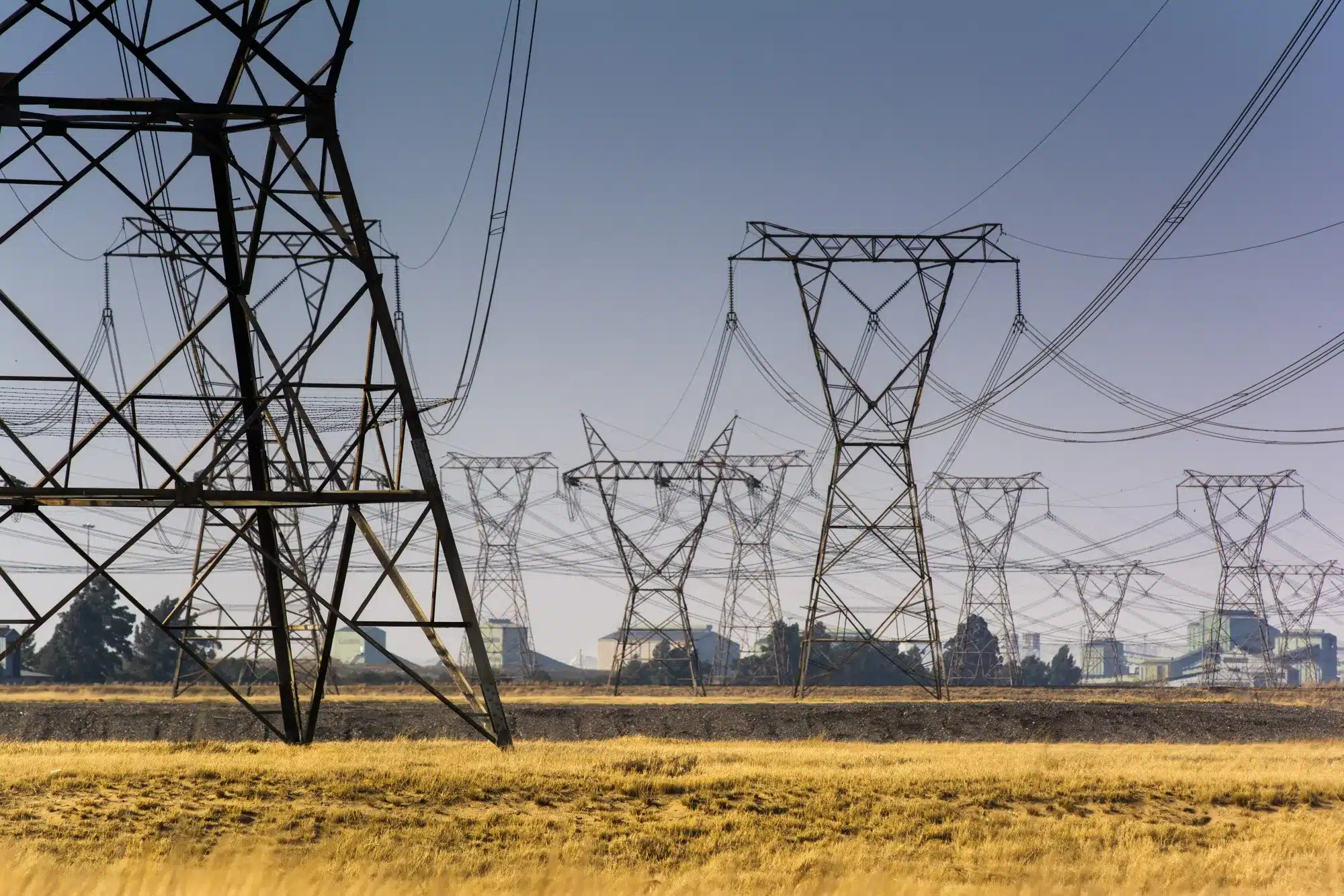



For all of its electricity challenges, Nigeria’s national grid remains the biggest headache of the pack. The centralised network, designed to carry about 7,000 MW of electricity at full capacity across the nation, is meant to serve over 200 million people.
At its peak, the centralised power structure hardly hit 5,000 MW on a good day. This is less than 10% of the total capacity of South Africa, a country with relatively similar economy.
Nigeria’s national grid aged facilities and unreliable transmission lines made it difficult to sustain supply for long periods of time. Load rejection— the forceful denial of electricity due to overload— makes the network shut itself down from time to time. On average, it goes off twice a month.
Occasionally, the number could be significantly higher. For instance in 2025, Nigeria experienced a total collapse of the grid thrice in one week.
Of the three tiers of the electricity value chain in Nigeria, the national transmission network is still the only segment fully controlled by the government. Its centralised design, with its operational hub located in the South West of Osun State, determines how power is rotated across the country.
The gas companies, the GenCos, can supply about 13,000 MW of power. But the transmission framework can only wheel about half of that daily. The rest remains stranded capacity that could have lit up neighborhoods or powered factories.
The disruption does not end there. Electricity still passes through turbines and transmission lines before reaching the transformers of the distribution firms, which are also privately owned. By then, several things could have happened in real time.
Load rejection, transmission tripping due to vandalism, and other external factors often lead to what experts describe as “technical losses”.
On average, Nigeria records between 1,200 MW and 1,300 MW in daily technical losses. To put this in context, this is enough electricity to power Lagos without load shedding, the country’s largest state economy. Currently, the network operates at about 70 to 80% of its capacity.
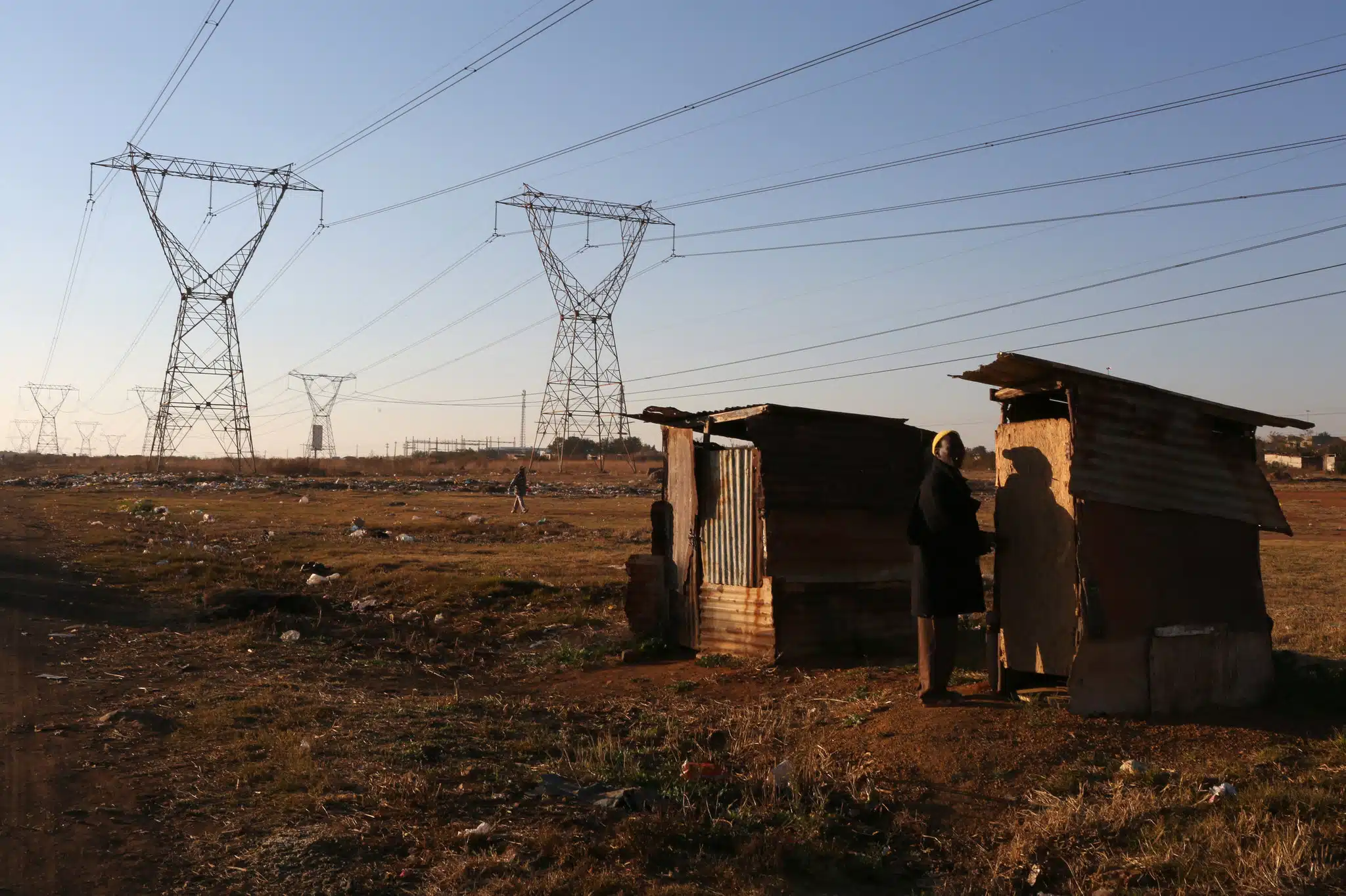
Nigeria has the highest number of people without electricity in the world. While the exact figures remain unclear, the World Bank estimates the number at about 90 million. That represents more than 20% of people living without power across Africa.
Government’s effort to revamp the grid
To be fair, significant efforts have been made to reform the power sector.
In 2013, a privatization programme was set in motion, resulting in the unbundling of the sector. Before the reforms, the Nigerian government controlled the entire value chain of power generation, transmission and distribution. Every component depended on state bureaucracy. That changed about a decade ago.
Nigeria privatised its generation and distribution segments. As a result, 11 companies emerged as distribution firms, while five were licensed to generate electricity. A lot has changed since 2013, but one constant remains: power supply conditions have largely stayed the same. Most Nigerians rarely enjoy more than 15 hours of electricity daily.
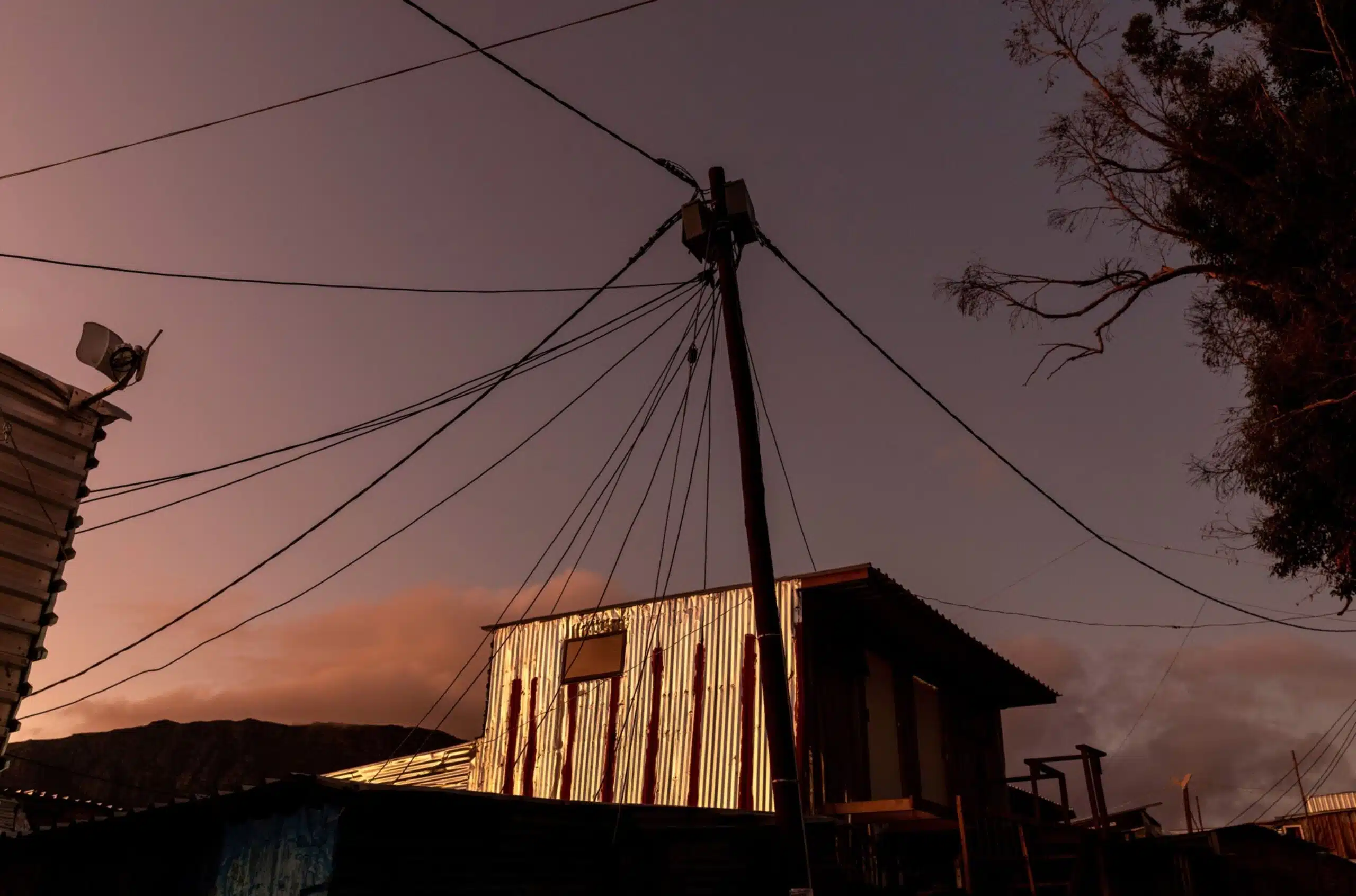
Even elite users, classified as Band A customers, receive an average of 16 to 20 hours of electricity per day. Worse still, the majority of rural dwellers do not have access to power at all. These are millions of people.
According to reports, Nigeria loses around $20 billion in industrial output yearly due to power shortages across the country.
The government has made several attempts to fix the transmission problem. In 2018, the former administration unveiled a $2.3 billion agreement to upgrade the core assets of the network. The plan included expanding capacity to around 20,000 MW.
The arrangement involved the Nigerian government, German utility firm Siemens, Chinese financiers and other local players.
The network was also to be integrated with a newer SCADA technology that allows real time monitoring of transmission infrastructure. The Siemens initiative was the most comprehensive and deliberate effort by the government to address the transmission bottleneck.
But as often happens with government led projects in Nigeria, it became mired in controversy, with allegations of corruption and mismanagement. It did not move meaningfully beyond phase zero before stalling.
There are, however, reports that the government is attempting to revive the programme.
What experts think about grid unbundling
Still, some analysts believe other alternatives could be a complete overhaul of the system itself.
In 2023, the new government signed into law the Electricity Act to enable sub-nationals to generate and distribute electricity within their regions.
This could allow for integrated power system that might bypass the government-owned transmission lines itself, but it remains unclear how such initiative could be carried out since the law itself doesn’t permit States to transmit electricity without the national grid.
“The Electricity Act does not permit full private ownership or control of the core national grid to ensure unified management, but it does allow private companies to obtain transmission licenses.
“This is particularly for Independent Electricity Transmission Networks (IETNs) in greenfield locations or areas that require extension to improve access, as set out in Section 66 and related provisions,” energy lawyer and partner at Bloomfield Law, Ayodele Oni, tells Energy in Africa.
Oni said the law made it easier for states to find ways to ensure a more liberalized electricity system that allows for greater private sector participation.
Some States have been doing exactly that. For instance, the Geometric Power project located in the South East area of the country, Abia States, is an integrated power system that allows for electricity roll out without connection to the grid.
But the project is an exception to the rule itself. Most states are not economically viable to create their own electricity. Across different regions in the country, consumers’ purchasing power still low, and most investors may not regard such projects as economically viable.
Thus, a centralised grid offers a buffer here. Building capital-intensive projects like that of power requires huge liquidity, which most states don’t have.
The sector itself still struggles with piles of debt with billions of dollars spread across the value chain.
“Nigerian DisCos — supposedly private since 2013 — are themselves technically insolvent,” said Omono Okonkwo, an Abuja-based energy expert and consultant. “ She estimated this debt— what she described as”market shortfall”—to be around $4 billion.
“If the off-takers (DisCos) cannot pay, and the generators are owed trillions in naira of unpaid invoices, then a private transmission manager inherits a commercially broken ecosystem regardless of operational excellence. ”
Going by the book alone, most investors will turn away from such assets.
Okonkwo, however, advocated for a different kind of decentralization through mini-grids installation and renewable energy adoption.
“Decentralisation — through mini-grids, embedded generation, and state-level distribution networks — is not a romantic alternative but a pragmatic survival response to centralised failure,” she said.
Investors want privatisation of transmillion lines
Meanwhile, experts are not the only ones calling for this overhaul. In an interview with Bloomberg in 2024, Tony Elumelu, businessman and banker, said privatisation of the transmission lines might just be the way out of the frequent power outage mess.
Elumelu owns Transcorp, a gas firm supplies about 15% of the total electricity generated in the country.
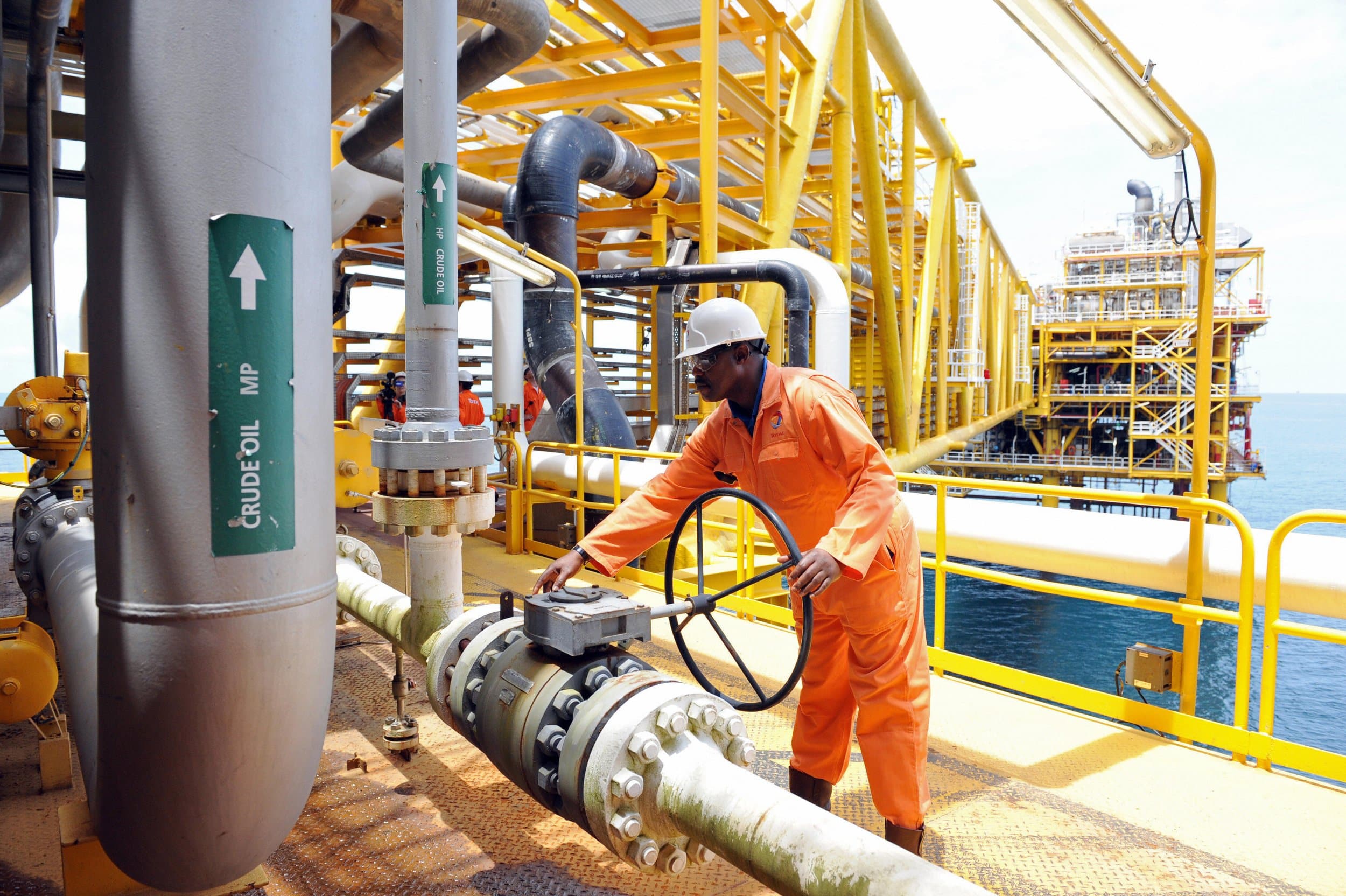
“Even where you generate electricity, the transmission network cannot take it, so it’s a problem for us. Some institutions have idle gas assets or fields. The government should take some of these and allow Nigerians who have the resources and means to invest in gas to manage them.
“I am advocating that we privatize transmission lines,” the 62 year old business mogul told Bloomberg.
However, handing over the transmission lines assets are no way a silver bullet. In this respect, Oni offers a word of caution.
“Splitting transmission into private competitors, as was done with the DisCos, would risk duplicating costly infrastructure, creating safety hazards, increasing costs for consumers, and undermining national control over a critical strategic asset,” he said.
The veteran legal practitioner also said the subdividing the transmission units may result into a constraints on economic of scales.
He argued that electricity requires heavy investment in power plants, transmission networks, and geographic planning. Because of this, he said it makes more economic sense to keep a centralized system with stronger control over the entire value chain.
“Centralised grids allow for economies of scale. This is because large-scale power plants can produce more electricity at lower rates. This makes it easier to balance supply and demand across the country to deliver reliable service to urban and industrial areas,” Oni said.
Why system overhaul is non-negotiable
For most Nigerians, this hasn’t really been the case. While the textbook economies make sense, the service delivery that stems from centralised grid has been deeply poor. Oni admits this much.
“The national grid has over the years, faced several issues such as lack of adequate infrastructure, load rejection and more frequently, grid collapse,” the Bloomfield partner said.
But the way forward is more complex than a straitjacket, one-size-fit-all solution, he said. While the private sector might offer some buffers to bureaucratic failures, they by no means guarantee steady power supply.
According to Oni, it will take a collaboration of both working together to achieve the common goal of meeting the ever growing electricity demand in Africa’s most populous country.
“There is a need to restructure the transmission sector of the NESI, particularly regarding the national grid, to allow for private capital and improved expertise only to the extent required to improve the efficiency of the national grid,” the energy expert concluded.
Recently, the federal government is mulling a new bill, the Electricity Act of 2026 to override the old law.
Some of the stipulations in the proposed bill are yet to be made public. For most Nigerians, words on paper alone will not fix electricity. They need a complete overhaul of the entire system.
Although experts remain divided on the best path forward for the nation’s grid system, there is broad agreement on one point: stable electricity supply cannot be achieved without decisive reform.
Whatever model is eventually adopted, meaningful intervention must begin with the grid. It is the foundation of the power value chain, and any serious effort to improve reliability will have to start there.