


Northern Nigeria sits on one of the richest renewable energy zones in sub-Saharan Africa.
Its vast arid land, abundant sunlight, and closeness to major hydropower dams give it the kind of natural energy advantage that countries like Morocco and Egypt have already converted into billion-dollar clean energy industries.
Yet, in Nigeria’s energy transition story, the North presents a stark contradiction.
The region with the strongest renewable potential still records some of the lowest electricity access rates in the country. It continues to lag behind in adopting clean-energy technologies.

The issue is not a lack of natural resources. Sunlight, land, and hydropower potential are abundant.
Experts point instead to structural barriers: a fragile grid, low investor confidence, insecurity, and governance gaps that slow renewable deployment.
Northern Nigeria’s electricity gap
Access to electricity in Nigeria remains uneven, but the regional gap is striking. While urban centres in the South have significantly higher electrification levels, states in the North, especially the North East and parts of the North West, remain far behind.
According to the Nigeria Residential Energy Demand‑Side Survey by the National Bureau of Statistics, only about 58% of households across nine surveyed northern states are connected to the national grid.
The report emphasized on significant regional gaps, with some northern states like Sokoto, for example, only one in five households has access to electricity.
Even among households with connections, electricity supply is unreliable with only 86% of respondents reported receiving power in the past 30 days.
Many local governments in the North have entire villages that have never been connected to the grid.
The report also notes that electricity generation is concentrated along southern gas corridors.
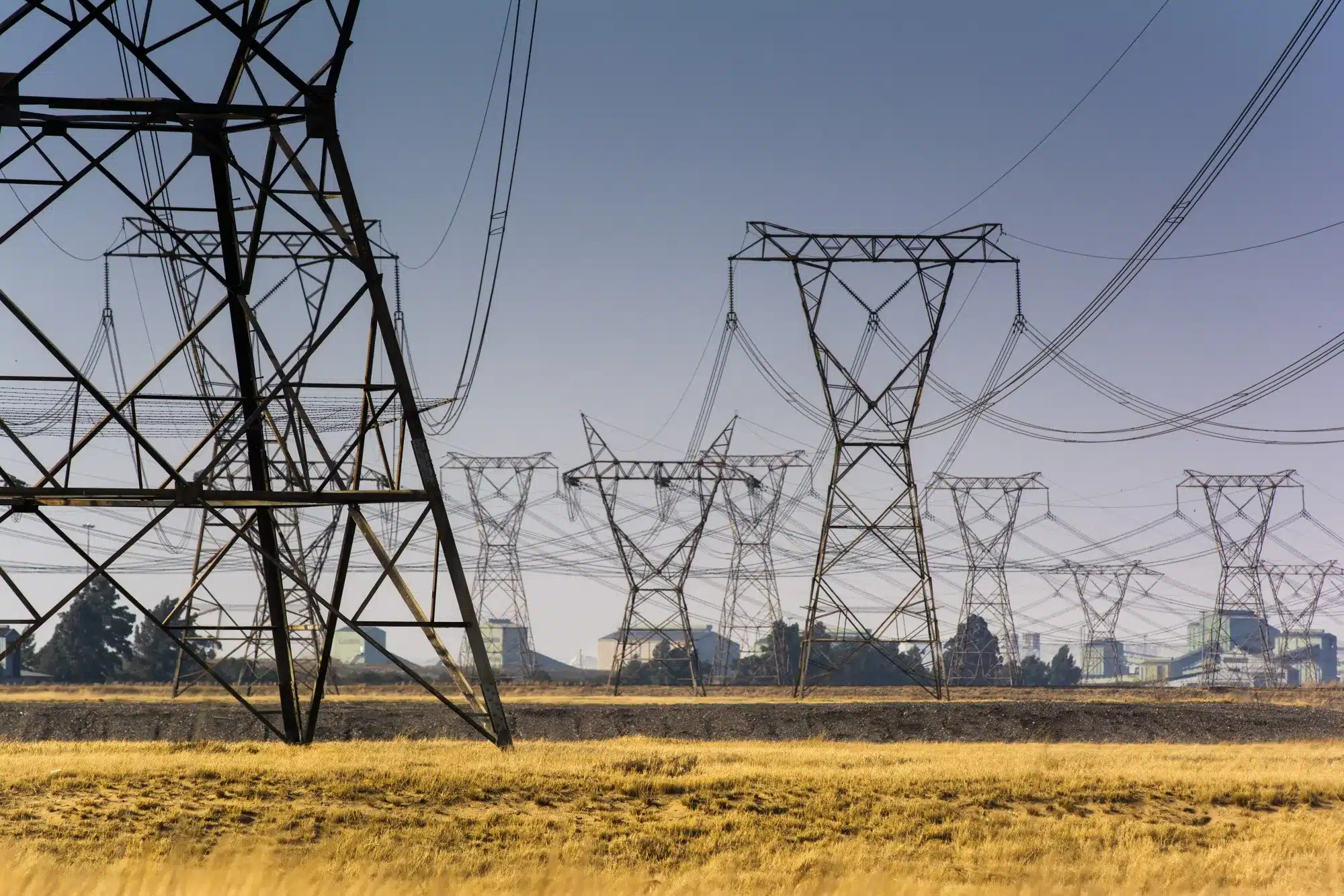
As a result, the North relies on long, aging transmission lines that stretch hundreds of kilometres, often through areas affected by insecurity, before power reaches homes and businesses.
An energy expert explained that this dependence on exposed transmission infrastructure leaves the North vulnerable to vandalism, instability, and technical failures.
This structural fragility, he said, undermines investor confidence and helps explain why renewable adoption has yet to gain momentum in a region with such natural potential.
A climate advantage waiting to be unlocked
Despite these challenges, the region has a clear geographical edge to evolve into a renewable energy hub for Nigeria and potentially for West Africa.
States such as Gombe, Sokoto, Kano and Taraba record some of the highest average solar irradiance levels in the sub region.
Industry data shows that the region receives average daily solar irradiance of about 5.5 to 7.0 kWh per square metre, compared with 3.5 to 5.5 kWh per square metre in southern Nigeria.
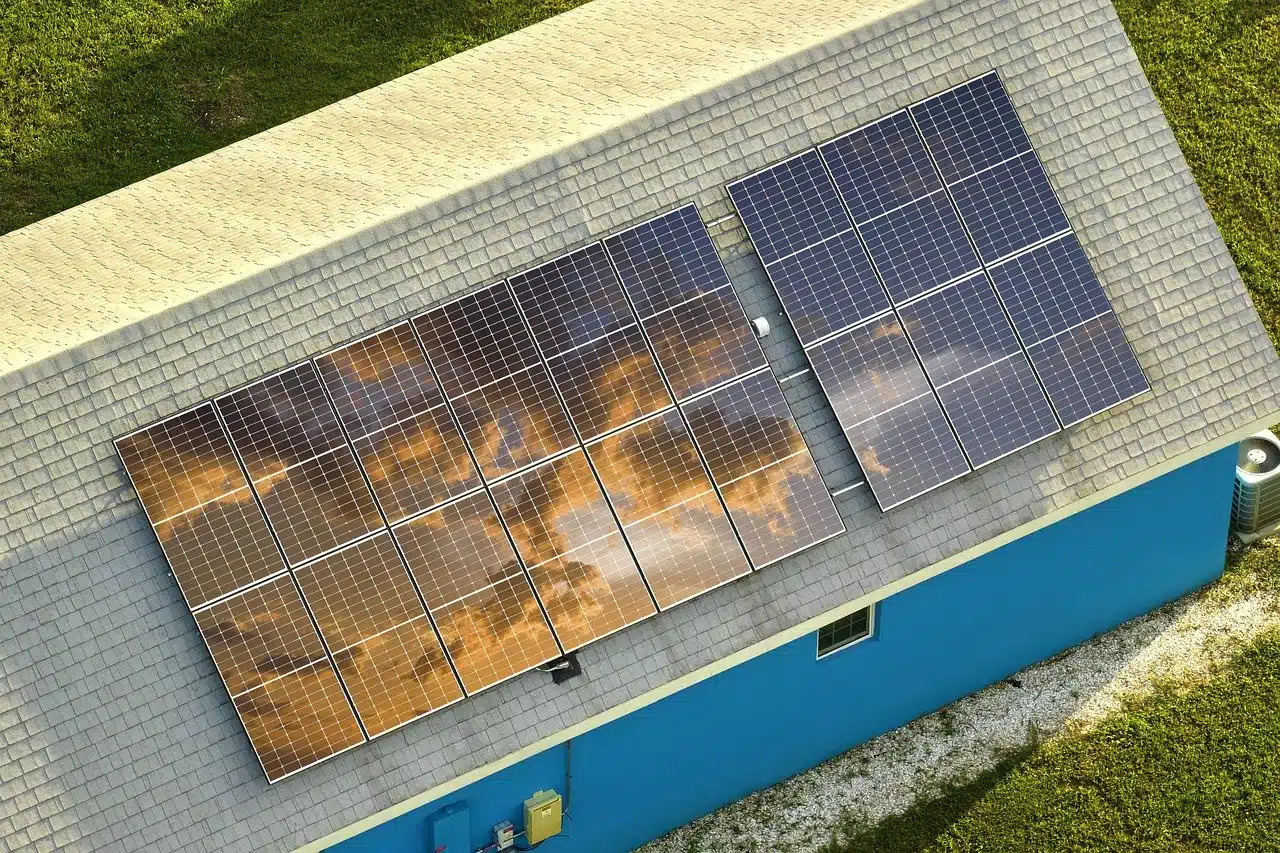
These are natural energy resources that can be harnessed through utility scale solar farms and transmitted to homes, factories and industrial clusters to drive economic growth.
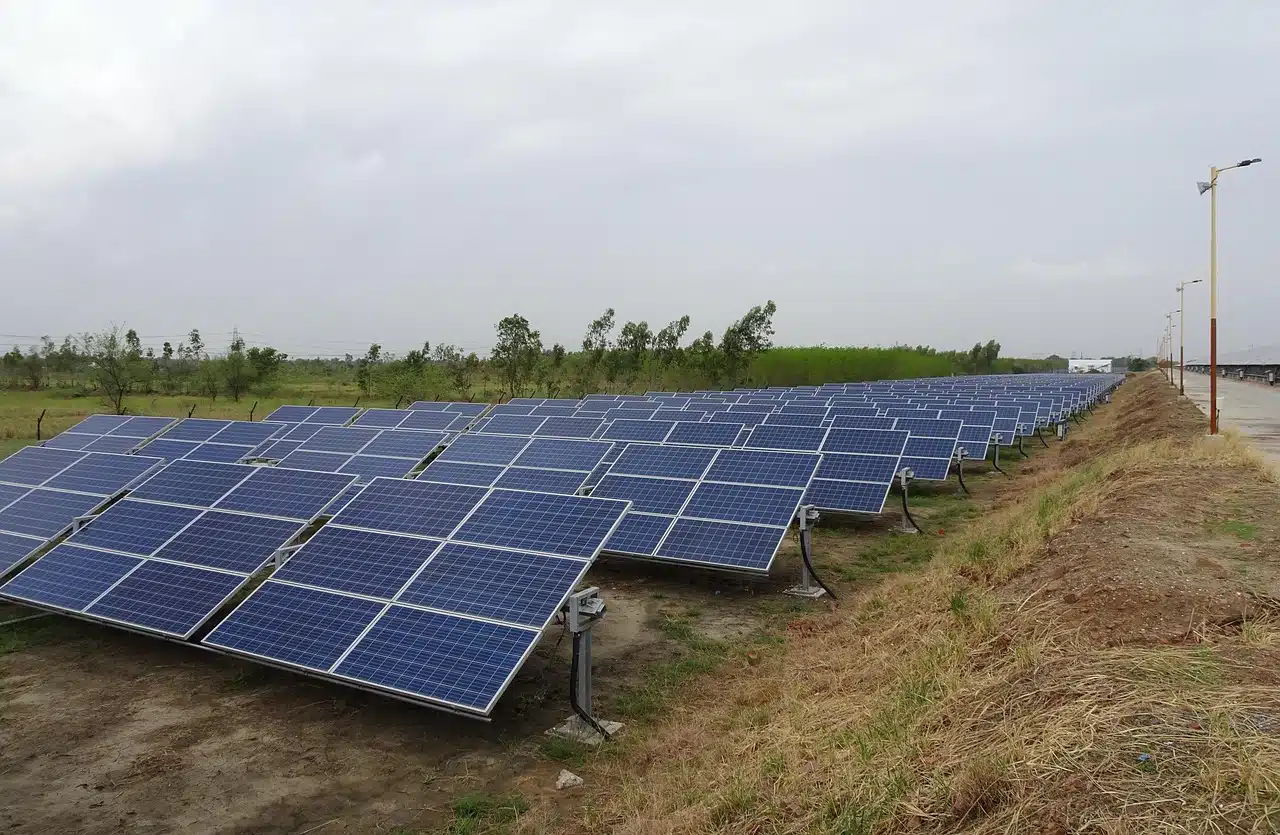
Beyond solar, the region also has vast stretches of largely uninhabited land, making it well suited for the development of solar parks, wind farms and other clean energy infrastructure.
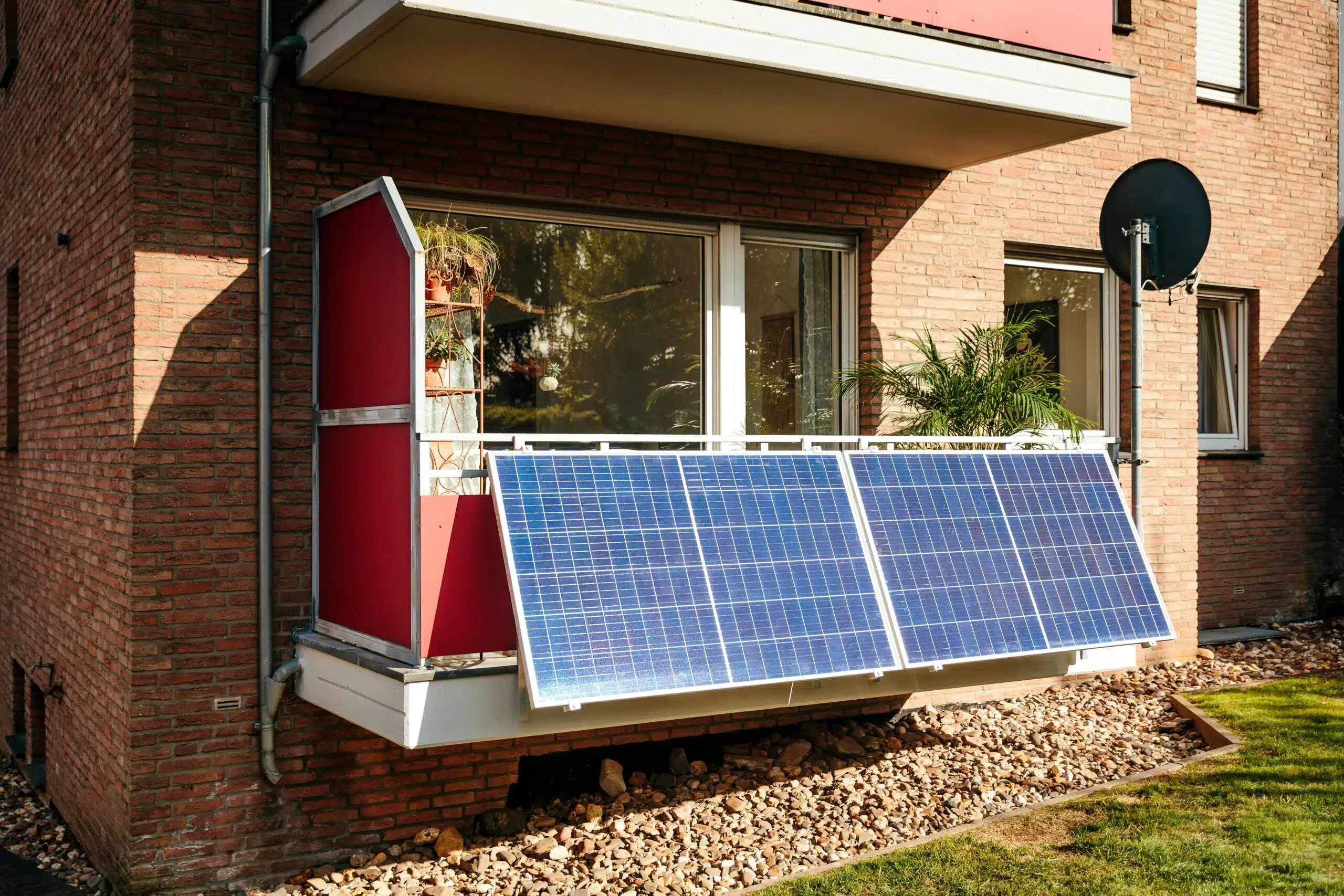
The region’s expansive land makes it ideal for large-scale solar farms, while hydropower dams in Kainji, Shiroro, and Zungeru provide the backbone for hybrid systems. Low humidity and wide plains also favour mini-grids and other off-grid solar solutions.
According to the Rural Electrification Agency (REA), northern states host most of Nigeria’s mini-grid installations, particularly in Kaduna, Niger, Plateau, and parts of the North Central region.
In theory, this should position the North at the centre of Nigeria’s clean-energy drive.
Yet, this potential remains largely untapped.
Some communities still have no electricity to this day. Northern Nigeria continues to grapple with deep electricity deficits, where unreliable supply and weak grid infrastructure leave millions of households and businesses in persistent darkness.
In many villages, power coverage remains patchy or entirely absent, stifling productivity and widening the region’s development gap.
Why renewable adoption still lags
It then raises the question: why does the region continue to fall behind in renewable energy adoption despite these clear advantages?
In interviews with experts in the field, Energy in Africa highlights several reasons why the North continues to struggle with sustained renewable energy growth, coverage, and reliable electricity supply.
Here are some of the challenges identified by multiple industry players who spoke with Energy in Africa:
Insecurity makes renewable investment a high-risk gamble
No doubt, insecurity remains one of the region’s biggest challenges. Non state actors continue to vandalise electricity infrastructure, including renewable energy projects, creating constant setbacks for the power sector.
This triggers a domino effect. For investors hoping to leverage the region’s natural climate advantage, insecurity represents a significant and often unavoidable risk.
The Transmission Company of Nigeria (TCN), for instance, reportedly disclosed that 120 transmission towers were destroyed by vandals in 2024 alone.
The ripple effect of this insecure environment is steep insurance premiums, reduced investor confidence, and a growing reluctance among industry players to commit to long term, large scale renewable projects in parts of the region.
This perception also discourages new entrants, especially in the absence of clear security guarantees from the federal and sub national governments.
Planting new renewable infrastructure in such volatile locations therefore becomes a high stakes gamble, with returns on investment far from assured.
Renewable energy expert and researcher, Akpam Micheal, captured this reality succinctly, noting that the risk posed by insecurity often outweighs the region’s climate advantage in the minds of most investors.
“With the the abundance of sunlight in the north for greater photovoltaic power generation comes with the issues of security; developers willingness to invest and operate a mini grid there and the cases of Vandalism,” Micheal told Energy in Africa.
Structural weaknesses of the grid connection
Because much of northern Nigeria relies on fragile, long-distance transmission lines, renewable energy developers are often forced to site projects in locations with little or no supporting infrastructure.
This reality complicates distribution planning, stretches project timelines, and significantly drives up development and operating costs.
One analyst describes the region’s power crisis as a “systemic failure across generation, transmission, and distribution,” a breakdown that leaves even well-intentioned energy investments struggling to gain traction.
The problem is not just about producing power, but about moving it efficiently and reliably to where it is needed.
At its core, the foundation is weak. Renewable projects require stable grids, reliable access roads, enabling government support, and adequate technical and security backing.
Without these basic conditions in place, even the region’s strong climatic advantages are not enough to translate potential into consistent, on-the-ground results.
Poor governance and political inconsistency slow long-term adoption
Beyond infrastructure, clean energy projects also depend on steady and credible political commitment. Developers need clear pathways for land access, assurances around security, and sustained engagement with host communities to keep projects viable over the long term.
In reality, weak and often unstable governance in many parts of the country continues to stand in the way.
Nigeria’s renewable energy sector is frequently hampered by regulatory uncertainty, overlapping mandates across multiple agencies, and sudden policy shifts that create confusion rather than clarity. These issues steadily erode investor confidence and slow project momentum.
Lengthy approval processes and unclear land-use frameworks further complicate the picture.
As a result, even well-designed solar farms or mini-grid projects with strong community and commercial potential can become stuck in bureaucratic limbo, delaying deployment and limiting the sector’s ability to scale.
Economic and financing obstacles limit sustainable deployment
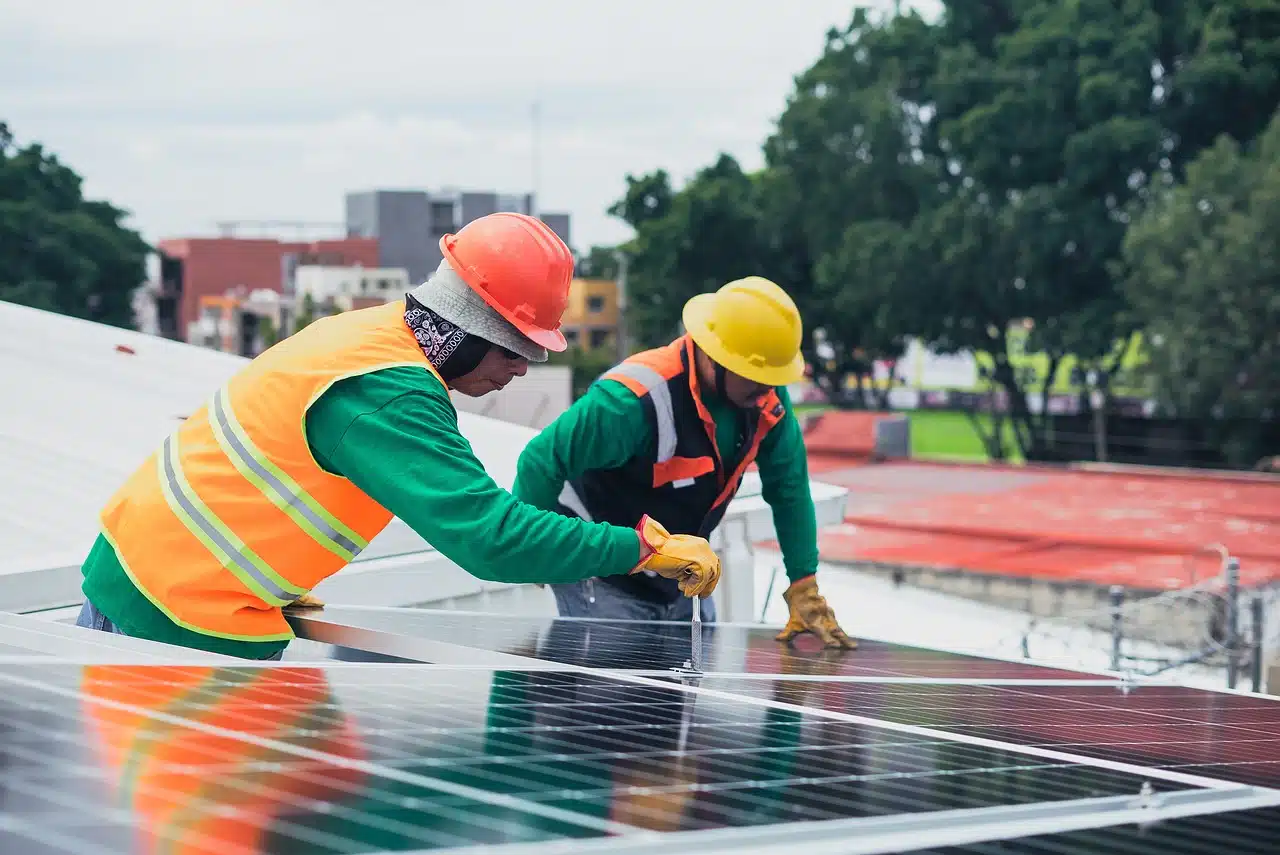
Even where resources and sun are abundant, many communities in rural and remote northern Nigeria have limited ability to pay tariffs sufficient to cover the costs of mini-grid or solar installations.
Additionally, the cost of transporting equipment, maintaining systems, and dealing with security risks adds to project expenses.
Infrastructure weaknesses especially the inadequate national grid, insufficient transmission and distribution networks also make it difficult to integrate renewables into the wider electricity system, or to scale beyond small-capacity mini-grids.
According to a recent mid-2025 report, Nigeria loses over 28 % of generated electricity to transmission and distribution inefficiencies — among the worst rates in Africa. In fact, only a fraction of Nigeria’s installed generation capacity is ever dispatched, leaving much of potential power stranded and unusable.
For instance, Emeronye Augustine, another renewable energy expert, agrees that renewable adoption in the North will only accelerate if Nigeria strengthens the grid.
Even the most promising solar or mini grid project can struggle to deliver results, regardless of how strong local sunlight may be. Without stable governance, reliable infrastructure, and clear regulatory support, these projects often fail to move from potential to performance.
Bottomline
Northern Nigeria holds huge potential to lead the country’s clean-energy transition. Yet, despite abundant sunlight, land, and hydropower resources, renewables remain underdeveloped.
The bottlenecks are not natural but structural, including insecurity, weak infrastructure, unstable governance, and economic hurdles
Experts emphasize that unlocking this potential requires a coordinated approach. Strengthening transmission networks, ensuring project security, creating stable investment environments, and building trust with communities are essential.
Without addressing these barriers, the North may continue to lag behind, leaving a region rich in resources yet deprived of electricity.