


When the International Energy Agency (IEA) announced its Electricity 2026 report this month, perhaps one of the most important messages it sent was that electricity is becoming the backbone of the global economy, and it’s arriving faster than anyone has seen in decades.
The demand for electricity at a global level is increasing at an unprecedented rate, with the recently published report by the IEA stating that the global demand for electricity would be increasing at an average rate of more than 3.5% in the rest of the current decade.
“Global power demand is set to grow by more than 3.5% per year on average over the rest of this decade, with electricity generation from renewables, natural gas, and nuclear all expanding to keep pace,” the report says.
For the emerging and the advanced economies, the growing demand is fueled by urbanization, growth in manufacturing activities, and an increase in the standard of living. In the case of Nigeria, the question is whether the foundation upon which the electricity system is built is enough to drive the next phase of growth.
Nigeria, with a population of over 200 million people, is at the epicentre of urbanization, industrialization, and power supply instability. The question now is not whether the demand for power will continue to grow. It already is.
The question now is whether the country can realistically absorb that growth in its generation capacity, transmission backbone, and distribution infrastructure.
The state of Nigeria’s power sector
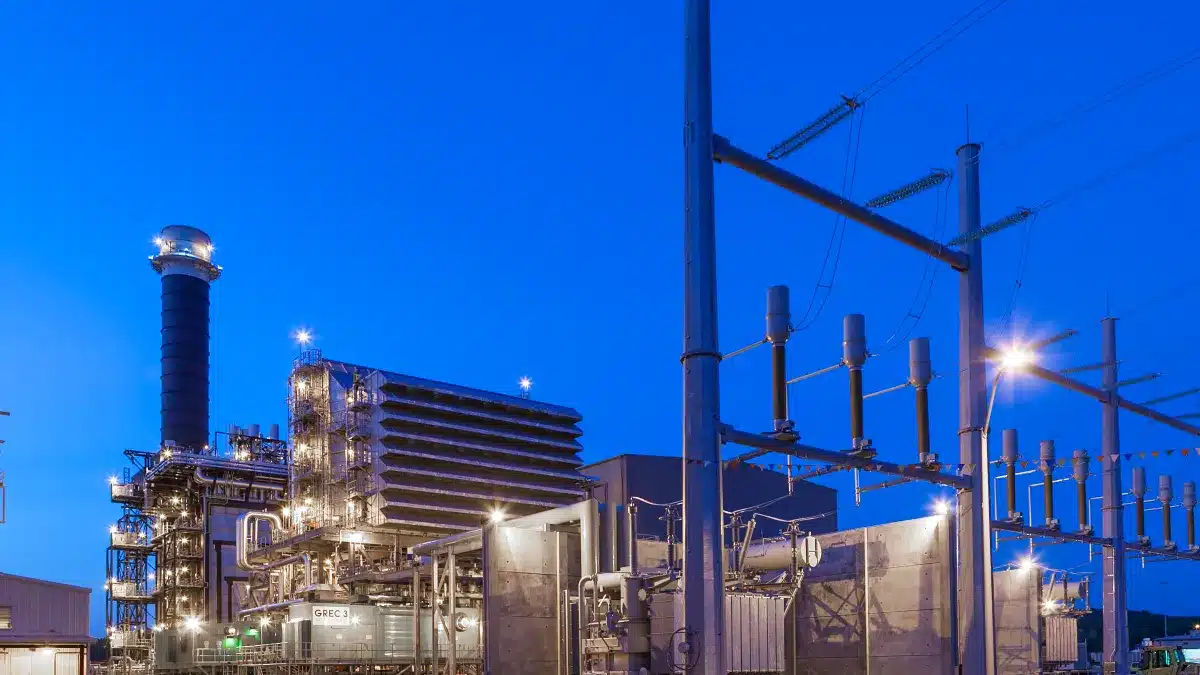
The electricity sector in Nigeria is often characterized in terms of the milestones in the peak electric generating capacity. On paper, Nigeria’s installed electric generating capacity is estimated to be in the range of 13,000-14,000 megawatts (MW). However, the actual electric supply generated is rarely more than 5,500-6,000 MW. This is due to issues in transmission, gas supply, maintenance outages, and distribution.
In June 2025, the country’s Minister of Power, Adebayo Adelabu, said that Nigeria had reached an all-time peak generation figure of 5,801MW, along with a record daily energy production figure of 120,370 megawatt-hours, which represented the highest single-day consumption ever attained by the country.
The achievement was a positive development in the incremental progress of the power grid.
However, it is important to contextualize the achievement.
In South Africa, which has a population of just over 63 million, more than 50,000MW of installed capacity exists. Egypt’s power demand stands at over 59,000MW. Nigeria, with over 200 million people, is only using a fraction of its estimated power demand.
This disparity suggests that there is a difference of more than just a generation. It implies that there are underlying inefficiencies in the value chain, including the supply of gas, the wheeling capacity of the transmission system, and the losses in the distribution system.
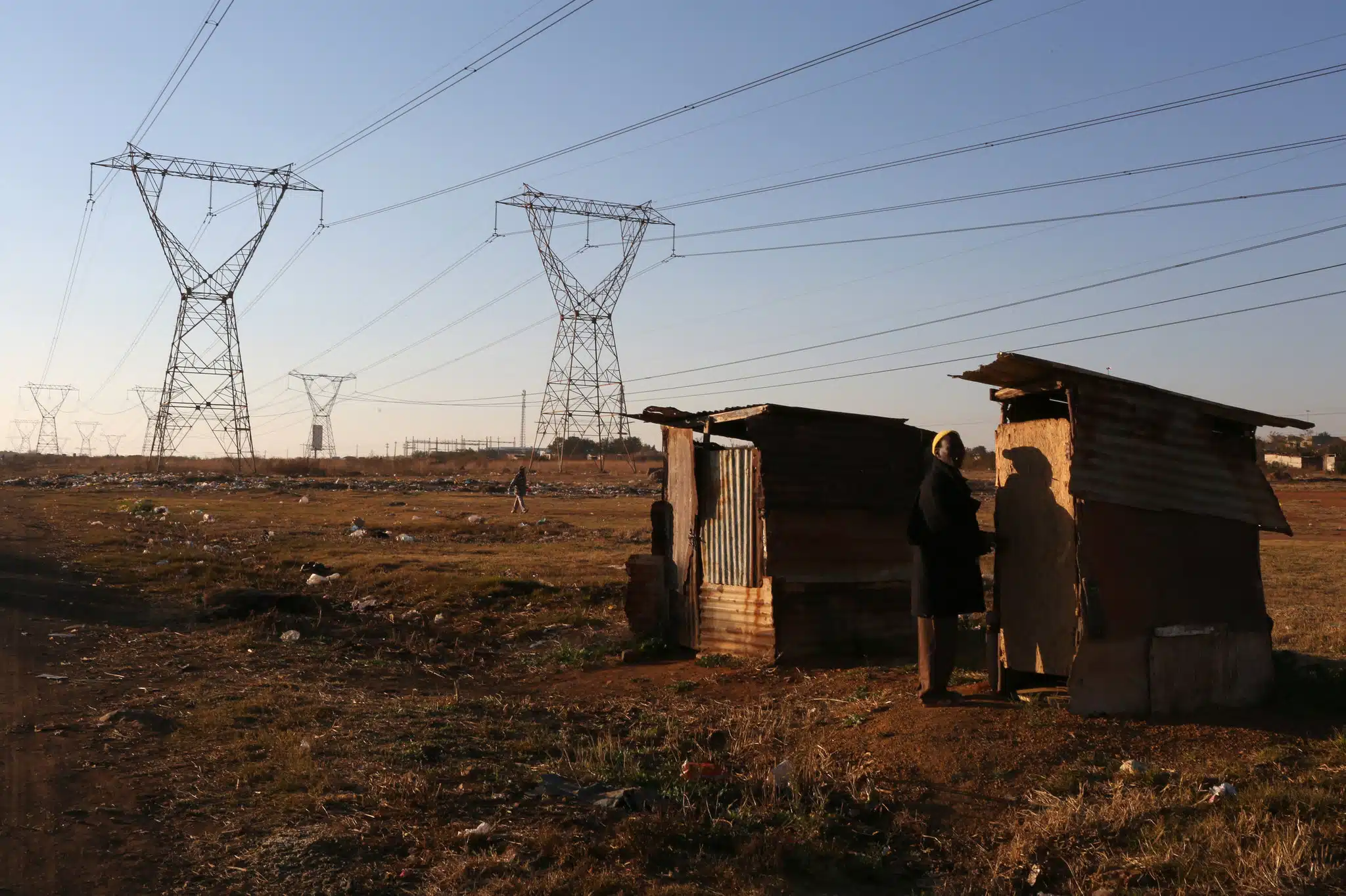
More fundamentally, official grid statistics understate actual national demand. A significant share of Nigeria’s economic activity operates outside the central grid.
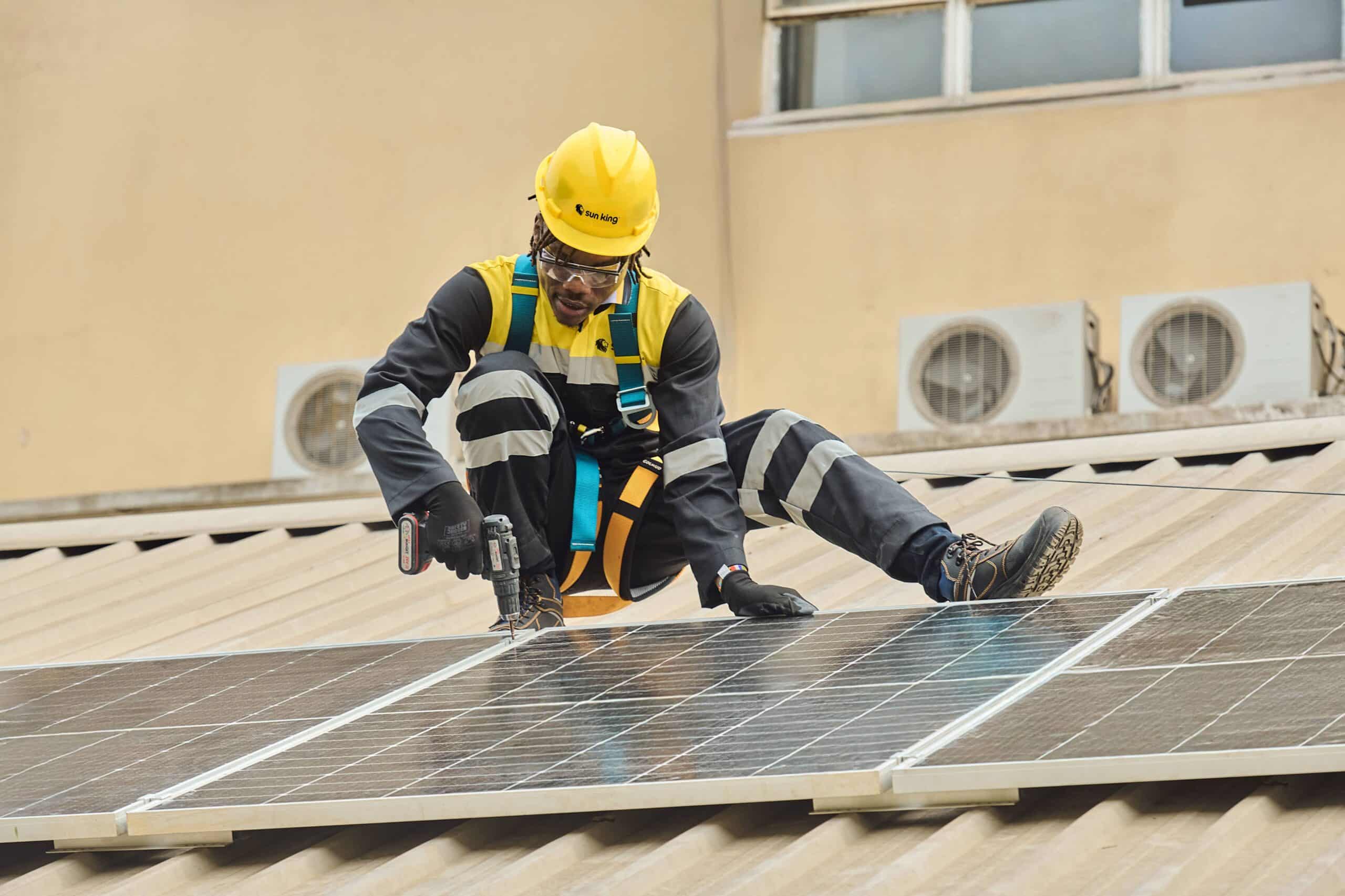
Manufacturing and commercial clusters heavily depend on diesel and gas-fired captive plants. Small and medium-sized industries depend on petrol generators. The high-income segment is now increasingly using rooftop solar with battery storage systems.
What emerges here is a double economy in terms of electricity: one that exists in official statistics, and another that exists privately at considerable cost. The financial and productivity implications of that parallel system are profound.
Nigeria’s grid fragility and collapse cycle
Meanwhile, Nigeria has witnessed a number of system collapses within its grid system in recent years. Despite reports of relative stability within Nigeria’s grid system, it is still susceptible to system failure.
On the 27th of January 2026, Nigeria witnessed a collapse in the grid system twice within a space of four days, resulting in millions of Nigerians going into darkness. This became the third collapse in less than a month, with the first one happening on the 29th of December 2025 and the second on the 23rd of January 2026.
Grid failures are not new to Nigeria. The country witnessed at least 222 cases of partial and total collapse between 2010 and 2022. The country also witnessed 12 more cases between 2024 and 2025.
The grid collapse of January 2026 was particularly dramatic because just a few weeks prior to the grid collapse, the country’s Minister of Power, Adebayo Adelabu, in his New Year message to Nigerians in 2026, announced the end of grid collapses.
“Our focus remains unshakable: to deliver reliable, accessible, and sustainable electricity to power our homes, industries, and dreams. The path forward is built on continuity and renewed vigour,” he said.
Adelabu provided details on plans for 2026, which include “enhancing grid stability and expanding our transmission infrastructure to minimize disruptions,” stepping up engagement with distribution companies to deliver better services, and making sure that “our metering initiative reaches every community.”
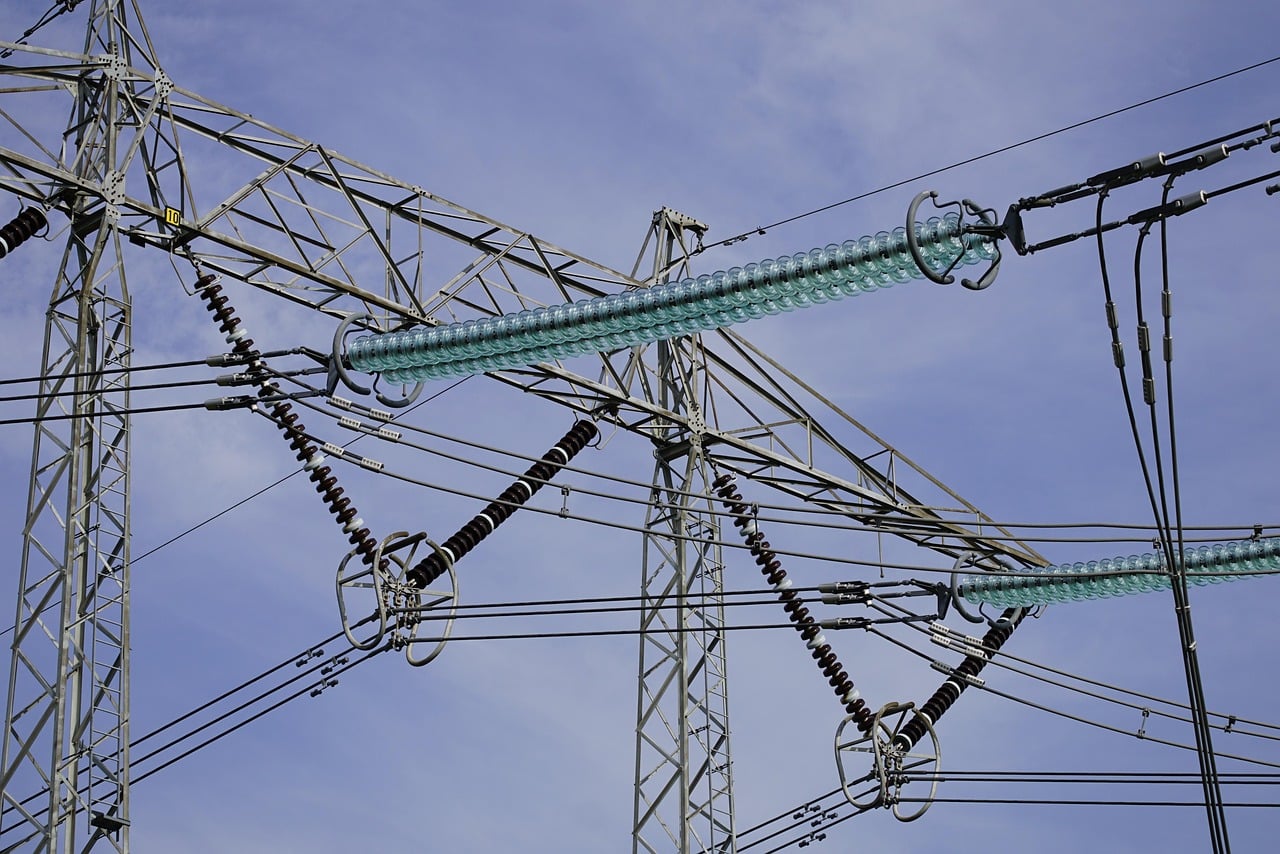
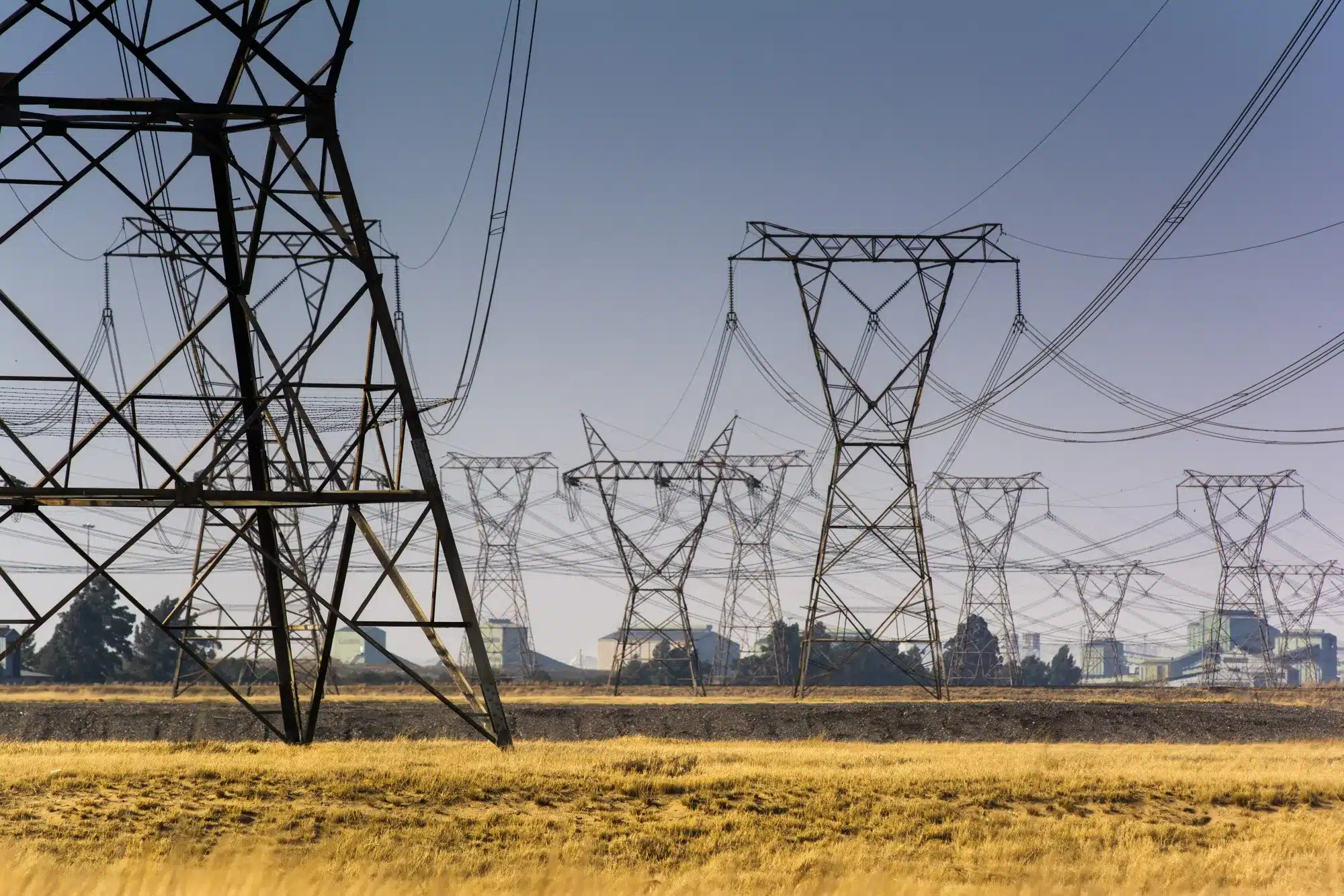
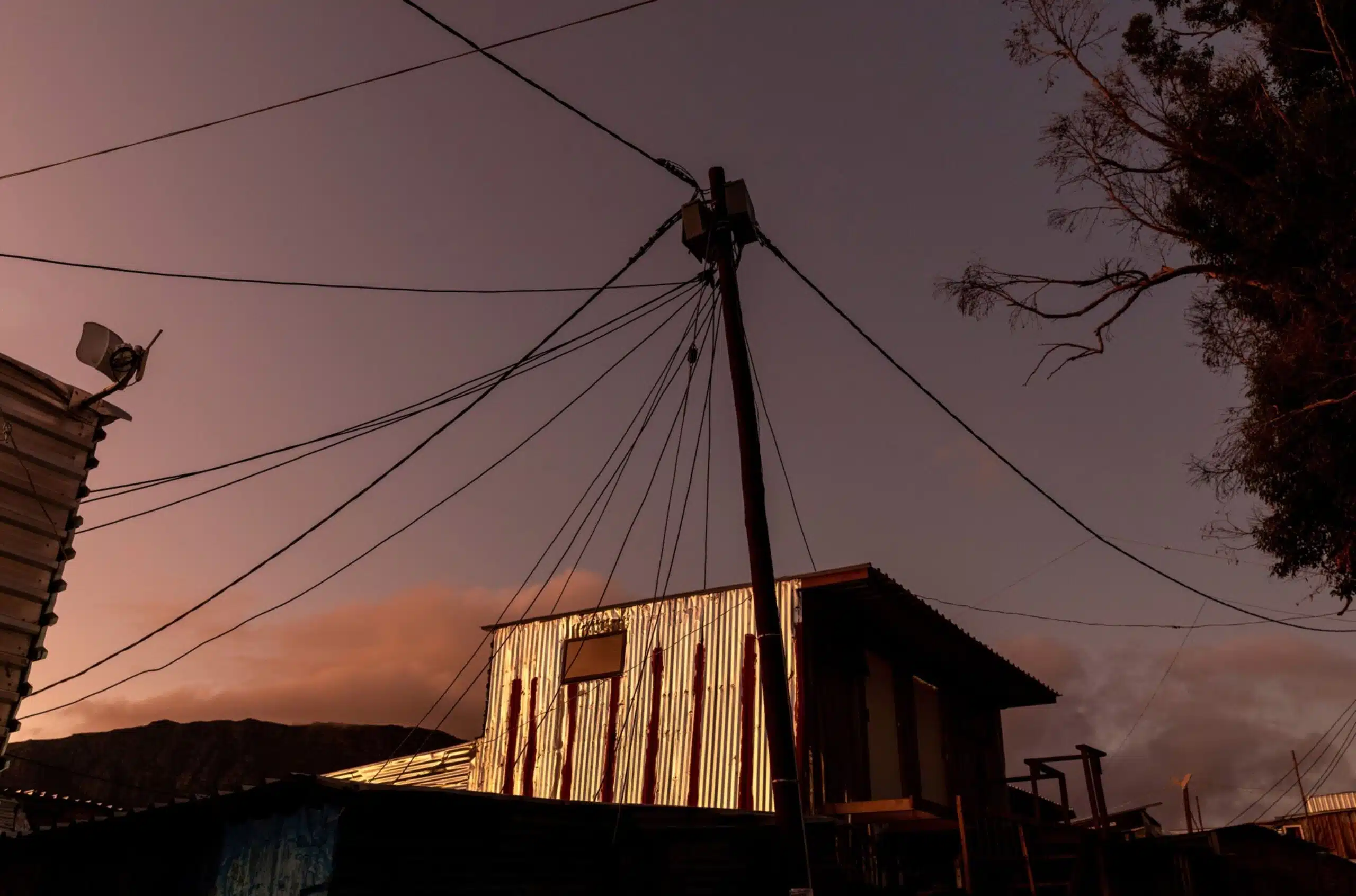
The repetition of these failures underscores the weakness in Nigeria’s centralized grid infrastructure.
Unlike advanced grids equipped with spinning reserves, automated balancing, and storage capacity, Nigeria’s network operates with limited redundancy. Even moderate generation losses can cascade rapidly into nationwide shutdowns.
In most advanced electricity systems, frequency deviations or sudden generation outages are absorbed through spinning reserves, automated balancing mechanisms, and storage.
On the other hand, the Nigerian grid operates with little redundancy and small margins of stability. The IEA’s focus on flexibility and resilience thus echoes especially in these circumstances.
The world’s electricity grids are moving towards decentralization. Such transitions require robust grid management. However, the immediate question for Nigeria is to first stabilize the centralised backbone before adding complexity to it.
Renewable integration and the flexibility question
The IEA forecast shows that the majority of the incremental electricity generated globally up to the year 2030 will come from renewable energy sources.
Nigeria has tremendous solar power potential, especially in the northern part of the country, with the irradiance level being one of the highest in the world.
There have been several utility-scale solar power projects announced over the last decade or so. However, the implementation of these projects has not been smooth, with several projects facing delays.
At the distributed level, the picture is clearer. Mini-grid operators have expanded into underserved rural communities. Solar home system providers are scaling rapidly. These decentralized systems decrease the reliance on the national grid and increase access.
However, there are also complexities that come with the integration of large-scale renewable energy systems. This is due to the fact that renewable energy sources, such as wind and solar power, are intermittent and require storage facilities.
It is for this reason that the IEA highlighted the need to enhance the level of flexibility in the grid.
The situation with the expansion of renewable sources can only add to the problems without significant investment in infrastructure.
On the other hand, if well-integrated, the infrastructure can alleviate the situation with the central grid while hastening the pace of electrification.
Nigeria in the African context
Nigeria is not alone in confronting electricity constraints amid rising demand. Africa is experiencing rapid urbanisation and industrialisation, and the grid systems are being put to the test.
Kenya has leveraged the geothermal energy to achieve a high level of renewable energy production. Egypt has developed large-scale solar and wind farms and upgraded its grid systems. South Africa is accelerating private generation reforms to supplement Eskom’s struggling power plants.
Nigeria’s comparative advantage is market size. Its population and economic size create both opportunity and complexity. Decentralised reform model under the Electricity Act could, if implemented effectively, create multiple regional power markets.
But regulatory inconsistency across states may also introduce investor uncertainty.
The IEA’s projection that global grid investment must rise by 50% by 2030 places Nigeria’s challenge in sharper relief. Generation expansion without transmission reinforcement risks stranded assets. Transmission upgrades without distribution reform risk revenue bottlenecks. However, tariff reform without social safeguards could trigger a political backlash.
Development finance institutions globally have assisted Nigeria in the power sector with technical and financial support.
However, to finance this investment to meet the increasing demand, there is a need to raise more capital, which includes private equity, pension funds, and sovereign partnerships.
Policy credibility, regulatory stability, and the ability to enforce contracts are critical to attract this capital. Compared with other countries, Nigeria’s reform path is ambitious. Its implementation capacity remains the key test.
Security, resilience and system modernisation
Beyond generation and finance, there is a larger question of resilience. The IEA emphasises that grid security will be a major priority as electricity becomes a more central player in the national economy.
Nigeria’s transmission system has suffered from acts of vandalism and sabotage. Cyber security is also a growing concern as digital management of the grid increases. Weather patterns add another layer of stress to the system due to floods and other extreme weather occurrences.
In terms of modernising the grid, the physical system and the institutions that manage it have to be built up. Regulatory bodies have to be empowered to enforce standards. Operators must deploy advanced monitoring systems. Investment should be aligned to long-term demand forecasts, not short-term political cycles.
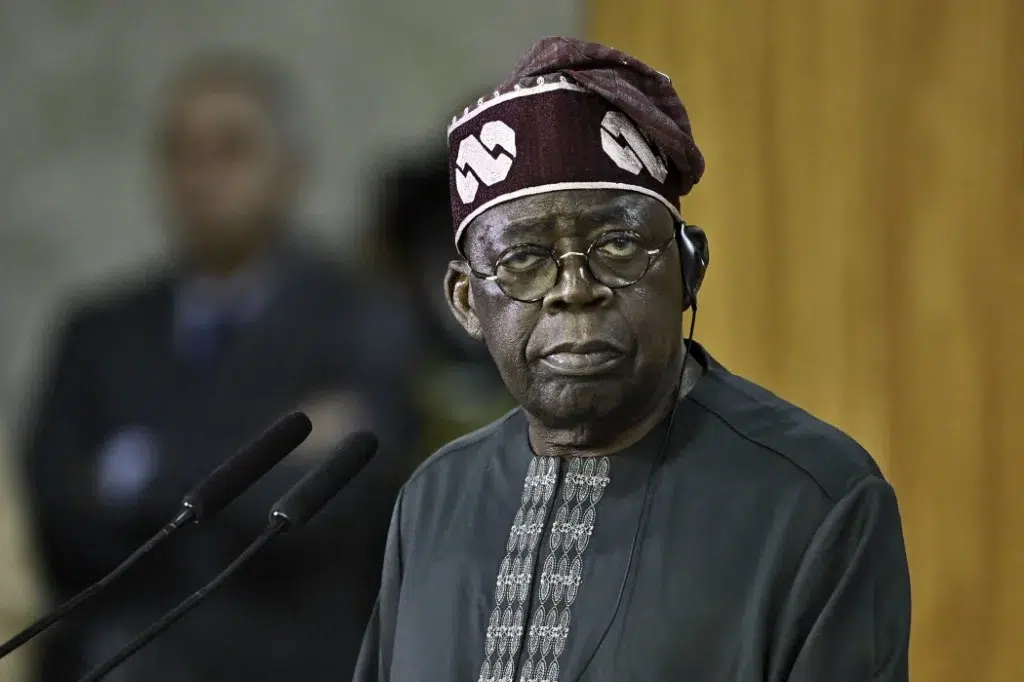
The Minister, Adelabu, has stated that improvements are being seen in the sector, and that improvements in grid stability are a function of reform momentum. However, long-term sustainability would depend on the continued capital investment, disciplined governance, and transparent oversight.
A decisive decade for Nigeria
Electricity is no longer just a public utility. It is the base upon which digital economies, industrial competitiveness, and climate strategies are built.
Nigeria is at a crossroad. It has passed legislative reforms, achieved periodic generation thresholds, and promoted distributed renewable energy solutions. However, structural weaknesses persist.
With the world’s electricity supply growth accelerating towards 2030, only those who have modernised their grids, stabilised their regulation, and secured their financing will benefit from the investment inflows. Those who have not will only see the distance widening.
Nigeria electricity supply challenge is not just a technical one but an institutional, financial, and political challenge.
Will Nigeria succeed in the next five years? If it does, electricity supply can be the catalyst for its economic transformation. If it fails, rising global demand may simply underscore domestic shortfall.
The rise in global demand for electricity is a phenomenon that cannot be avoided.
The question of whether Nigeria can meet her own increasing demands is a question for the future, one that will shape the country’s economic trajectory for decades.