
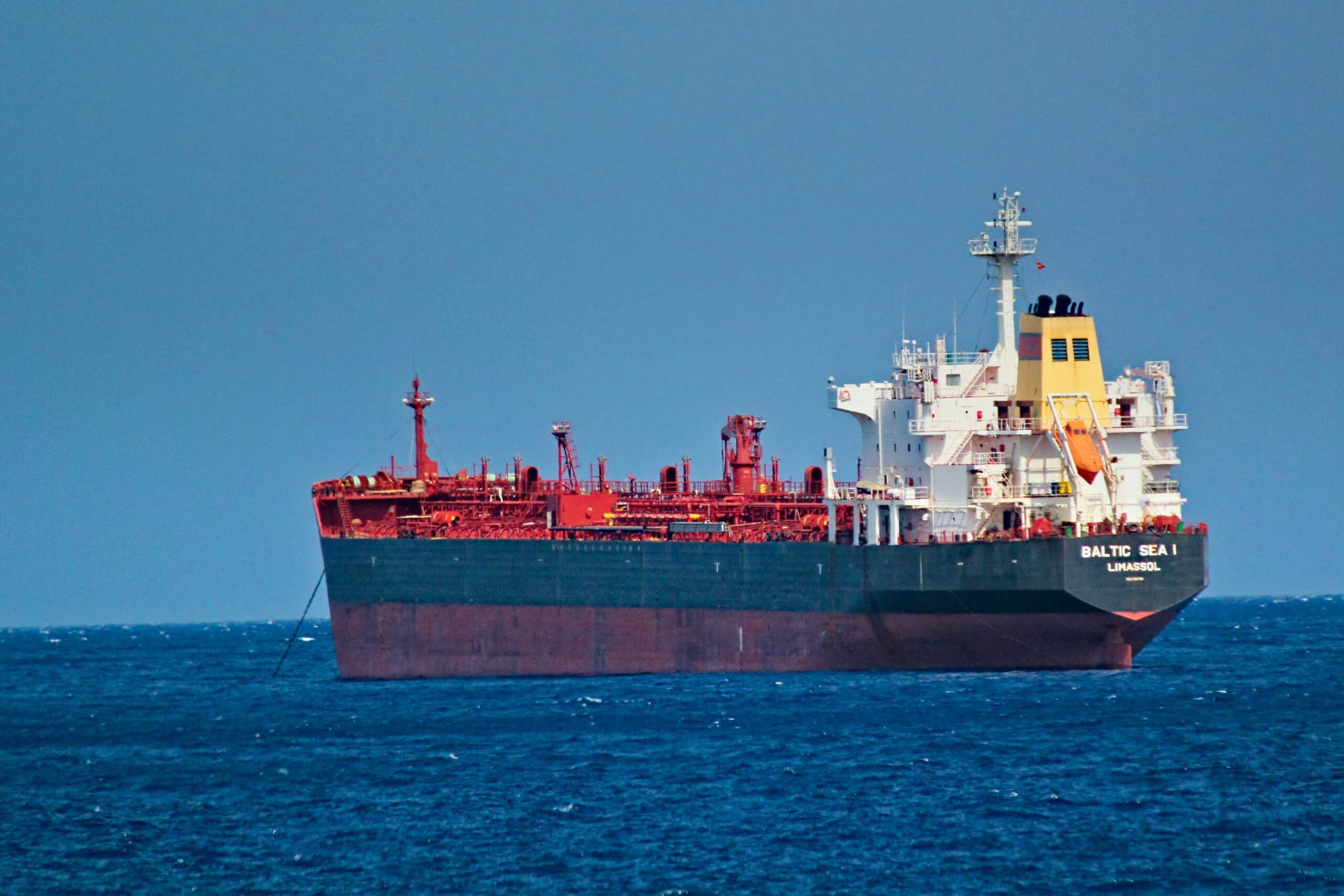


When conflict escalates in the Middle East, the first reactions often come from global oil markets. Prices jump, shipping insurance costs rise, and governments begin assessing supply risks.
For Africa, these moments carry a deeper significance. The continent may be rich in crude oil and natural gas, but much of its energy system remains tied to external supply chains that stretch through the Gulf.
The Middle East remains one of the world’s most important energy corridors.
According to the International Energy Agency (IEA), the region accounts for roughly a third of global oil production.
It hosts critical infrastructure that moves petroleum products to markets across Europe, Asia and Africa. Any disruption in that system, whether through attacks on facilities, shipping disruptions or regional instability, sends immediate ripples across global energy trade.
For African economies, those ripples can quickly turn into waves. Many countries on the continent still depend heavily on imported refined fuels, even when they produce crude oil locally.
Supply chains linking African ports to refineries in the Gulf mean geopolitical tensions thousands of kilometres away can shape energy costs in Lagos, Nairobi or Accra.
Recent tensions in the Middle East have once again highlighted structural realities in Africa’s oil and gas trade. They reveal not only the continent’s exposure to global supply shocks, but also the deeper weaknesses in refining capacity, currency stability and energy planning.
Six key lessons stand out
1. Africa remains heavily dependent on imported refined fuel
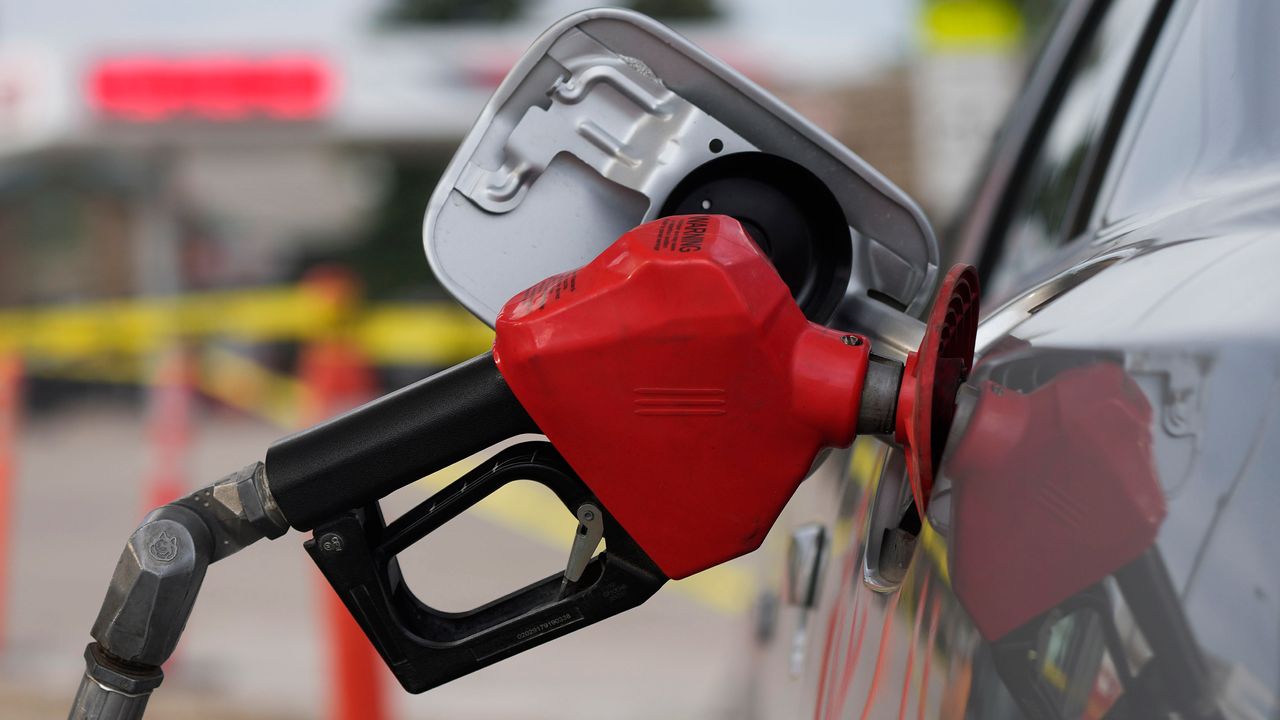
Despite holding significant hydrocarbon reserves, Africa imports a large share of the refined petroleum products it consumes.
Countries such as Nigeria, Angola and Algeria export crude oil but have historically lacked sufficient refining capacity to meet domestic demand. As a result, petrol, diesel and aviation fuel are frequently shipped in from refineries in the Middle East, Europe or Asia.
According to reports, the continent imports more than 60 percent of its refined fuel needs. This structural imbalance creates a paradox in which oil-producing nations remain vulnerable to international supply disruptions.
The reliance on imports has deep historical roots. Many African refineries built in the 1970s and 1980s struggled with underinvestment, poor maintenance and inefficiencies.
Over time, several facilities operated below capacity or shut down altogether, forcing governments and traders to rely increasingly on imported products.
When global supply chains tighten, African markets feel the impact quickly. Shipping costs increase, delivery schedules shift, and prices at local fuel depots rise.
During previous global energy disruptions, including those linked to geopolitical tensions in Europe and the Middle East, African importers faced steep increases in fuel bills. Governments often responded with subsidies or tax adjustments to cushion consumers, but such measures place pressure on already strained public finances.
The structural lesson is clear. Until refining capacity expands significantly within Africa, the continent will remain exposed to global supply shocks.
2. East Africa is likely to feel the strongest impact
While the effects of global supply disruptions can reach across the continent, East Africa is particularly sensitive to changes in Middle Eastern fuel flows.
Kenya plays a central role in this dynamic. The country imports the majority of its refined petroleum products from international suppliers, many of which are based in the Gulf.
Fuel arriving at Kenya’s port of Mombasa is then transported inland to neighbouring countries such as Uganda and parts of Tanzania through regional distribution networks.
This arrangement means Kenya functions as a supply hub for much of the region.
When supply routes from the Middle East face disruption or insurance costs for tankers rise, the consequences can ripple across East Africa’s energy markets. Delays in shipments or increases in cargo costs can translate into higher pump prices across several countries simultaneously.
Uganda, for instance, relies heavily on imported fuel transported through Kenyan infrastructure. Although the country is developing its own oil industry, commercial production has yet to begin.
Until domestic output materialises, Uganda remains dependent on regional supply chains tied to global markets.
Tanzania faces a similar reality in certain segments of its fuel market.
These interconnected systems mean regional energy security is closely linked to stability in global shipping lanes and refinery operations far beyond Africa’s shores.
3. Local refining capacity offers the only real buffer
If global supply disruptions reveal Africa’s vulnerability, they also highlight one of the most obvious solutions: expanding local refining capacity.
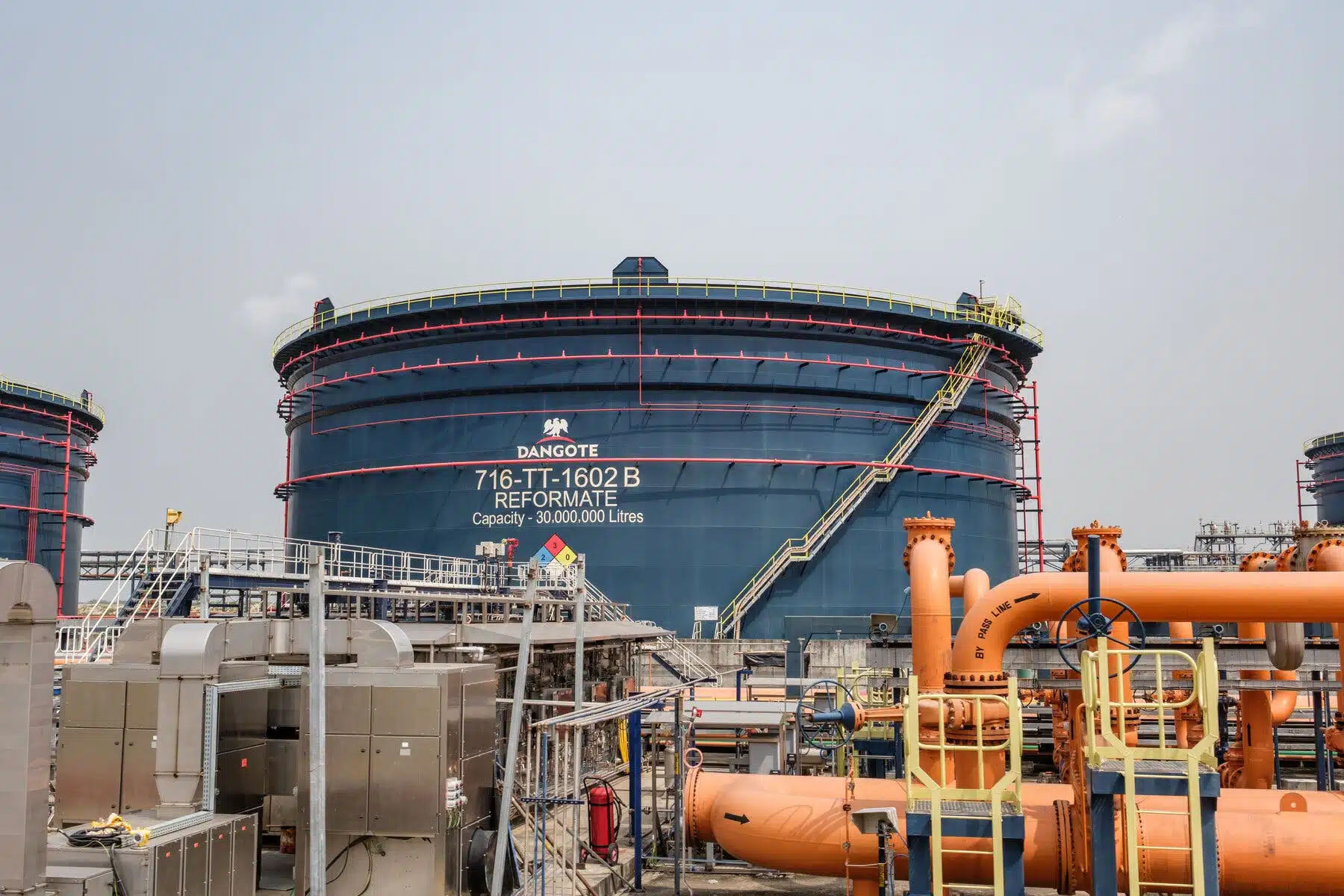
For instance, Nigeria’s Dangote refinery provides a clear example of what such investment could mean for energy security. With a processing capacity of around 650,000 barrels per day, the refinery is largest single-train facilities in the world.
Since beginning operations, it has started supplying refined petroleum products into Nigeria’s domestic market.
While the full impact of the refinery will unfold gradually, its existence already demonstrates the potential benefits of domestic processing. Instead of exporting crude and importing refined fuel, countries can process their own hydrocarbons and reduce dependence on external supply chains.
The concept is not new. Several African countries have explored refinery expansion projects in recent years. Angola has invested in new refining infrastructure, while countries such as Senegal and Ghana have examined plans to upgrade or expand their own facilities.
However, building refineries requires significant capital investment and a stable regulatory environment. Many previous projects stalled due to financing challenges or policy uncertainty.
The Dangote refinery, therefore, represents not only an industrial milestone but also a signal of what strategic infrastructure can achieve.
If replicated elsewhere, similar projects could transform Africa’s energy resilience.
4. The dollar still dictates Africa’s oil pricing
Another reality highlighted by Middle Eastern conflicts is the role of currency in shaping Africa’s energy costs.
Oil and petroleum products are traded globally in US dollars. This means African importers must purchase fuel using foreign currency, often drawing from limited reserves.
When the dollar strengthens, or local currencies weaken, fuel imports become more expensive even if global oil prices remain stable.
For countries already managing debt pressures or foreign exchange shortages, this dynamic can amplify the impact of global disruptions.
For example, a rise in global oil prices combined with a weaker domestic currency can significantly increase the cost of fuel imports. Governments may face difficult decisions about whether to pass these costs on to consumers or absorb them through subsidies.
The result is often a delicate balancing act between economic stability and political pressure.
The dollar’s dominance in oil pricing, therefore, acts as an additional layer of vulnerability for African economies during periods of geopolitical tension.
5. Imported inflation continues to shape energy costs
Energy costs rarely remain confined to fuel markets. When petroleum prices rise, the effects cascade through broader economies.
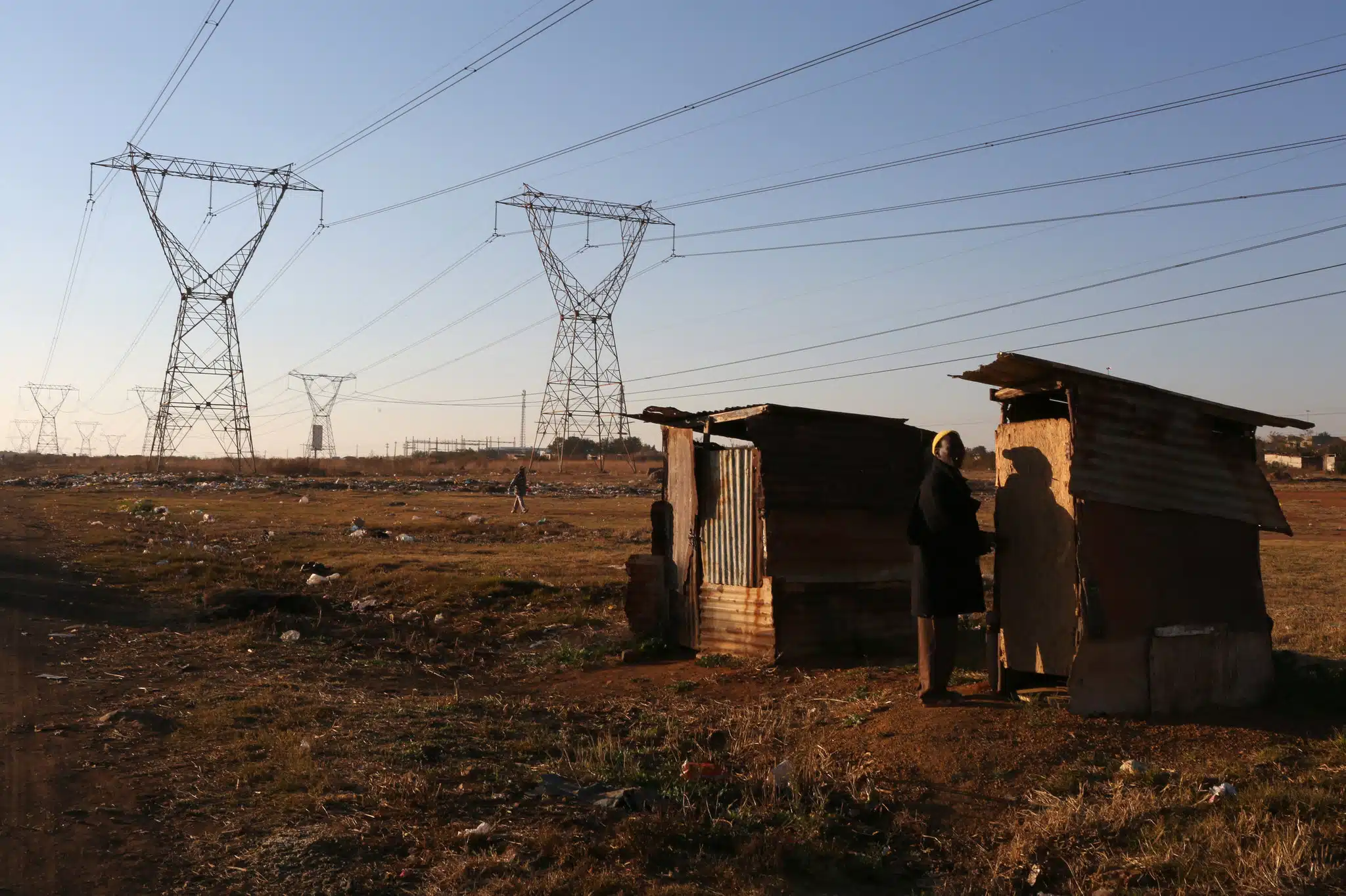
Transport costs increase as diesel prices climb. Food prices may rise due to higher logistics expenses. Electricity tariffs can also increase in countries that rely on fuel-based power generation.
The World Bank has frequently noted that energy price shocks play a significant role in inflation dynamics across developing economies. For Africa, where energy systems remain sensitive to imported fuel prices, these shocks can be particularly pronounced.
In countries where governments attempt to cushion consumers through subsidies, the fiscal impact can be substantial.
Fuel subsidies have historically been among the largest public expenditures in several African economies. When global oil prices spike due to geopolitical tensions, subsidy costs rise sharply.
Reducing subsidies can provoke public backlash, while maintaining them strains government budgets.
This cycle illustrates how global energy disruptions translate into domestic economic challenges.
6. Africa needs stronger strategic fuel storage
One of the most overlooked aspects of energy security in Africa is strategic fuel storage.
Many countries on the continent maintain relatively small petroleum reserves, often sufficient for only a few weeks of consumption. This leaves markets vulnerable to sudden supply disruptions or shipping delays.
Strategic storage facilities provide a buffer against such shocks. By maintaining larger reserves of fuel, governments can stabilise supply during periods of disruption and prevent sudden price spikes.
Several countries outside Africa maintain strategic petroleum reserves designed to protect against global supply interruptions. The United States and members of the International Energy Agency, for example, maintain emergency oil stocks that can be released during crises. Africa’s strategic storage capacity remains limited by comparison.
Expanding storage infrastructure could enhance resilience across the continent’s energy markets. Such investments would allow governments to respond more effectively to disruptions in global supply chains.
Key takeaway: a broader lesson for Africa’s energy future
The latest tensions in the Middle East serve as a reminder that Africa’s energy landscape is deeply connected to global markets.
Producing crude oil is only part of the equation. The ability to refine fuel domestically, manage currency risks, maintain strategic reserves and diversify supply chains plays an equally important role in energy security.
Conflicts in distant regions expose vulnerabilities that already exist within Africa’s energy systems.
At the same time, they highlight opportunities for reform.
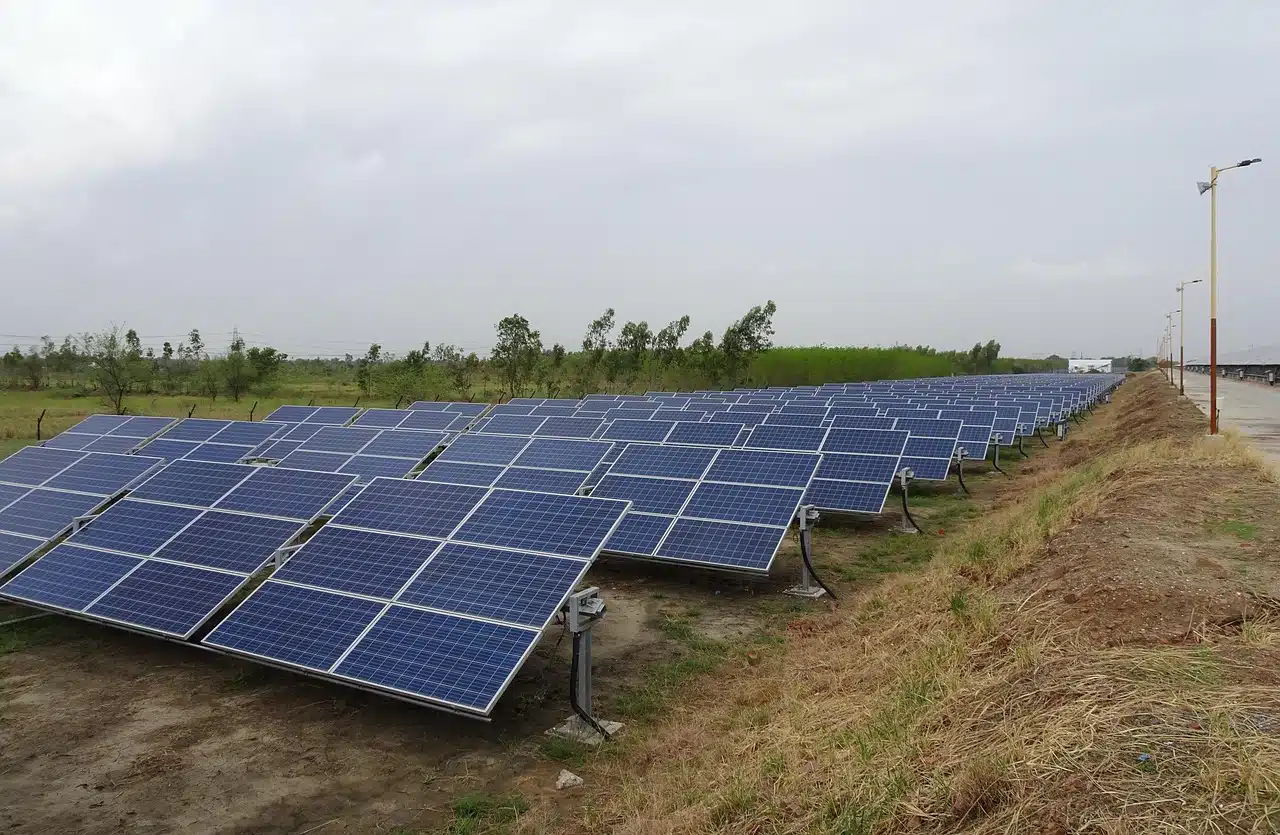
Investments in refining capacity, stronger regional cooperation and improved infrastructure could reduce dependence on external supply chains. Policies that support currency stability and energy diversification can also strengthen resilience.
Africa’s long-term energy strategy will therefore depend not only on the resources beneath its soil, but also on the systems built to manage them.
The lessons from Middle Eastern conflicts are clear. Energy security in Africa is not simply about producing oil or gas. It is about building the infrastructure, institutions and resilience needed to withstand global shocks.