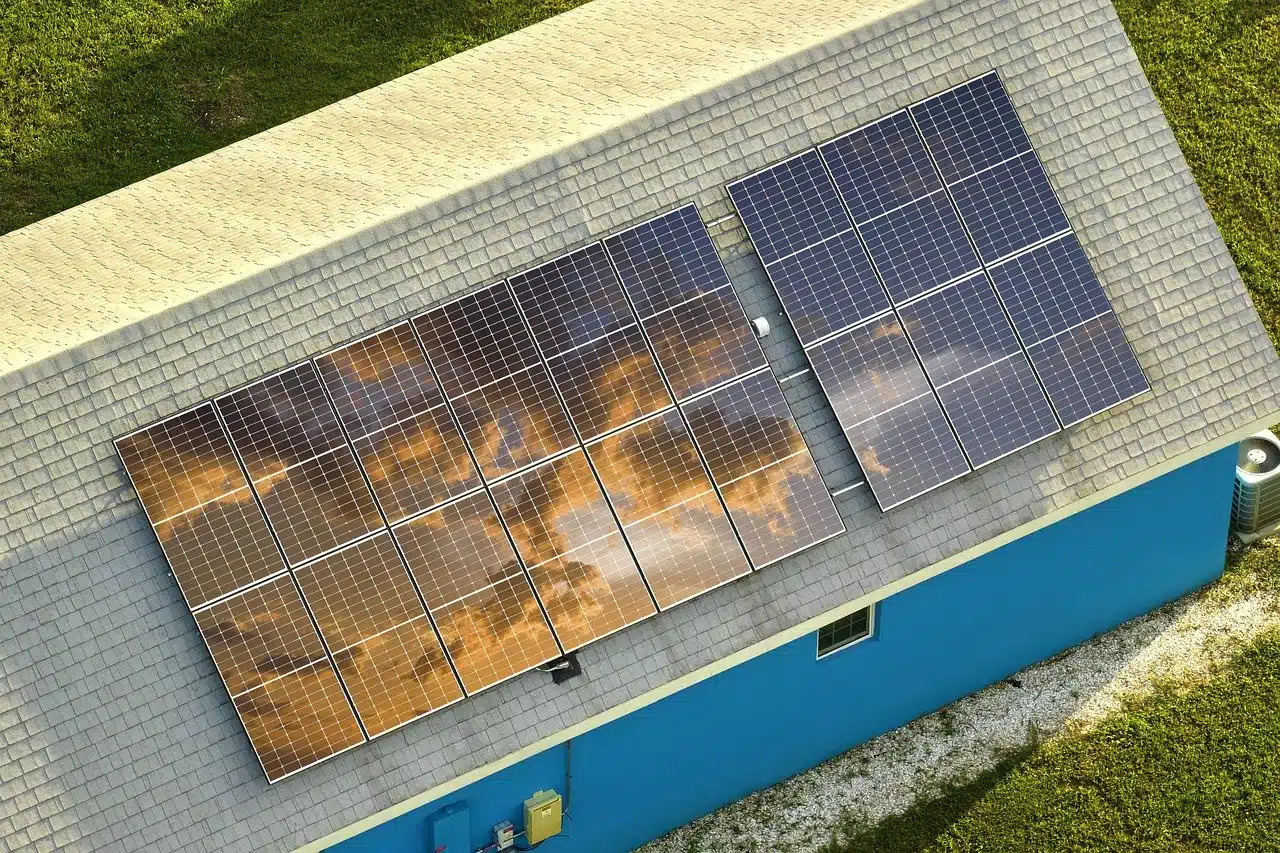

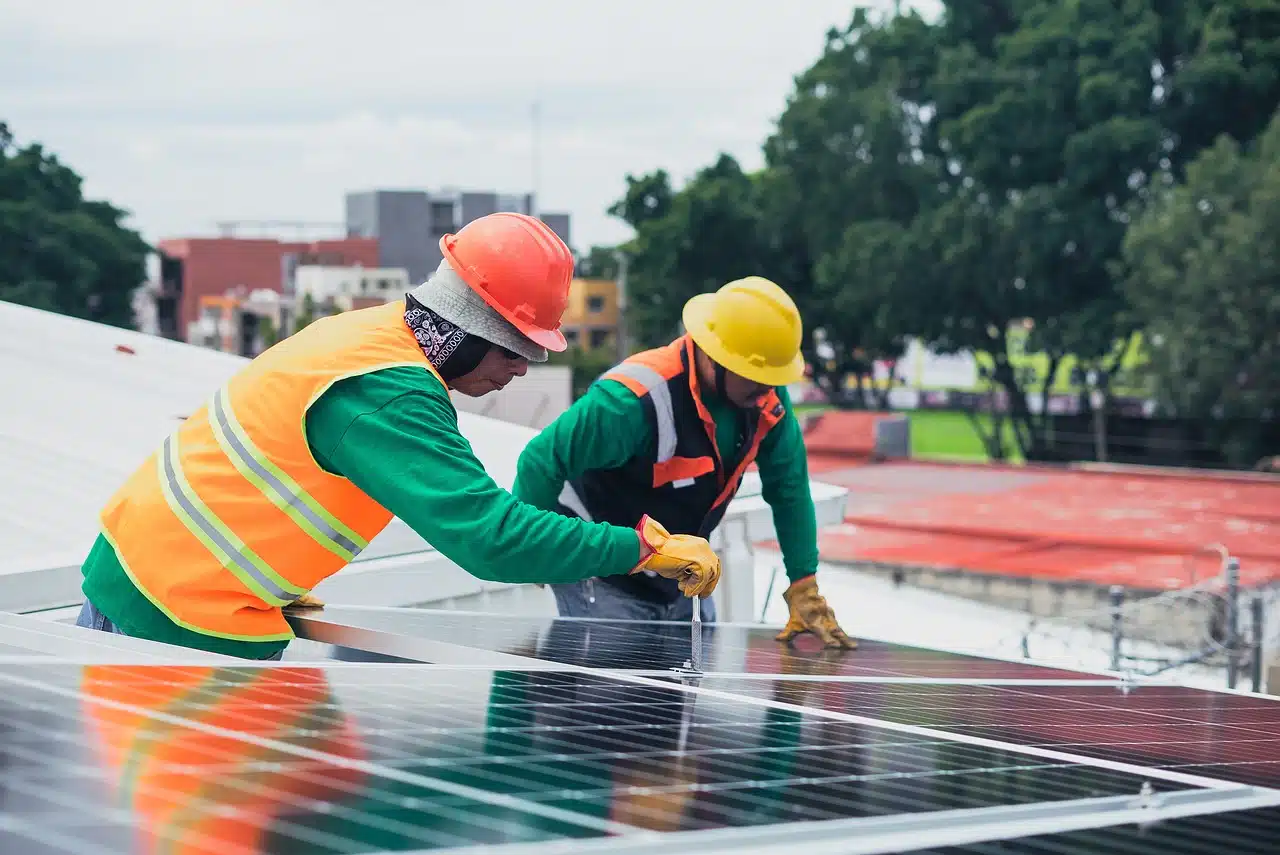


Solar energy has emerged as the largest recipient of Africa’s $3.8 billion in investments in 2025, underscoring a shift in sector priorities after the 2022–2023 market correction.
The figures are contained in the newly released Briter Intelligence Africa Investment Report 2025, obtained by Energy in Africa on Monday.
According to the report, total investment into the continent surged 32% year on year, while the number of announced deals rose by 8%.
It added that clean energy startups, including e mobility and solar installation firms, overtook fintech in fundraising, as capital was redirected to clean energy for the first time.
“African companies disclosed $3.8 billion in funding in 2025, with volume up by 32% and the number of announced deals rising 8% year on year,” the report said.
“Solar energy was the top-funded category in 2025, reflecting increased investor focus on infrastructure-like clean tech models with predictable returns.”
Solar energy ranked first among all investment categories. Briter attributes this to increased investor focus on “infrastructure-like clean-tech models with predictable returns.”
Four African nations dominate funding
Meanwhile, geography remained a key determinant of investment flows. The Big Four markets — South Africa, Kenya, Egypt and Nigeria — accounted for 84% of disclosed funding in 2025.
South Africa led with 32% of total disclosed capital, followed by Kenya at 29%, Egypt at 15% and Nigeria at 8%. While these markets continue to anchor deal activity and capital concentration, Briter notes shifting roles within the group.
“The Big Four raised the most funding: South Africa (32%), Kenya (29%), Egypt (15%) and Nigeria (8%). Nigeria recorded its lowest funding share since 2019 but the highest number of deals in 2025,” the report read in part.
Nigeria recorded its lowest funding share since 2019 but had the highest number of deals announced in 2025. The report also points to early signs of broader participation beyond the main hubs, though overall capital concentration remains high.
Larger deals drive funding
Briter’s data shows a growing concentration of funding at the top end of the market. Fewer than 5% of deals exceeded $50 million, yet these accounted for half of all disclosed funding.
“Funding is becoming structurally more uneven across stages. Growth capital is increasingly concentrated while early-stage finance and the middle remain fragmented and fragile,” the report states
In the report, even after excluding deals above $100 million, the average deal size reached its highest level since 2018. Equity remained the dominant funding instrument in 2025. However, debt financing surpassed $1 billion for the first time in a decade.
It also examines the growing role of non-Western capital. Japan and Gulf Cooperation Council countries are identified as increasingly important sources of investment for African companies.
Challenges remain despite growth
The report shows persistent structural challenges. Less than 10% of funding went to companies with at least one female founder in 2025, continuing the gender gap trend.
Briter also observed that, compared with other emerging markets, Africa’s investment landscape is notably more diverse, particularly in debt financing. However, it remains heavily concentrated in a handful of markets and business models, with exit opportunities still limited across the continent.
The findings form part of what Briter describes as a broader post-correction stabilisation of Africa’s investment ecosystem, offering insight into how capital allocation patterns are evolving after the 2022–2023 downturn.