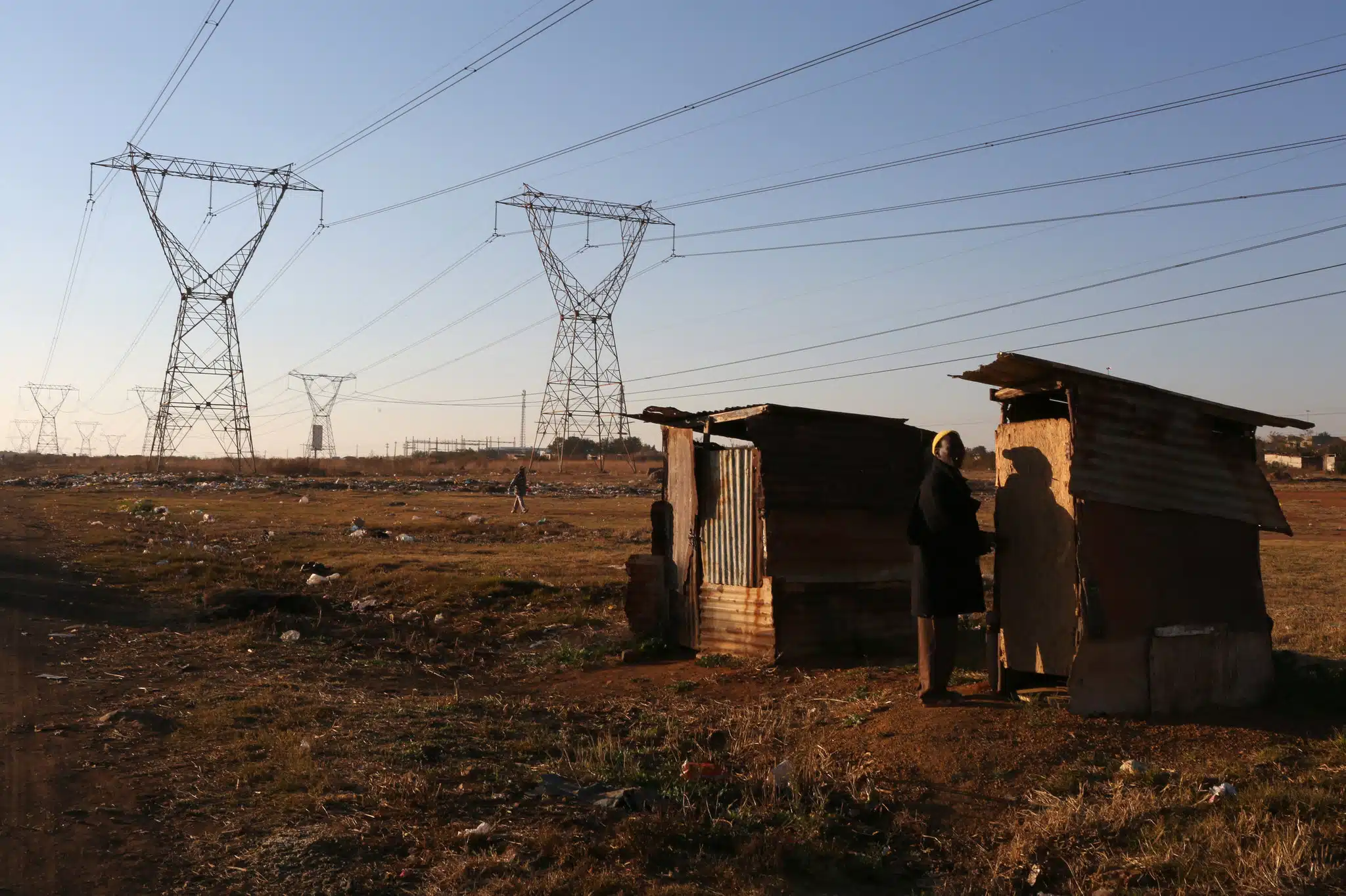



Back in 2022, Eskom, South Africa’s state-backed utility, came under intense international scrutiny. The company was hit by allegations of corruption and political interference, alongside repeated load shedding that plunged South African homes and businesses into darkness.
During this period, a myriad of South Africans began to grasp the importance of solar energy adoption. As load shedding ravaged homes, small businesses, industries, commerce, and the wider economy, many South Africans turned to solar installations.
Renewable energy lobbyists argued that the crisis exposed the limits of the country’s ageing coal plants and made a stronger case for a shift toward cleaner energy. The logic was hard to ignore.
But a lot has changed since 2022.
From crisis to recovery: Eskom’s story
Eskom is no longer in crisis, or at least the utility challenges have subsided significantly.
The government, for instance, passed a Debt Relief Act (2023) that provided about R254 billion ($14.5 billion) to reduce the financial pressure on Eskom’s balance sheet. Some municipal arrears were also written off.
By 2024, the firm had returned to profit after eight years of posting losses.
On the part of load rejection, South Africa revamped coal plants. The government also poured money into transmission lines, power infrastructure, and other electricity projects that enabled it to sustain itself even during its popular winter blackout.
The politics changed from a call for renewable energy projects to revamping coal plants. Eskom was largely able to maintain supply. Load shedding dropped sharply, and load rejection became far less frequent.
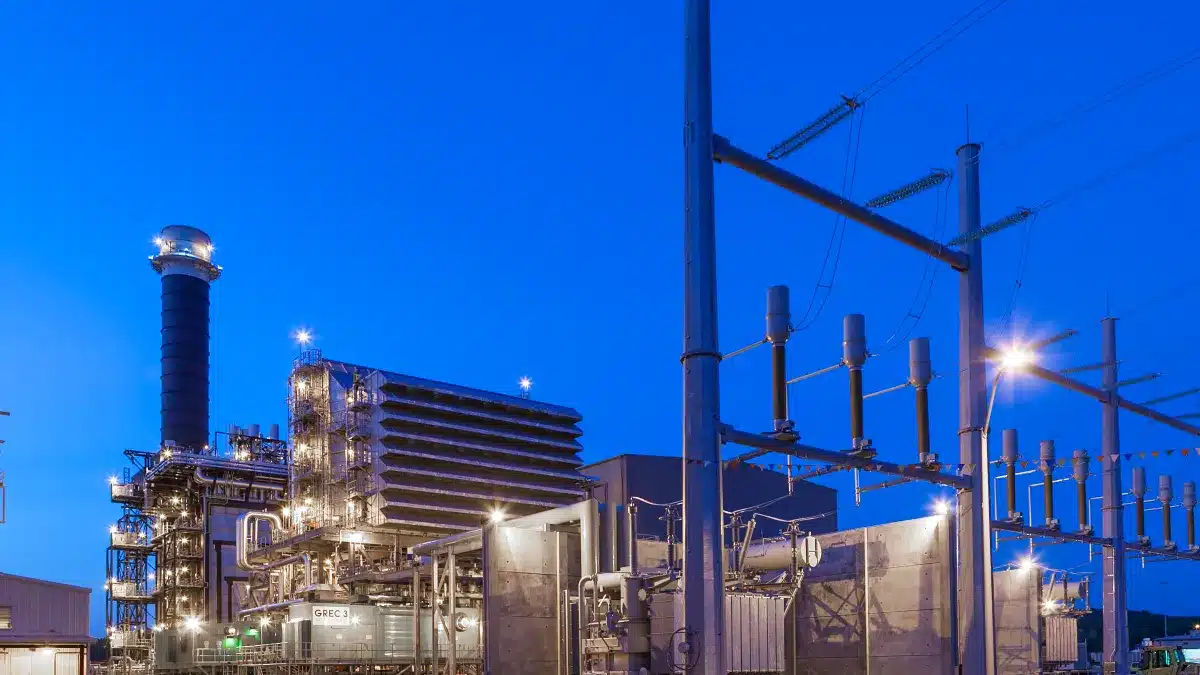
What this has meant in practice is renewed confidence in existing generation assets. Major stations such as Kusile and Medupi were ramped up after fixes, while Koeberg, South Africa’s nuclear plant, returned additional capacity to the grid after maintenance.
The recovery has strengthened the case, at least in the short term, for extending and reinvesting in legacy power plants even as the debate for energy transition loses momentum.
On his part, Eskom’s CEO, Dan Marokane, said the company was no longer operating on emergency footing.
“We will now maintain and build upon these early gains through a rigorous focus on operational reliability and sustainability. It has been ‘short-term pain for long-term gain,’ and I would like to thank the country for its understanding and support, as well as our employees for continuing to deliver on our strategy,” Marokane said.
The ‘strategy’ here isn’t mounting more wind energy farms, planting solar stations, or any renewable energy marker. Rather, it’s making sure old coal plants run again.
South Africa generates about 80% of its electricity from coal, the highest in Africa. Renewables make up less than 15% of its electricity mix.
Even though the nation is part of the Paris Agreement and hopes to transition completely from fossil fuels by 2040, it hasn’t shown that it’s losing any interest in coal anytime soon. The goal is no longer energy transition, but to make sure light stays on in homes.
Investors follow where the money goes
For investors in the nation’s electricity sector, the sentiment is shared. Both foreign and local investors now see coal-linked power projects as a safer bet than renewables.
Eskom’s return to profit after almost a decade also helps boost investor confidence. The utility received an upward review of its credit rating in September by Moody’s, a global rating agency. Investors rallied around this sentiment.
Reduction in load-shedding from a coal-driven infrastructure did not cause Eskom’s bonds to trade any weaker. In fact, the opposite is the case.
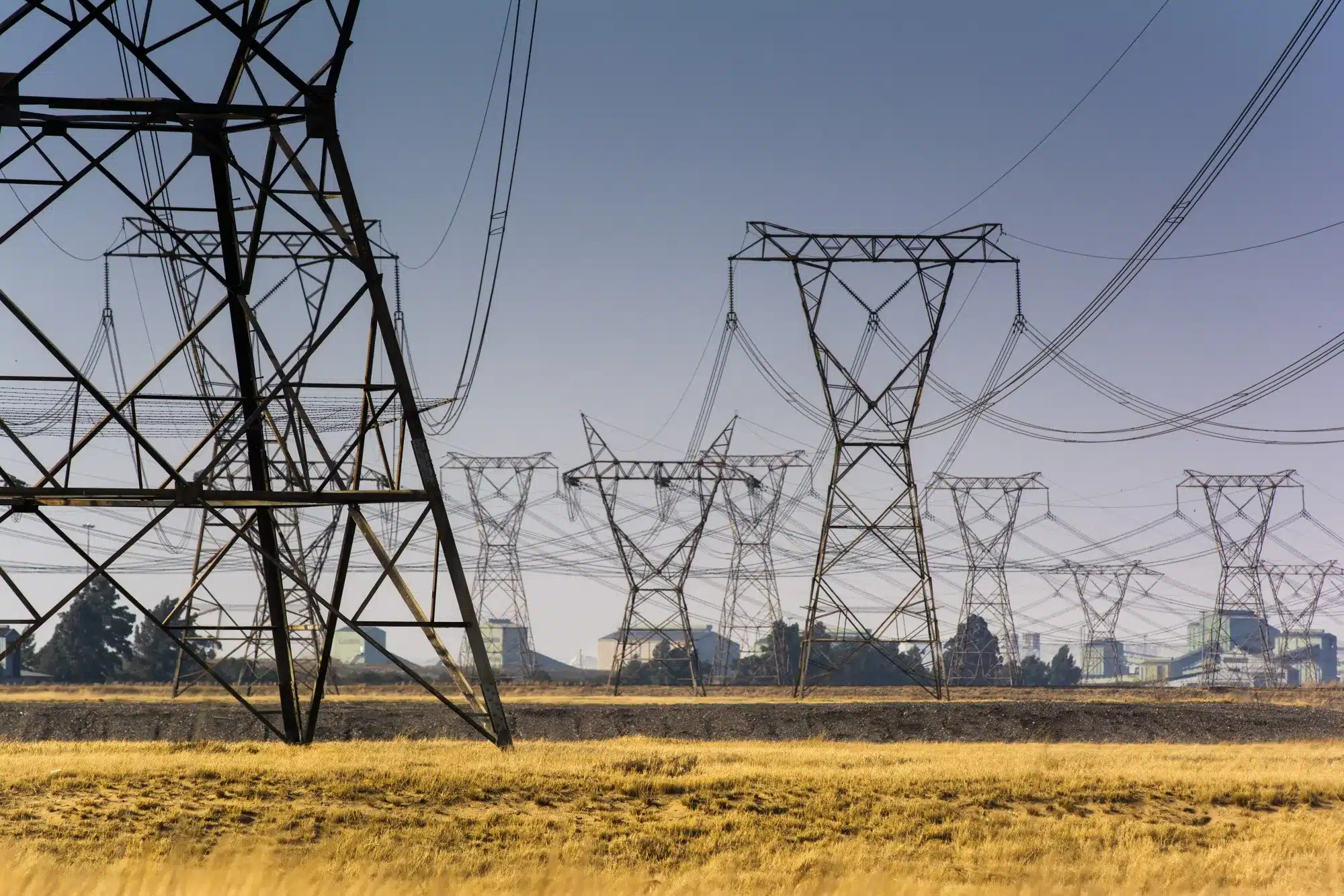
South Africa also declared plans to upgrade its transmission network, opening bids for private investors in a deal valued at around R440 billion ($25 billion). The bidding drew international financiers, including Indian billionaire Gautam Adani’s energy firm.
By contrast, Business Day, a local newspaper, reports that South Africa’s push to expand its power grid, a key barrier to replacing coal with renewables, is stalled over the $21 billion needed from investors.
“Our quest to decarbonise relies heavily on our ability to expand the grid,” energy minister Kgosientsho Ramokgopa told Reuters at his office in Pretoria in late July.
“But raising R390 billion ($22.3 billion), the state doesn’t have the balance sheet to roll out that size of capital investment.”
This is in no way Eskom’s fault. Funding nationwide renewable projects comes with exorbitant costs.
Eskom CEO Marokane said that to attract private companies into transmission, the regulator still needed to overhaul tariffs “because investors want to know with certainty what their return expectations can be.”
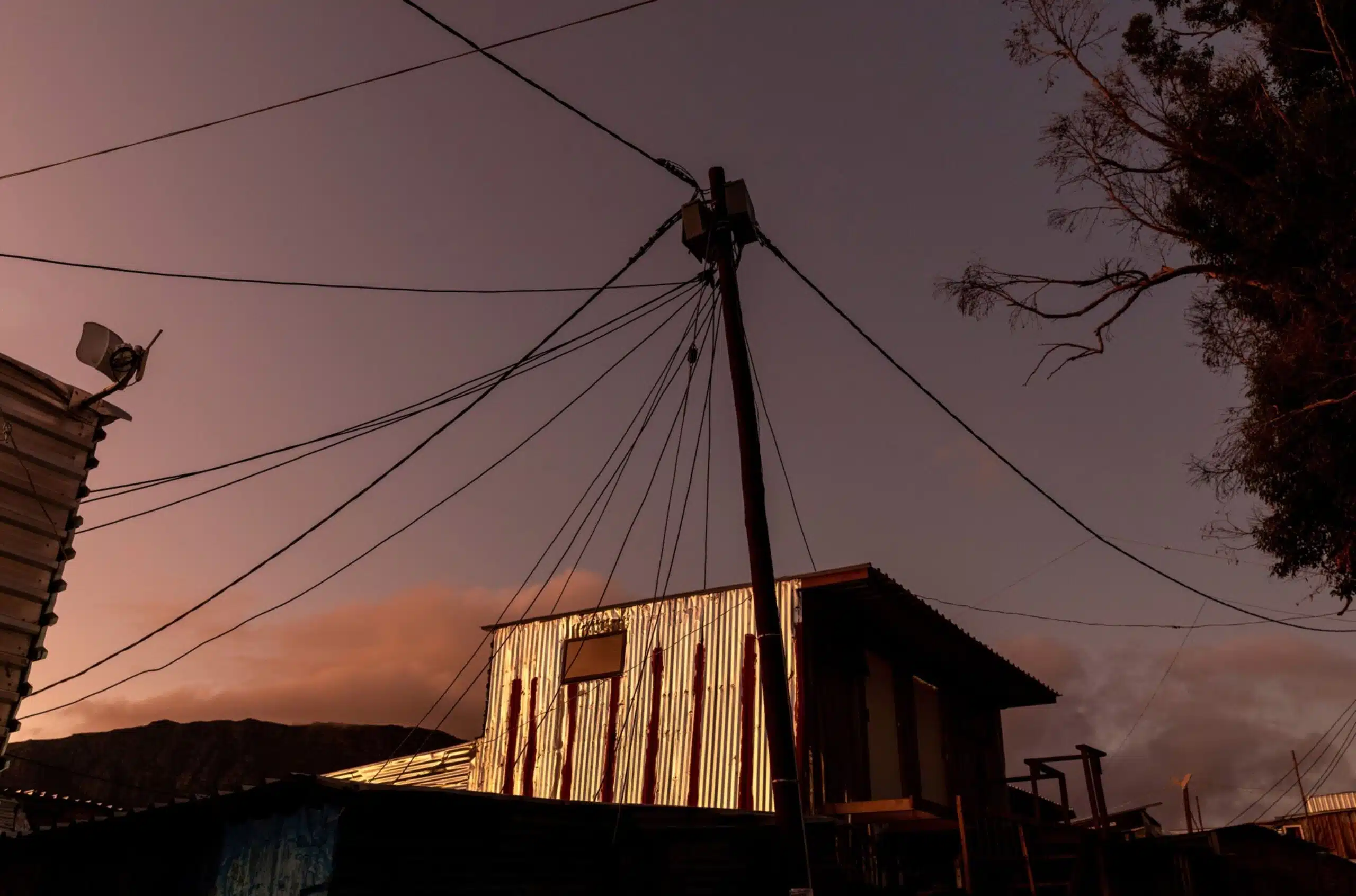
For now, the certainty doesn’t lie with mini-grid solars, but in legacy power plants.
Renewables move forward slowly
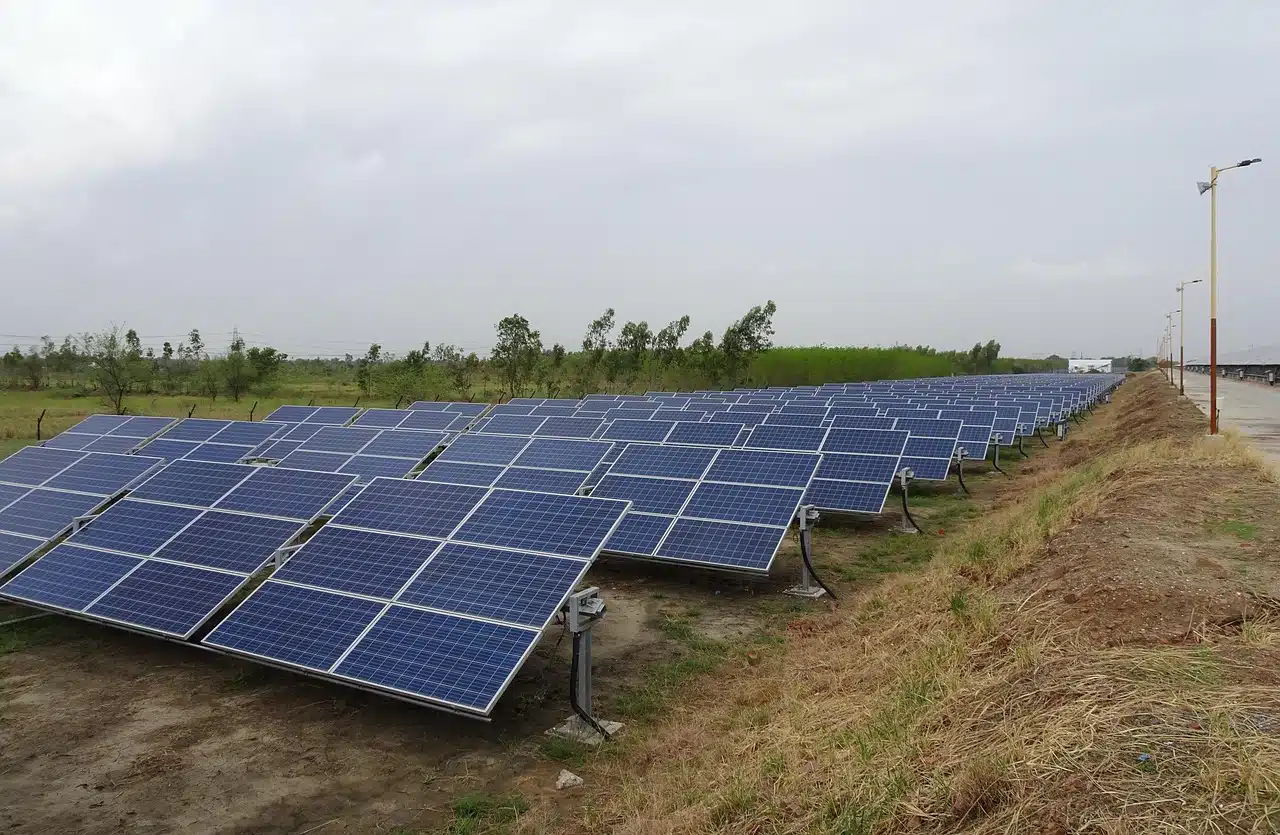
Still, renewables are not without some wins. Last year, Eskom’s green subsidiary granted access to private sector players to buy into the renewable energy value chain.
The utility also partnered with Seiri Green, a local renewable energy integrated firm, to complete a R1 billion ($57 million) transmission station, enabling the first phase of one of South Africa’s largest renewable energy developments to begin feeding power into the national grid.
According to a joint statement from both parties, the transmission infrastructure forms the anchor for a 900MW renewable energy programme that will progressively add further wind and solar capacity to the grid.
The station includes 400kV and 132kV infrastructure, a 500MVA transformer, and capacity for additional feeders and transformers.
Though laudable, South Africa will need 100× this project to reach its renewable energy goals by 2040.
Given the current pace, there’s no evidence of that happening in the foreseeable future. In short, despite some recorded progress, Africa’s largest economy is still stuck with coal for a very long time.