


Whatever anyone may think of the Israel, Iran and US conflict,which has now been blown to its full proportion, one thing is certain. The rule of the game of oil prices has changed. There are doubts that this new rule will reverse itself anytime soon.
Some analysts who began the year with a dovish position on crude are now predicting $80 per barrel in the coming weeks. The market opening on Monday will most likely reflect that shift in sentiment. This is both a win and a loss for oil producers, for OPEC+, and for the mastermind, Donald Trump, whose political insistence on low oil prices has not paid off.
The reported death of Iran’s Supreme leader, Ayatollah Ali Khamenei, added another layer to the crisis. Israel said one of its warheads landed in his compound, leading to the death of the 86 year old leader. His demise may mark a shift in Iran’s political direction in the months or years ahead. For now, there is no clear line in sight for an end to the turbulence.
There are rumours that the monarchy will soon enthrone a new leader. Israel and Iran continue to exchange attacks, with missiles flying in both directions. For the oil market, this volatility suggests prices may continue to edge higher in the coming weeks.
Strait of Hormuz tension shakes global supply
Iran said on Sunday that the Strait of Hormuz remains open. At the same time, it confirmed attacks on three oil tankers during the day. Some shipowners and traders have now paused operations as the conflict widens.
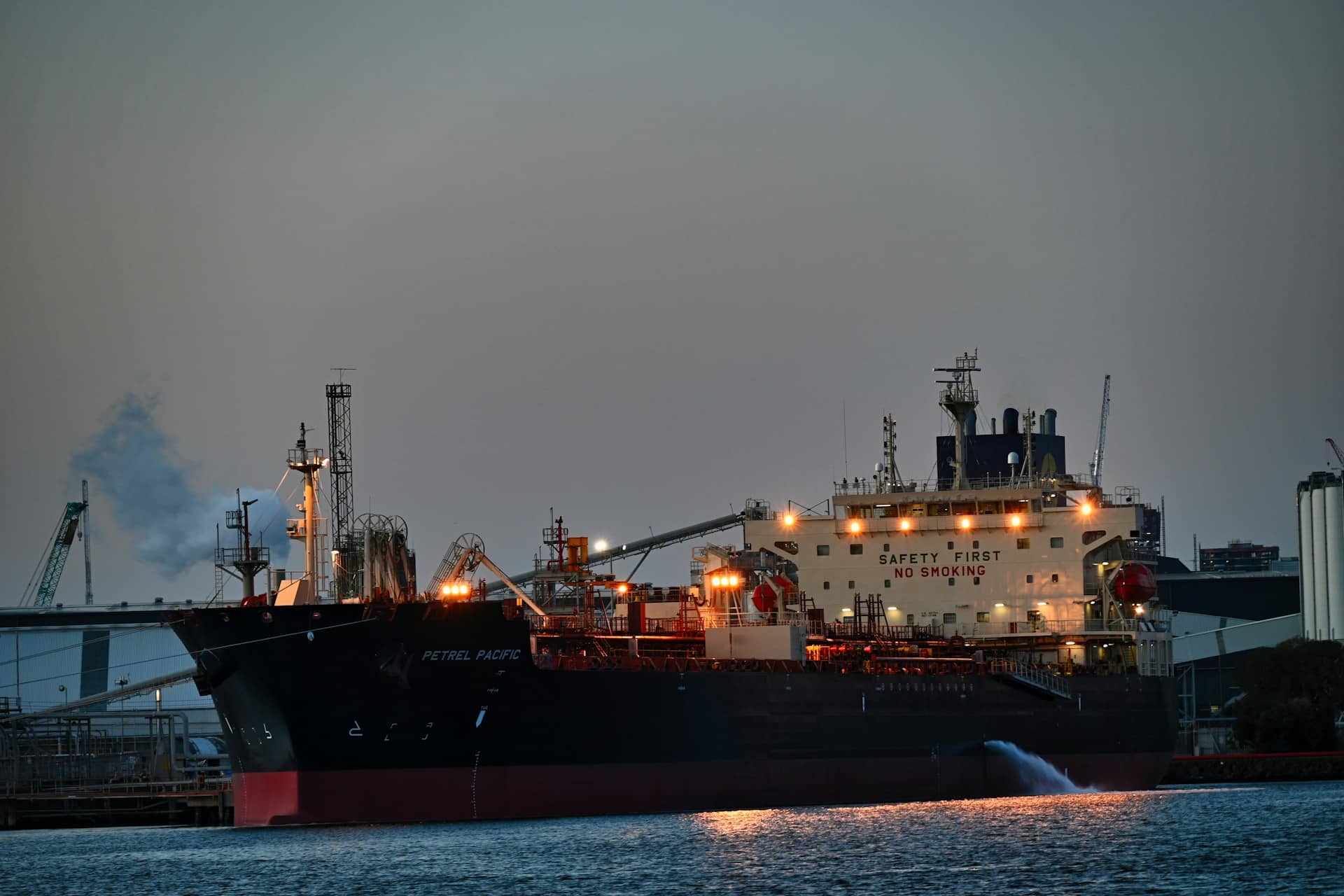
The move follows a maritime warning zone declared by the United States.The Strait of Hormuz is a major global route for crude shipments. About 20% of global oil trade passes through it.
Ships may find alternative routes, but not without extra cost. Insurance premiums on cargoes moving through the area, and on other routes, are expected to rise.
Some ships have halted trade altogether. Gulf oil producing nations including Saudi Arabia, Kuwait, United Arab Emirates and Iraq send much of their crude through this strait each day. They will be directly affected.
Oil market enters a new pricing era
For the global market, the disruption will have a ripple effect. Iran holds about two thirds of the world’s crude reserves, although decades of underinvestment and sanctions have weakened its output.
The country still plays a role in energy flows and price direction. After the attack on Tehran and the death of Khamenei, OPEC+ called an emergency meeting. The group agreed to roll out an additional 206,000 barrels per day for April. The figure was below what some analysts expected. Algeria was among the countries whose output was raised.
The tension remains that prices may climb further as markets reopen. Brent crude, the international benchmark, rose as much as 3% on Friday to touch a seven month high of $73 per barrel. It has gained nearly 12% over the past month as fears of conflict increased.
Africa’s windfall comes with inflation risk
African oil producing nations may record a windfall, even if limited. For countries like Nigeria, Angola and Libya, where government spending depends heavily on crude revenue, higher prices could be good news.
Still, some analysts believe the upswing may be short lived if supply continues to outweigh demand.
Iran’s role in price setting has also reduced over time. Like Venezuela, years of sanctions have cut production and market share. Iran produces around 3 million barrels per day. More than two thirds of its exports go to China. Several analysts see the attack on Iran as a proxy contest between Washington and Beijing. If Iranian supply is disrupted, China may seek other sellers. It could turn to Russia. It has also been buying more African crude.
Last week, Nigeria’s state owned oil firm, NNPC Limited, announced a new crude grade called Cawthorne. The light sweet crude is expected to be exported through the Floating Storage and Offloading vessel Cawthorne. Analysts say the grade, similar to the most sought-after Bonny Light, may head to Asia, with China among the likely buyers.
Yet the outcome is not all positive for Africa. Higher crude prices will raise the cost of refined products such as petrol, diesel and jet fuel. About 80% of refined products consumed in Africa are imported.
In January, South Africa, the continent’s largest economy, announced its lowest drop in petrol and diesel prices in four years across provinces due to lower crude prices at the time. Then, crude was trading below $65 per barrel. Other African nations took similar steps when prices were low.
In Nigeria, where petrol and diesel prices are now largely set by market forces, the impact could be sharper. If crude rises above $80 per barrel, pump prices may follow. The effect will be inflationary. Household goods and transport costs are likely to increase.
The pressure could also extend to the Dangote Refinery. The 650,000 barrels per day plant imports a large share of its crude from the United States.
A sustained rise in crude prices could increase its import cost and limit procurement plans.
For now, the only certainty is uncertainty. The market will take its cue when it opens. The direction in the weeks ahead will depend on how far this conflict goes and how quickly supply risks ease.