


The President of Angola, João Lourenço, has approved a total budget of $334 million to strengthen electricity transmission in southern region, including a $16 million grant from the Habitable Planet Fund.
The approval, contained in Presidential Order No. 96/26 published on March 20, 2026, authorises the financing agreement between the Angolan government and the International Bank for Reconstruction and Development (IBRD).
The agreement covers the Huíla–Cunene Interconnection Project, aimed at linking the two southern provinces to improve electricity supply.
Under the directive, the Minister of Finance is empowered to delegate negotiations and sign all related documents on behalf of the Republic of Angola.
Details on the project
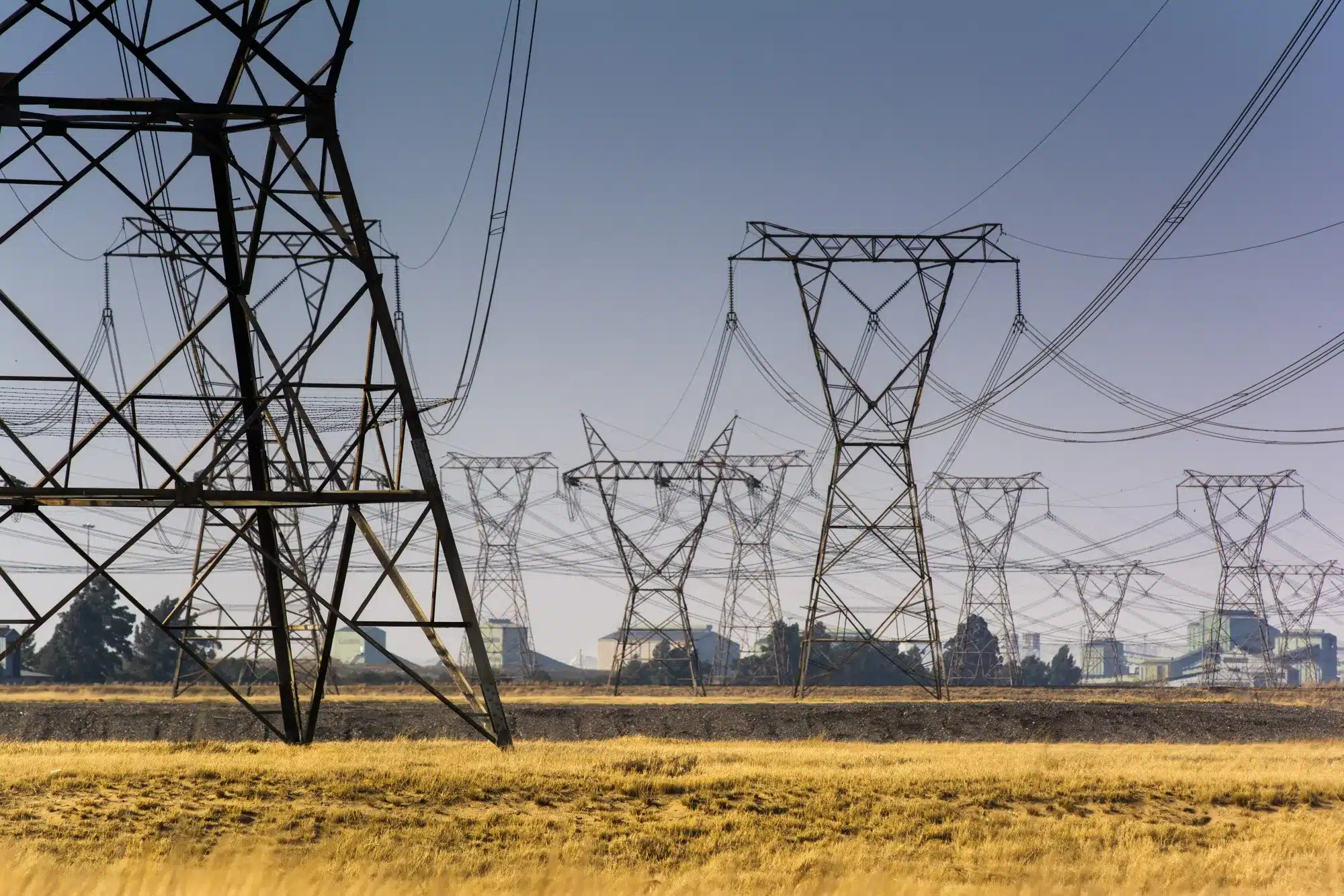
According to details in the presidential order, the project will establish a transmission link between Huíla and Cunene, forming part of Angola’s broader plan to expand its national grid.
The government stated that the interconnection is designed to “improve supply stability, promote the integration of regional systems, and support economic and social development in southern Angola.”
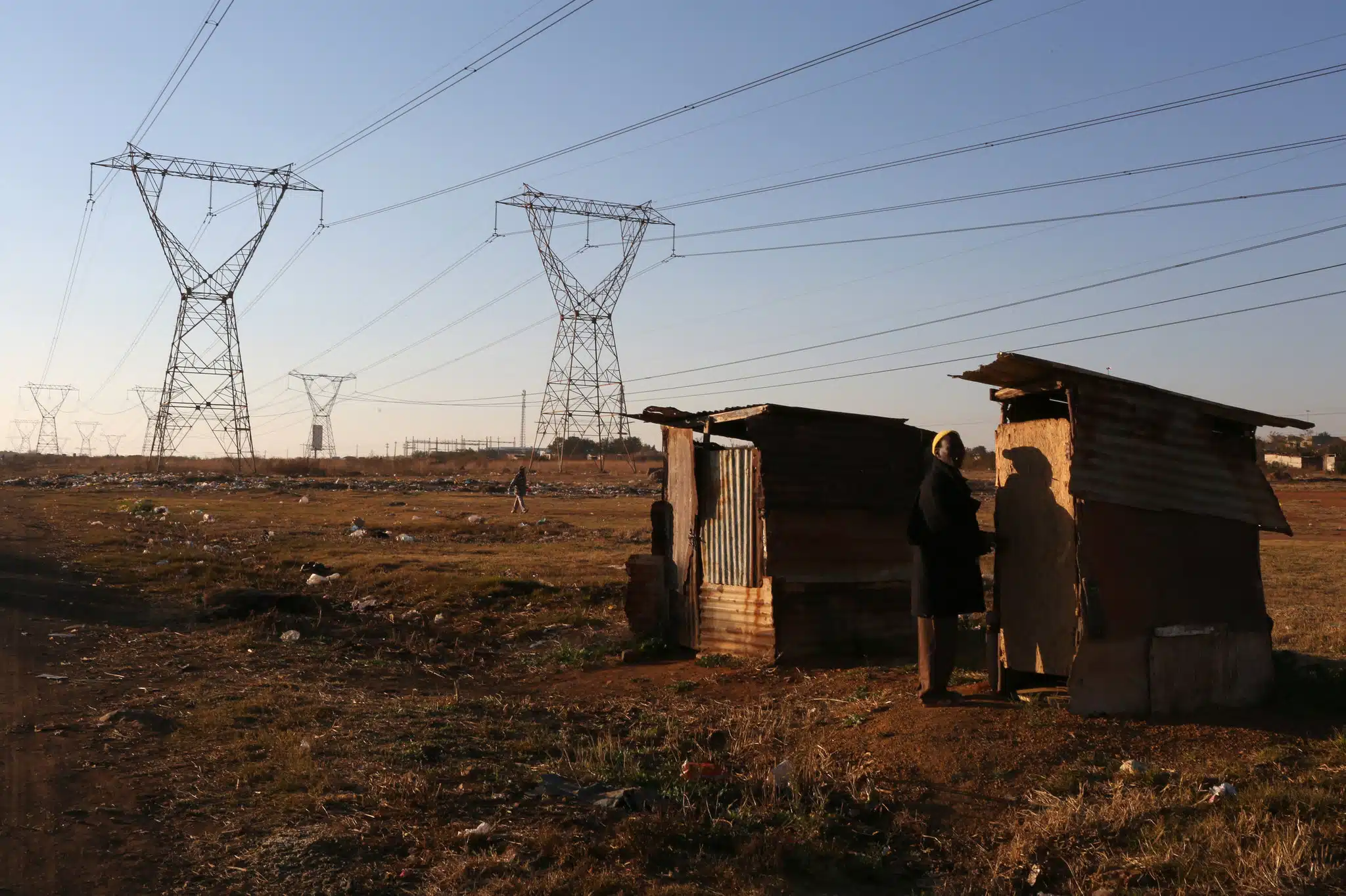
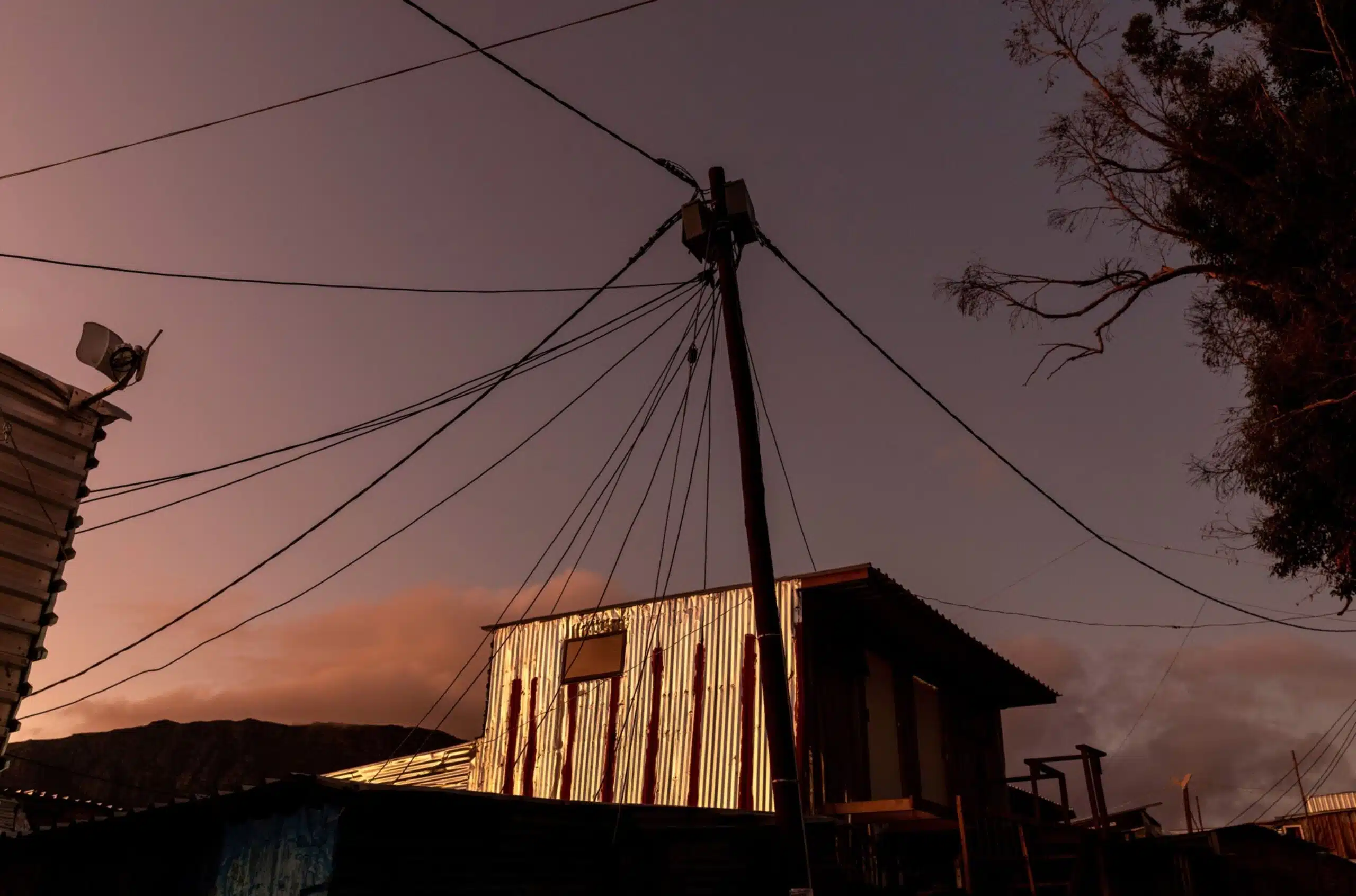
Meanwhile, the southern region has historically faced limited access to stable electricity despite growth in national generation capacity.
The new transmission line is expected to address gaps in distribution by connecting underserved areas to existing power sources.
The agreement with the IBRD also includes a grant component, reflecting increased reliance on blended financing models for infrastructure development.
The Angolan government, in outlining the objective of the project, said the initiative forms part of its long-term electricity expansion strategy.
“The Huíla–Cunene interconnection project is part of the government’s strategy to expand the national electricity transmission grid,” the statement noted.
It added that the project is expected to strengthen system reliability and facilitate better coordination between regional power networks.
Officials also confirmed that the financing arrangement includes provisions for project implementation and oversight in line with international standards tied to World Bank-supported projects
Angola’s transmission infrastructure challenges
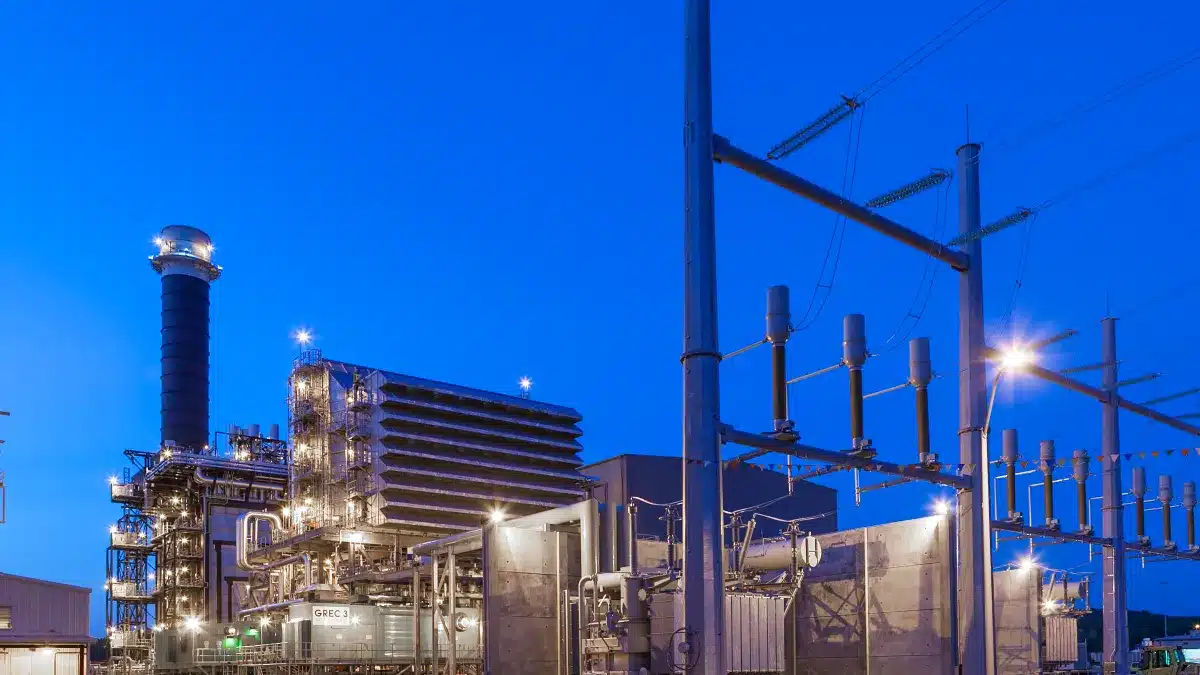
Angola has significantly increased electricity generation over the past decade, largely through hydropower investments. However, transmission infrastructure has not expanded at the same pace, affecting power distribution to some regions, including the south.
Data from previous World Bank-supported programmes, including electricity sector reform initiatives, have identified transmission bottlenecks as a major constraint to improving access.
Projects like the Huíla–Cunene interconnection are structured to address these gaps by linking isolated systems and extending grid reach.
Southern Angola’s proximity to neighbouring countries such as Namibia places strategic importance on strengthening transmission networks in that corridor.
What you should know
The $334 million financing package combines a sovereign-backed loan from the IBRD with a $16 million grant from the Habitable Planet Fund.
This structure aligns with ongoing reforms in Angola’s power sector, where the government has increasingly partnered with multilateral institutions to fund infrastructure upgrades.
Meanwhile, the presidential order also authorises administrative flexibility, allowing the Ministry of Finance to delegate aspects of the negotiation and signing process. This is aimed at accelerating implementation timelines for the project.
The World Bank Group has maintained involvement in Angola’s energy sector through funding and technical support, particularly in grid expansion and electricity access programmes.