


Angola inaugurated its first solar‑plus‑storage minigrid, representing the start of a wider programme to expand reliable electricity to rural and underserved communities.
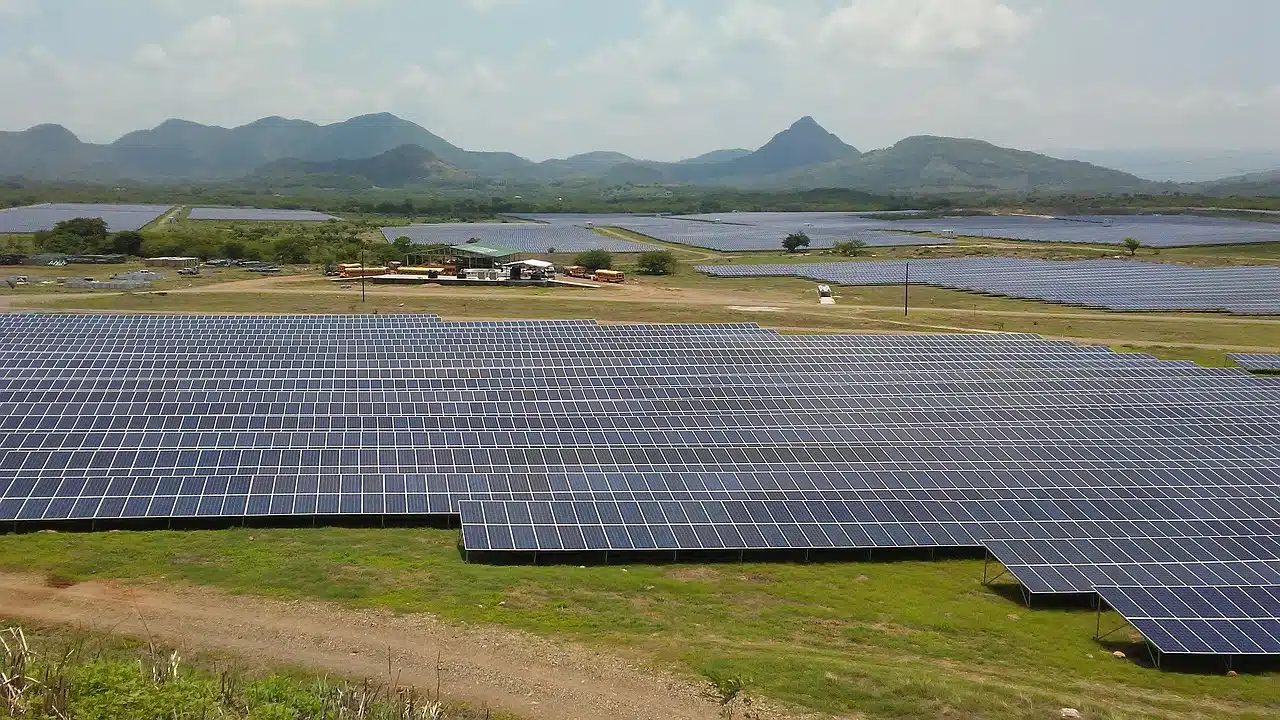
The facility, called Cazombo Photovoltaic Park, is located in Moxico Leste, a newly created province in eastern Angola.
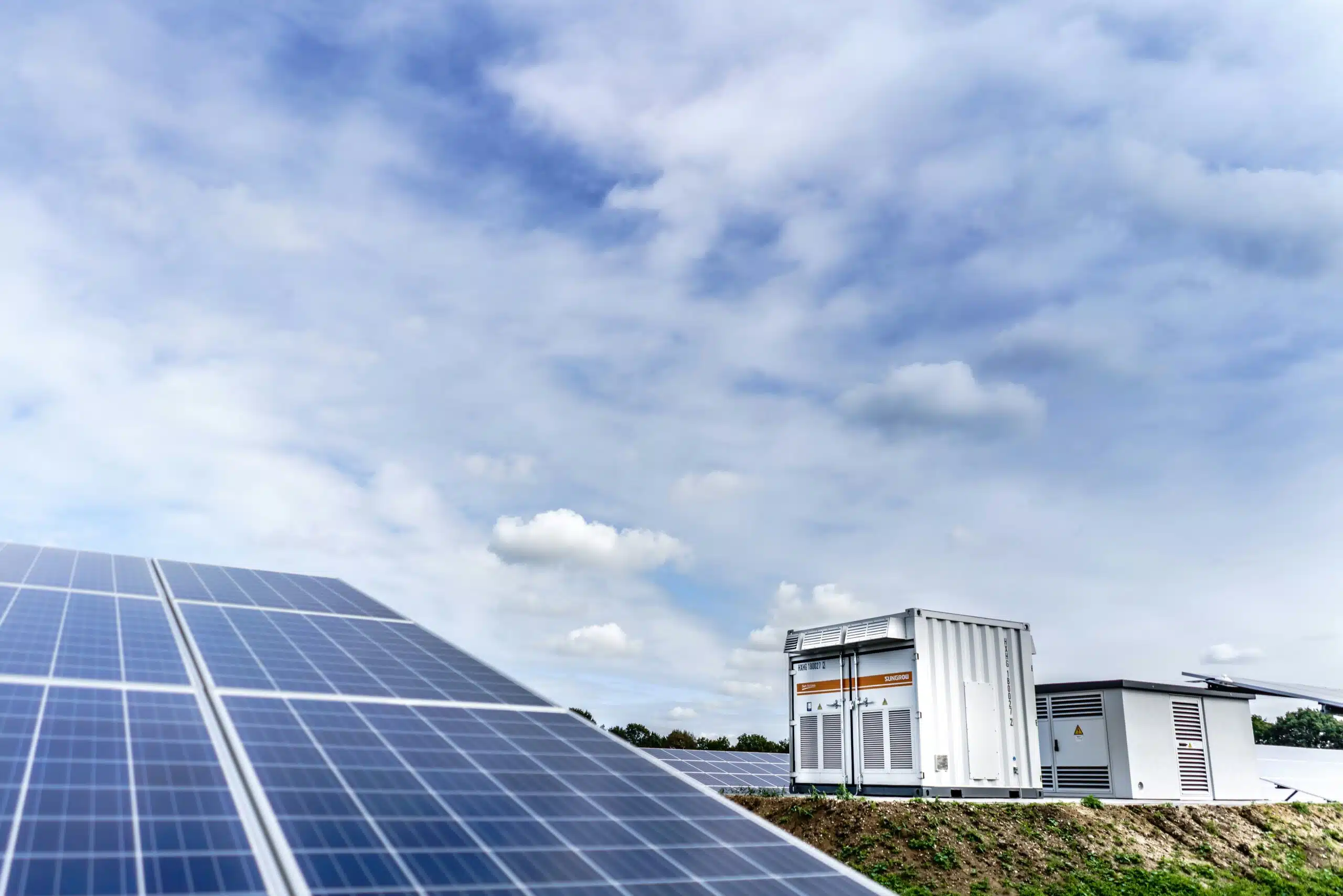
The installation combines a 25.4‑megawatt‑peak (MWp) solar array with a 75.26‑megawatt‑hour (MWh) battery energy storage system.
It provides a dependable source of electricity to an area that previously lacked major power infrastructure.
The initiative allows continuous supply, even during periods without direct sunlight, removing the need for diesel generators.
The Cazombo project is the first of 46 planned mini‑grids across six provinces. The programme is expected to provide electricity to about one million people living in 60 rural communes.
The mini‑grids are designed to function independently of the national grid, relying entirely on renewable energy.
Expanding solar reach in Angola
The Cazombo installation follows earlier solar developments in Angola. In May 2024, the Luena Photovoltaic Park, a 25.3 MW facility, began supplying electricity to communities in the same region.
These projects form part of a broader strategy to increase renewable energy and expand electricity access in provinces including Bié, Malanje, Lunda Norte, Lunda Sul, Moxico, and Moxico Leste.
The national programme seeks to provide sustainable energy solutions to communities underserved by the grid.
The mini‑grid is connected to homes, streets, and public infrastructure. Initial connections have already begun for residences, schools, and clinics in surrounding communities.
The system supports local economic activity by providing electricity to small businesses and public services that depend on power.
How the Cazombo mini grid works
The project combines a 25.4‑megawatt solar array with a 75.26‑megawatt-hour battery storage system. The battery allows electricity to be supplied even when sunlight is limited.
The system delivers power to households, businesses, and public facilities in Moxico Leste. Early connections have been established for homes, schools, and clinics.
The mini-grid replaces diesel generators previously used in the area, reducing the need to transport fuel to remote locations. Local operators have been trained to monitor and maintain the system, ensuring it continues operating reliably.
Moehover, tis installation forms part of Angola’s national programme to expand solar capacity and improve rural electrification.
It targets remote communities across six provinces, aiming to provide sustainable electricity solutions to areas underserved by the national grid.
The mini grid includes utility-scale solar plants in Huíla and Cunene provinces, alongside a plan to construct 46 hybrid solar mini-grids.
Each combines photovoltaic panels with battery storage to supply reliable power. Diesel generators previously used in these off-grid regions will be replaced, reducing fuel dependency and operational costs.
Under the Angola 2025 Plan, the 46 planned mini-grids are expected to deliver a total of approximately 256 MWp of solar capacity once the programme is completed around 2026.
They will provide electricity to about one million rural residents across the targeted provinces, including Bié, Malanje, Lunda Norte, Lunda Sul, Moxico, and Moxico Leste.
By integrating solar generation with battery storage, the systems will offer communities continuous and reliable electricity, supporting households, businesses, and public facilities in these regions.