
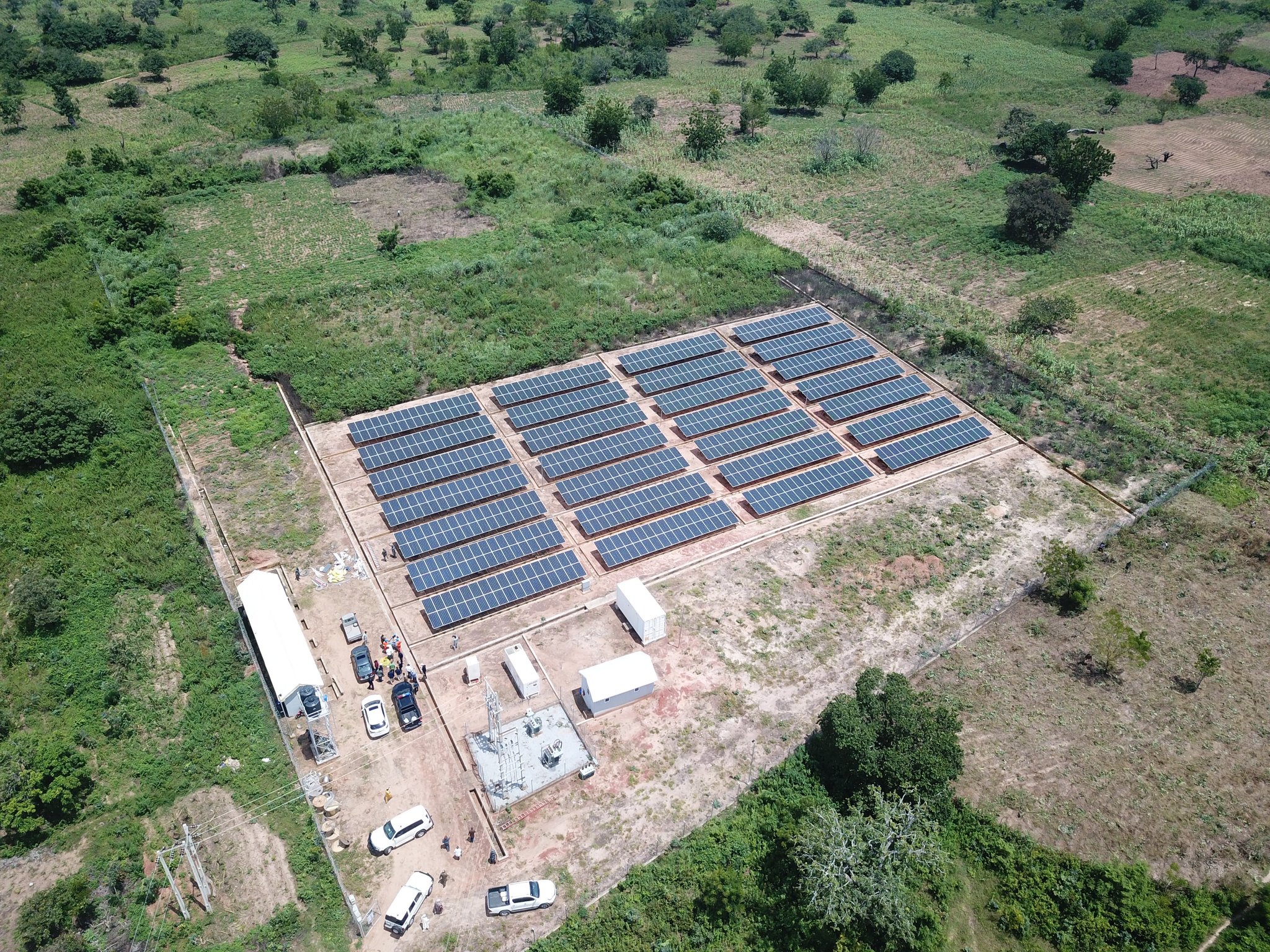


West African nation, Benin, is set to expand electricity access in underserved rural communities following the mobilisation of $2.9 million in financing for the construction of nine solar-powered mini-grids.
According to Clean Energy and Energy Inclusion for Africa (CEI Africa) and Energise Africa, the financing will support projects by Mionwa Generation SA, a subsidiary of off-grid developer OnePower.
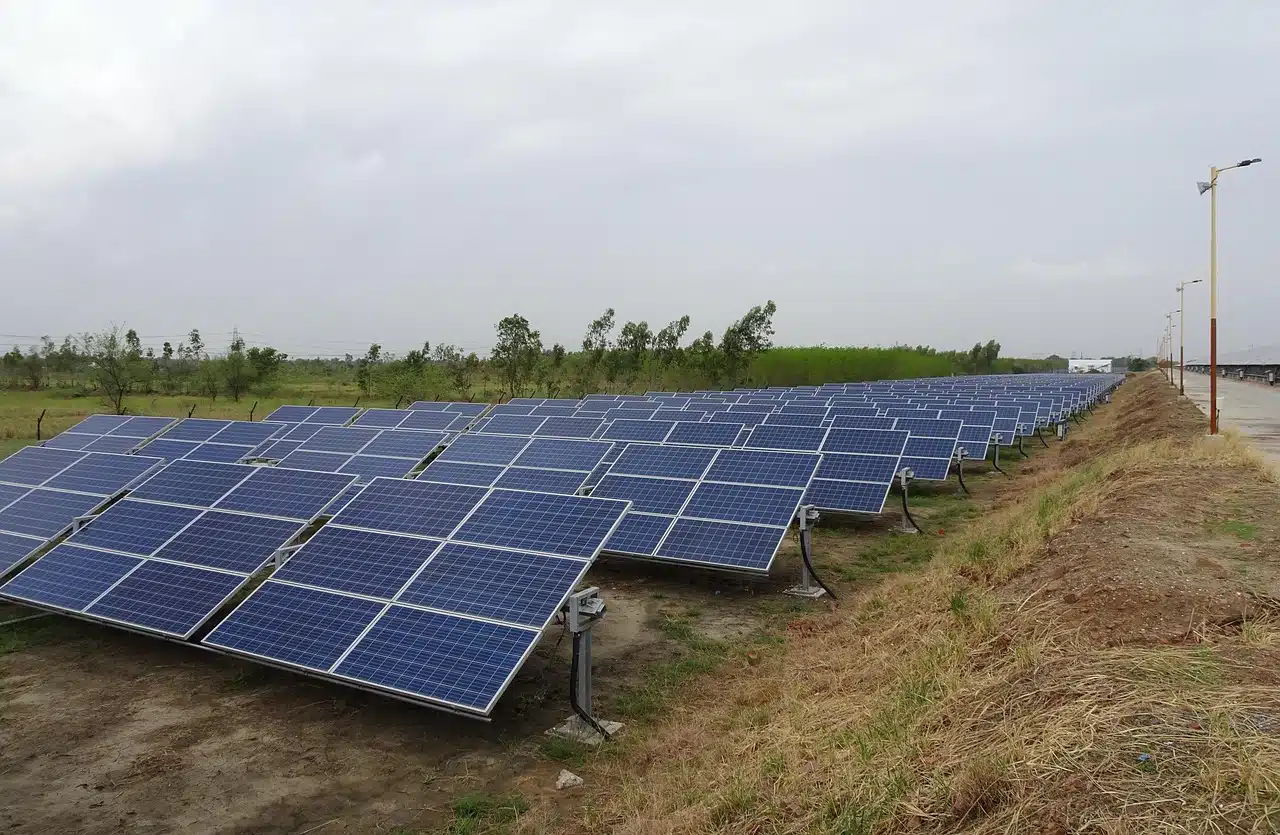
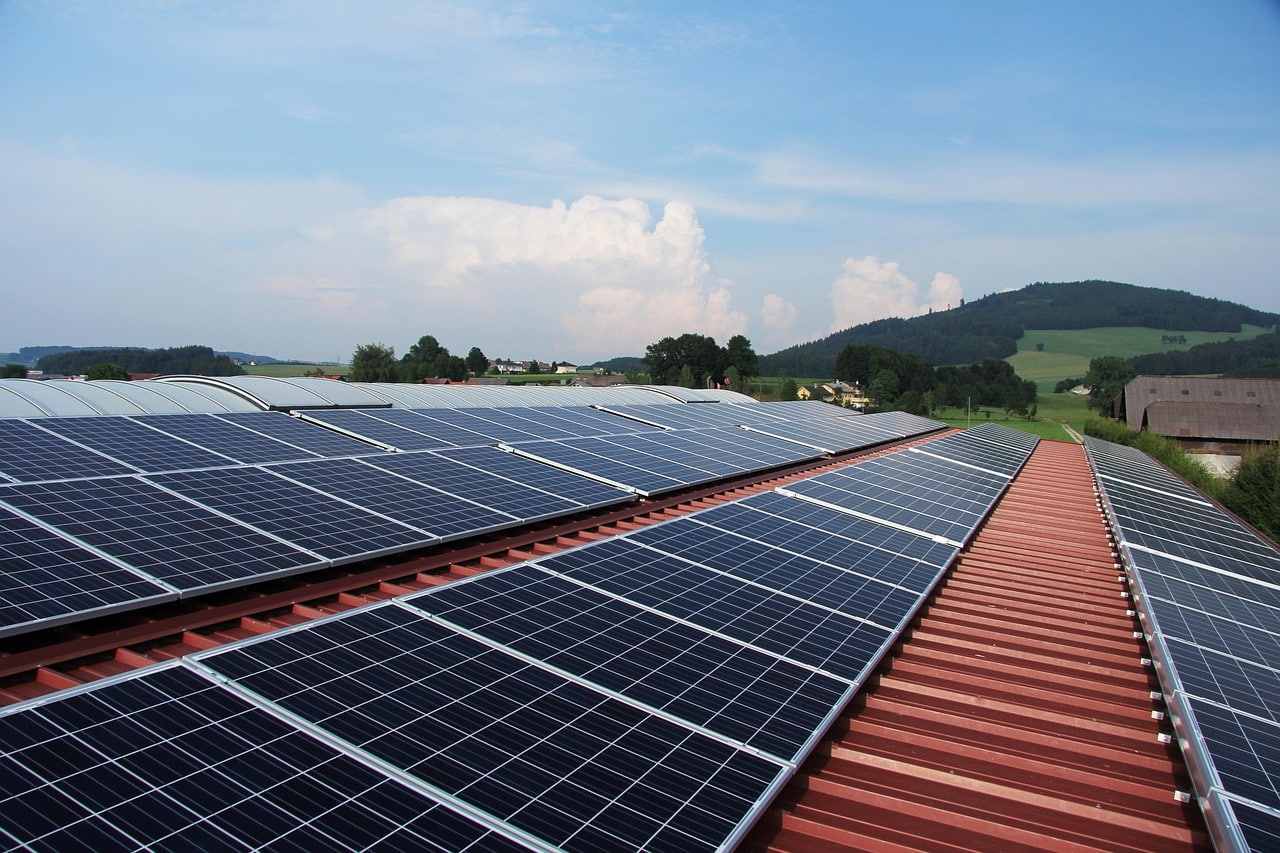
The funds will support the construction of nine photovoltaic solar plants with a combined installed capacity of 595 kilowatts, paired with 1.7 megawatt-hours of battery storage, the statement said.
The developers said the mini-grids, once operational, will deliver continuous electricity to around 4,700 households and local economic activities located outside the national grid.
How the financing is structured
The $2.9 million package combines secured debt and performance-based grants, according to the developers.
CEI Africa is providing a $1.5 million secured junior loan through its crowdlending window, the organization said.
Energise Africa has raised a $970,000 secured senior loan from its investor network and continues to mobilize an additional $420,000, which would complete the full debt package at approximately $2.9 million.
Beyond the debt component, results-based grants totaling up to $972,000 have been awarded, which are tied to project delivery milestones rather than upfront disbursement, CEI Africa said.
The Universal Energy Facility (UEF), a performance-based financing mechanism managed by Sustainable Energy for All (SEforALL), allocated a total envelope of $1.66 million covering five of the nine mini-grid sites, according to the developers.
What the projects will deliver
The nine projects will consist of photovoltaic solar plants with a combined capacity of 595 kilowatts, supported by 1.7 megawatt-hours of battery storage, according to the developers.
OnePower noted that the mini-grids will supply continuous electricity to about 4,700 households, as well as small businesses and local economic activities located outside Benin’s national grid.
Matthew Orosz, chief executive officer of OnePower Group, said the financing marks “a major milestone” for the company’s Benin portfolio.
He said combining debt with results-based incentives makes it possible to deliver “utility-grade service” to communities long excluded from central grid expansion.
Mini-grid deployment in Africa
Moreover, Africa continues to push its energy transition agenda through the rollout of mini grid projects across the region.
In Sierra Leone, the government, supported by the European Union, has adopted a results-based financing mechanism to expand solar mini-grids serving tens of thousands of rural households.
CEI Africa has also rolled out mini-grid grant programmes in other countries including the Democratic Republic of Congo and Kenya, using blended finance structures similar to the Benin projects, the organization said.
On its part, Nigeria recently secured $200 million in financing for renewable mini-grid deployment in rural and peri-urban areas.
The World Bank said solar mini-grids could sustainably power up to 380 million people in Africa by 2030 if financing and policy support are scaled.