


The Botswana Energy Regulatory Authority has announced an increase in fuel prices, with the new pump prices taking effect from midnight, citing developments in the international oil market.
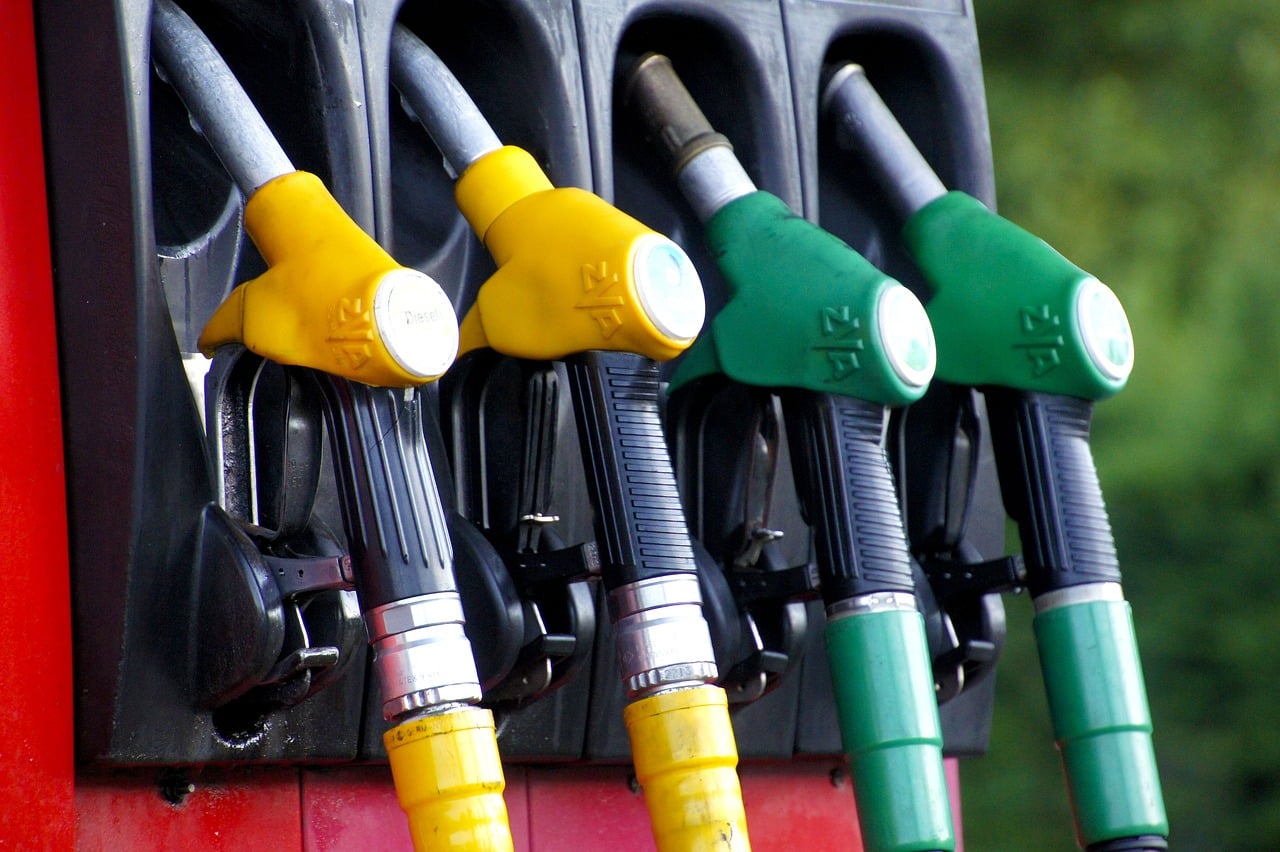
In a statement issued today, the authority said the retail pump price of Unleaded Petrol 95 will increase by P5.05 per litre, while Diesel 50ppm will rise by P8.77 per litre. The price of illuminating paraffin will also increase by P10.55 per litre.
“The upward price adjustment is necessitated by developments in the international oil market,” the authority said in the statement.
Impact on consumers and transport
The fuel price increase is expected to affect transportation costs, goods distribution and household energy expenses across Botswana.
Diesel, which recorded a major increase, is widely used in transportation, agriculture, mining and industrial operations, meaning the adjustment could affect production and logistics costs across several sectors of the economy.
Higher diesel prices often lead to increased transportation costs for goods and services, which may eventually reflect in food prices and other consumer goods. Public transport operators may also review fares if operating costs continue to rise.
The increase in illuminating paraffin prices is expected to affect low-income households, particularly in rural areas where paraffin remains a major source of energy for cooking and lighting.
Global oil market influence
Botswana relies on imported refined petroleum products, which means domestic fuel prices are largely influenced by global crude oil prices, exchange rate movements, shipping costs and regional supply dynamics.
In recent months, global oil prices have remained volatile due to geopolitical tensions, supply disruptions and shipping concerns affecting major oil routes. These developments have forced many fuel-importing countries to review pump prices regularly to reflect international market conditions.
Energy analysts say fuel price adjustments are often unavoidable in import-dependent economies, as governments and regulators must balance between keeping fuel affordable and ensuring suppliers can continue importing products without losses.
Fuel price increases are closely linked to inflation because energy costs affect transportation, manufacturing and food supply chains. When fuel prices rise, businesses often pass the additional costs to consumers through higher prices for goods and services.
Economists say sustained increases in fuel prices could contribute to rising inflation and increased cost of living, especially if transportation and food prices begin to rise in response to higher logistics costs.
Regulatory outlook
The Botswana Energy Regulatory Authority said it will continue to monitor developments in the international oil market and adjust fuel prices when necessary under its pricing framework.
The authority noted that periodic price adjustments are necessary to reflect actual market conditions and maintain fuel supply stability in the country.
With the new price increase now in effect, businesses, transport operators and households are expected to adjust to higher energy costs, while economic analysts will be watching for possible impacts on inflation and overall economic activity in Botswana.