


Cameroon is moving to secure its fuel supply by strengthening ties with Nigeria’s Dangote Refinery, as concerns mount over potential disruptions linked to tensions in the Middle East, according to a report by the country’s Ministry of Finance.
The ministry warned that prolonged instability in the region could significantly affect Cameroon’s energy security, noting that Middle Eastern imports account for a notable share of its fuel supply.
It said a disruption could cut off as much as 12% of the country’s fuel and lubricant consumption.
“Imports from these countries are relatively significant. They are valued on average at 200 billion FCFA per year, of which 120 billion consists of fuels and lubricants, representing 12% of our country’s total consumption,” the ministry stated.
The report added that such a shock would come with wider economic consequences.
“The first direct implication would be the loss of 12% of our source of supply for fuels and lubricants, coupled with the soaring price of a barrel of oil,” it said.
Government urges swift intervention to avert economic strain
Facing these risks, the Ministry of Finance called for immediate and coordinated action to cushion the potential impact on the economy, warning of inflationary pressures and supply shortages if disruptions persist.
“Given this situation, characterized by disruptions to global supply chains and soaring hydrocarbon and fertilizer prices, the government should take short- and medium-term measures to mitigate the risks of inflation, shortages, and an economic slowdown,” the report said.
As part of short-term measures, the ministry specifically recommended deepening energy partnerships within Africa, particularly with Nigeria.
“In the short term, it would be advisable to strengthen the partnership with Dangote to secure fuel supplies,” it added, while urging consultations with sector stakeholders, especially fuel marketers, to develop a consensus-based strategy.
Nigeria emerges as key alternative supplier
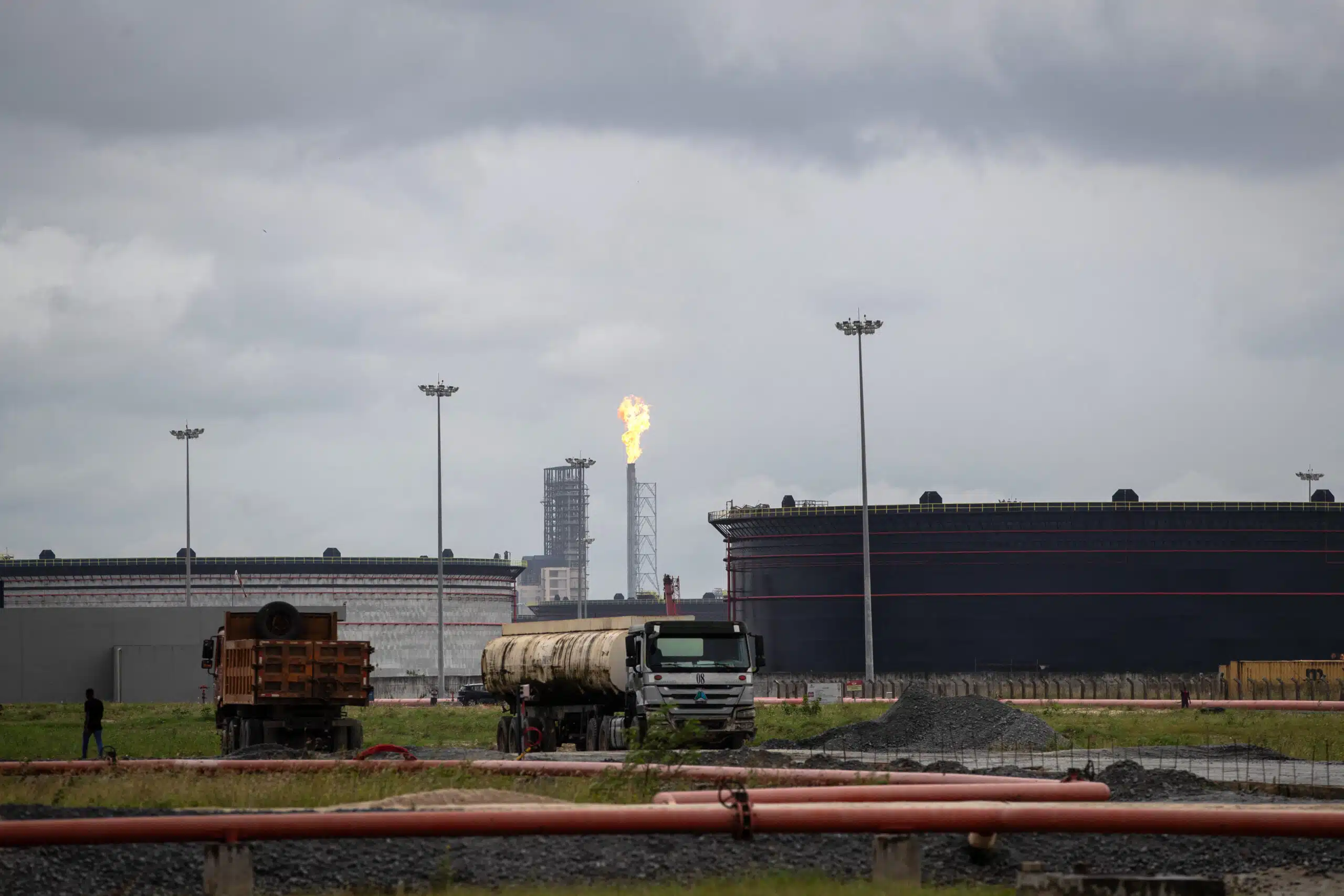
Nigeria is increasingly positioning itself as a strategic alternative to Middle Eastern fuel supplies. Already, it accounts for about 18% of Cameroon’s refined petroleum product needs, driven largely by rising output from the Dangote Refinery.
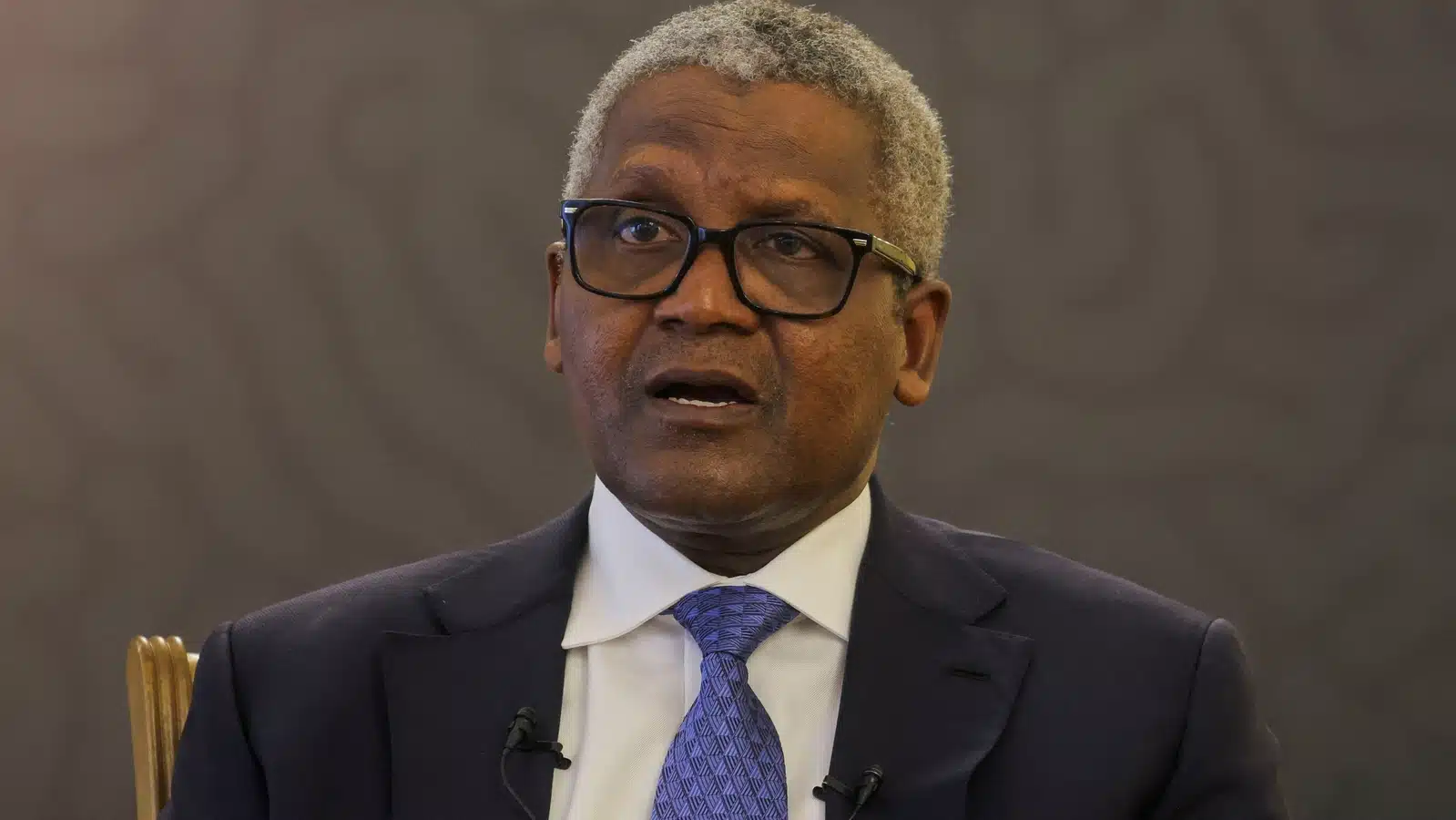
The refinery, owned by Nigerian industrialist Aliko Dangote, has significantly increased exports in recent months.
According to Kpler data, shipments of refined products rose to about 214,000 barrels per day in March, up from nearly 100,000 barrels per day in February — representing a 114% increase.
Across Africa, deliveries have also surged, more than doubling from roughly 38,000 barrels per day to about 90,000 barrels per day over the same period.
Reuters further reported that at least 12 gasoline cargoes, totaling nearly 456,000 metric tonnes, have been shipped to several African countries, including Cameroon.
Analysts say the ramp-up in supply is beginning to reshape regional fuel trade flows, positioning Nigeria as a credible substitute for traditional suppliers.
Bilateral engagement gains momentum
Efforts to deepen cooperation between Cameroon and Nigeria are already underway.
In January 2026, a delegation from Cameroon’s National Refining Company (Sonara) visited Lagos to hold talks with officials of the Dangote Refinery.
Following the visit, Sonara said the engagement was aimed at establishing long-term collaboration.
“The objective of this trip was to lay the groundwork for a lasting collaboration on technical and commercial levels, in order to secure Cameroon’s energy supplies, guarantee satisfactory local consumption, and work towards national energy independence,” the company said.