


Egypt is expanding its electricity grid while continuing efforts to curb power theft after authorities recorded electricity losses of 4.6 billion kilowatt-hours (kWh) over the past year.
The Minister of Electricity and Renewable Energy, Mahmoud Esmat, disclosed the figures during a meeting with Prime Minister Mostafa Madbouly on Sunday, where government officials reviewed recent developments in the electricity and energy sectors.
Esmat added that Egypt is coordinating with Russian partners to accelerate execution timelines for the El Dabaa Nuclear Power Plant.
The nuclear facility is part of Egypt’s Vision 2030 framework, which aims to meet rising electricity demand while strengthening national energy security.
According to Esmat, the El Dabaa nuclear project remains aligned with Egypt’s Vision 2030 framework.
“The peaceful nuclear programme is progressing according to schedule,” Esmat told Madbouly, adding that coordination with Russian counterparts is ongoing to ensure timely delivery of project milestones.
The El Dabaa Nuclear Power Plant is being developed in partnership with Russia’s state-owned nuclear energy corporation Rosatom.
The project is expected to add four nuclear reactors to Egypt’s power mix once completed. Government officials have previously stated that the first reactor unit is expected to become operational later in the decade, with full commissioning planned in phases.
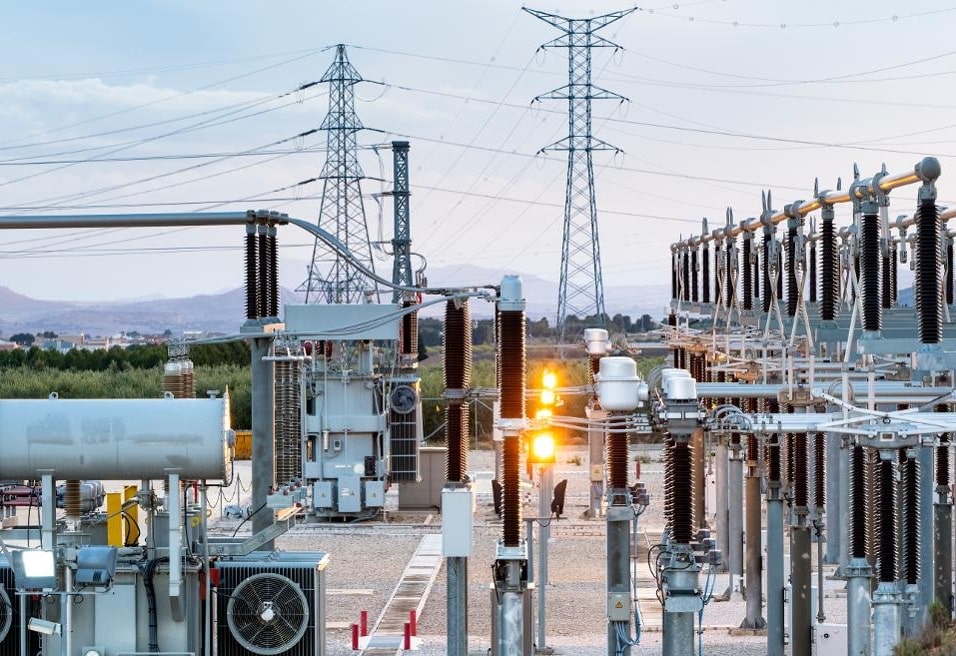
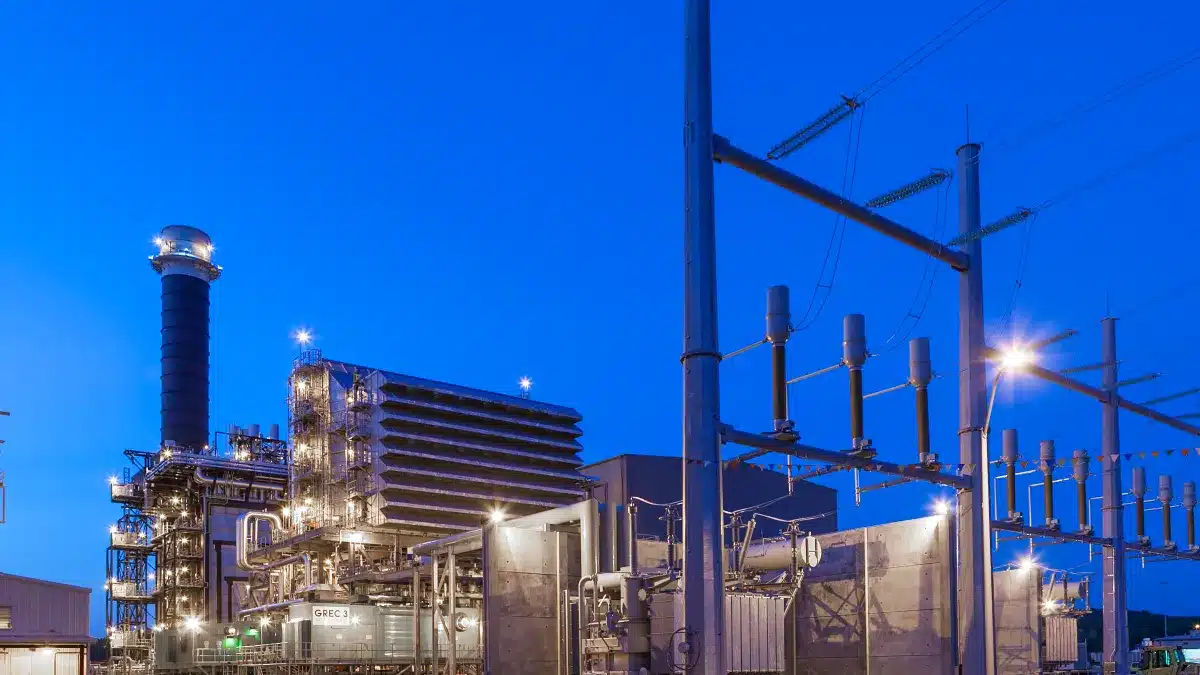
The Ministry of Electricity reported that 34 new transformer stations of various voltage levels were completed and integrated into the unified national grid over the past year.
He noted that the ministry also extended distribution lines by 194,000 kilometres and transmission lines by 5,610 kilometres.
Theft and losses addressed with meter rollout
Authorities recorded stolen electricity totalling 4.6 billion kWh over the review period. Electricity theft includes illegal connections, meter tampering, and non-payment.
To address the issue, the ministry has accelerated the installation of “coded” meters, which allow electricity usage to be monitored and paid for in advance. Esmat said 2.5 million coded meters have been installed nationwide so far.
Prime Minister Madbouly said the electricity and energy sector remains a government priority, citing its essential contribution to development plans, its role in improving service quality, and its importance in creating an investment-friendly environment.
“The electricity sector is essential to development plans, improving service quality, and creating an investment-friendly environment,” he said.
Egypt’s renewable energy targets and financing
According to data from the State Information Service, Egypt’s energy strategy targets increasing the share of renewable energy in the electricity mix to 42% by 2030.
The country has also secured financing support from international partners, including the European Bank for Reconstruction and Development (EBRD), for grid reinforcement projects linked to renewable energy integration.
These projects focus on strengthening transmission infrastructure to accommodate additional power generation capacity and reduce technical losses across the network.