


In the News:
- Eskom seeks partners to reduce electricity costs and support industrial growth.
- The utility reports fewer power outages following maintenance and government interventions.
- Industrial users continue to face high tariffs, while energy sector reforms enable private participation.
South Africa’s state-owned power utility, Eskom, says it is seeking partners to help reduce electricity costs and support industrial development in Africa’s most industrialised nation.
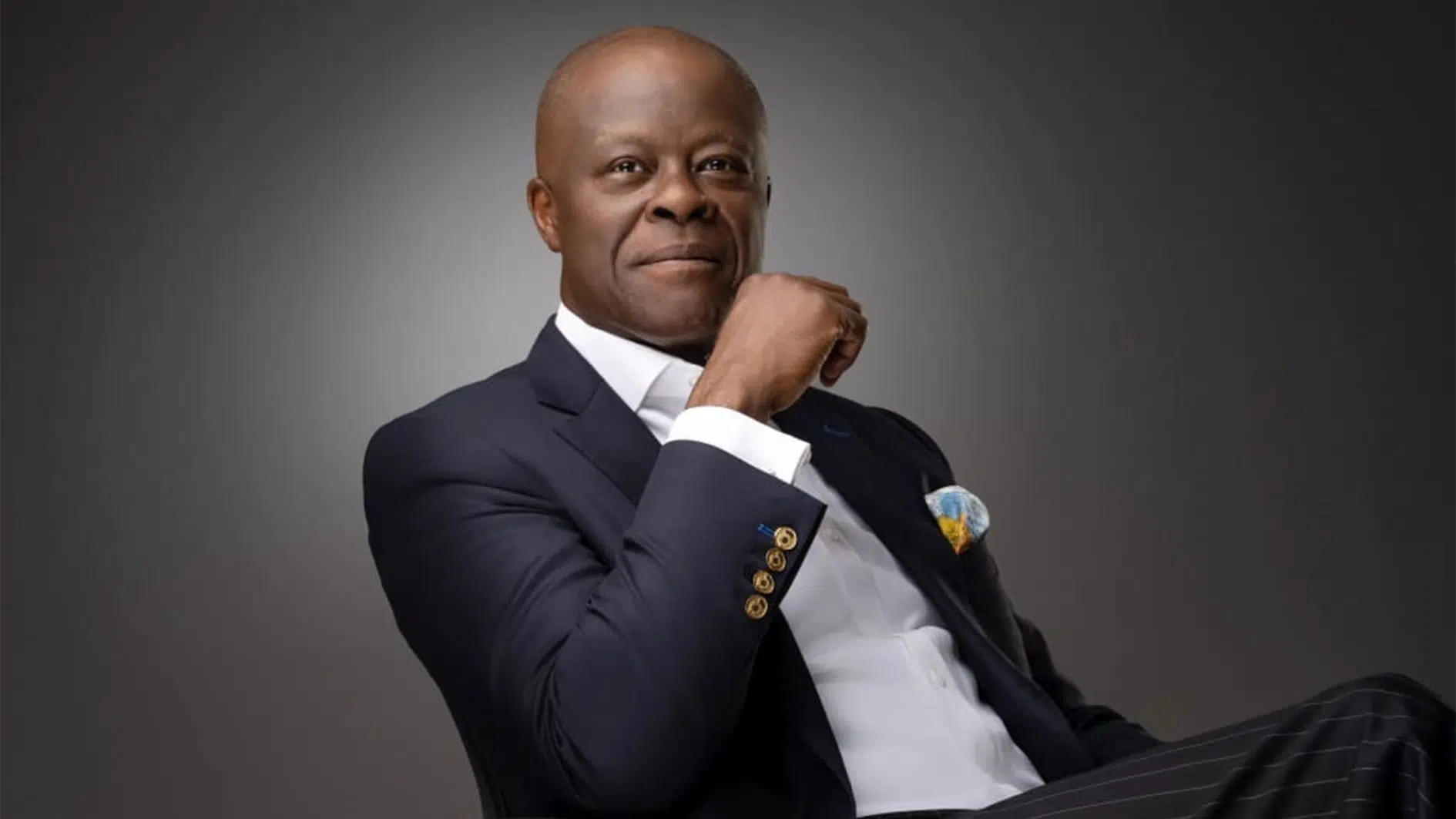
Speaking in an interview with broadcaster eNCA on the sidelines of the World Economic Forum in Davos on Wednesday, Eskom chairman, Mteto Nyati, said the utility’s focus has shifted after stabilising the national power grid.
“Having stabilised the grid, we are now focusing on lowering electricity prices. In order for us to do that, we need partners,” he said.
Nyati did not provide details on the type of partnerships or when any arrangements might be finalised.
The comments come after Eskom reported fewer incidents of load shedding in recent months.
The improvement followed maintenance programmes and government-backed interventions aimed at enhancing generation performance.
Eskom’s operational challenges so far
Eskom has faced prolonged operational and financial challenges over the past decade, driven largely by ageing coal-fired power stations, maintenance backlogs, and unplanned outages contributed to widespread load shedding.
These outages affected households, businesses, and economic activity.
However in recent periods, Eskom reported higher energy availability and improved plant performance. The utility attributed this to sustained maintenance efforts and operational changes across its generation fleet.
Eskom also returned to profitability after several years of losses. This was supported by debt relief measures and fiscal assistance from the South African government.
According to firm’s system updates, the frequency of load shedding has declined compared with previous years.
Electricity tariffs constraints
On the other hand, electricity tariffs in South Africa have increased significantly overtime, following successive approvals by the National Energy Regulator of South Africa (NERSA).
Eskom has said the tariff increases were necessary to recover costs, service debt and stabilise its financial position.
Despite improvements in supply, industrial and commercial users continue to face high energy costs. Manufacturing firms and mining companies have said electricity pricing affects operating expenses and investment planning.
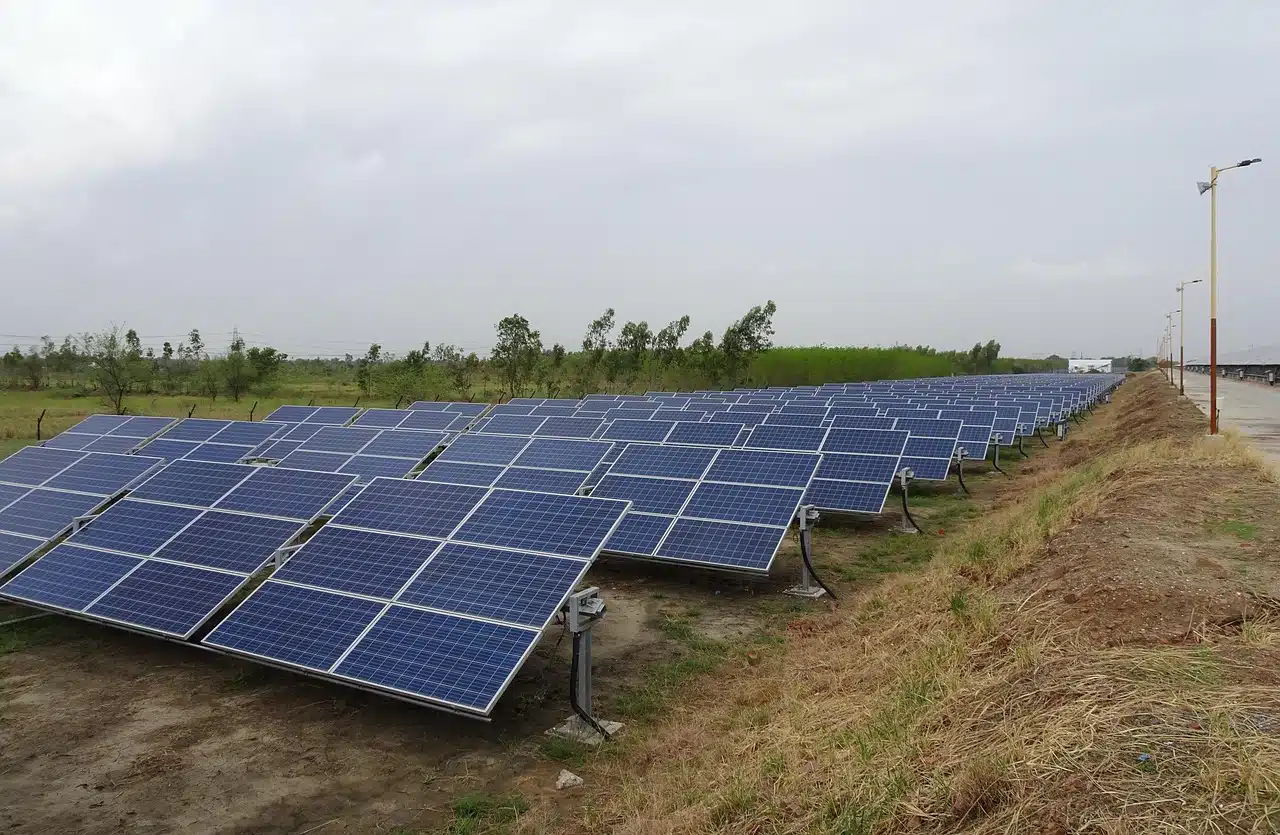
Some companies have invested in self-generation capacity, including solar power, to reduce reliance on the grid.
The Organisation for Economic Co-operation and Development (OECD), for instance,m identified electricity supply constraints and high tariffs as factors affecting South Africa’s productivity and economic growth.
Partnerships amid electricity sector reforms
South Africa has been implementing electricity sector reforms to increase private sector participation in power generation and supply.
Policy changes in recent years have enabled independent power producers to supply electricity to the grid and private customers. Regulatory adjustments have also improved access for new projects.
President Cyril Ramaphosa has previously said collaboration between Eskom, government, and the private sector played a role in improving the utility’s operational performance.
As part of the reforms, Eskom is being restructured into separate generation, transmission, and distribution businesses. Government and Eskom statements say the transmission entity was established to expand the grid and allow access for new generation projects.
Nyati did not indicate which parts of Eskom’s operations would be prioritised for partnerships.
What you should know
Coal remains South Africa’s main source of electricity generation, with Eskom operating an ageing fleet of coal-fired power stations.
New generation capacity added in recent years has largely come from renewable energy projects, including solar and wind, developed by independent power producers through government procurement programmes and private supply arrangements.
Eskom has stated that integrating new generation sources requires significant investment in transmission infrastructure to connect projects to demand centres.
While grid performance has improved, Eskom continues to face operational and financial pressures, including the need to expand and refurbish transmission networks and address outstanding municipal debt.
In addition, Nyati did not provide a timeline for potential electricity price reductions.