
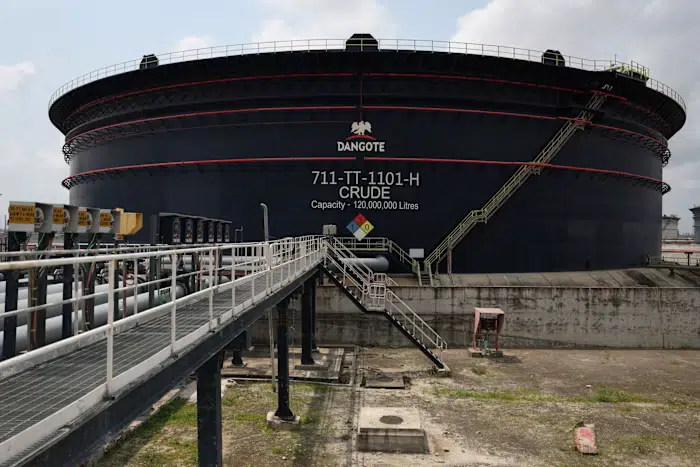


Fuel prices in Nigeria have surged to record levels despite full operations at the Dangote Refinery, as global oil market disruptions and domestic supply constraints continue to drive costs upward.
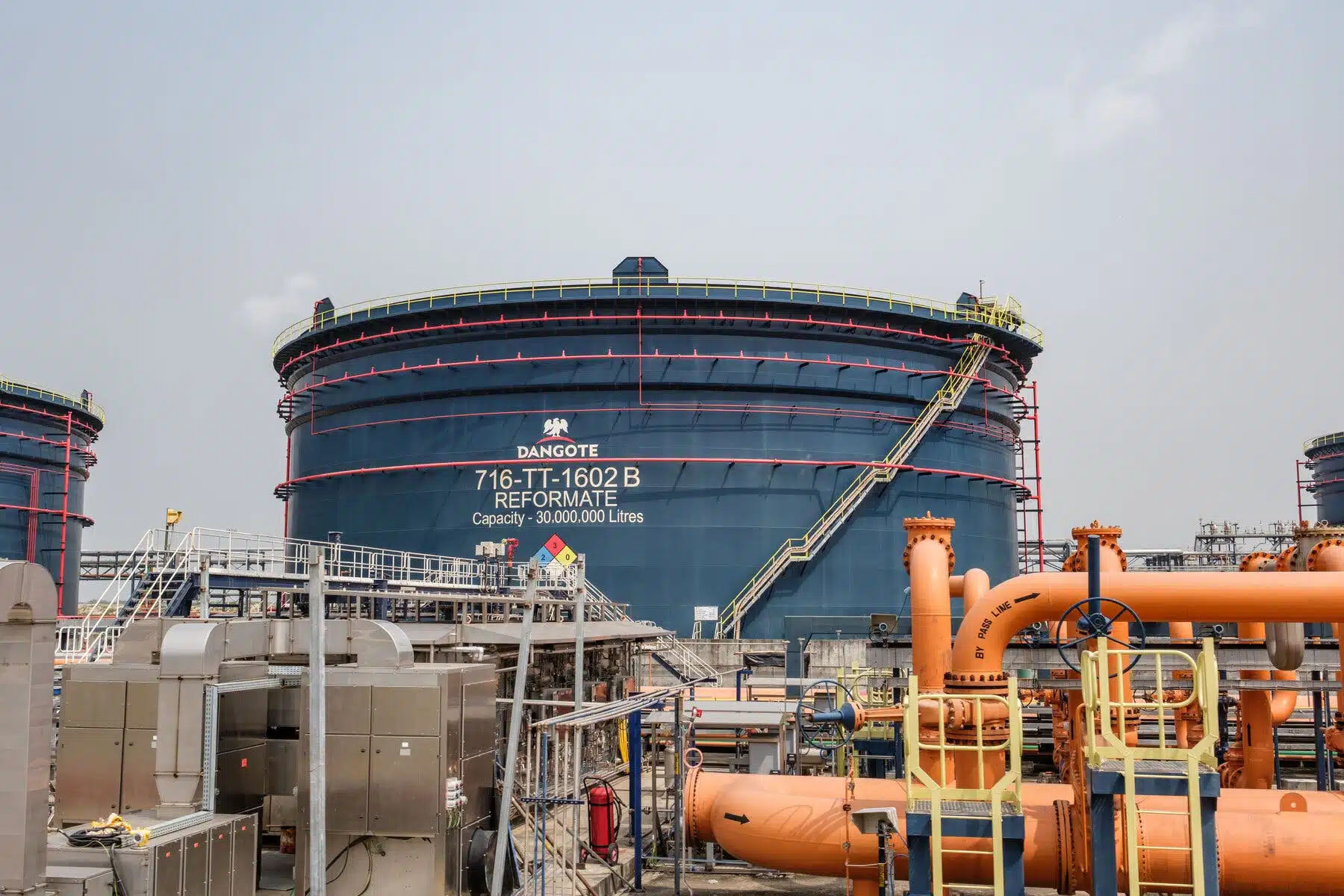
Industry data show that petrol prices have risen by about 65 per cent in recent weeks, making them the highest among major African economies, even as Africa’s largest refinery operates at full capacity of 650,000 barrels per day.
The refinery, which became fully operational earlier this year, was expected to reduce Nigeria’s dependence on imported fuel and stabilise domestic prices. However, its impact has been limited by challenges in sourcing crude oil locally.
Nigeria, despite being Africa’s largest oil producer, has struggled to supply sufficient crude to the refinery. As a result, the facility has been forced to import crude oil at international prices, exposing it to global market volatility.
Managing Director of the refinery, David Bird, said the company receives only about five crude cargoes monthly from local sources, far below the 13 to 15 cargoes required for optimal operations.
Analysts attribute the supply constraint to Nigeria’s oil financing structure, where a large portion of crude production is tied to pre-export deals and oil-backed loans involving international oil companies, traders and financial institutions.
Out of Nigeria’s daily production of about 1.5 million barrels, a substantial share is reportedly committed to servicing these obligations, limiting the volume available for domestic refining.
This arrangement has reduced the ability of local refineries to access crude at stable and competitive rates.
Middle East conflict worsens situation
Meanwhile, the situation has been worsened by ongoing conflict in the Middle East, which has disrupted global oil supply chains, particularly shipments through the Strait of Hormuz, a critical route for global energy transport.
The disruption has pushed international oil prices above $100 per barrel, increasing the cost of crude and refined products globally.
Countries that rely on imports, including Nigeria for some refined products and crude balancing, have been directly affected by these price increases.
Inflation pressures return
The rise in fuel prices has begun to affect the broader economy, with transportation and food costs increasing in many parts of the country.
“Its impact is already being felt,” said a Lagos-based frozen food seller, who noted that prices of fish and chicken have doubled, forcing customers to cut back on purchases.
Ride-hailing drivers in Lagos also staged protests over rising fuel costs, which have reduced their earnings and increased operational expenses.
Experts say Nigeria’s lack of a strategic fuel reserve has worsened the impact of global supply disruptions. A reserve system could have helped cushion the effects of sudden price spikes and supply shortages.
Government stance and response
While businesses and labour groups have called for government intervention, including tax relief and increased local crude allocation, the federal government has maintained its stance on market-driven pricing.
Finance Minister Wale Edun said the government would not interfere with the pricing system, opting instead to focus on measures that help citizens adjust to rising costs.
Meanwhile, some state governments have introduced temporary support measures. In Oyo State, authorities approved a N10,000 transport allowance for workers to cushion the impact of rising fuel prices.
The Dangote Refinery has increased fuel supply to the domestic market, but also continues to export to other African countries, where demand remains strong.
However, until crude supply challenges are resolved and global oil markets stabilise, Nigerians may continue to face high fuel prices despite the presence of local refining capacity.