


The governments of Germany and South Africa have agreed on a new €200 million (($234 million) concessional loan to support South Africa’s energy transition, alongside expanded cooperation on critical minerals and green industrial projects.
The disclosure was made known by South Africa’s Minister of International Relations and Cooperation, Ronald Lamola, following bilateral talks with his German counterpart in Berlin on Monday.
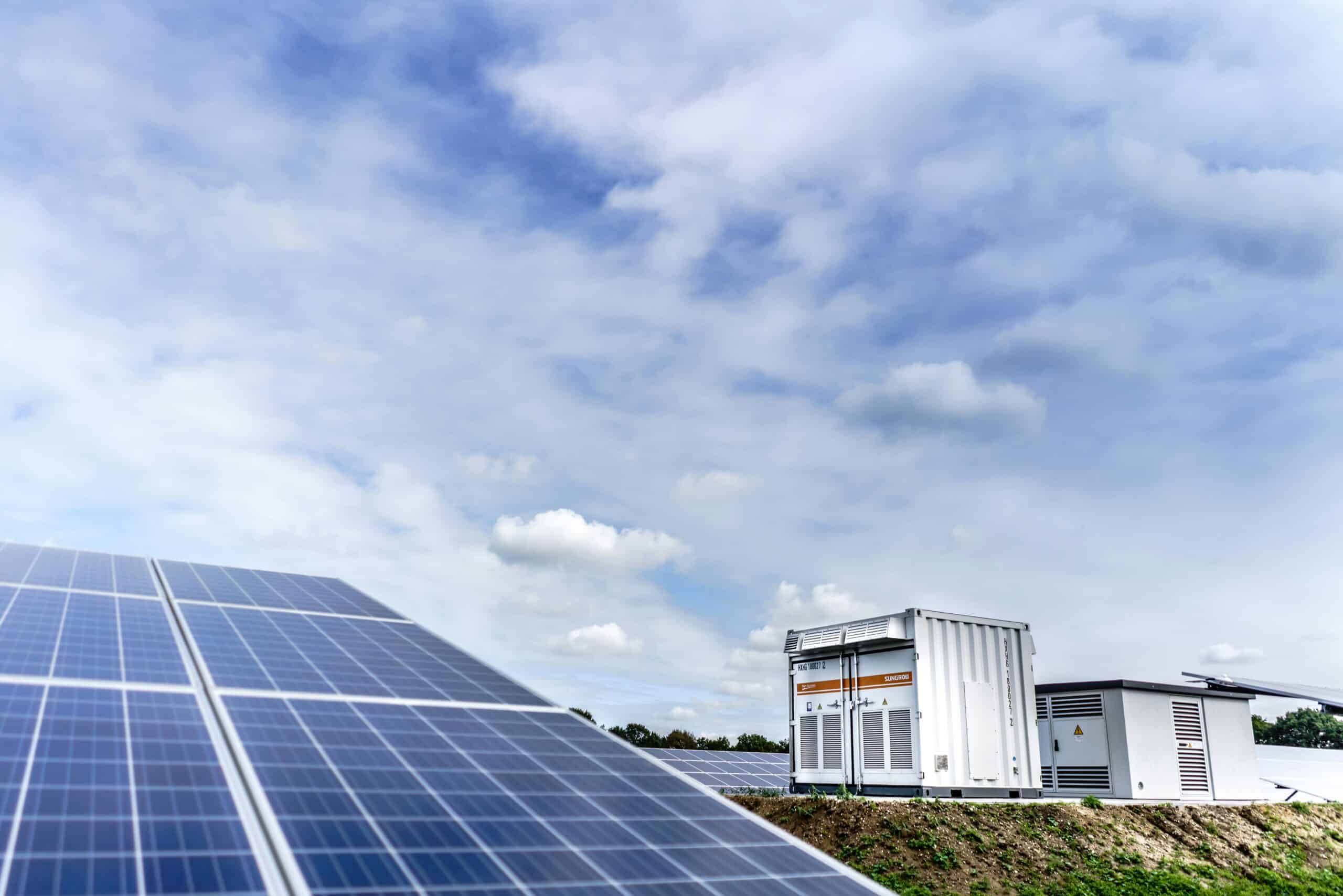
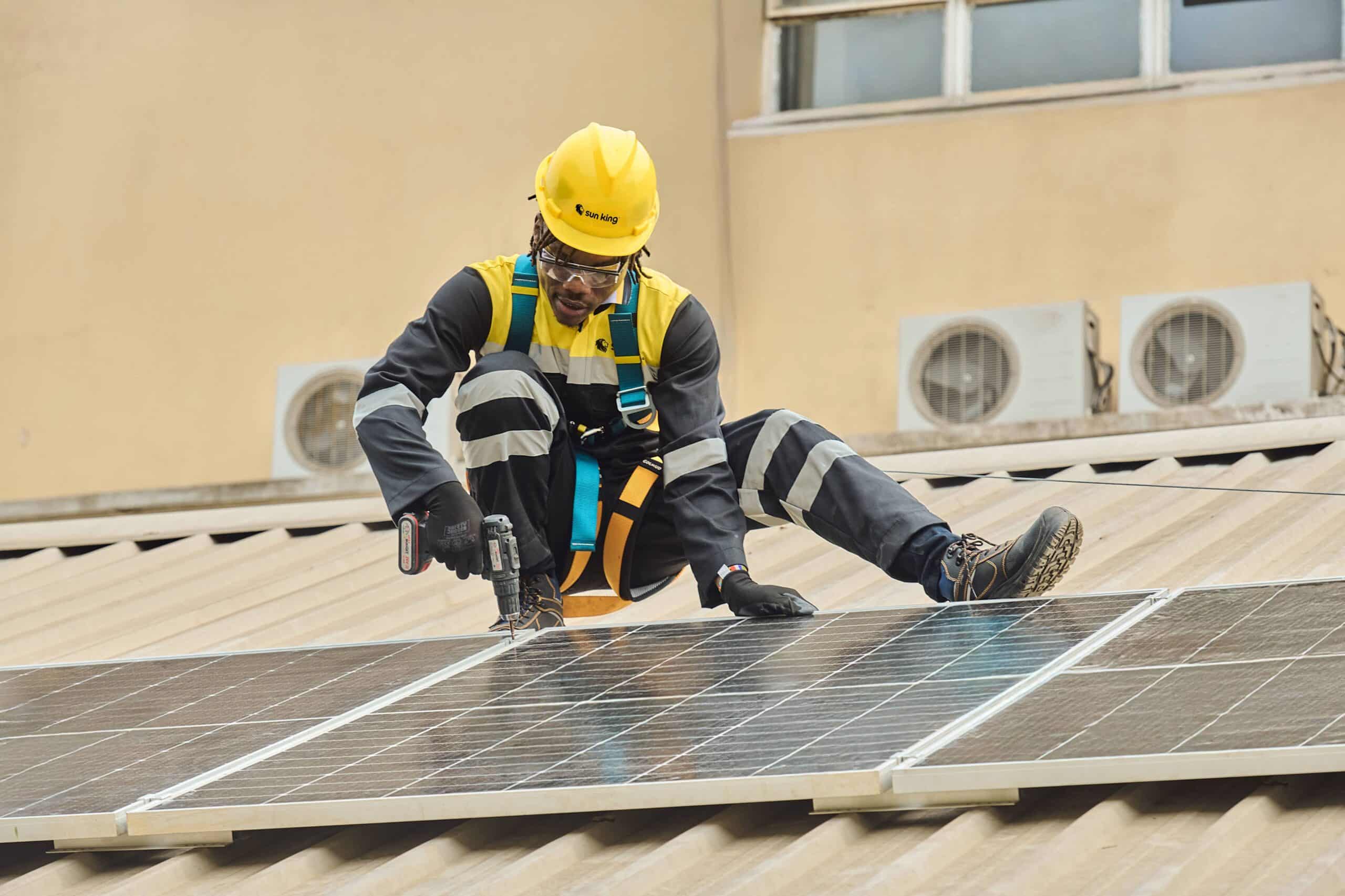
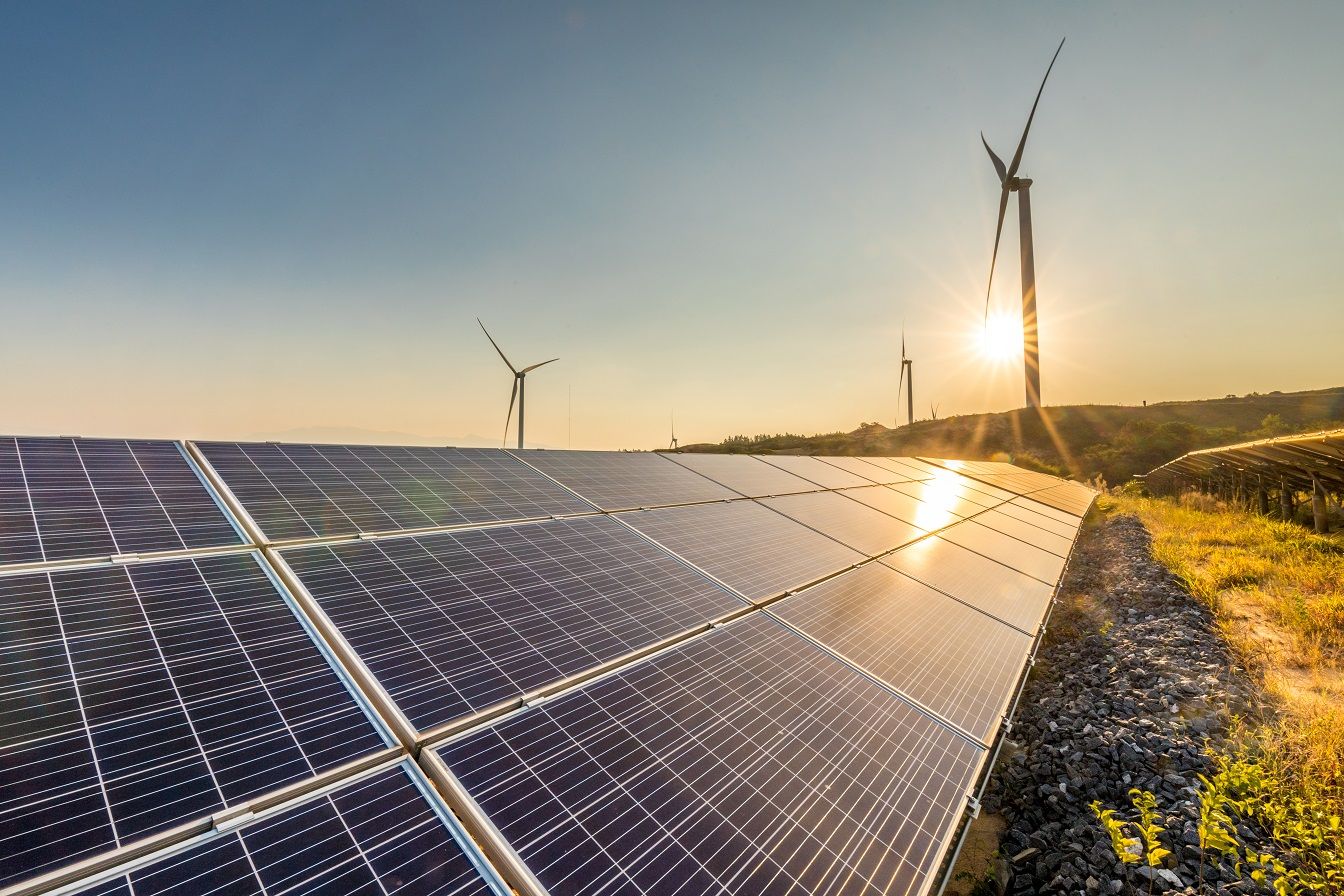
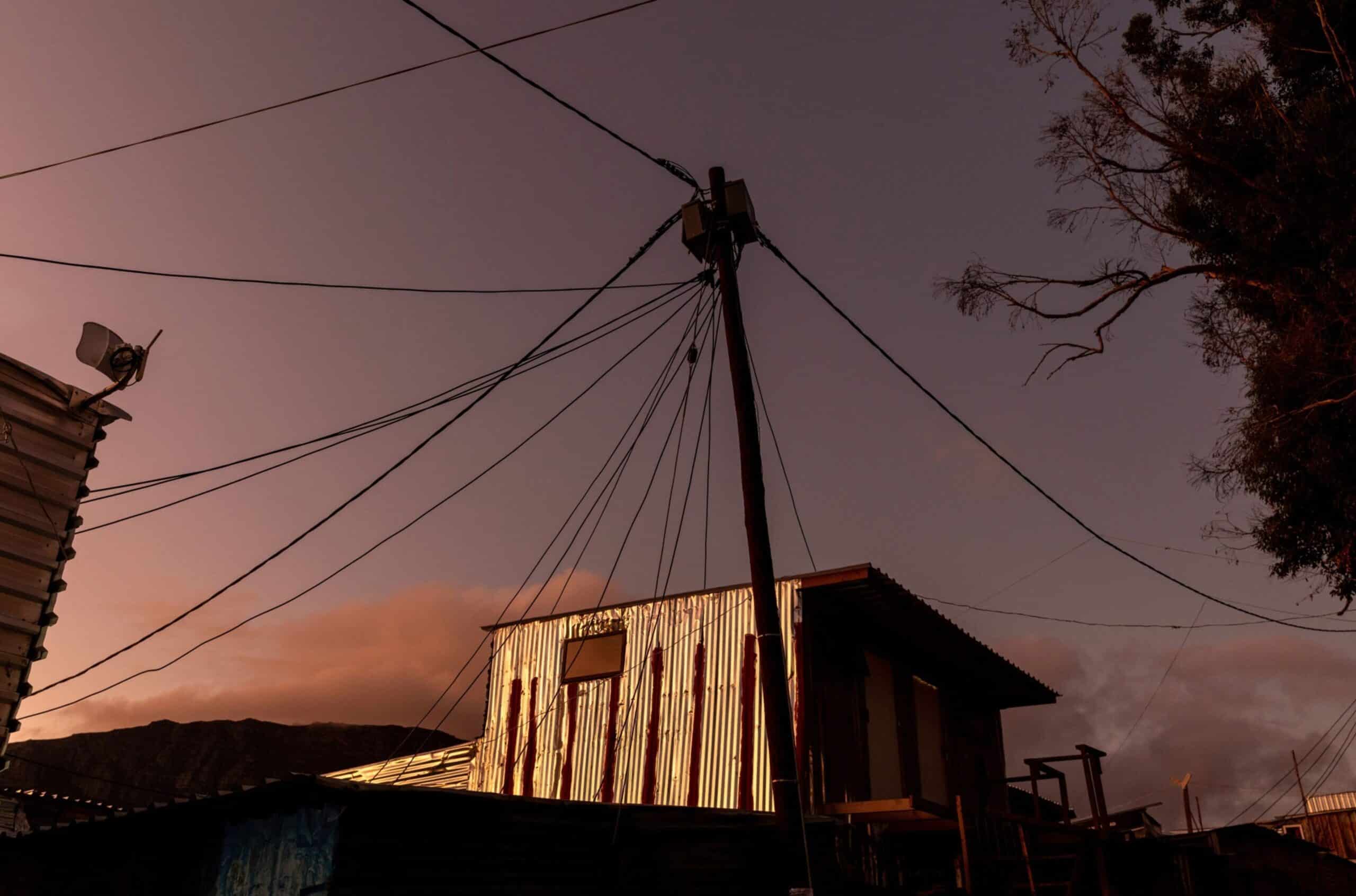
According to Lamola, the funding will be directed at strengthening South Africa’s power grid and expanding renewable energy capacity, areas that have remained under pressure due to persistent electricity shortages.
The €200 million facility is expected to support infrastructure upgrades within South Africa’s electricity network, particularly in transmission and renewable integration.
South Africa has faced recurring power supply challenges in recent years, with constraints in generation and grid capacity affecting businesses and households.
The government has since stepped up engagement with international partners to secure financing for energy reforms.
Speaking after the meeting, Lamola said the latest agreement forms part of ongoing efforts to stabilise the country’s energy sector.
“The loan will support investment in our power grid and renewable energy capacity,” he said.
However, the agreement goes beyond the latest facility. Germany has also extended additional support of more than €270 million ($317.5 million) for projects linked to green hydrogen and battery value chains, according to the minister.
Minerals and supply chain cooperation
Meanwhile, discussions between both countries also covered cooperation in critical minerals, a sector gaining attention due to its role in clean energy technologies.
South Africa holds significant reserves of minerals such as manganese and platinum, which are used in battery production and other industrial applications.
German officials have increased engagement with mineral-rich countries as part of efforts to secure supply chains for its manufacturing sector.
Lamola noted that cooperation in this area will continue alongside existing partnerships on renewable energy and industrial development.
The agreements were reached during engagements held under the framework of long-standing bilateral relations between both countries, which include structured cooperation on economic and technical matters.
Climate financing push
The latest loan adds to a series of climate finance commitments extended to South Africa under international partnerships aimed at supporting energy transition.
The government noted that efforts to diversify its energy mix have required significant external financing, particularly for infrastructure upgrades and renewable projects.
Previous funding arrangements from international partners have focused on similar priorities, including grid expansion and clean energy development.
The additional €270 million earmarked for green hydrogen and battery projects signals continued interest in developing new industrial value chains linked to energy transition.
These sectors are expected to play a role in future manufacturing and export activity, especially as demand grows for low-carbon technologies.
What you should know
South Africa’s electricity system is largely dependent on coal-fired power plants, with limited grid capacity posing challenges for renewable integration.
International financing has become a key part of the country’s strategy to modernise its energy sector and address supply constraints.
Germany is one of several partners supporting these efforts through concessional loans and technical cooperation.
The focus on critical minerals represents growing global demand for resources used in clean energy technologies, including batteries and hydrogen systems.
Ongoing engagements between both countries are expected to continue within broader economic and climate cooperation frameworks.