


West African country Ghana has announced a US$3.4 billion renewable energy action and investment plan designed to accelerate its transition to clean power.
The disclosure was made known by the Minister for Energy and Green Transition, John Abdulai Jinapor during the 3rd Renewable Energy Forum Africa (REFA 2025) held in Accra on Wednesday.
Jinapor said the programme will direct the country’s energy transformation over the next five years and that it prioritises private-sector investment and structured financing to support long-term implementation.
“We have taken bold and decisive actions to develop our renewable energy sector for economic prosperity,” he said.
The minister also called for greater cooperation among African governments, developers and investors. He said coordinated capital mobilisation and technology deployment would help the continent scale renewable energy faster and reduce dependence on fossil fuels.
“If we work together to harness just 20% of our renewable energy resources, we stand the chance to eradicate energy poverty and fuel sustainable development for all,” he said.
He added that Ghana’s strategy aligns with regional efforts to stabilise supply, reduce generation costs and create a more resilient power system.
Breakdown of the planned capacity
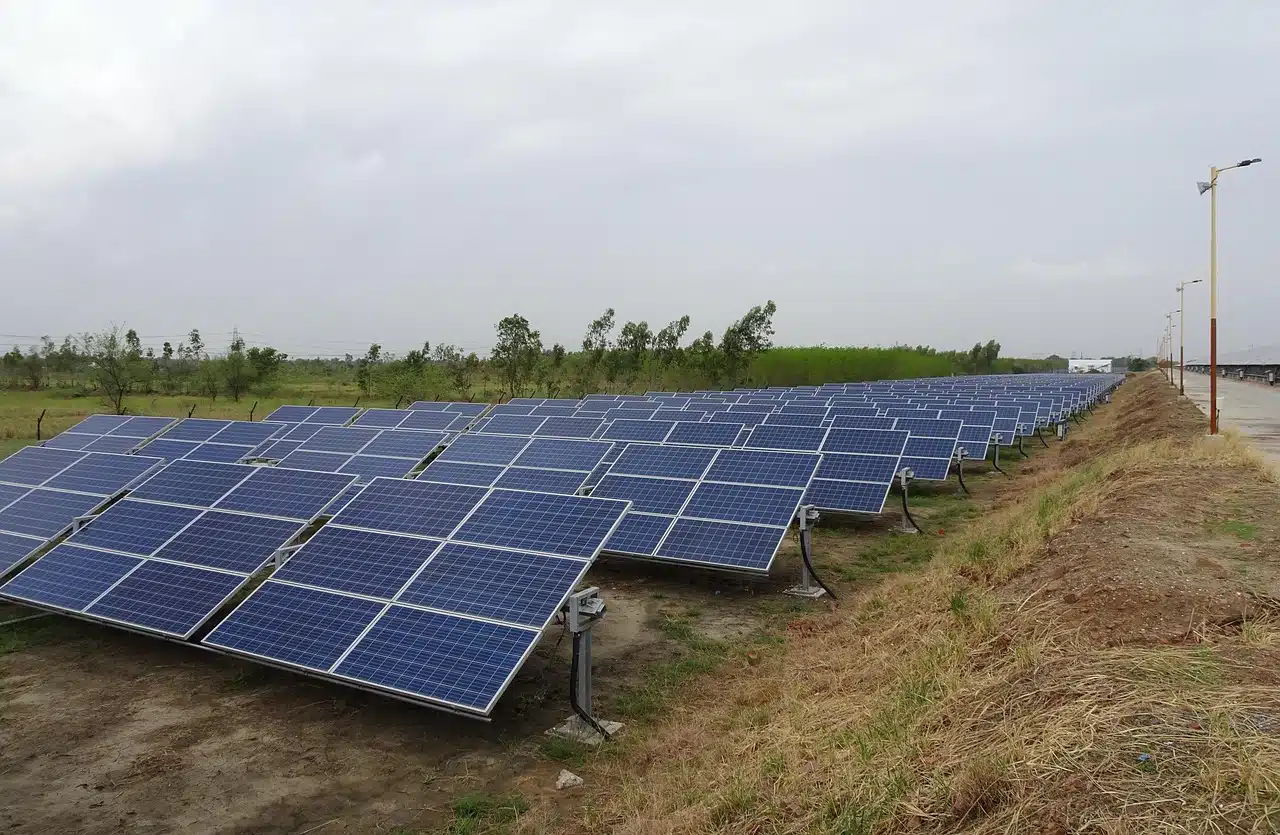
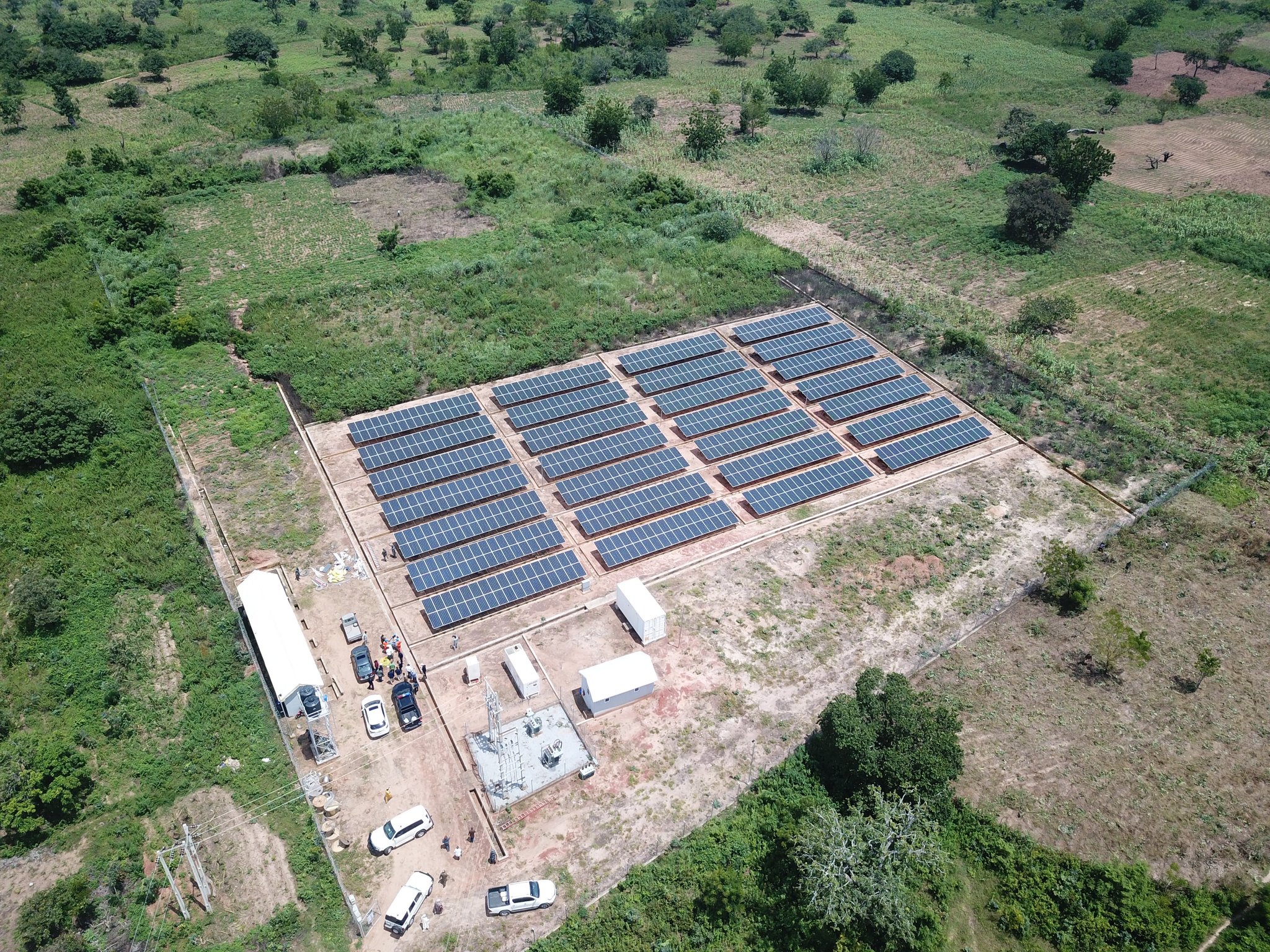
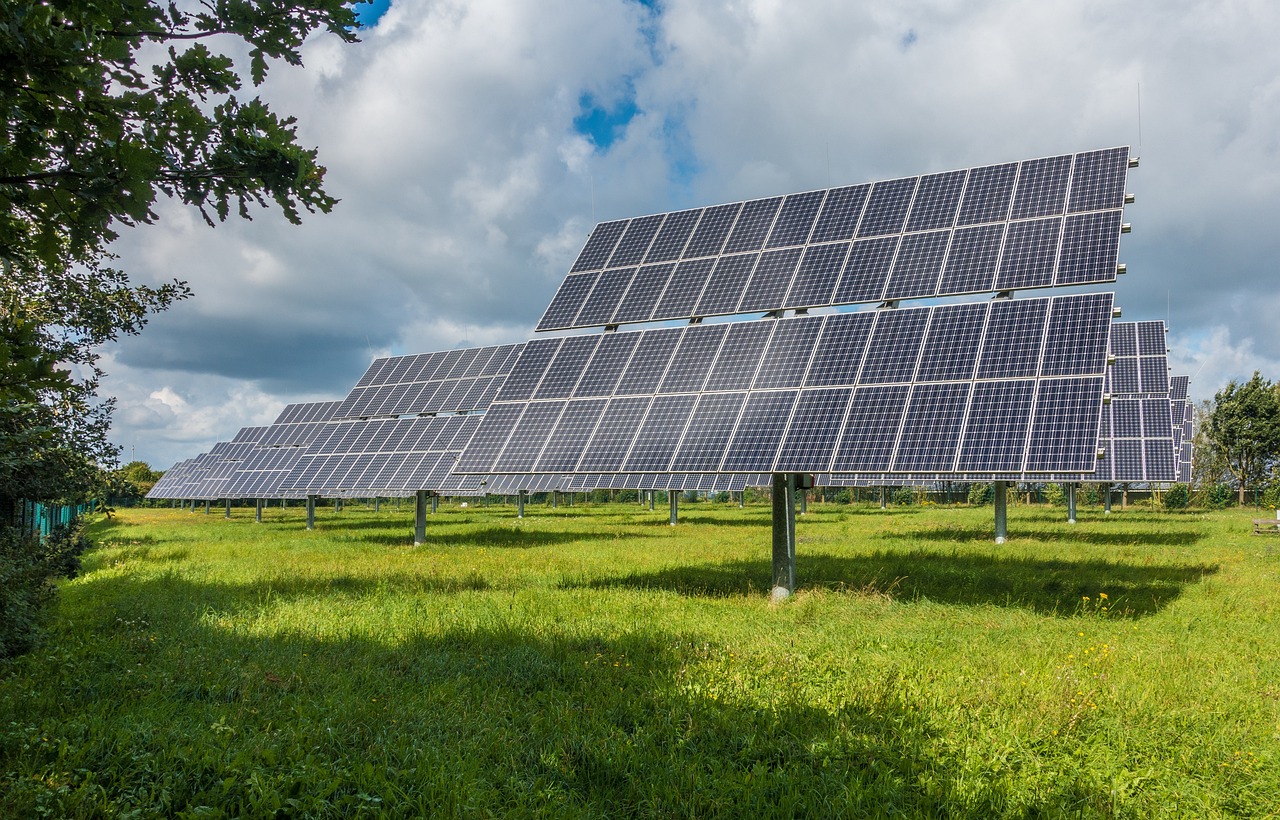
According to him, Ghana plans to install 1,400MW of renewable energy capacity and this will come from new utility-scale solar plants, hybrid clean-energy systems and distributed renewable installations.
The expansion is expected to diversify the country’s generation mix and ease pressure on existing thermal plants.
A second major component is the rollout of 400 mini-grids. These systems will target rural and island communities that continue to operate outside the national grid.
The installations are designed to boost electricity access in areas that have struggled with unreliable or non-existent supply for years.
Policy measures driving renewable expansion
Jinapor said several regulatory reforms will support the new programme. The measures include streamlined licensing procedures.
The new plan is supported by regulatory reforms aimed at mobilising more private capital into renewables.
He explained that Ghana is strengthening licensing processes, updating grid-integration rules and expanding incentives for independent power producers and these measures are intended to reduce project delays and improve investor confidence.
“These adjustments are intended to shorten approval timelines and improve the investment climate,” he said.
The Minister added that clear and predictable market structures will be central to scaling utility-scale solar, hybrid solutions and distributed generation.
Recent developments
The minister cited recent progress in Ghana’s solar rollout.
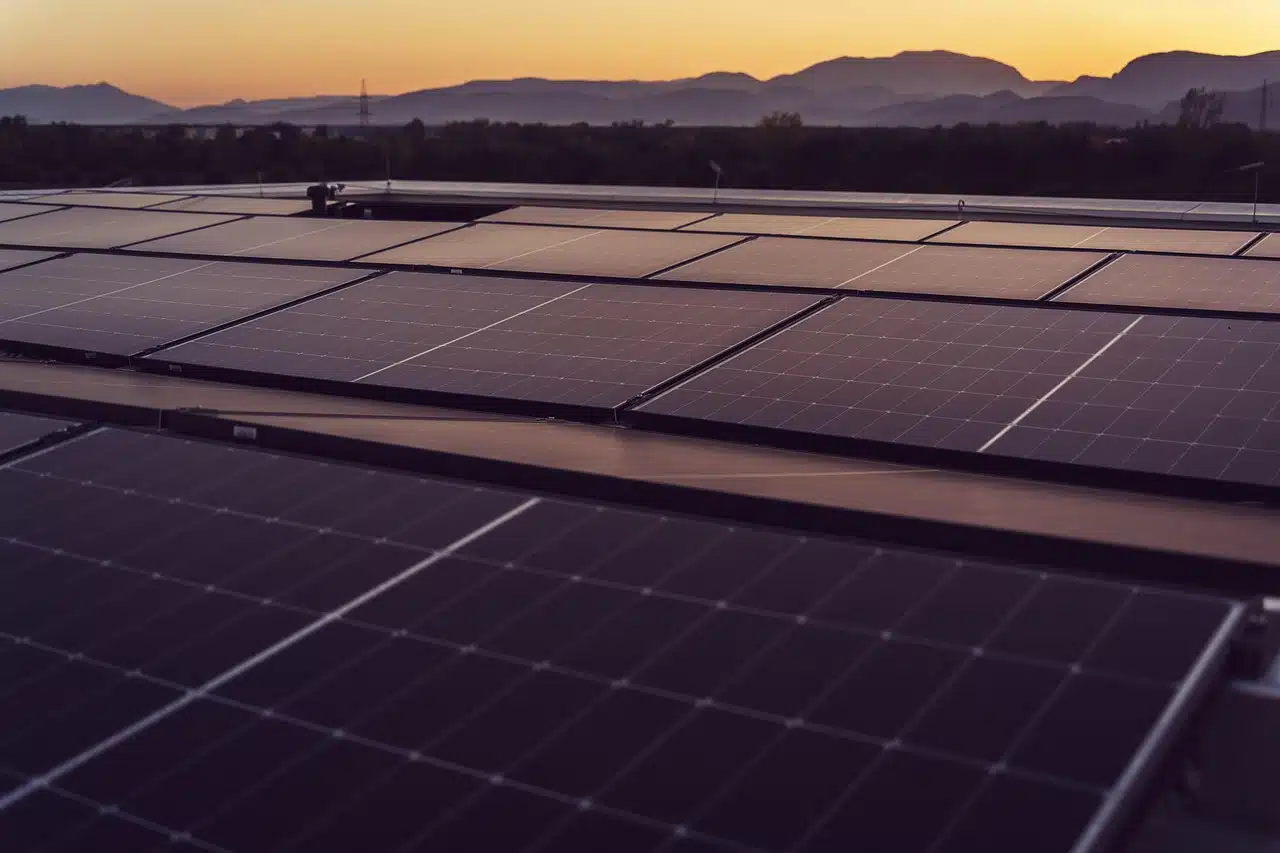
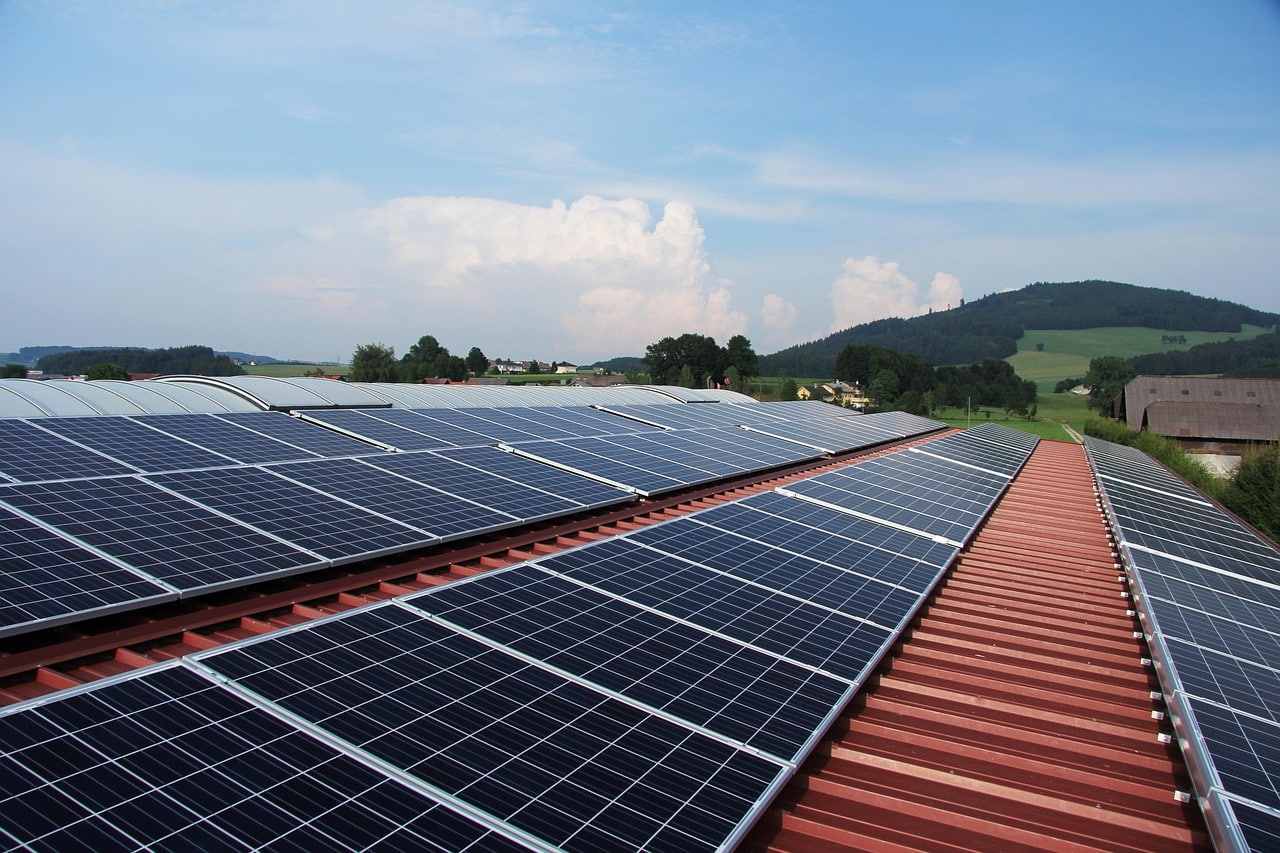
He mentioned that the 16.8MW rooftop solar installation in the Tema industrial enclave is currently the largest single-rooftop solar system on the continent.
The project was developed to reduce demand pressure on the national grid and provide industrial users with more stable supply.
Jinapor also referenced the 200MW solar plant launched by President John Dramani Mahama. The facility will be expanded in phases until it reaches 1,000MW by 2032.
In March 2025, Ghana signed a $13.43 million grant agreement with Japan to improve electricity supply stability in the country and across West Africa.
The deal was signed in Accra by Ghana’s Finance Minister, Cassiel Ato Baah Forson, and Suzuki Momoko, Chief Representative of the Japan International Cooperation Agency (JICA) Ghana Office.
At the forum, Jinapor noted that Africa holds 60% of the world’s solar potential, yet energy poverty persists, posing a significant barrier to industrial and economic growth
Connections to regional renewable-energy efforts
Ghana’s renewable-energy plan comes as several West African countries expand mini-grids, hybrid solar systems and privately financed utility-scale solar farms.
These developments are influencing investment patterns and shaping new energy trends across the region.
Jinapor said the project complements Ghana’s existing Scaling-Up Renewable Energy Programme, which supports rooftop solar, home systems and mini-grid electrification.