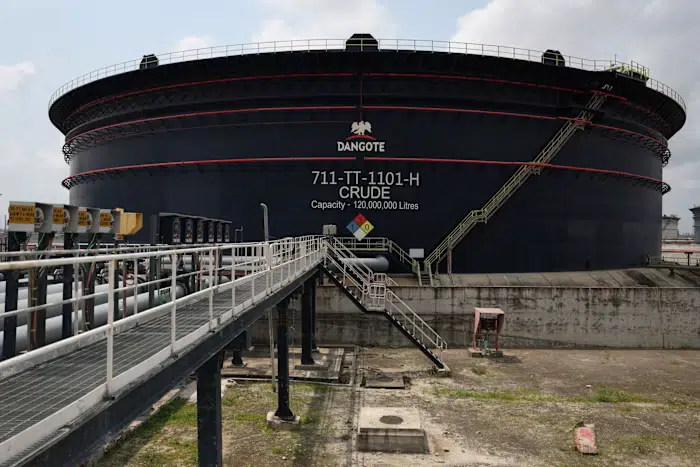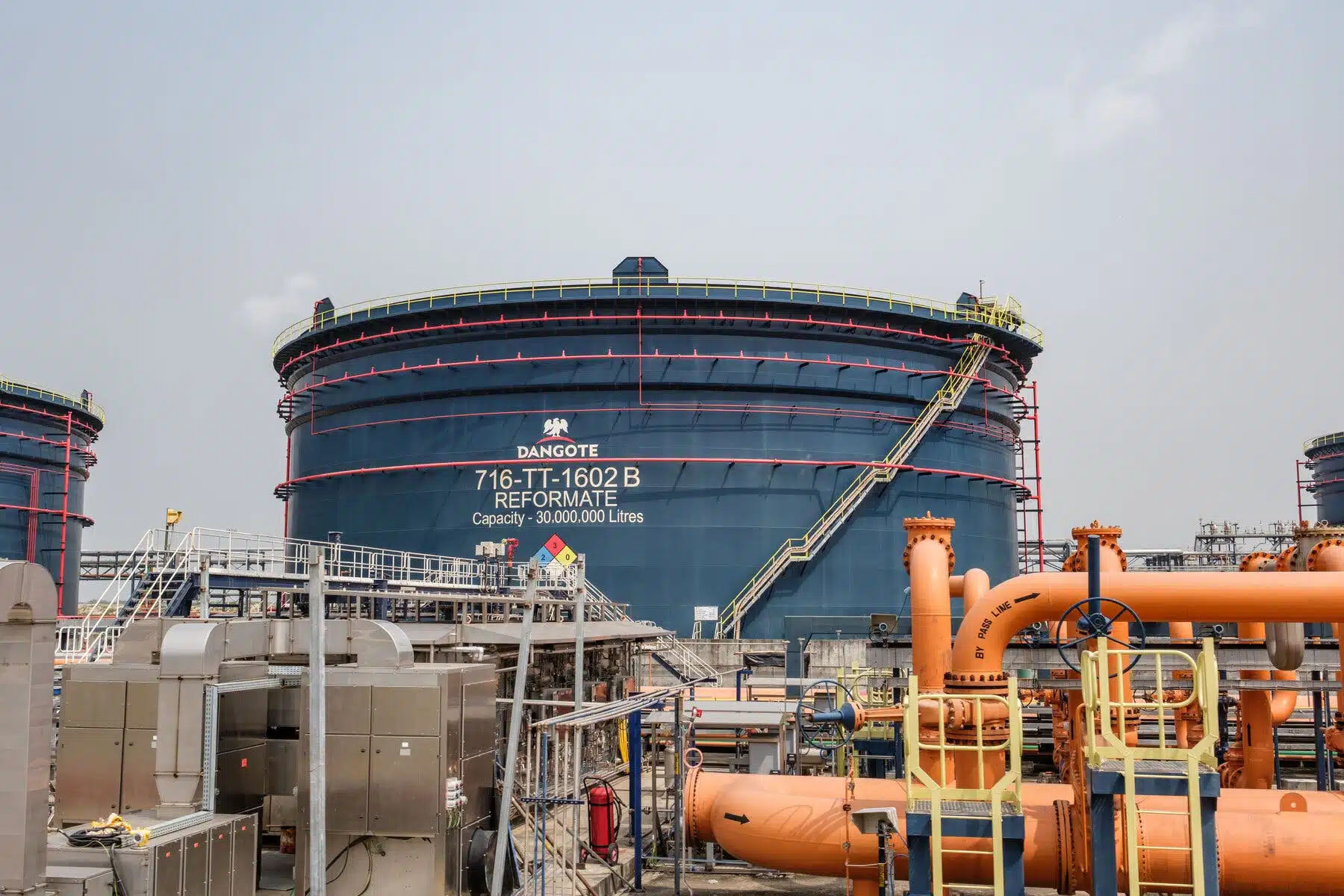

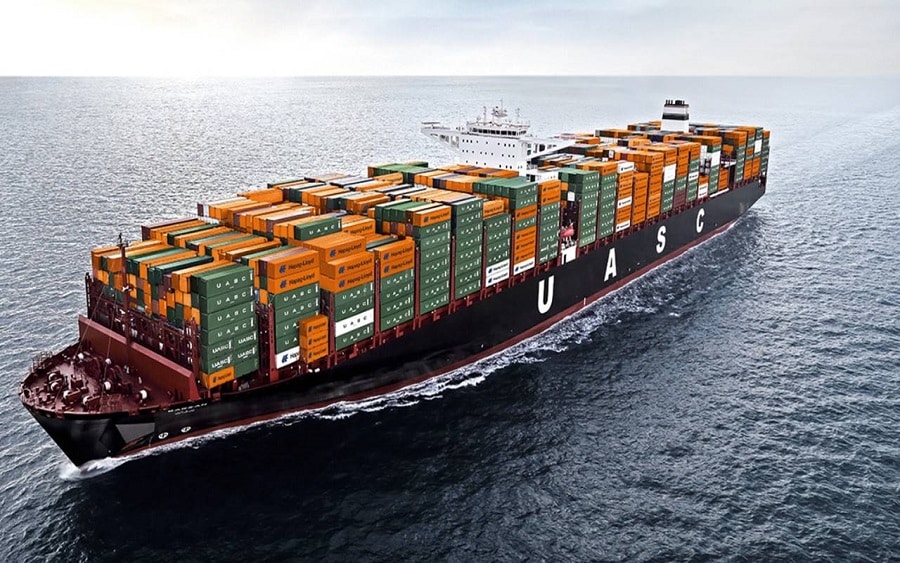


Fuel retailers in Kenya have warned of possible fuel shortages across the country as no fuel shipment is expected to arrive at the Port of Mombasa, the country major import hub, for about two weeks, raising concerns over supply disruptions linked to the ongoing Middle East conflict.
According to a report by Reuters, hundreds of fuel dealers in Kenya are already running short of supplies, with about 20 per cent of fuel outlets affected after the government froze pump prices despite rising global oil costs.
The chairman of the Petroleum Outlets Association of Kenya, Martin Chomba, said the situation could worsen in the coming weeks if supply disruptions continue.
“We have constrained supply,” Chomba told Reuters, adding that about 20 per cent of the country’s roughly 3,100 fuel retailers are already affected. He warned that within two weeks, the country could face a major fuel shortage if tensions in the Middle East persist.
Supply disruptions linked to Middle East conflict
African countries are among the most exposed to fuel supply disruptions and rising prices following the conflict involving Iran, the United States and Israel, which has disrupted shipments through the Strait of Hormuz.
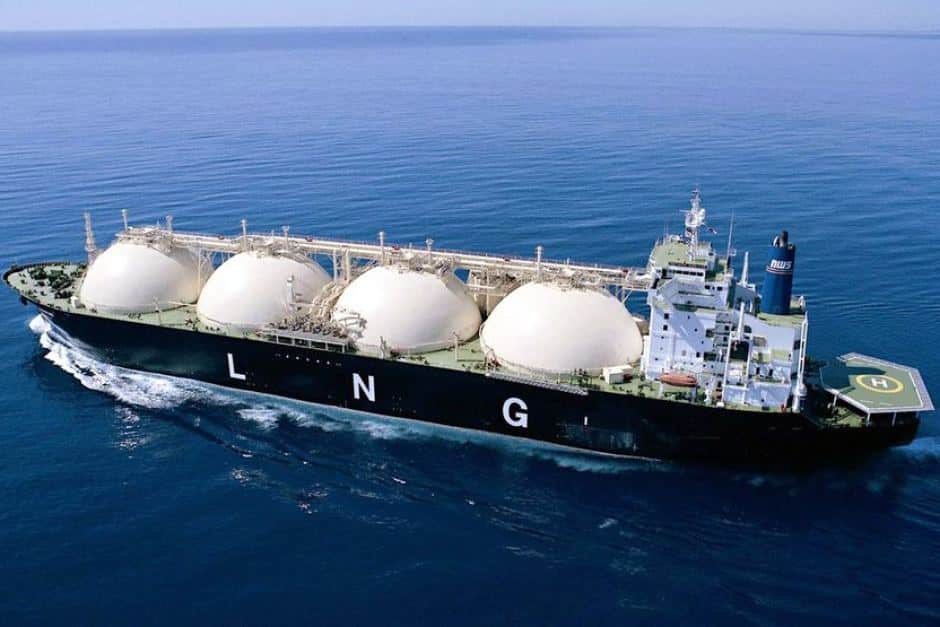
The Strait of Hormuz is a major global oil transit route, through which about one-fifth of the world’s oil and liquefied natural gas shipments pass.
Disruptions to shipments through the route have affected fuel supply chains and pushed global oil prices higher.
Kenya relies entirely on fuel imports from the Middle East through government-to-government supply agreements with Gulf oil producers and refiners, making the country vulnerable to supply disruptions in the region.
Price controls and hoarding concerns
On March 14, Kenya’s energy regulator, the Energy and Petroleum Regulatory Authority, left pump prices unchanged for 30 days despite rising global oil prices, a move that retailers say has contributed to supply shortages.
Chomba said fuel dealers may begin hoarding petroleum products in anticipation of possible fuel price increases next month. He also said the association had urged the government to review the government-to-government fuel supply arrangement and allow marketers to source fuel from private suppliers as a contingency measure.
However, Director General of the Energy and Petroleum Regulatory Authority, Daniel Kiptoo Bargoria, said Kenya still has sufficient fuel stocks and that the regulator would issue an official statement on the situation.
A member of the ruling party in Kenya’s parliament, Nelson Koech, said speculation, panic buying and hoarding by oil marketers in anticipation of fuel price increases have also contributed to increased demand for fuel in recent weeks, affecting supply availability at some outlets.
Analysts say if shipments do not arrive at the Port of Mombasa, the nation main supply link, within the next two weeks, fuel shortages could spread across the country, affecting transport, businesses and electricity generation that rely on petroleum products.