


The government of Kenya has announced plans to stabilise fuel prices after supply shortages affected some petrol stations across the country amid disruptions linked to Middle East oil shipments.
The move comes as Vivo Energy, the country’s largest fuel retailer, said increased fuel demand had resulted in temporary outages at some of its service stations. The company disclosed this in a post on X on Thursday.
On its part, Kenya’s Treasury Secretary, John Mbadi, told lawmakers in Nairobi that the government would use the Petroleum Development Levy to help cap petrol and diesel pump prices and prevent sharp increases.
According to him, the government is taking early measures to protect consumers from rising fuel costs as global supply disruptions continue to affect oil markets.
“Kenya will utilise its petroleum development levy to cap pump prices, though a lengthy war could become an emergency,” Mbadi told lawmakers, expressing hope that the conflict affecting oil shipments would not continue for long.
Middle East supply disruptions affecting Africa
Many African countries, particularly in East and Southern Africa, rely heavily on refined fuel imports from the Middle East.
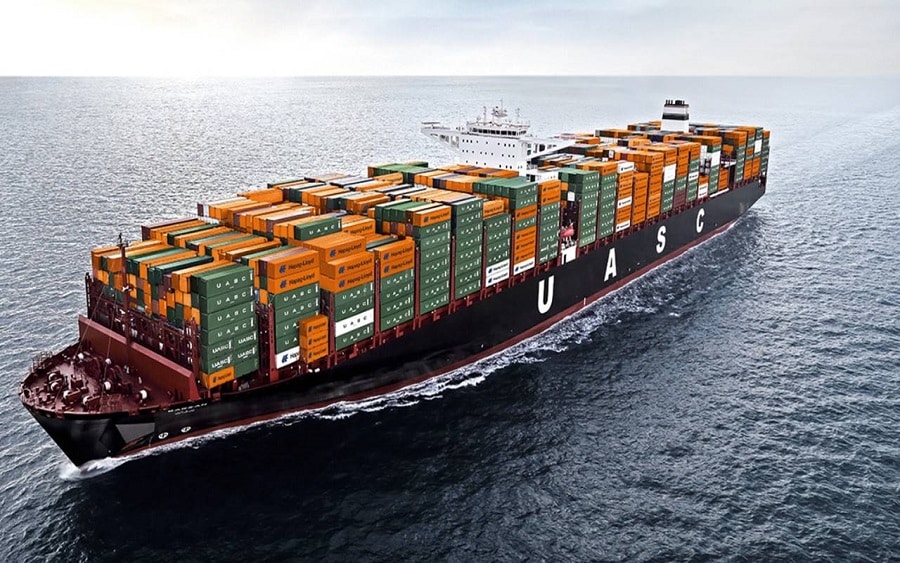
However, the ongoing conflict in the region has disrupted shipments through the Strait of Hormuz, one of the world’s most important oil shipping routes.
As a result, several countries in the region are currently relying on stored fuel reserves expected to last only a few weeks, raising concerns about supply shortages and price increases.
Governments across the region have moved to reassure citizens that there are sufficient fuel stocks while also warning against panic buying and hoarding of petrol and diesel.
Rural stations worst hit
Fuel shortages have been more severe in rural areas, where independent petrol stations are struggling to access fuel supplies at competitive prices.
According to the Petroleum Outlets Association of Kenya, major oil companies have slowed wholesale distribution, affecting independent operators that depend on them for supply.
“Rural stations are the worst hit — we can’t get product at competitive prices,” said Martin Chomba, chairman of the Petroleum Outlets Association of Kenya.
He added that about 68 per cent of Kenya’s roughly 6,200 petrol stations are non-franchised, and many of them are currently unable to access fuel supplies.
Growing pressure on fuel supply
The supply disruptions and shortages at some stations are raising concerns about fuel availability and price stability in Kenya if global supply challenges persist.
Energy analysts say the situation could worsen if Middle East shipping disruptions continue, as many African countries depend on imported refined fuel rather than local refining capacity.
The Kenyan government said it would continue monitoring the situation and take additional measures if necessary to maintain stable fuel prices and ensure continued supply across the country.