


The government of Kenya is planning to purchase about 3,000 electric vehicles for publlic officials use as part of efforts to reduce dependence on petroleum and promote clean energy transport.
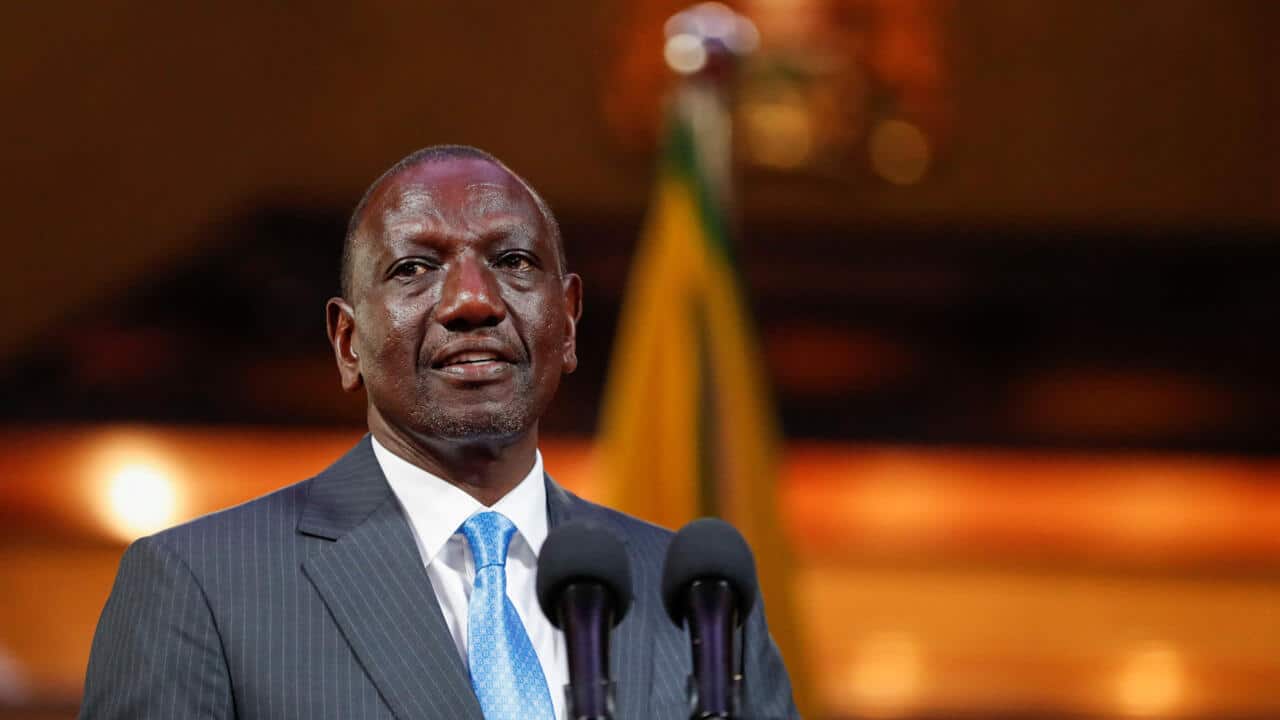
Kenya’s Treasury Cabinet Secretary, John Mbadi, disclosed this in an interview with Business Redefined, by stating that the decision was taken in a meeting attended by President William Ruto and Interior Cabinet Secretary Kithure Kindiki.
“For the information of this committee, we were supposed to buy about 2,500 vehicles but now we have taken a decision… the government vehicles that we are going to buy, about 3,000 of them, we have said we are buying EV vehicles already,” Mbadi said in the interview.
He added that the government is already sourcing suppliers and working on plans to assemble the vehicles locally.
“We are already succeeding in getting a supplier who is coming to actually assemble the vehicle here, creating job opportunities for people, so we are moving away from petroleum dependent vehicles,” he said.
Plan to support local manufacturing
According to Mbadi, the plan to assemble electric vehicles locally is expected to create employment opportunities and support Kenya’s industrial sector.
He said the government would begin the transition with public sector vehicles before encouraging adoption in the private sector through policy incentives.
“There will have policy interventions including some benefits through tax laws to encourage more adoption,” he added.
Kenya pushing electric mobility
Kenya has been promoting electric mobility in recent years as part of efforts to reduce fuel imports and lower carbon emissions from transport.
IReports show that the country has recorded significant growth in electric vehicle adoption, with electricity consumption from EV charging increasing sharply as more vehicles enter the market.
The shift toward electric vehicles is also expected to reduce government spending on fuel for official vehicles while supporting the country’s clean energy transition.
The planned procurement of electric vehicles for government use is expected to serve as a pilot phase before broader adoption across the country.
The government is also expected to introduce policy incentives, including tax benefits and regulatory support, to encourage private sector investment in electric vehicles and charging infrastructure.
The move signals Kenya’s broader strategy to transition toward electric mobility, reduce reliance on fossil fuels and support local vehicle assembly as part of industrial development and job creation efforts.