


In the news:
• Libya cut gas flaring by about 100 million cubic feet per day in 2025.
• NOC and oil partners delivered the reduction through field upgrades.
• The move boosts gas utilisation and lowers emissions.
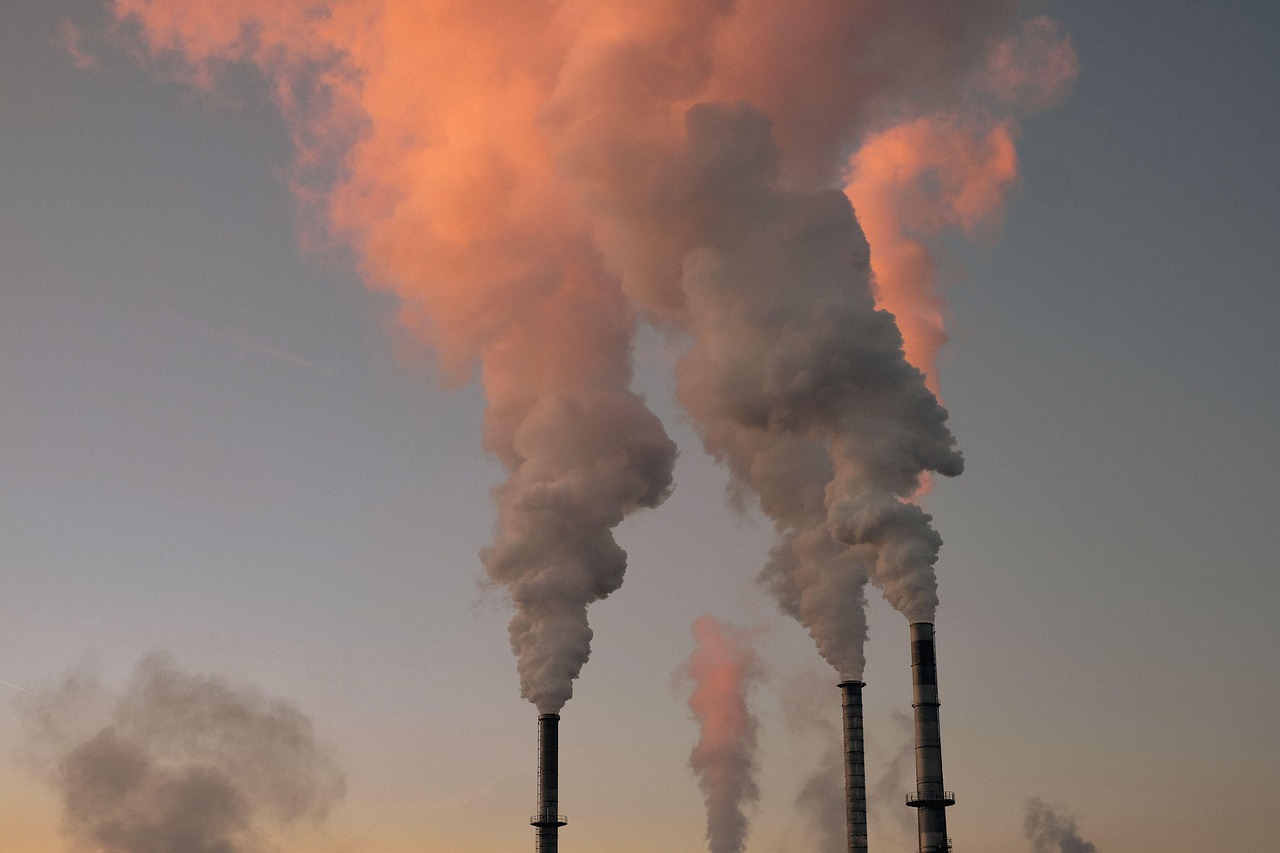
Libya’s National Oil Corporation (NOC) and its partners achieved approximately 100 million cubic feet per day reduction in gas flaring in 2025, a significant improvement as the country seeks to maximise utilisation and minimise environmental emissions.
The milestone was achieved through the implementation of strategic projects executed by several oil companies in cooperation with NOC, LibyaUpdate said on Monday.
Sirte Oil Company was one of the prominent participants of the project, with three major projects completed. This included the pumping Al-Hatiba field condensates into a low-pressure line, resulting in significant reduction in gas flaring.
The company also redirected about 60 million cubic feet of flared gas per day from its Al-Lahib and Al-Ragouba fields to the coastal network.
The gas separation system at Al-Lahib field was also rehabilitated, releasing some 12 million cubic feet daily for gas lift operations within the field.
Two other companies namely Al-Sarir Oil and Waha Oil both implemented technical upgrades on their installations that took a combined 45 million cubic feet of gas daily off the flare stack in 2025.
Al-Sarir’s modification yielded approximately 25 million cubic feet of gas daily, while Waha Oil cut about 20 million cubic feet per day at the North Al-Duffa field after installing a gas compressor there.
What this means for Libya
Libya remains among Africa’s leading gas flaring nations, burning large volumes of associated gas produced alongside oil.
NOC says recent measures have begun to improve operational efficiency and increase the utilisation of national resources, with emissions already reduced.
The corporation has pledged to align with global best practices in sustainability and clean energy. In 2026, NOC is targeting a further cut of around 120 million cubic feet per day, part of its long‑term plan to achieve near‑zero flaring by 2030.
To reach this goal, NOC is investing in innovative technologies designed to capture and repurpose gas that would otherwise be wasted.
It also intends to issue new exploration licences, signalling a broader push to modernise Libya’s energy sector and strengthen its role in the global transition to cleaner fuels.
Untapped potential amid new investment interest
Meanwhile, Libya holds one of Africa’s largest proven gas reserves—around 53 trillion cubic feet—yet its gas industry remains relatively small compared with oil.
Despite this, the sector is strategically important both for domestic energy security and for Europe’s supply needs.
As of 2025, Libya produces between 12 and 15 billion cubic metres (bcm) of natural gas annually. Most of this is exported through the Greenstream pipeline to Italy, making Libya a key supplier to Europe, though volumes fluctuate due to political instability.
Domestic demand is rising, particularly for power generation. Gas accounted for more than 70% of electricity output in 2022, reducing reliance on oil‑fired plants.
According to the US Energy Information Administration, natural gas now represents 42% of Libya’s primary energy consumption. However, ageing pipelines, limited processing facilities and security risks continue to constrain growth.
In a bid to revitalise the sector, the Tripoli‑based government last year launched its first licensing round in nearly two decades. NOC said the exercise would boost reserves, support higher production and provide greater economic security.
Covering 11 offshore and 11 onshore blocks, the round has attracted up to 40 bidders, including major international oil companies that had previously been cautious about investing following the turmoil after Muammar Qaddafi’s overthrow in 2011.
NOC announced in November that the process had entered its final stages, with bids due to be opened in February.
At the same time, Libya is seeking to revive large‑scale gas projects, most notably Block NC‑7 in western Libya, a multibillion‑dollar development that could involve partnerships with Eni, TotalEnergies, ADNOC and Turkish Petroleum.