


In the News:
- The $1 billion LNG terminal will open in mid‑2026
- The project includes an FRSU linked by pipelines to industrial hubs
- Alongside Nador, Morocco is investing in two new deepwater ports at Dakhla and Tan‑Tan
Morocco is set to open its first liquefied natural gas (LNG) terminal in mid‑2026, as part of the launch of the Nador West Med port on the Mediterranean.
Officials say the project is designed to replicate the success of Tanger Med, which has become one of Africa’s largest logistics hubs.
The new port, currently under construction, is scheduled to begin operations in the second half of 2026.
According to Equipment and Water Minister Nizar Baraka, the site will initially provide 800 hectares for industrial activity, with plans to expand to 5,000 hectares, surpassing Tanger Med’s industrial zones.
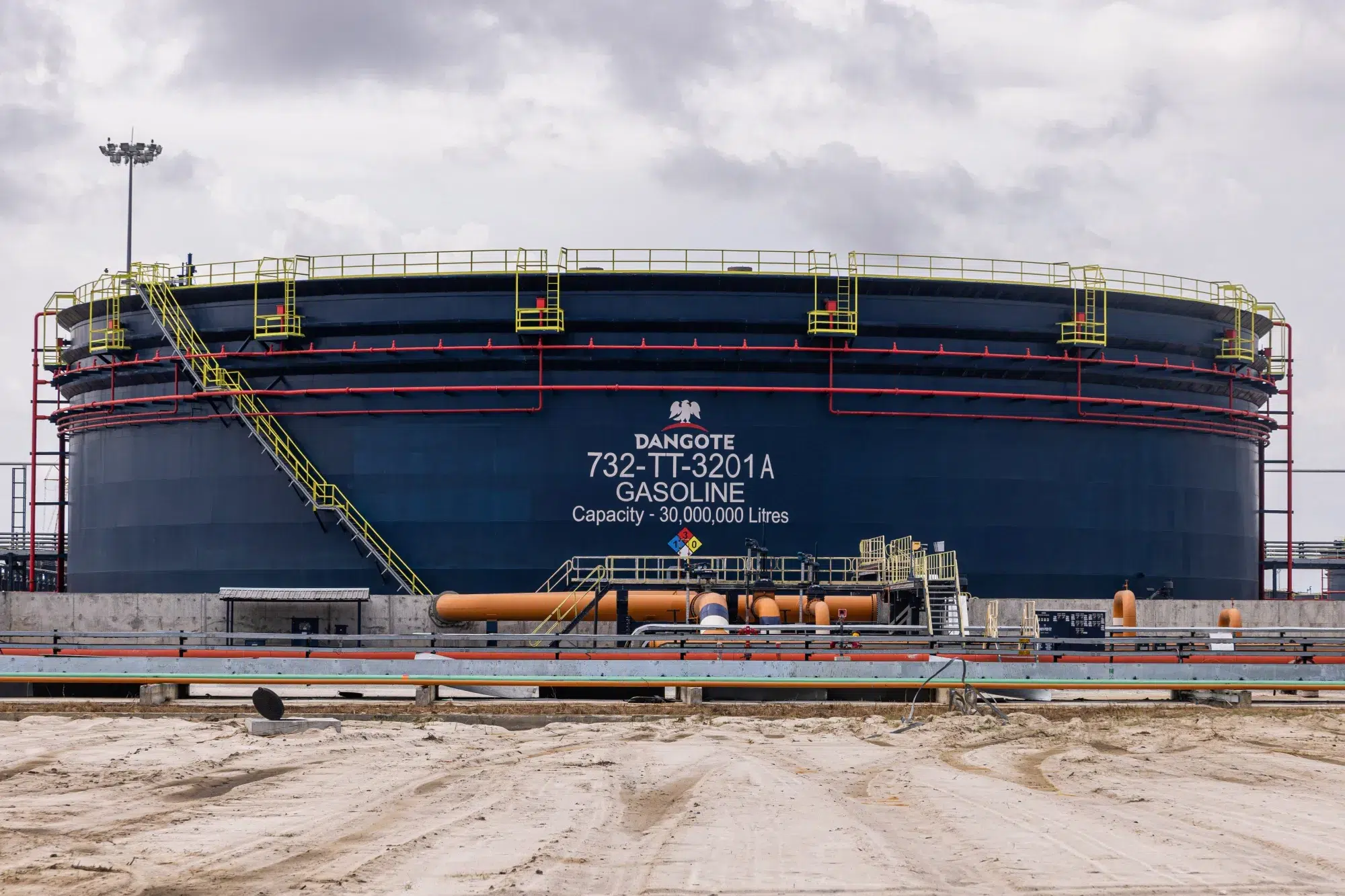
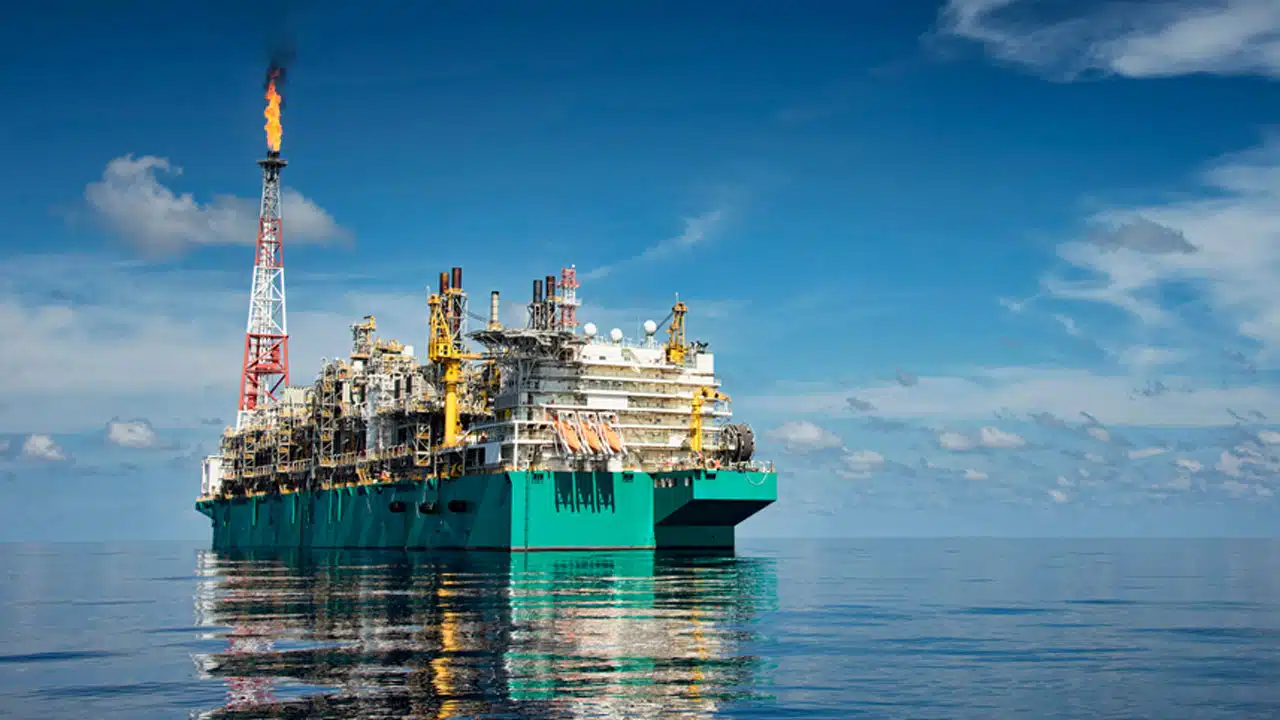
At its heart will be Morocco’s first LNG terminal—a floating storage and regasification unit (FSRU) connected by pipeline to industrial hubs in the northwest.
Morocco’s LNG ambitions
Morocco’s gas output has decreased significantly in recent years, prompting the government to target up to $3.5 billion in investment to boost gas consumption from around 1.2 billion cubic metres currently to 12 billion cubic meters by 2030.
Last December, it issued a tender seeking a company that would supply an FSRU that will be moored at the Nador port as well as interested firms to build, finance and operate new pipelines connecting the port to major industrial areas.
The pipelines will be connected to the Maghreb-Europe link, through which Morocco imports gas from Europe, as the projects will also form the backbone of a gas network that may one day carry green hydrogen both home and abroad.
Morocco’s Ministry of Energy Transition and Sustainable Development estimates the FSRU to cost about $273 million, while the new pipelines would require investments of $681 million.
The first phase of the terminal project, valued at $1 billion, is expected to strengthen Morocco’s energy security and support its transition from dirtier fuels towards cleaner fuels, aligning with Morocco’s 2050 decarbonisation target.
The country plans to invest $2 billion to construct gas-fired plants that would triple the amount of power generated by gas.
Between 2025 and 2030, a separate $11 billion is also being expected to be invested to unlock 12.5GW of renewable capacity.
“Gas will play a limited role in replacing coal, with planned renewable expansion being a far larger percentage of new capacity,” said Rachid Ennassiri, director of the Imal Initiative for Climate and Development.
More port facilities underway
Further south, Morocco is investing another $1 billion in a new port at Dakhla, in the disputed Western Sahara region. Scheduled for completion in 2028, the port will be the country’s deepest at 23 metres, designed to support heavy industries processing raw materials from Sahel countries.
The site will include 1,600 hectares for industrial activity and 5,200 hectares of farmland irrigated with desalinated water. Officials have promoted Dakhla as a gateway for landlocked Sahel nations to access global markets.
Both Nador and Dakhla ports will feature quays dedicated to exporting green hydrogen once production begins, underscoring Morocco’s ambition to position itself as a renewable energy hub.
These developments will add to Morocco’s existing deepwater ports—Tanger Med and Jorf Lasfar, the latter handling energy, bulk cargo and phosphate exports.
By 2024, Tanger Med’s industrial zones hosted 1,400 firms employing 130,000 people across sectors including automotive, aeronautics, textiles, agri‑food and renewable energy.
Baraka also revealed that Morocco is considering a new port at Tan‑Tan on the Atlantic, in partnership with green hydrogen investors, and that the feasibility studies are underway. In March last year, Morocco approved six green hydrogen projects worth $31.9 billion, with a number of developers.