


South African nation Namibia has unveiled a $1.76 billion plan to expand renewable energy and attract private investment into its power sector.
The strategy focuses on strengthening domestic supply, cut reliance on expensive electricity imports, and increase access to electricity across the country.
Under the initiative, $411 million of the total funding is expected to come from private investors. The remaining portion will be mobilised through public financing and support from development partners, including multilateral institutions.
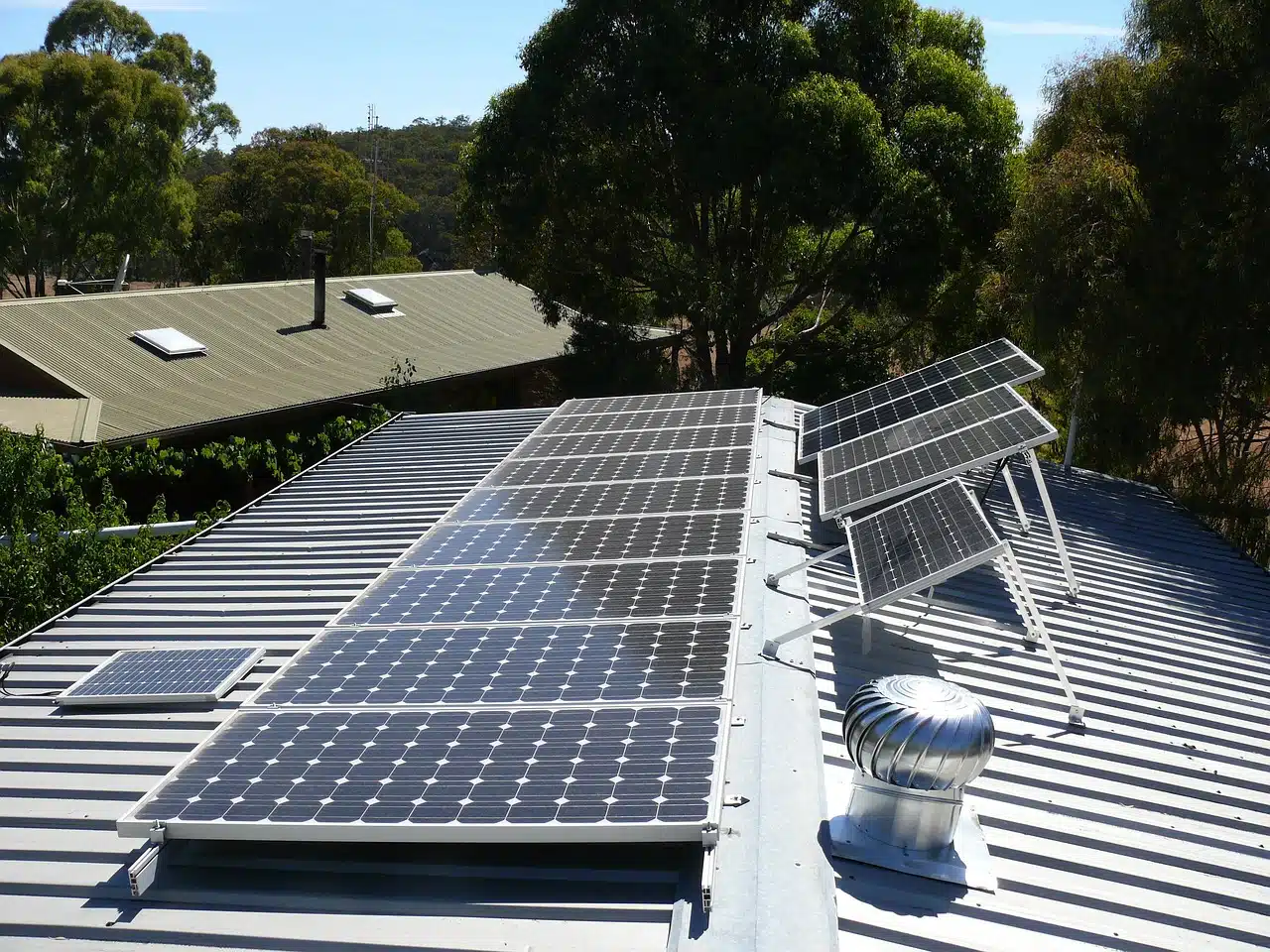
It aims to add 454 megawatts of renewable energy by 2030. This will lift the share of renewable power in Namibia’s generation mix to 70% from about 54% today.
The expansion seeks to reduce the country’s dependence on imports and improve access for millions of Namibians who still lack reliable electricity.
Import dependence strains and access
Namibia imports a large share of its electricity, including from South Africa. These imports have increased system costs, put upward pressure on tariffs, and strained foreign exchange reserves.
Its Minister of Mines and Energy, Natangwe Ithete has said Namibia cannot afford to remain dependent on external power sources, noting that reliance on imports contributes to rising tariffs and unreliable access.
The country’s electricity sector faces challenges, including high reliance on imports, rising costs, and limited access in some areas.
“Namibia currently relies on costly imports for more than half of its electricity needs, which the government said has led to some of the highest energy tariffs in Africa, while access to electricity stood at about 60% in 2023 with rural areas lagging far behind,” the source read in part.
To attract private investment, the government plans to streamline procurement processes for independent power producers.
It also intends to expand a single-buyer market model, allowing large consumers to purchase electricity directly from generators.
The plan also introduces incentives for battery energy storage systems to support integration of variable renewable energy into the grid.
Industry analysts note that battery storage systems help balance variable supply from solar and wind by storing excess energy and releasing it when generation is low.
Other ongoing power sector developments
Namibia already has several renewable projects under development that reflect this shift.
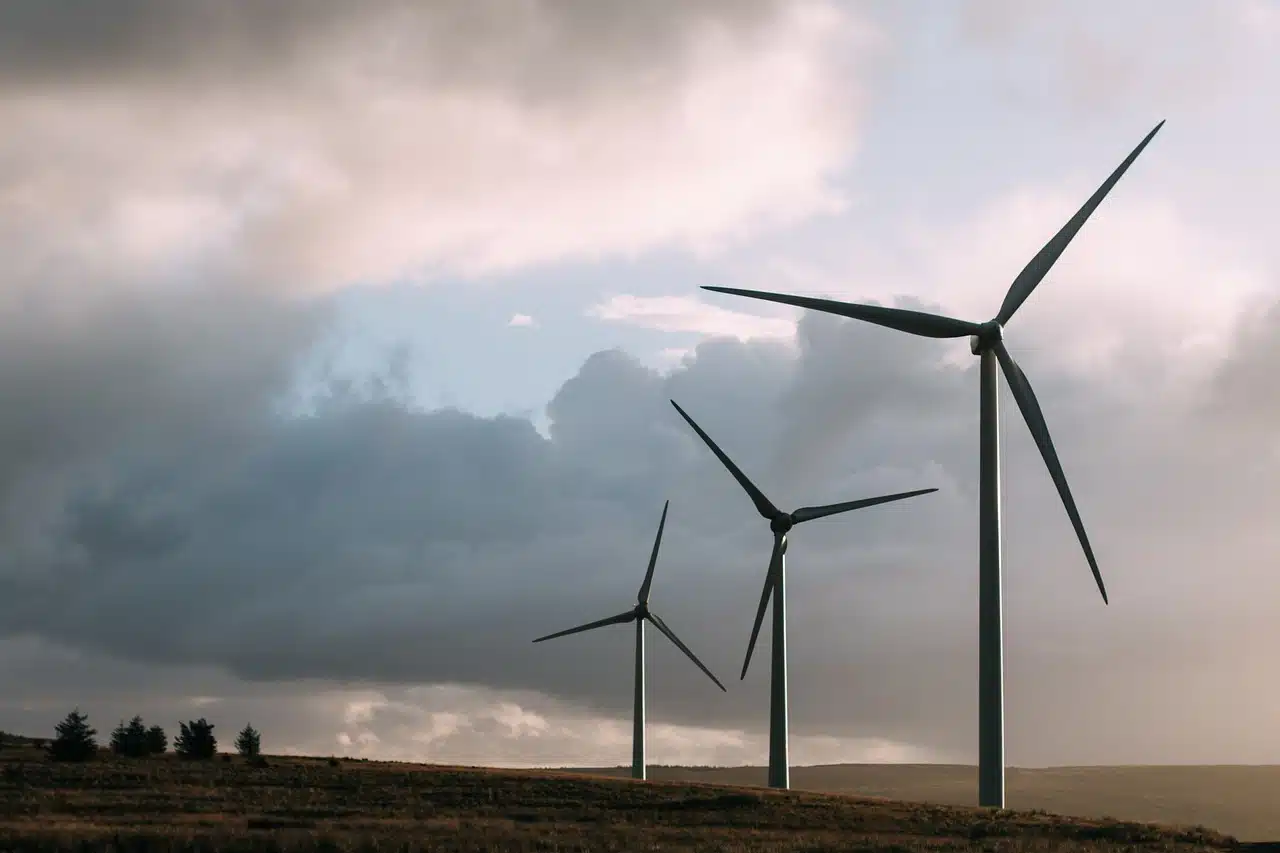
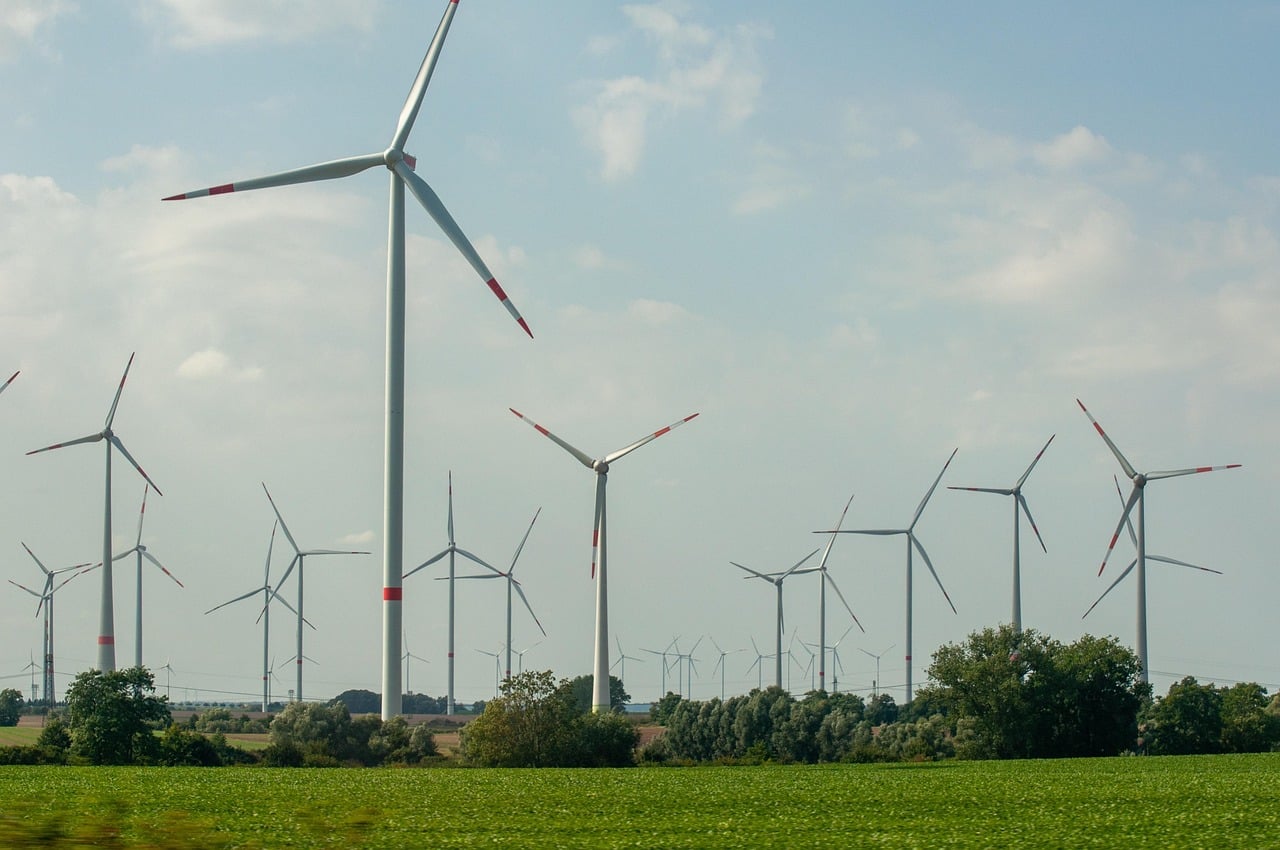
The Cerim Lüderitz Wind Power Station, a 50-megawatt wind project, is expected to add clean energy to the national grid.
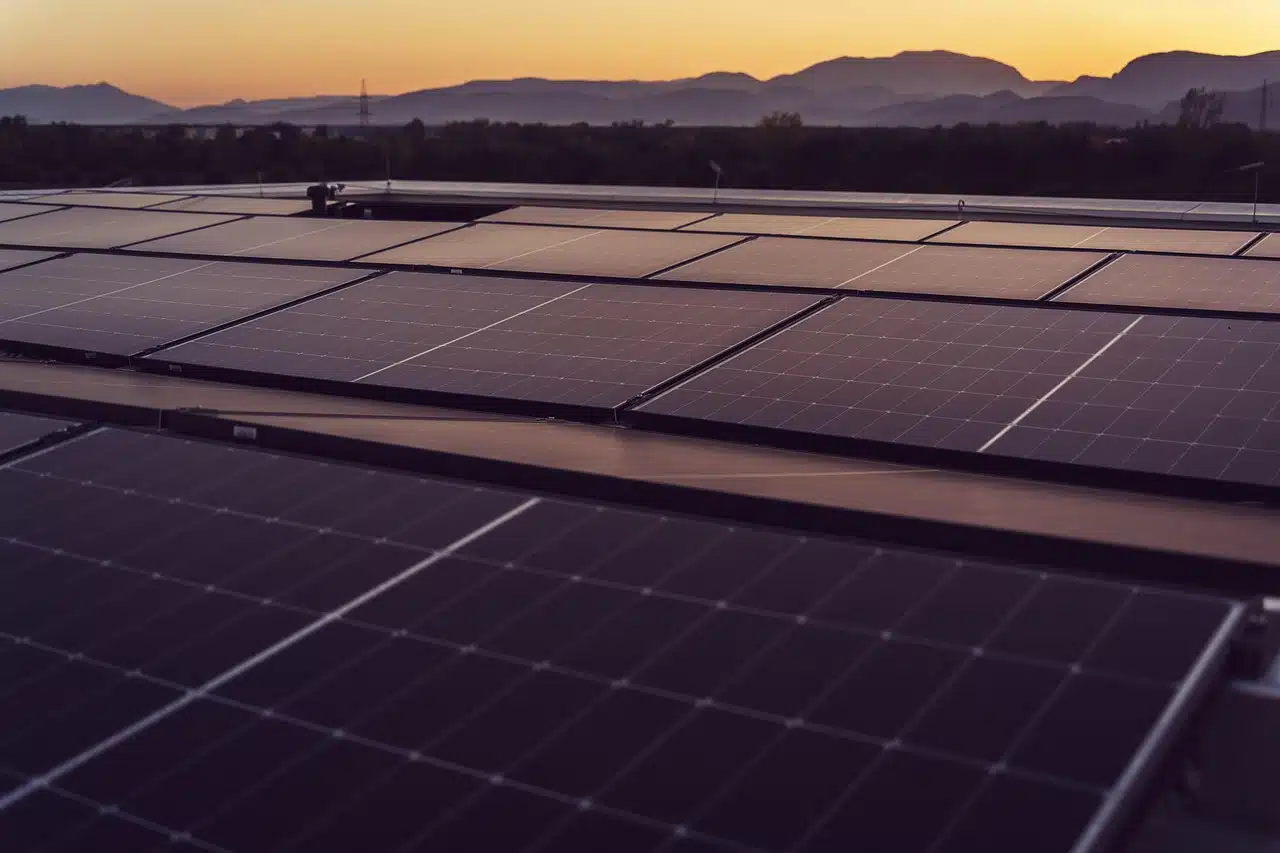
The Kokerboom Solar Power Station, an 18.5-megawatt solar plant developed through a public-private partnership, is already supplying power and demonstrating the role private developers can play in the sector.
Additional projects, including wind farms backed by commercial bank financing, indicate growing investor interest in Namibia’s renewable energy market.
Namibia has traditionally relied heavily on hydropower, which has become more vulnerable to climate-related droughts.
Rising demand combined with limited domestic generation capacity makes transmission infrastructure and grid resilience a priority. Beyond domestic supply, Namibia is positioning itself as a regional electricity hub.
The government plans to develop cross-border transmission links with Angola, Botswana, Zambia, and Zimbabwe. These connections could support regional power trade and improve energy security.
The energy plan aims to develop investment-ready projects that expand Namibia’s power sector and support economic growth.