
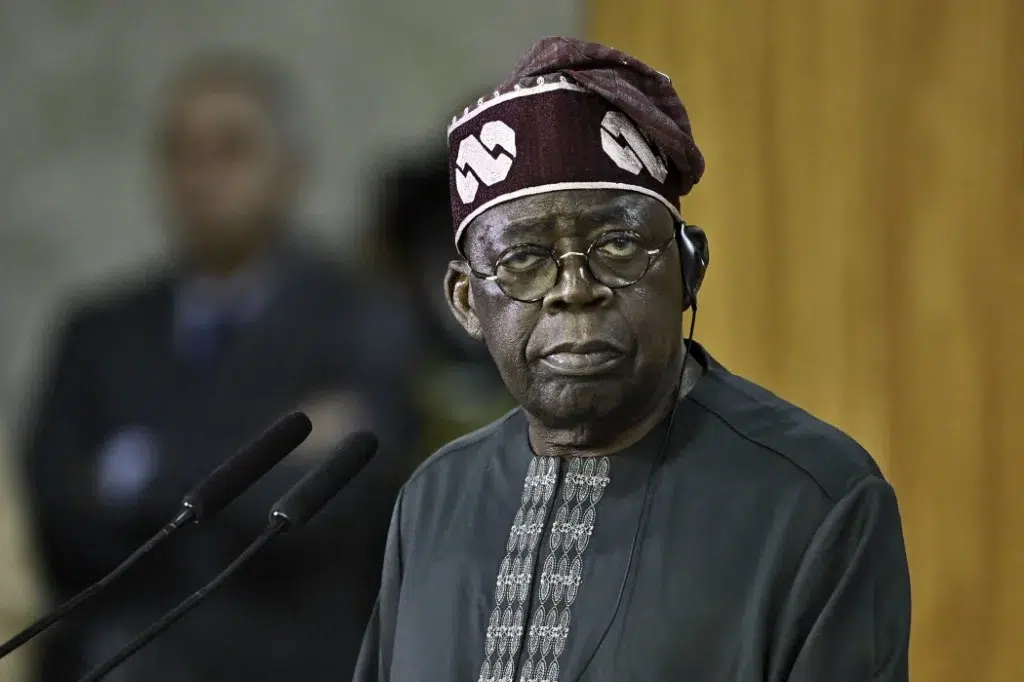


President Bola Tinubu has approved a ₦3.3 trillion ($2.38 billion) payment plan to settle legacy debts in Nigeria’s power sector, as part of efforts to stabilise electricity supply and restore financial balance across the industry.
Presidential spokesperson Bayo Onanuga disclosed this in a State House statement on Sunday.
The approved sum is described by the government as a “full and final settlement” of debts accumulated between February 2015 and March 2025.
The Federal Government confirmed that implementation is already underway, with 15 power generation companies signing settlement agreements valued at ₦2.3 trillion ($1.67 million).
According to the statement, of the ₦501 billion ($362.7 million) raised so far, about N223 billion ($161.6 million) has been disbursed, with additional payments still in progress.
Longstanding debt across the power chain
The approved settlement addresses a long-standing liquidity crisis that has affected key players in Nigeria’s electricity value chain, including generation companies (GenCos) and gas suppliers.
According to distribution companies, revenue collection has remained a persistent challenge over the years, resulting in partial payments to GenCos.
Generation companies have consequently been unable to fully meet their financial obligations to gas suppliers, creating a cycle of debt across the sector.
Industry data in recent years indicated that only a fraction of monthly invoices were being settled.
The Presidency noted that the new payment plan is designed to clear these legacy obligations and improve financial flows within the system.
What the government is saying
The Special Adviser to the President on Energy, Olu Arowolo-Verheijen, said the intervention goes beyond debt repayment.
“This programme is not just about settling legacy debts. It is about restoring confidence across the power sector, ensuring gas suppliers are paid, power plants can keep running, and the system begins to work more reliably,” she said.
She added that the initiative is part of broader reforms already underway in the sector.
“It is part of a broader set of reforms already underway — including better metering and service-based tariffs that link what you pay to the quality of electricity you receive,” she stated.
According to her, the government is also prioritising power supply to critical segments of the economy.
“The government is also prioritising power supply to businesses, industries, and small enterprises — because reliable electricity is critical to creating jobs, supporting livelihoods, and growing the economy,” Verheijen added.
Power debt effect on supply
Nigeria’s electricity sector relies heavily on gas-fired power plants, which account for the majority of grid-connected generation. These plants depend on steady gas supply from upstream producers.
However, unpaid obligations to gas suppliers have, at different times, led to reduced supply volumes.
In addition, financial constraints have limited the ability of generation companies to maintain infrastructure and invest in expansion.
Industry stakeholders have consistently linked these challenges to the broader liquidity issues within the market, where revenue shortfalls at the distribution level affect the entire value chain.
What you should know
Nigeria’s power sector was restructured following the Electric Power Sector Reform Act of 2005, which led to the privatisation of generation and distribution companies. However, the market has continued to face structural and financial constraints.
Industry data shows that electricity tariffs have historically remained below cost-reflective levels, reducing revenue available to distribution companies and affecting their ability to meet upstream obligations.
The sector has depended on periodic government interventions, including the Power Sector Recovery Programme launched in 2017 and various payment assurance facilities introduced by successive administrations.
The latest ₦3.3 trillion debt settlement plan is part of the government’s ongoing power sector reforms.