


Nigeria’s electricity output has rebounded to 4,300MW, marking a recovery after weeks of prolonged outages that strained power supply across the country.
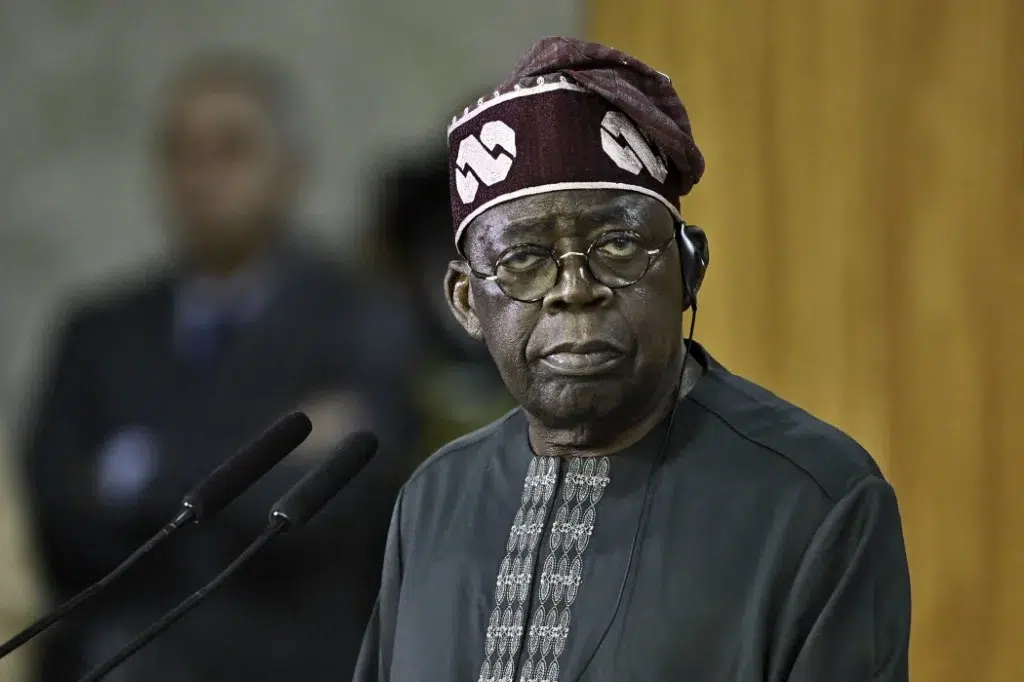
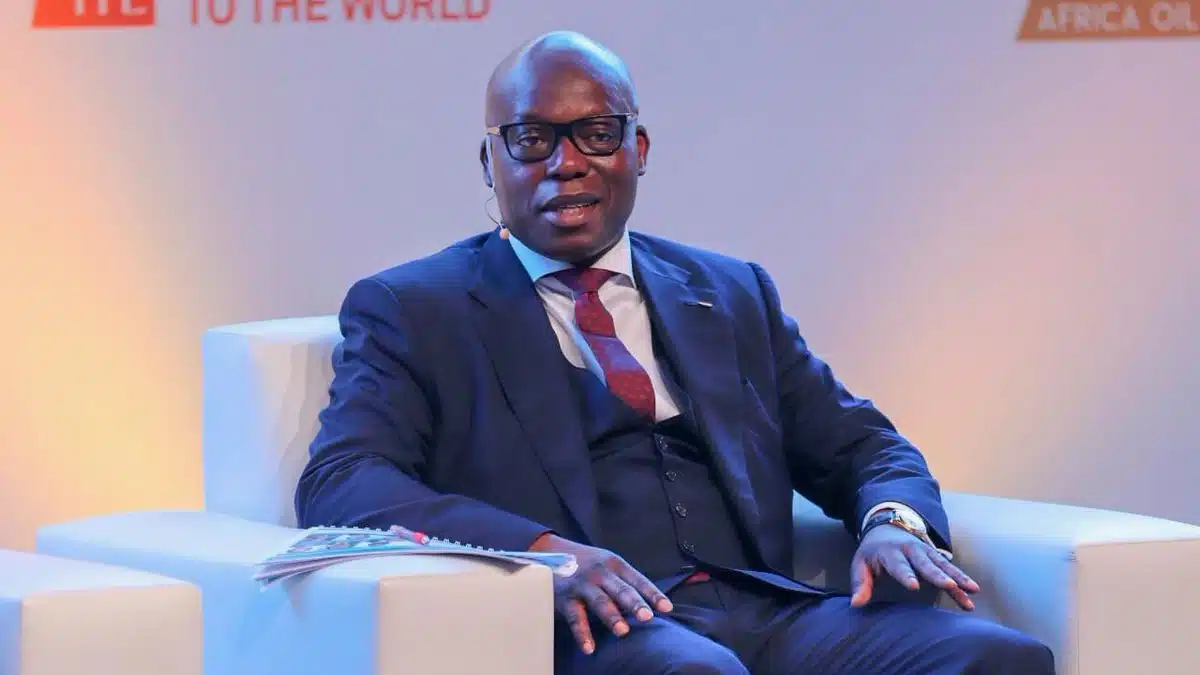
The Minister of Power, Adebayo Adelabu, said on Monday that electricity generation rose from about 3,951 megawatts (MW) on March 28 to over 4,300 MW by April 10. He said the figures reflect progress toward his earlier pledge to improve power supply within two weeks.
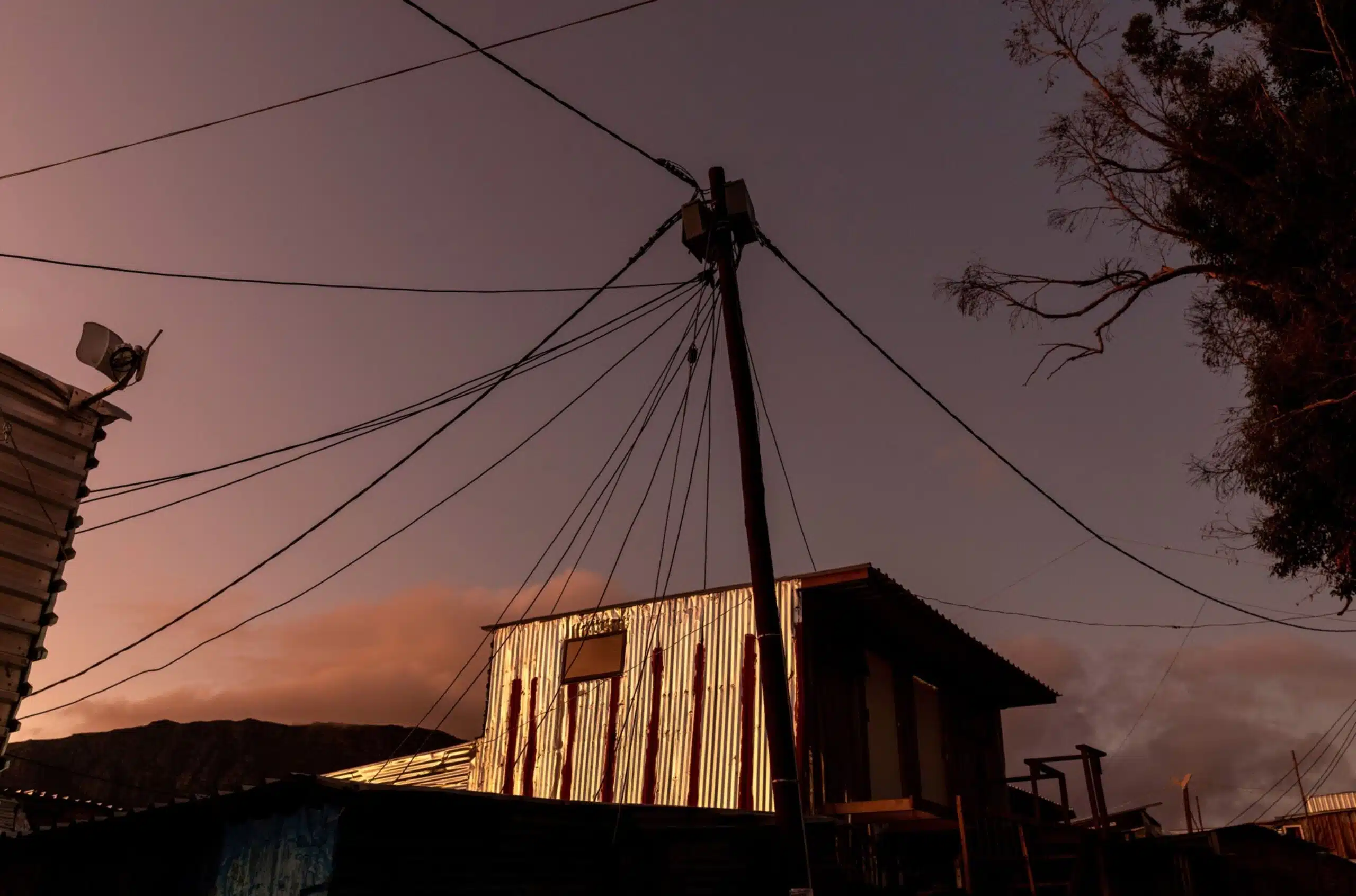
The update comes amid continued reports of unstable electricity supply across parts of the country.
According to the statement, the increase in generation represents a steady upward movement within the period under review, supported mainly by improved gas supply to thermal power plants.
Gas supply drives output
Gas supply to power plants rose from approximately 605 million standard cubic feet per day (mmscfd) to over 704 mmscfd between March 28 and April 10, minister Adelabu said, contributing directly to growth in electricity output recorded during the period.
Industry data stated that mechanical availability peaked at over 7,796MW in early April, while operational availability rose to about 4,694MW, indicating improved utilisation of available capacity.
Nigeria’s power grid relies primarily on gas-fired thermal plants, making generation levels sensitive to changes in gas supply. Past shortages, infrastructure constraints, and operational issues have historically reduced output despite available generation capacity.
“Despite minor fluctuations recorded on some days, the overall trajectory points to a gradual recovery in the power sector, driven largely by improved gas supply and better coordination among critical stakeholders,” the statement read.
According to the Minister, sustaining the gains will require continued gas supply and improved coordination across the power value chain.
Supply constraints persist
Nigeria’s electricity sector has historically faced challenges linked to gas supply, transmission limitations, and distribution inefficiencies.
Thermal power plants, which depend on gas, account for the bulk of on-grid generation, leaving output vulnerable to supply fluctuations.
While the ministry pointed to improved output figures, the development has yet to fully reflect in stable power distribution across several locations.
Adelabu, however, maintained that the gains recorded within the two-week period align with his earlier assurance to Nigerians.
“We are not there yet, but we will continue to ensure measurable improvements,” he said.
Industry data in recent months has shown that while installed capacity exceeds 13,000MW, actual generation has remained within a lower range due to constraints across the value chain.
Fluctuations in gas supply have often resulted in reduced output, even when installed capacity is significantly higher than actual generation.
Electricity supply push
To sustain the improvement, Adelabu disclosed that a gas-to-power monitoring committee has been inaugurated to improve coordination between gas suppliers and generation companies while addressing bottlenecks affecting supply.
“The committee is expected to address bottlenecks in gas delivery, enhance synergy between gas producers and power generation companies, and ultimately guarantee a more stable and reliable electricity supply across the country,” he said.
The minister also highlighted operational gaps within sector agencies, particularly in metering and manpower.
During a meeting with the new management of the Nigeria Electricity Management Services Agency, he called for expansion of meter testing centres and increased training of installers.
“We need to ensure more installers are trained in order to accelerate the government’s plan to bridge the meter gap in the country,” he said.
He added that improving internal revenue generation would also reduce reliance on government funding for operations.