


Nigeria halted the issuance of import permits in the month of February for fuel as the Dangote refinery increasingly dominates domestic supply.
The move comes as most fuel consumed in the country is now produced locally, reducing the need for overseas shipments.
In a statement on Tuesday, the Nigerian Midstream and Downstream Petroleum Regulatory Authority (NMDPRA), the regulator behind license issuance, said a new policy prevents the issuance of import licences whenever domestic supply is adequate.
“A new policy has been introduced that bars the issuance of import licences where local production is sufficient,” NMDPRA spokesman George Ene Ita said.
He added that import permits will only be issued when necessary to bridge a supply shortfall.
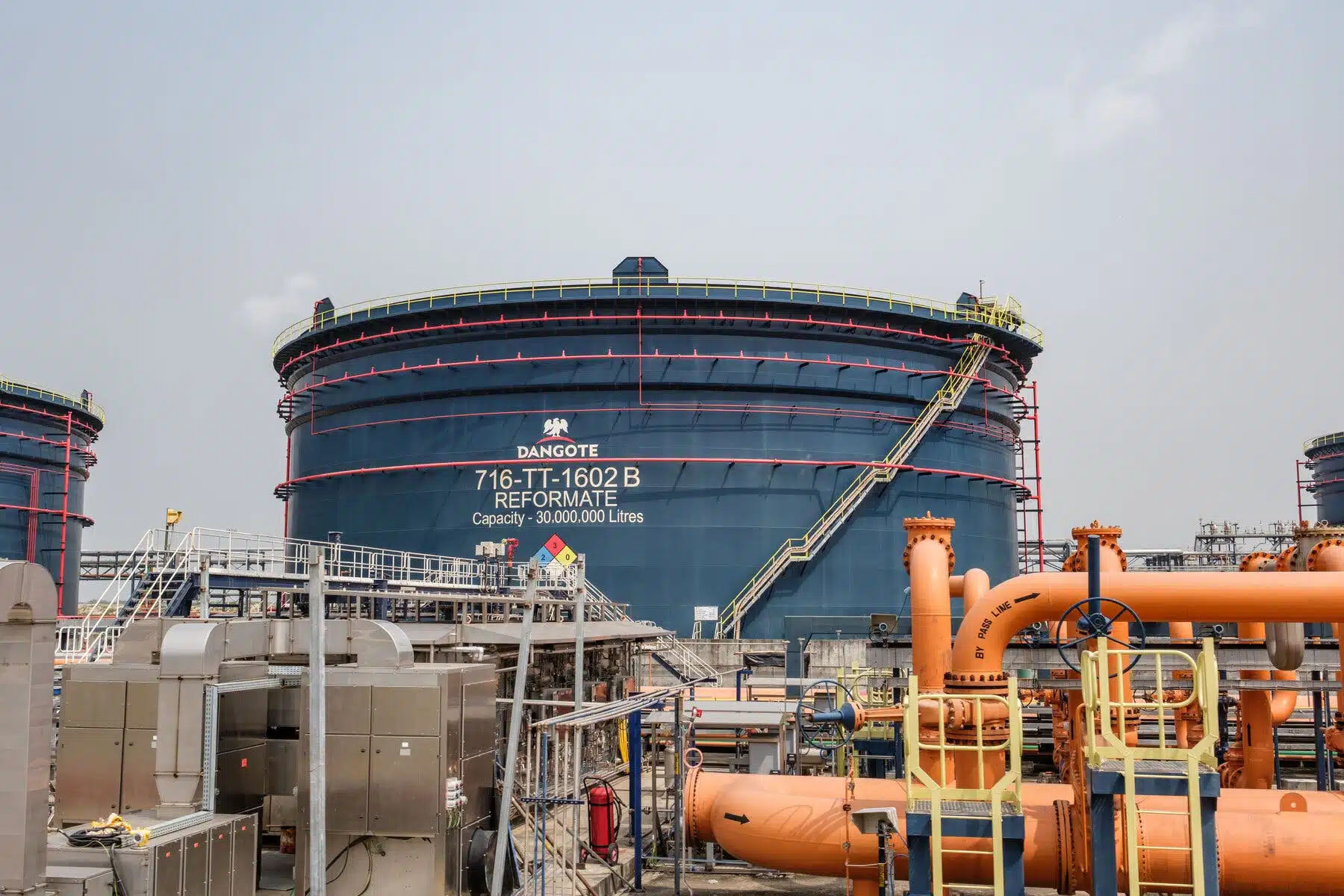
Data from the regulator showed that nearly all fuel supplied in the country in Februaury came from the Dangote refinery , the largest refining facility in Africa.
The refinery, located outside Lagos, can process about 650,000 bdp of crude oil and is currently operating at about 90% capacity.
According to the regulator, the plant supplied 64% of Nigeria’s fuel demand during the period. However, the country still faced a daily deficit of around 20 million litres, which was covered by stock imported earlier.
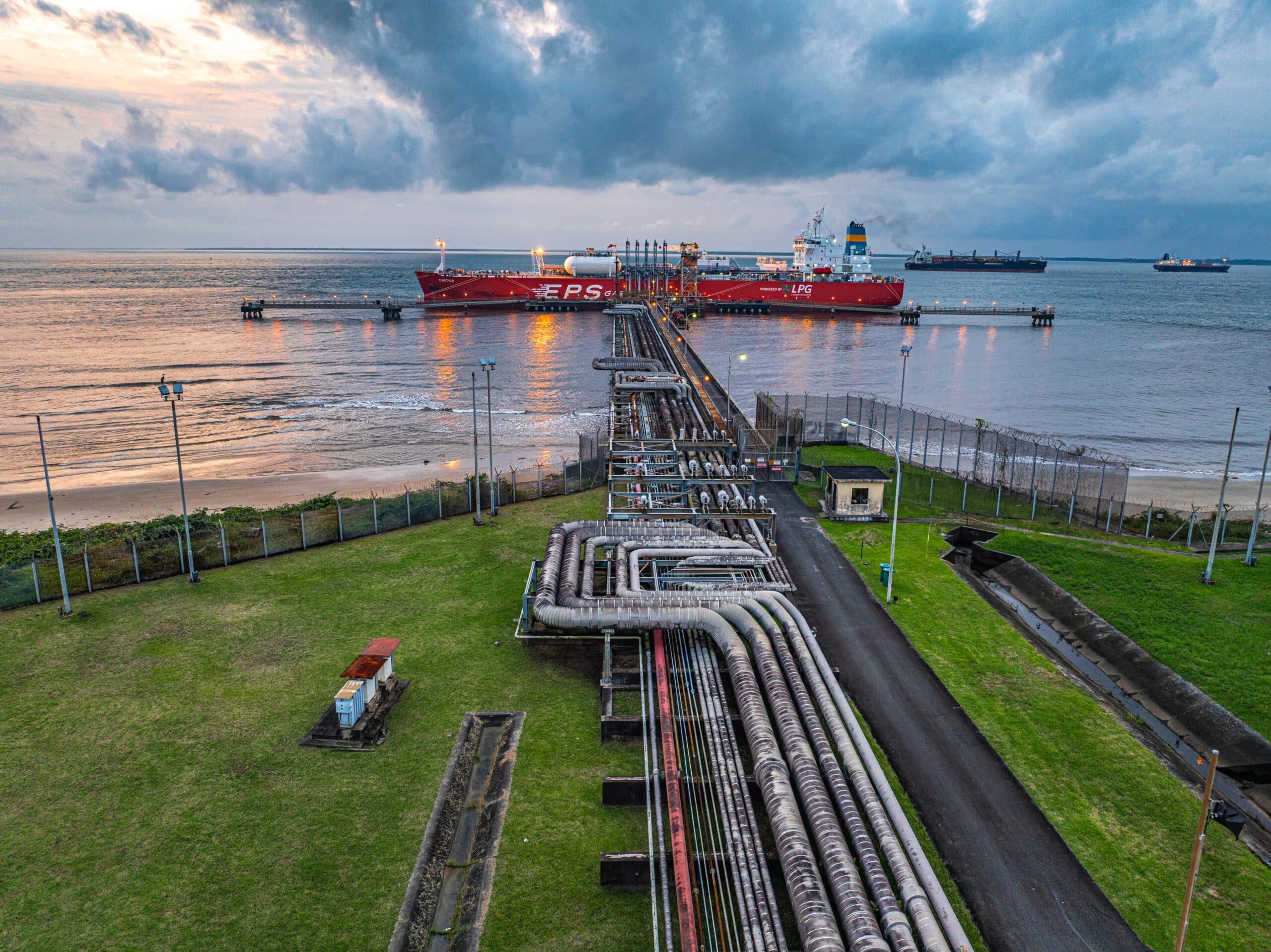
The suspension of import licences affects oil marketing firms that previously relied on overseas supply. These include a unit of TotalEnergies, Conoil PLC, and MRS Nigeria PLC, which together imported about 25% of the country’s fuel in the previous period.
The development strengthens the position of billionaire industrialist Aliko Dangote, whose refinery project was built to reduce Nigeria’s reliance on imported refined petroleum products.
Nigeria’s fuel import history
For decades, Nigeria, Africa’s largest crude oil producer,exported crude oil while importing most of the refined products used domestically.
This long standing arrangement created a large market for imported fuel and exposed the country to fluctuations in international supply.
The launch of the Dangote refinery began to change that structure by introducing large scale domestic refining capacity.
Dangote had previously taken legal action against the regulator, the Nigerian National Petroleum Company (NNPC) and several fuel importers in an effort to stop imports, arguing that local production was capable of meeting demand.
He later withdrew the lawsuit as relations with government authorities improved. Meanwhile, the refinery itself still holds an import licence, which the regulator said allows it to bring in certain components used in blending fuel products.
Beyond this, the suspension of import permits indicates a shift in Nigeria’s fuel market, where locally refined products are expected to take a larger share of supply as production expands.