

In the News:
- Mshelbila becomes the first sub‑Saharan African to hold the role
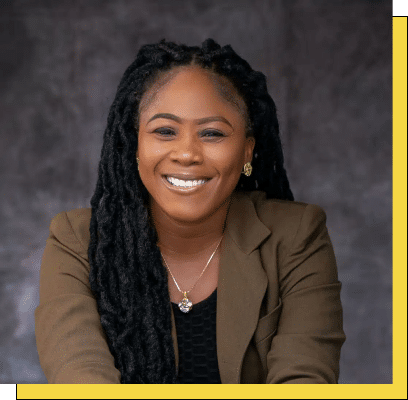
- Nigeria’s Minister Ekperikpe Ekpo was elected President of the 2026 session, giving Nigeria dual leadership positions
- Mshelbila was formerly boss at Nigeria LNG, where he oversaw the Train 7 expansion project
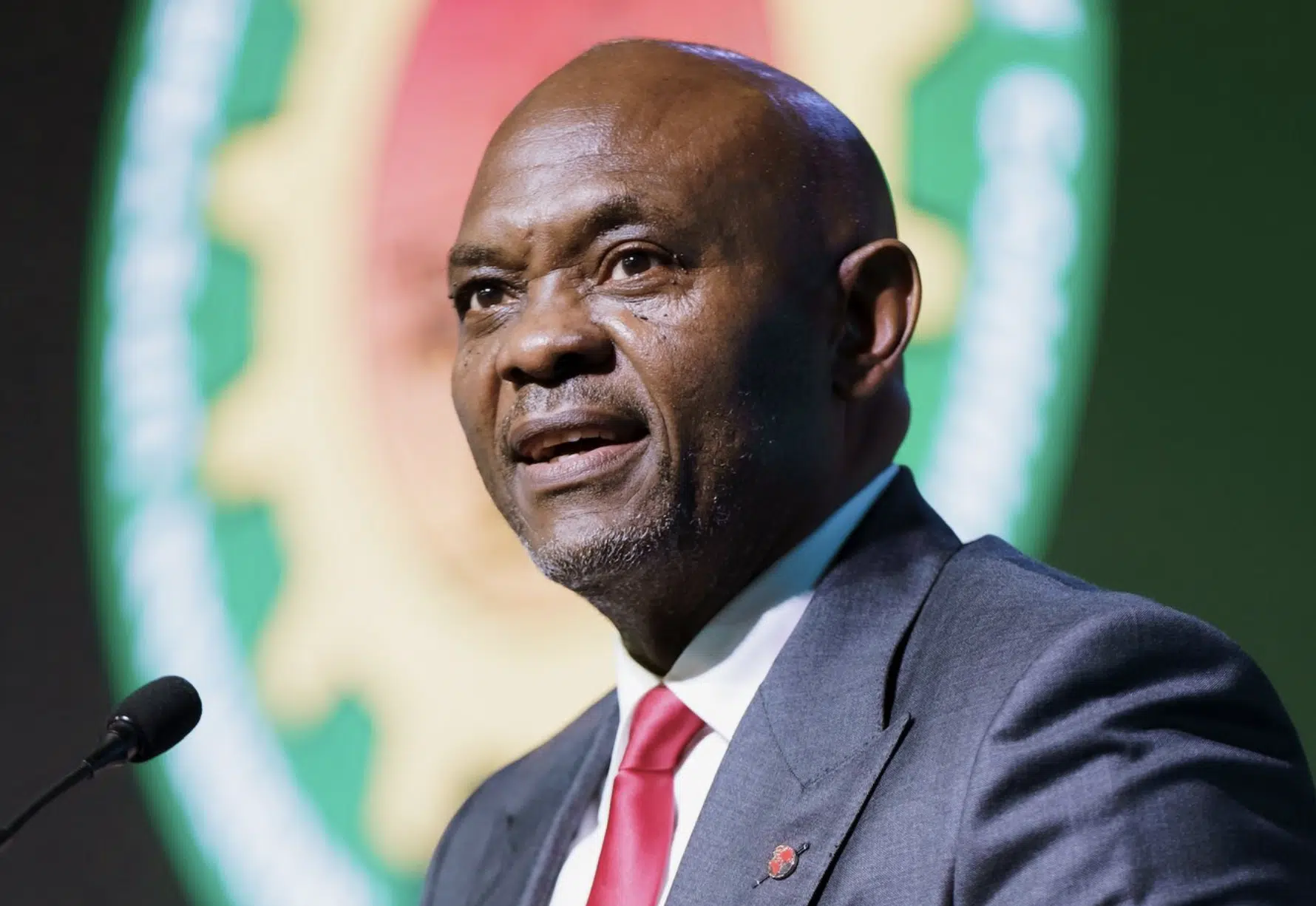
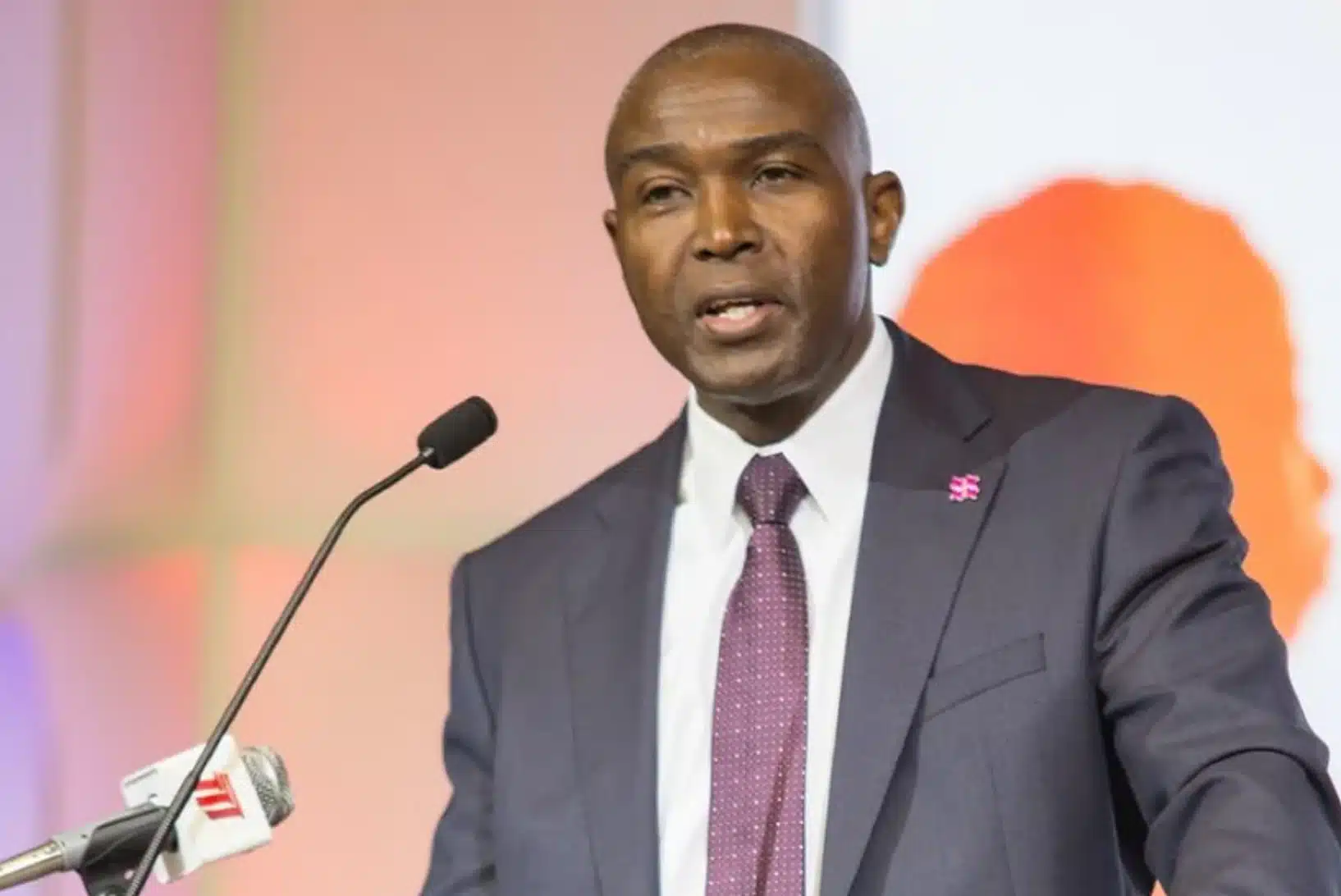
The Gas Exporting Countries Forum (GECF) has welcomed Philip Mshelbila, former chief executive of Nigeria LNG, as its new Secretary General. The appointment was formally announced during a reception at the organisation’s headquarters in Doha on Monday.
According to a press release issued by GECF, the programme included a handover ceremony and a management meeting co‑chaired by outgoing Secretary General Mohamed Hamel and Mshelbila, marking what officials described as an orderly and collegial transition.
In his remarks, Hamel emphasised the importance of continuity and institutional memory.
He noted that his tenure had been guided by a determination to build on the organisation’s heritage, consolidate achievements, and enhance the GECF’s standing as a respected global platform for dialogue on natural gas.
Mshelbila now succeeds Hamel to become the fifth head of GECF and the first from sub‑Saharan Africa, serving a two‑year renewable term.
He pledged to work closely with the Secretariat’s offices and departments to advance the Forum’s strategic role in a rapidly evolving energy landscape.
Backstory leading up to his appointment
At the 27th ministerial meeting of GECF held in October, Mshelbila and Nigeria’s Minister of State for Petroleum Resources (Gas), Ekperikpe Ekpo, were elected into top positions at the forum.
Ekpo was elected President of the 2026 GECF Ministerial Meeting, while Mshelbila was appointed Secretary General, succeeding Algeria’s Mohamed Hamel.
By this appointment, Mshelbila leaves NLNG.
His role will be taken over by Shell’s Adeleye Falade, whose appointment has been approved by the NLNG Board of Directors. Falade will join NLNG from Brunei LNG, where he has served as managing director since March 2024.
During Mshelbila’s leadership, NLNG pursued a bold strategic pivot to expand its feed‑gas base beyond the shareholder joint venture supply chain.
In August, the company signed long‑term gas supply agreements totalling 1.29 bcf/d with six third‑party suppliers in preparation for its ongoing $10 billion Train 7 project.
The expansion is expected to increase NLNG’s production capacity by 35% to 30 million tonnes per year when commissioned this year.
What you should know about GECF
The GECF comprises countries that together control about 69% of the world’s proven natural gas reserves. They account for 39% of marketed production, contribute 40% of global gas exports, and represent 51% of liquefied natural gas (LNG) exports.
Its mission is to foster cooperation among member states, promote stable energy markets, and advocate for the role of gas in the global energy transition.
Currently, five African countries are members—Algeria, Egypt, Equatorial Guinea, Libya and Nigeria—while others such as Angola, Mauritania, Mozambique and Senegal hold observer status.
With Nigeria now holding both the presidency and the secretary‑generalship, the country is uniquely positioned to shape conversations around energy security, pricing and infrastructure investment, and to provide strategic direction to the forum.
This comes at a time when Nigeria’s government is intensifying efforts to monetise its vast natural gas resources and amplify its role in the global gas landscape, through projects such as the AKK pipeline, NLNG Train 7, and the Trans‑Saharan Gas Pipeline.
In November, NLNG also selected China’s Hudong‑Zhonghua Shipbuilding as its preferred builder for up to six new LNG carriers, a move aimed at boosting its fleet capacity.