


The Nigerian government plans to introduce a minimum capital adequacy requirement for electricity distribution companies (DisCos) as their operational licences approach renewal in 2028.
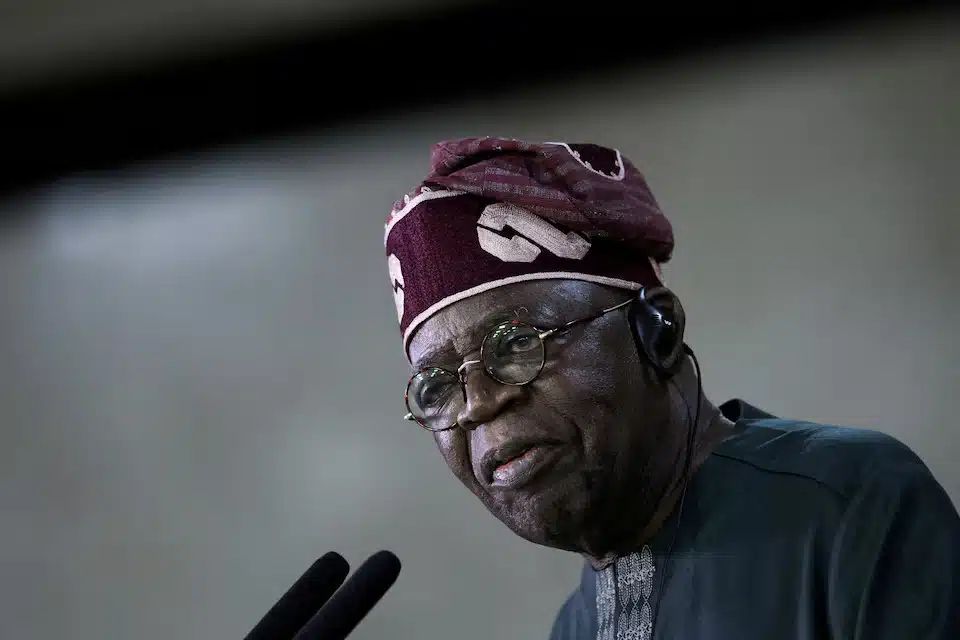
The Minister of Power, Adebayo Adelabu, announced this during the Nigeria Energy Exhibition and Conference in Lagos, themed “Powering Nigeria through Investment, Innovation, and Partnership.”
According to him, the new rule will strengthen the financial health and liquidity position of the DisCos amid growing concerns over undercapitalisation and mounting debt within the power sector.
“As the tenure of their operational licences approaches renewal, the government intends to introduce a minimum capital adequacy requirement to strengthen the financial health and liquidity position of the utilities,” Adelabu said.
He noted that years of weak balance sheets and unsustainable debt levels have limited the ability of DisCos to operate efficiently and provide reliable power supply.
The proposed requirement, he explained, will ensure that only financially stable and technically capable operators retain their licences.
New capital to boost efficiency
The latest policy move follows Adelabu’s warning at the 2025 Nigerian Economic Summit in Abuja that the government would not renew the licences of underperforming DisCos in 2028.
At the time, he described the distribution companies as a major challenge in the Nigerian Electricity Supply Industry (NESI), blaming inefficiencies in distribution for the country’s unreliable power supply.
“The distribution companies need to sit up. They are a major bottleneck in the sector, and the government is doing everything possible to ensure they meet expectations. Their licences will expire in two years, and there will be major reforms before any renewal.
“Those that have not shown good faith, demonstrated technical expertise, or proven financial stability will be kicked out,” he said.
The new capital adequacy requirement is now seen as a key part of that reform agenda, intended to compel DisCos to recapitalise, merge, or exit the market if they fail to meet financial standards.
Nigeria deepens power sector commercialisation
Beyond recapitalisation, the government is also intensifying efforts to commercialise the power sector to boost revenue, improve liquidity, and attract investment.
Through tariff reforms that introduced cost-reflective rates for select customer categories, supply reliability has improved, while energy costs for industries have declined.
Industry revenue, according to Adelabu, increased by 70% to N1.7 trillion in 2024, with projections to exceed N2 trillion in 2025.
To further stabilise the market, the administration has approved a N4 trillion bond to clear verified debts owed to generation companies (GenCos) and gas suppliers.
A targeted subsidy framework is also being developed to protect low-income households while transitioning the industry toward full commercialisation.
Key reforms underway
Adelabu explained the government’s approach to reposition the power sector for sustainability and long-term growth.
This strategy includes legislation, policy reforms, infrastructure development, and energy access expansion.
He highlighted the Electricity Act 2023 as a key achievement that transfers regulatory powers to states and enables the creation of subnational electricity markets.
According to him, fifteen states have obtained regulatory autonomy, with one fully operational.
In addition, the Ministry has finalised the Integrated National Electricity Policy and Strategic Implementation Plan, approved by the Federal Executive Council in February.
Why this matters
The introduction of a minimum capital requirement marks a major policy shift in Nigeria’s electricity industry.
It could reshape ownership structures among DisCos, attract new investors, and drive operational efficiency ahead of 2028.
For consumers, the reform holds potential for improved service delivery, more reliable supply, and faster metering rollout.