
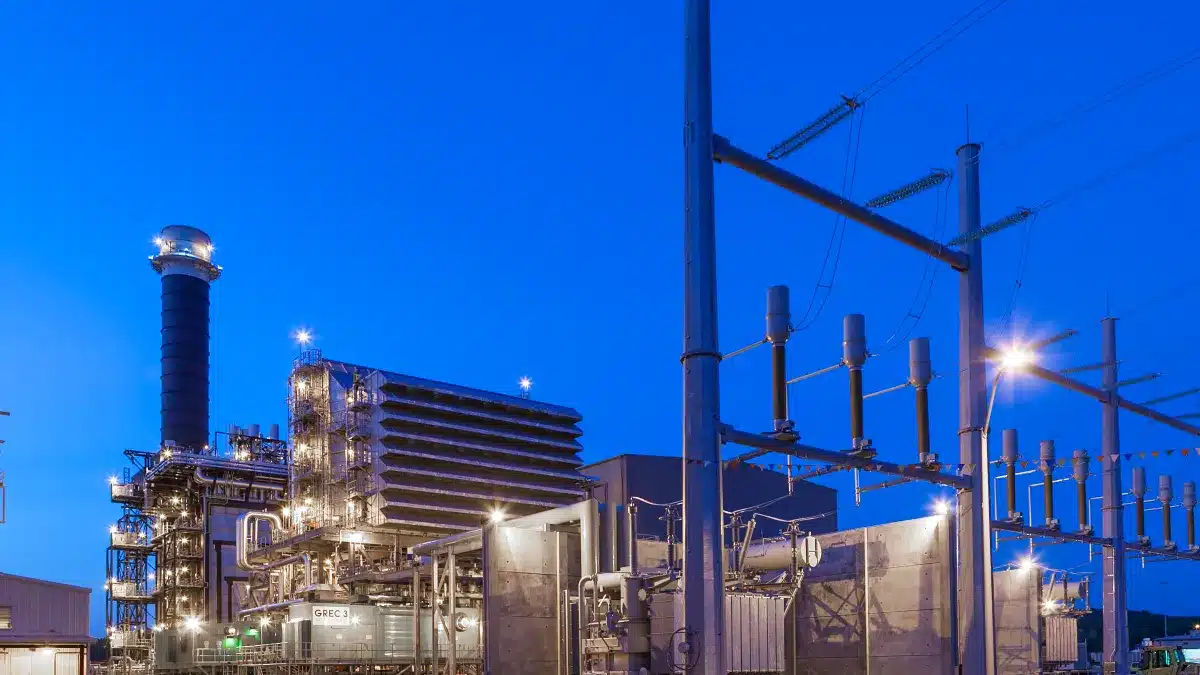


The Nigerian Electricity Regulatory Commission (NERC) has directed owners of privately operated transmission substations to register and obtain regulatory permits, insisting that all such facilities be connected to Nigeria’s national grid operate under its oversight.
The move is aimed at improving operational visibility and coordination across the power system.
The directive was issued under the Order on the Registration and Authorisation of Grid-Connected Private Transmission Substations (NERC/2026/013), which took effect on March 9, 2026.
According to the commission, the framework requires operators of grid-connected private transmission substations to obtain an Independent Electricity Transmission Network Operator (IETNO) permit before operating or connecting their facilities to the national grid.
NERC said the measure follows reports of frequent transmission line trips affecting grid operations.
The order also directs the Nigerian Independent System Operator (NISO) to submit a comprehensive list of all existing private transmission substation owners and notify them of the new regulatory requirements within five days.
Permit requirement for private substation operators
Under the directive, existing private transmission substation owners are required to apply for the IETNO permit within 45 days of the order taking effect.
Meanwhile, new operators must obtain the permit before connecting their substations to the national grid.
NERC stated that non-compliance with the order will attract regulatory sanctions.
“The Order establishes a regulatory framework requiring owners of private transmission substations used by bulk electricity consumers to obtain an Independent Electricity Transmission Network Operator (IETNO) Permit before operating or connecting to the grid,” the commission said.
The regulator added that the framework was designed to improve safety and operational coordination across the transmission network.
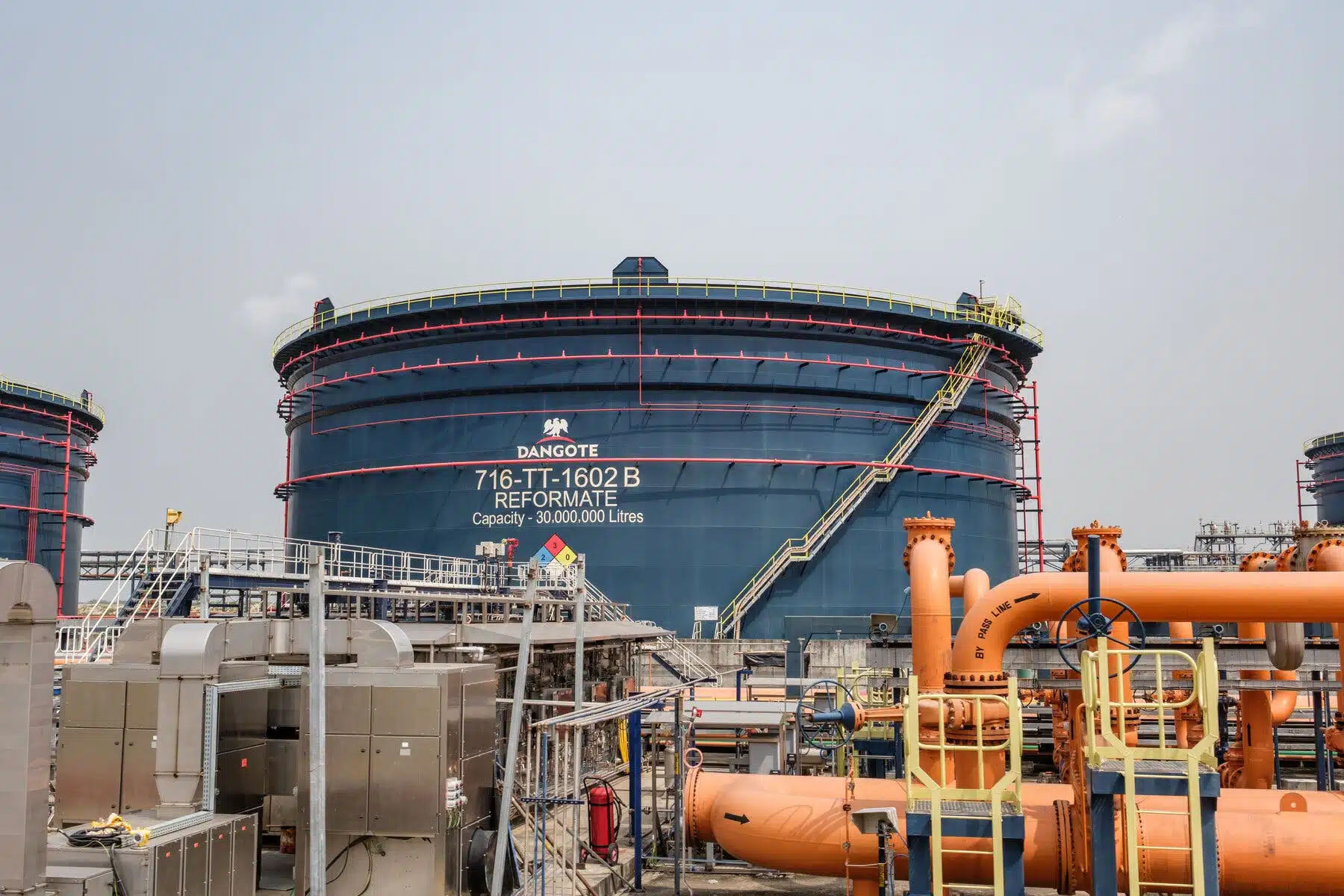
Private transmission substations are commonly used by large electricity consumers such as manufacturing plants and industrial facilities that connect directly to high-voltage transmission lines rather than relying on local distribution networks.
Because these facilities interface directly with the national grid, their operations can affect overall system stability.
System operator to deploy monitoring devices
As part of the directive, NISO will deploy IoT-based metering systems at the interconnection points of these substations within 120 days.
According to the order, the devices will enable the system operator to monitor electricity flows and operational conditions at privately owned facilities connected to the grid.
Operators are also required to submit monthly operational reports to NERC, while NISO will conduct periodic inspections to ensure compliance with grid standards.
The commission said the monitoring framework will provide greater operational visibility across the network.
“The directive was introduced to improve grid reliability, safety, and operational visibility following frequent transmission line trips reported by the system operator,” the order noted.
Repeated outages drive stricter grid regulation
Nigeria’s national grid has experienced repeated disturbances in recent years, often linked to faults on transmission infrastructure and sudden loss of generation.
In January 2026, the system recorded a nationwide outage after several high-voltage transmission lines tripped simultaneously, causing generation to fall sharply across the network.
Grid operators said such disturbances can spread quickly across interconnected transmission lines if faults are not contained in time.
Industry reports show that transmission infrastructure has remained one of the most constrained segments of Nigeria’s electricity value chain, with several lines and substations operating close to technical limits.
These challenges have placed greater focus on operational compliance for facilities connected to the grid.
What you should know
The order forms part of ongoing reforms in Nigeria’s electricity sector following the restructuring of transmission system operations.
The Nigerian government previously separated grid system operations from infrastructure management, leading to the creation of the Nigerian Independent System Operator.
NISO now oversees real-time grid operations, system coordination, and electricity market dispatch.
Private transmission substations have grown in number as large industrial consumers seek more reliable power supply by connecting directly to transmission lines.
However, the new NERC directive requires these facilities to operate under a formal regulatory framework.
Under the order, all private transmission substations connected to the grid must obtain permits, submit operational data, and comply with the national Grid Code governing power system operations.