
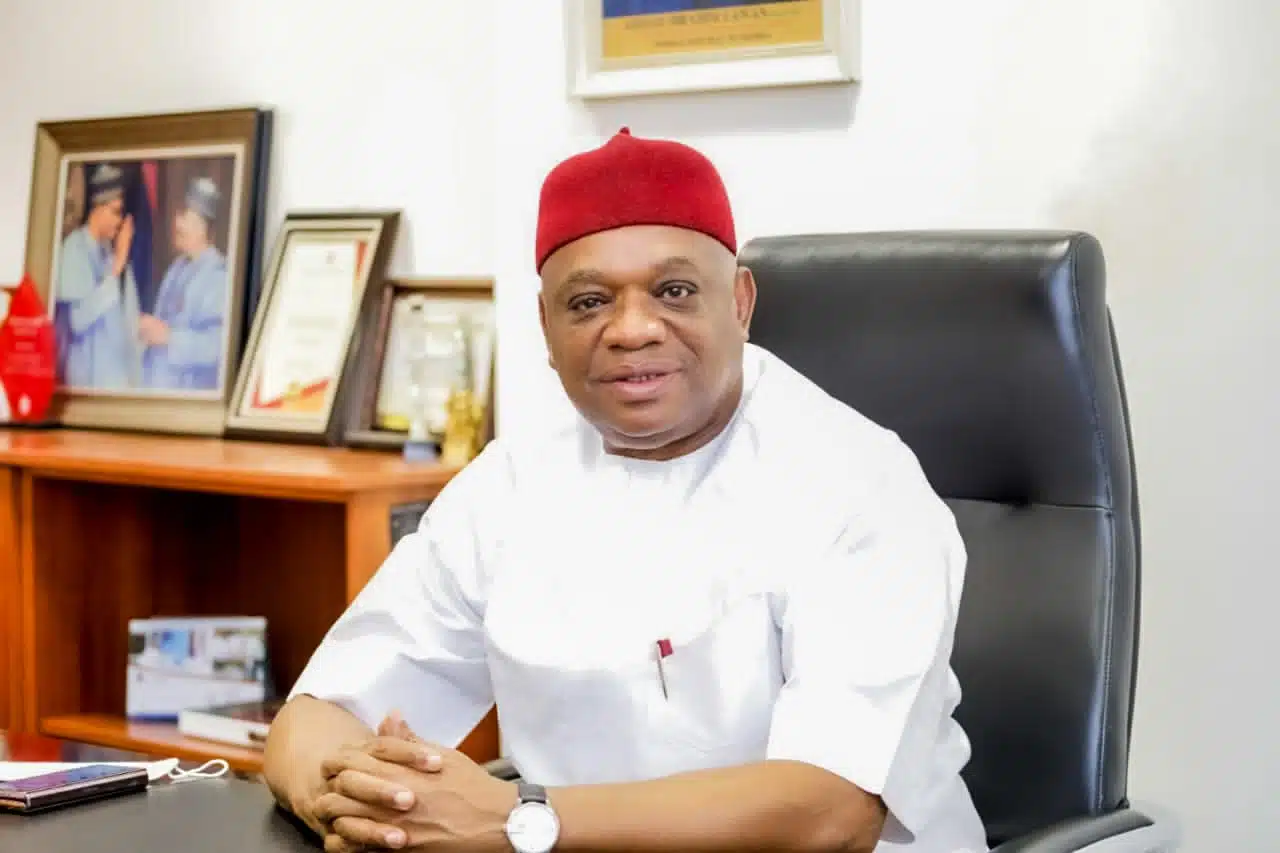


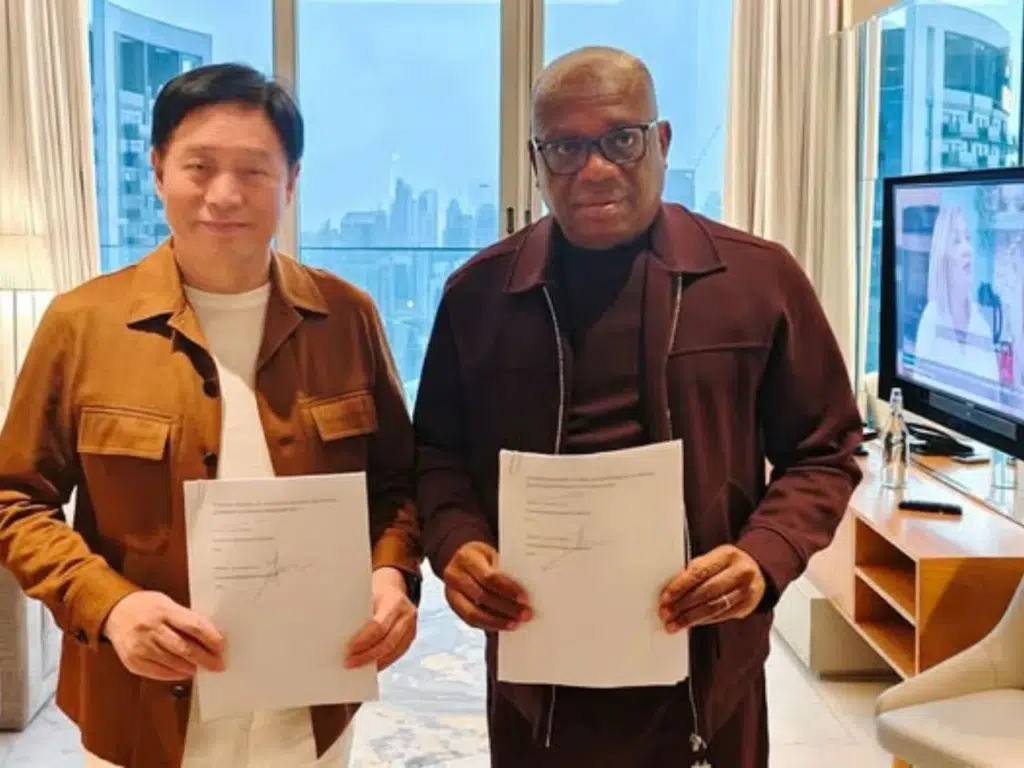
Nigerian lawmaker Orji Kalu’s firm, Swiber Africa, has signed a deal with China’s GCL Group, an integrated energy company, to develop multiple energy projects in Nigeria, including hydropower stations and lithium processing facilities.
The agreement was signed by Orji Uzor Kalu, chairman of Swiber Africa Group (Nigeria), and Zhu Gongshan, chairman of GCL Group, according to people familiar with the matter.
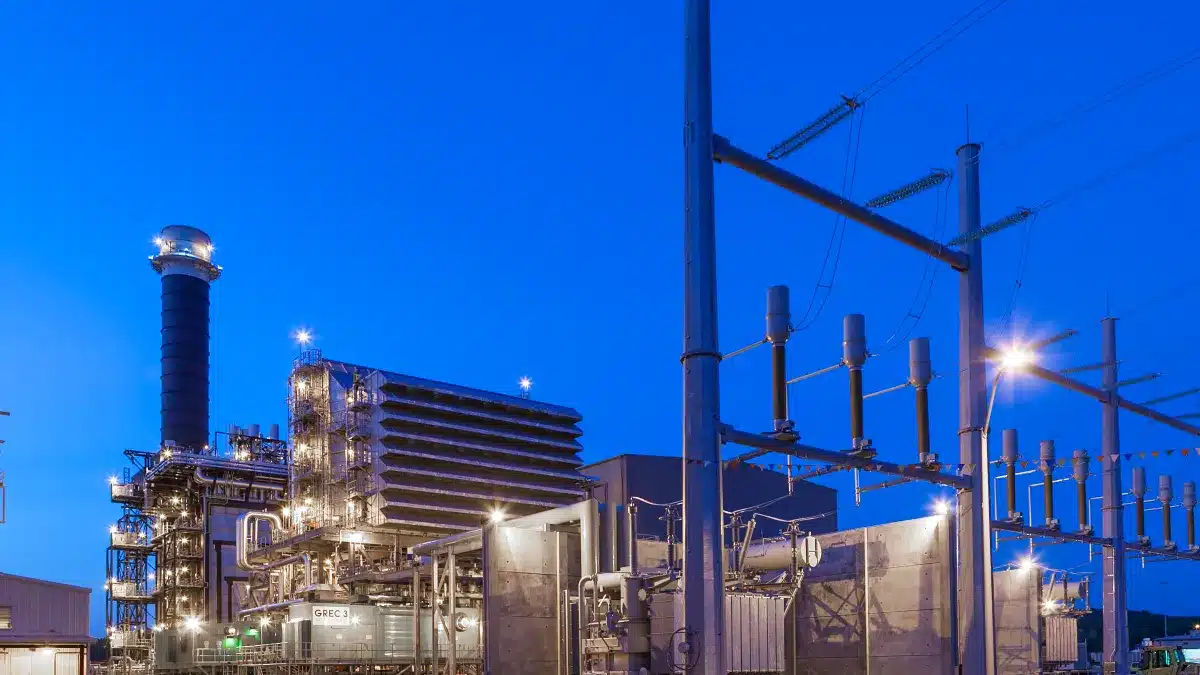
The deal also includes plans to develop multiple power generation projects across Nigeria. GCL said these comprise 3 gigawatts (GW) of gas-fired power plants and 4 GW of integrated wind and solar energy projects.
The two parties also plan to develop hydropower stations under the cooperation framework, according to the statement.
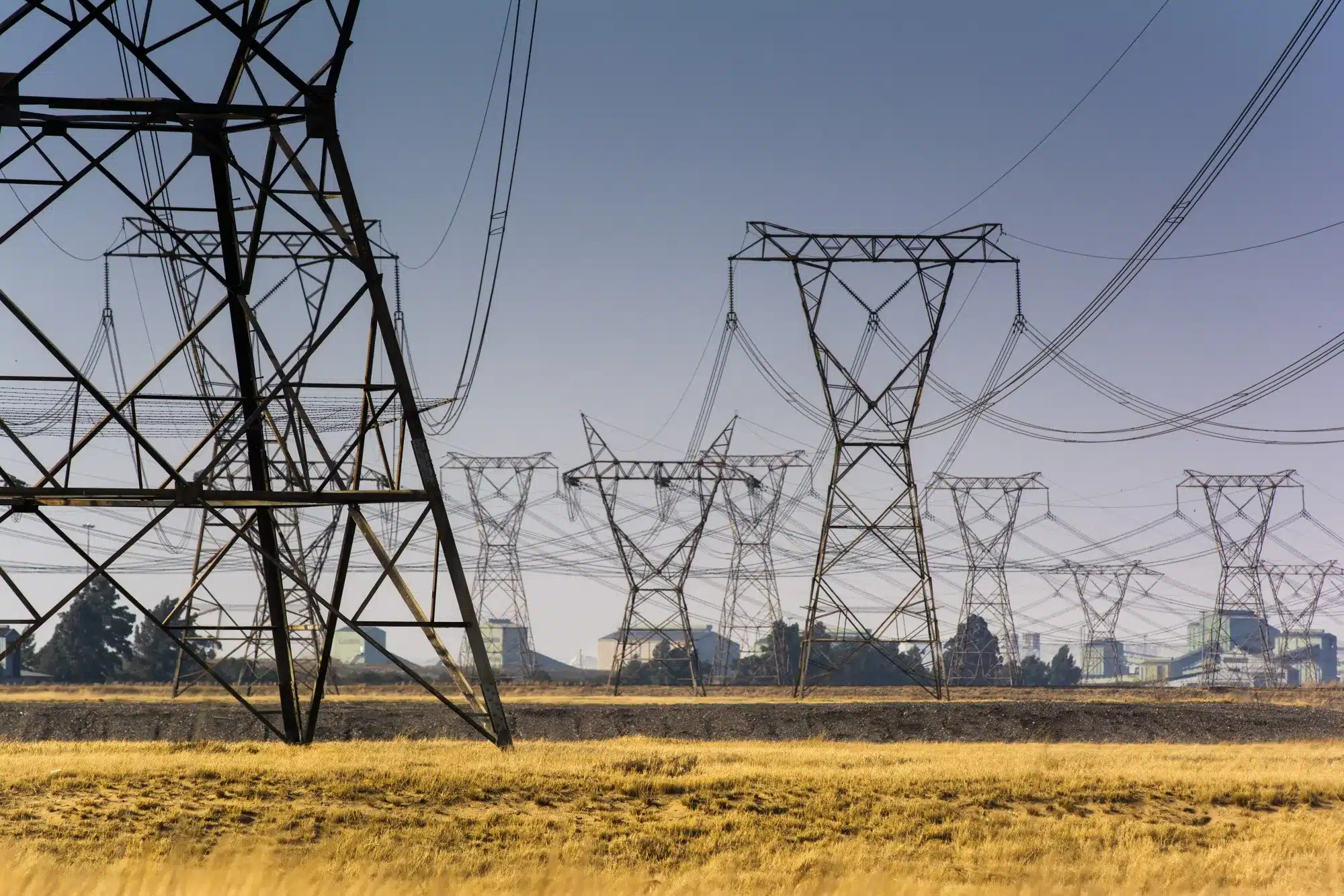
“Grid upgrade projects will be implemented in parallel, aiming to build an efficient and coordinated Generation–Transmission–Distribution–Consumption energy network and drive Nigeria’s power system transition from manual control to intelligent control,” GCL said in a press statement.
The agreement mentions potential coal-fired power plants among the projects under consideration.
Grid infrastructure development
Moreover, GCL said the cooperation aims to support the construction of a coordinated electricity system covering power generation, transmission, distribution, and consumption.
It includes the deployment of intelligent energy management systems for rapid response and power forecasting, designed to transition Nigeria’s power system from manual to intelligent control.
The company stated that the cooperation aligns with Nigeria’s Presidential Power Initiative (PPI) aimed at improving electricity supply via generation expansion and upgrades to transmission and distribution infrastructure.
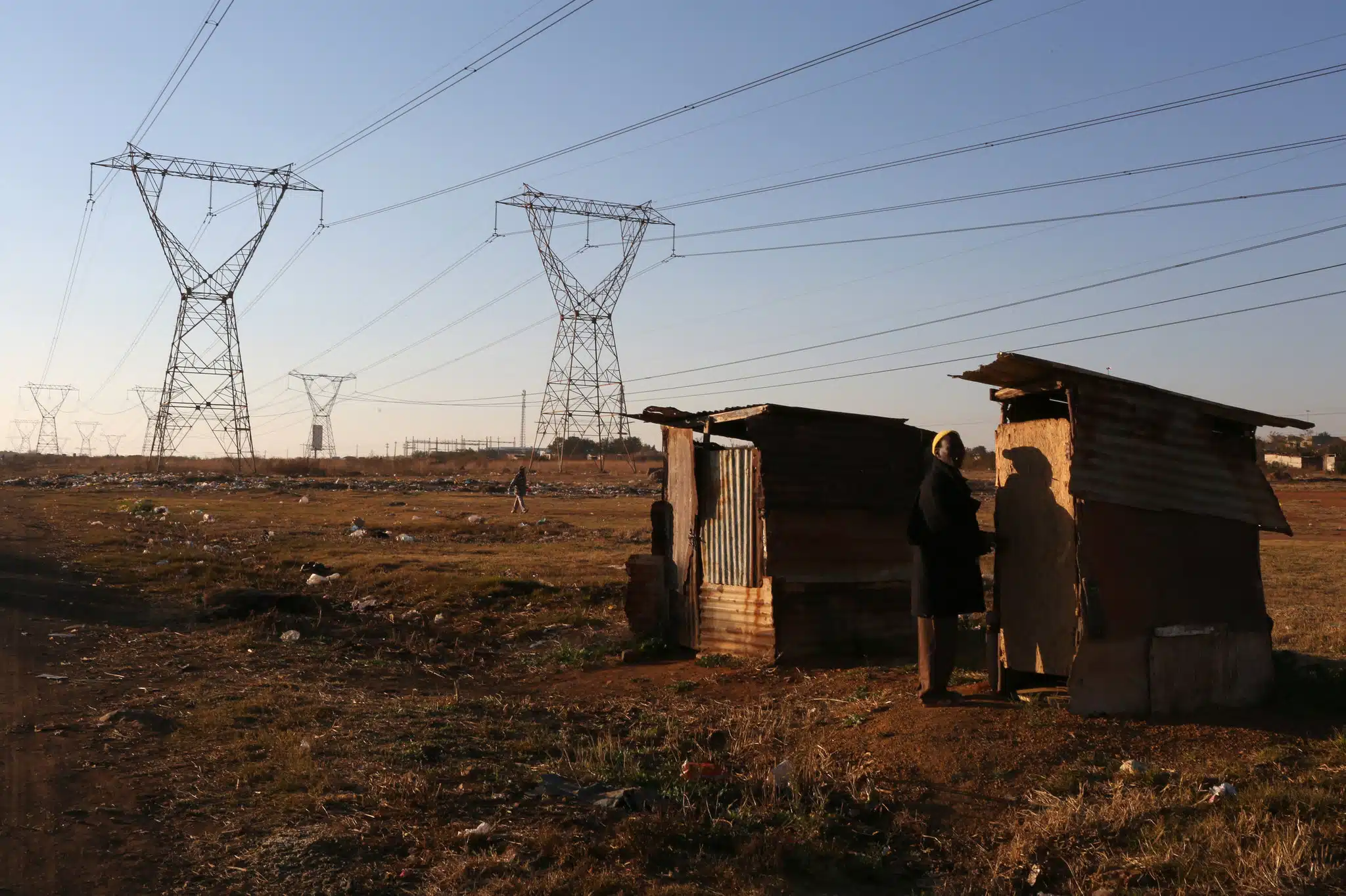
Nigeria’s power sector faces grid constraints that limit the delivery of generated electricity to consumers.
The country’s available generation capacity often exceeds what the transmission network can handle.
GCL’s footprint in Africa
GCL Group said it operates integrated oil, gas, and renewable energy projects and will apply this experience to the Nigerian projects.
The company has operated energy projects across African countries, including Ethiopia and Djibouti, over the past two decades.
“GCL Group is leveraging more than 20 years of experience in integrated oil, gas, and green energy development across African countries such as Ethiopia and Djibouti,” the source read in part.
As part of the power system development, GCL said it plans to introduce a full-time-scale virtual power plant system.
The system has been deployed at the China–Singapore Suzhou Industrial Park, according to the statement. The company said the system achieves load regulation accuracy of up to 94%.
GCL noted that Nigeria possesses lithium resources but that development has largely remained at the level of raw ore extraction and preliminary processing.
Under the agreement, GCL and Swiber Africa plan to jointly develop a lithium carbonate smelting facility in Abia State. The project is intended to support local processing of lithium and the development of a complete lithium industry chain.
It said will introduce mining and smelting technologies to support lithium processing in Nigeria.
The project is expected to cover resource development, production operations, and exports, according to the statement.
The company indicated that the lithium processing aspect supports Nigeria’s policy to promote local mineral processing. This includes measures starting in 2026 to limit exports of unprocessed minerals.