


The Rockefeller Foundation has committed an additional $10 million to support efforts aimed at expanding electricity access across Africa, as part of a broader initiative seeking to connect 300 million people to power by 2030.
The announcement was made during Mission 300 Day at the Africa Energy Indaba 2026 in Cape Town, South Africa.
The funding will be deployed through the Global Energy Alliance for People and Planet (GEAPP).
According to the foundation, the new resources will support technical assistance and implementation capacity for national teams coordinating electrification programmes in at least 15 African countries.
The funding will support Compact Delivery and Monitoring Units (CDMUs) in government institutions, the foundation stated.
These teams coordinate policy reforms, infrastructure planning and investment mobilisation under the Mission 300 initiative, which is jointly led by the World Bank Group and the African Development Bank.
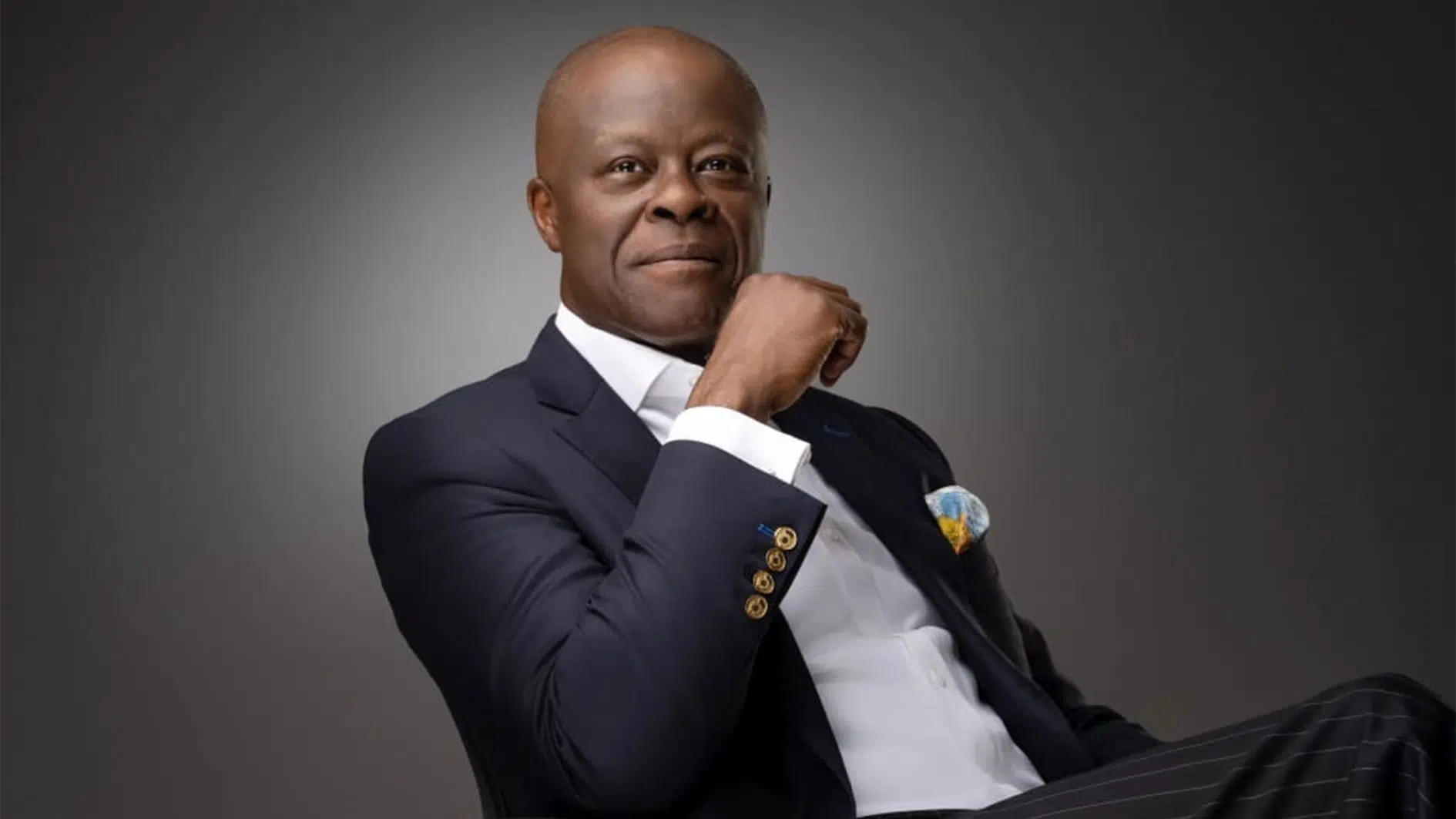
William Asiko, Vice President of Africa at The Rockefeller Foundation, said several governments have committed to policy reforms under National Energy Compacts.
“Through the National Energy Compacts, governments across Africa are committing to reforms that improve the investment environment and strengthen the institutions responsible for delivering electrification,” Asiko said.
According to him, additional funding will help governments translate those commitments into practical implementation.
Additional assistance is being provided through the Mission 300 Accelerator to delivery teams in Nigeria, Côte d’Ivoire and Senegal.
Project targets electricity access
The new pledge supports the Mission 300 programme, which is led by the World Bank Group and the African Development Bank.
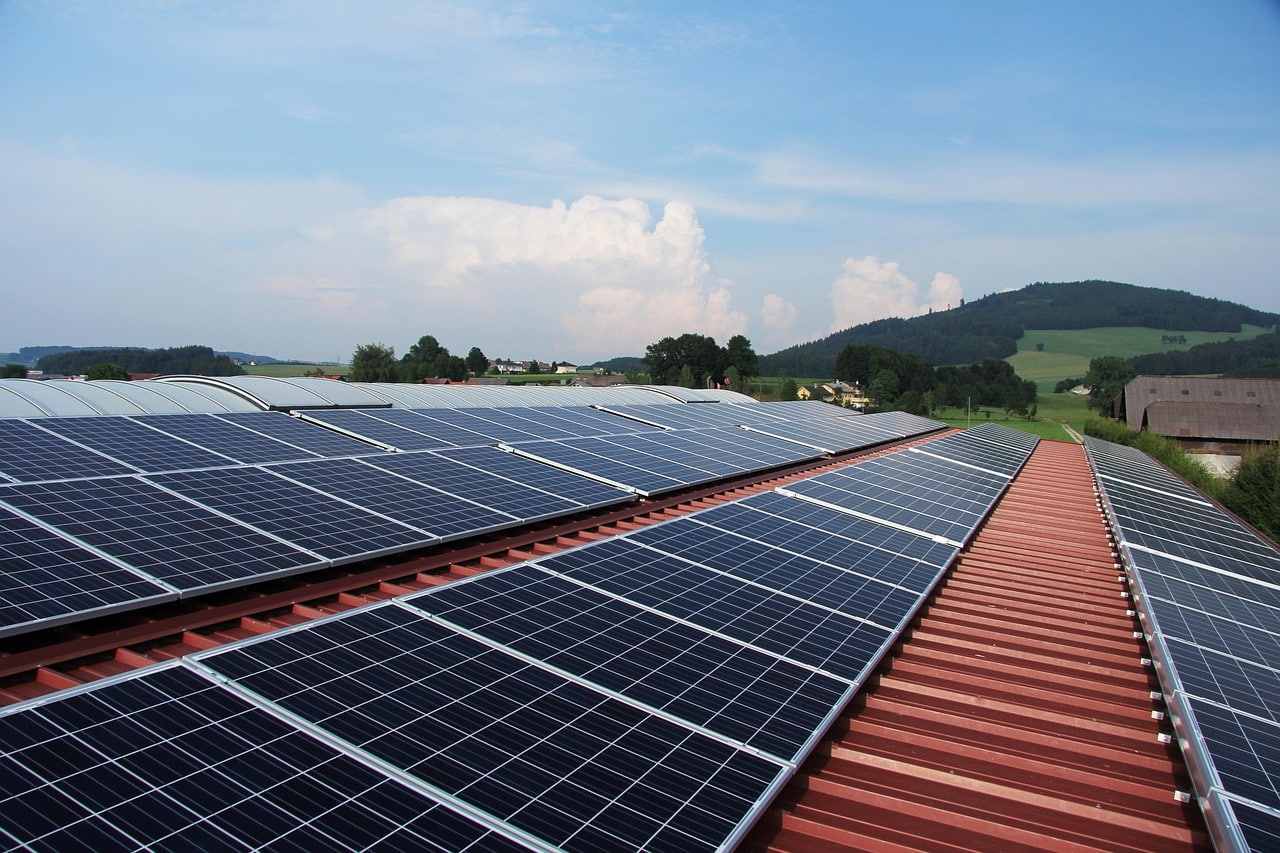
The programme combines national grid expansion with decentralised energy systems such as solar mini-grids and stand-alone home systems. These solutions are used to reach remote communities.
About 44 million people have gained access to electricity through initiatives linked to Mission 300. Development partners state that the pace of new connections must increase to meet the 2030 target.
The initiative supports technical fellowships and coordination mechanisms within governments.
The first cohort of Mission 300 Fellows is providing support to national teams in Burundi, Chad, Lesotho, Madagascar, Mozambique, Niger and Sierra Leone.
Africa still faces electricity deficit
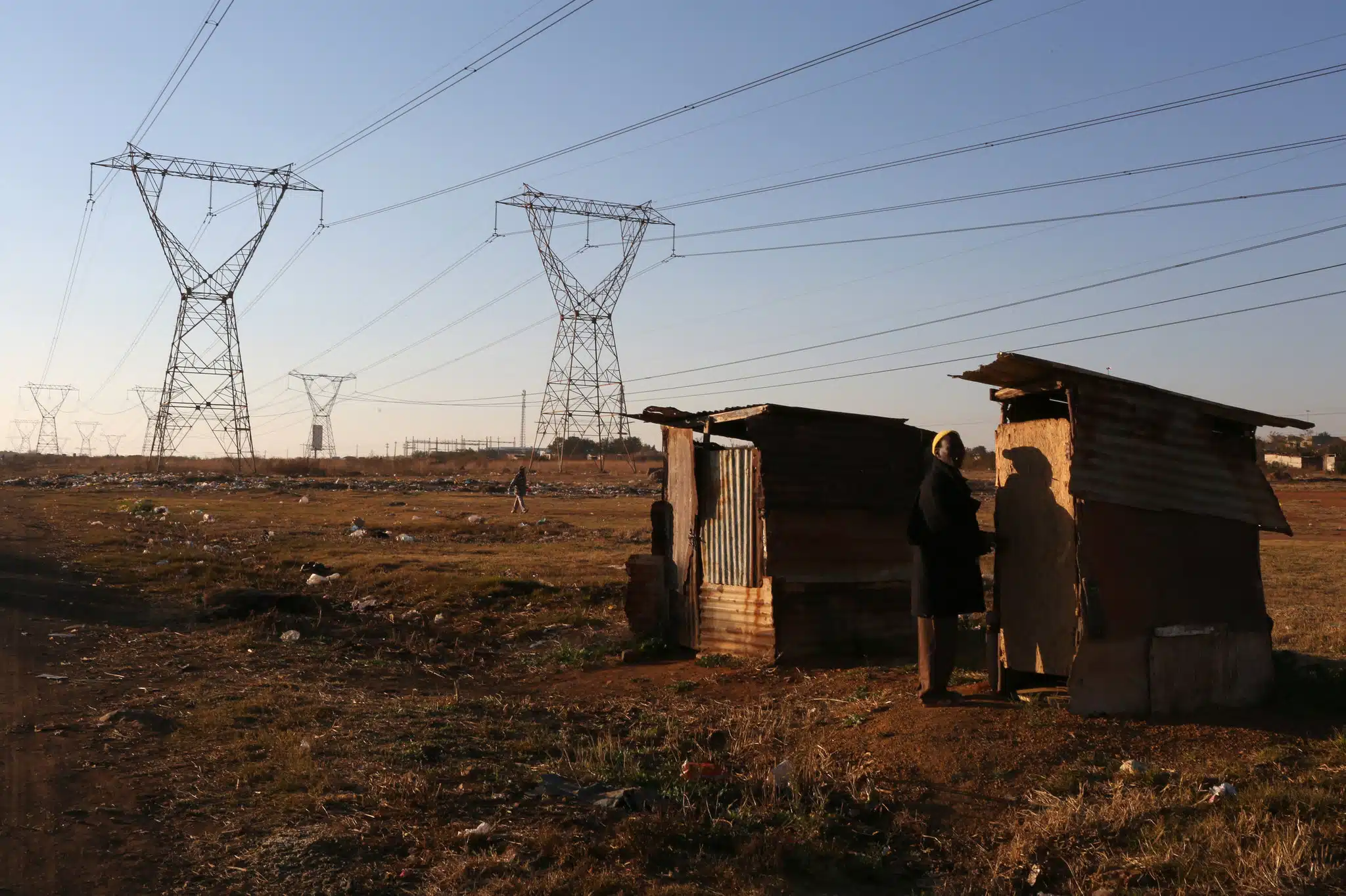
Despite progress in recent years, electricity access remains one of the most significant infrastructure gaps across the continent. More than 600 million people in Africa lack access to electricity.
Limited electricity access affects economic activities. In many regions, businesses and households rely on diesel generators and other alternatives.
Development institutions involved in the Mission 300 programme state that electricity access supports economic activity and public services.
Many countries deploy decentralised renewable energy solutions alongside grid infrastructure.
Solar mini-grids and stand-alone home systems provide electricity to communities located far from existing transmission networks.
These systems typically combine solar generation with battery storage, allowing electricity to be supplied even in areas without grid connections.
Partners involved in the Mission 300 programme say the approach allows governments to reach rural populations more quickly while longer-term grid expansion projects continue.
During the discussions, programme partners also indicated that additional technical experts will be deployed to support national delivery units in at least 18 African countries.
The Rockefeller Foundation stated that its latest funding will support those implementation efforts.