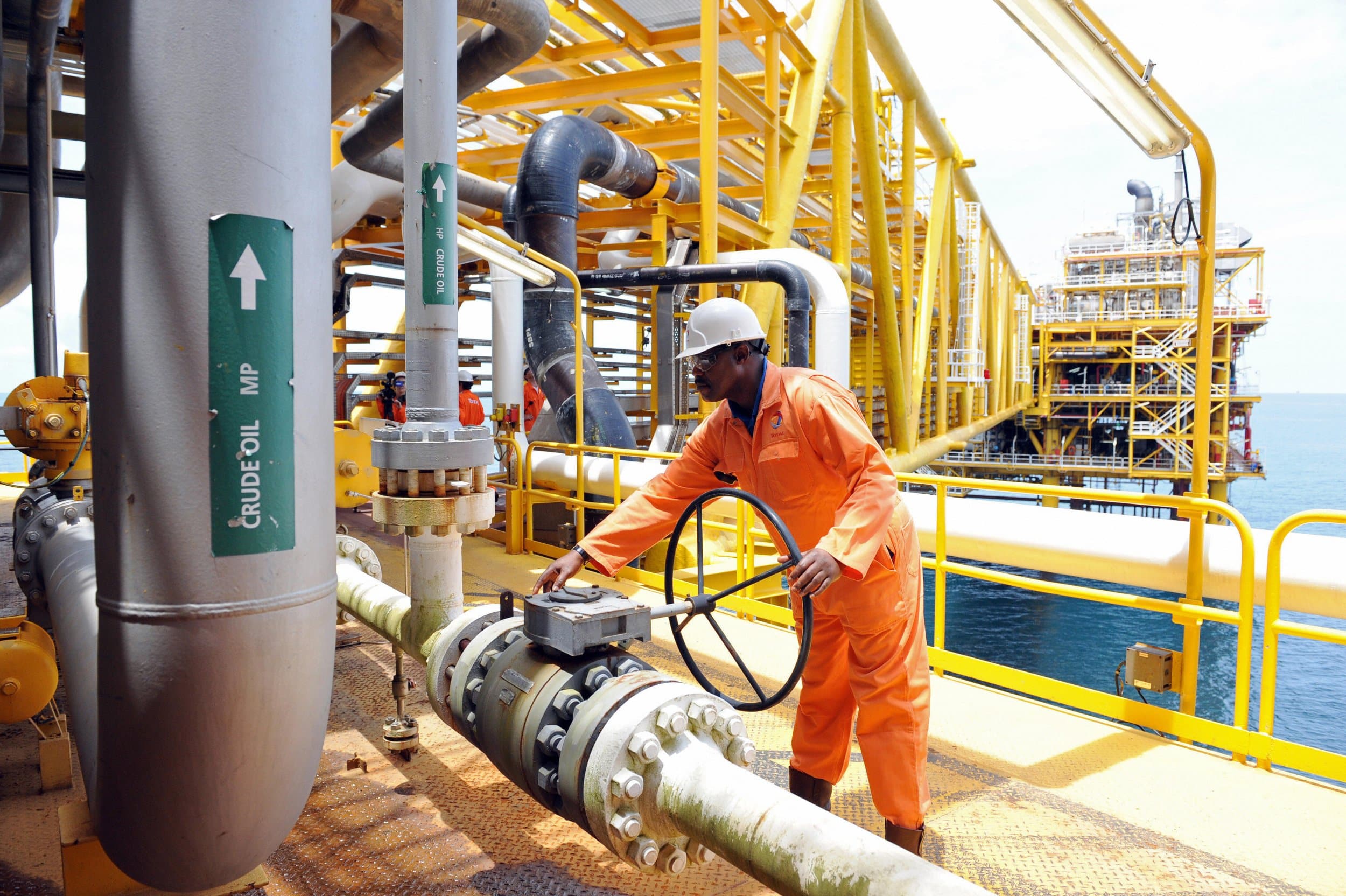

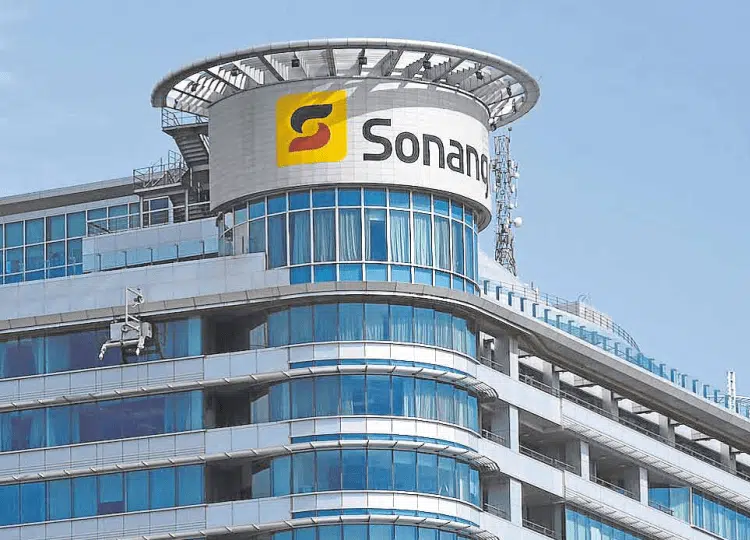


Angola’s state oil company Sonangol is seeking $4.8 billion in financing from Chinese lenders to fund the next phase of its Lobito refinery project.
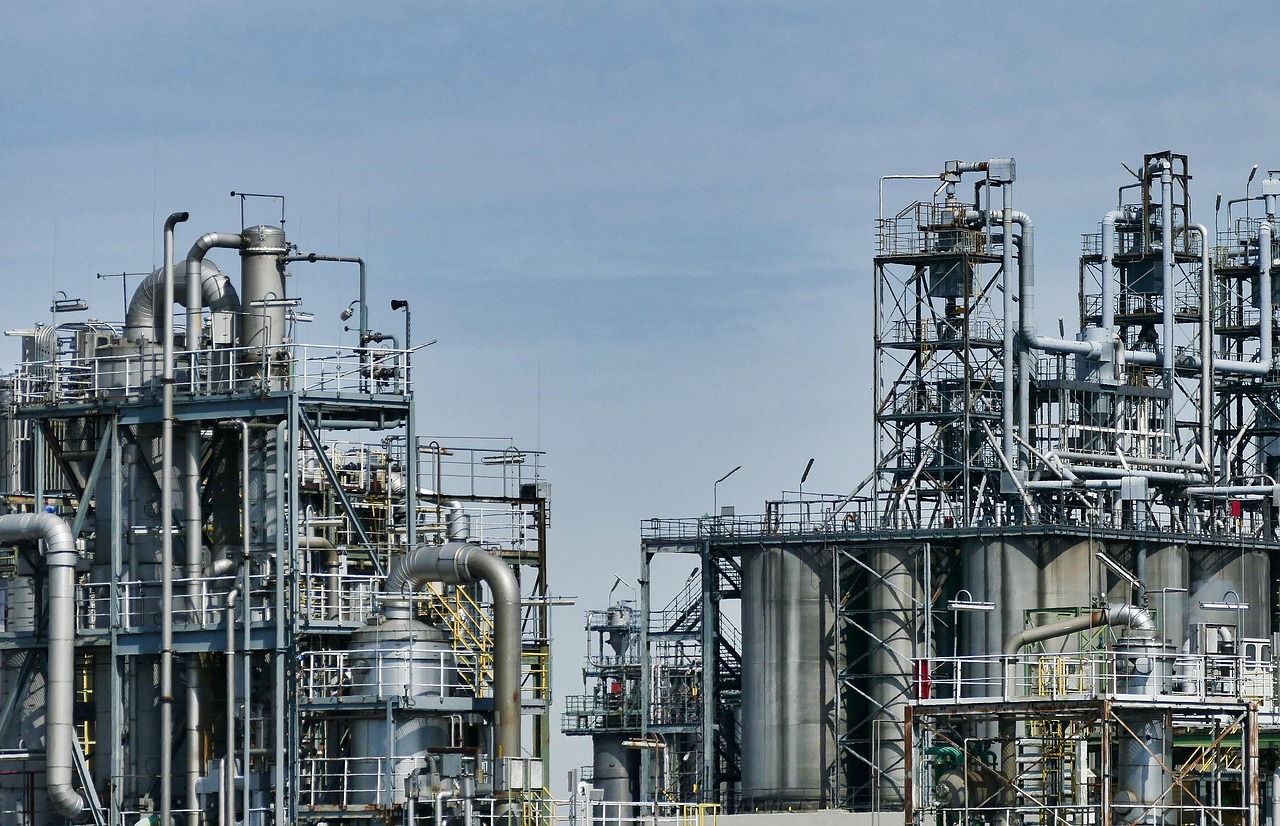
The borrowing would support construction of a $6.2 billion facility at the Atlantic port city of Lobito.
The company is engaging financial institutions in China to secure the funding for one phase of the project, according to people familiar with matter.
The Chief executive of the oil firm, Sebastiao Gaspar Martins, disclosed the plan during a news briefing, outlining the scale of the financing required.
“The next phase is estimated at $4.8 billion, and we are contacting Chinese institutions with the support of the contractor, who is also Chinese, in order to obtain this financing,” Martins said.
The financing, if concluded, would mark Sonangol’s first borrowing from China since it reduced exposure to resource backed loans several years ago.
The company had previously relied heavily on oil backed credit facilities to fund infrastructure and energy projects.
Angola’s finance ministry had earlier indicated the loan could come from China Development Bank, although further details were not provided.
Sonangol itself did not name the institutions involved in the discussions.
A delegation from the company is expected to travel to Beijing for meetings with potential lenders. The terms under discussion do not envisage the use of oil as collateral, the company stated.
The Angolan government describes the Lobito refinery as strategic to national energy security. Authorities expect the plant to begin producing refined petroleum products once construction is completed.
Why Sonangol is returning to Chinese lenders
China was previously the leading source of credit for many African economies, including Angola, particularly in the years before 2019.
During that period, Chinese banks extended large oil backed loans to support public spending and infrastructure.
However, Chinese lending to Africa declined sharply after that period and fell further during the COVID pandemic. As a result, several projects across the continent faced funding gaps and delays.
Recent data from Angola’s finance ministry shows the country’s stock of oil backed debt to China dropped by nearly a quarter to $7.73 billion, from $10.146 billion previously.
The reduction followed a policy shift aimed at limiting exposure to commodity linked borrowing.
Beijing has maintained that it continues to support African countries through investment and trade. On its part, Angola adjusted its financing strategy amid volatile commodity prices, higher global interest rates and tighter credit conditions.
How Sonangol plans to fund the refinery
The Lobito refinery is designed to expand Angola’s domestic refining capacity and reduce reliance on imported fuel.
Despite being a major crude producer, Angola imports a large share of its refined petroleum products due to limited processing infrastructure.
By increasing local refining capacity, the government aims to improve fuel supply stability and reduce pressure on foreign exchange reserves. The project is also expected to create industrial activity around the port city.
The refinery’s total estimated cost stands at $6.2 billion, with the $4.8 billion phase forming a core component of the financing plan.
Simply put, Chinese credit would cover a substantial share of the construction cost if finalised.
Sonangol’s move signals a measured return to Chinese financing, though without pledging crude oil as security. In short, the company is seeking to balance external funding needs with a more cautious debt structure.
The outcome of the talks will determine how quickly the Lobito refinery advances to full construction and eventual production.