


South Africa’s National Treasury has said on Wednesday that it expects government debt to stabilise as planned despite rising oil prices and market volatility linked to the Middle East conflict.
The Treasury indicated that stronger export commodity prices could offset the impact of higher oil costs.
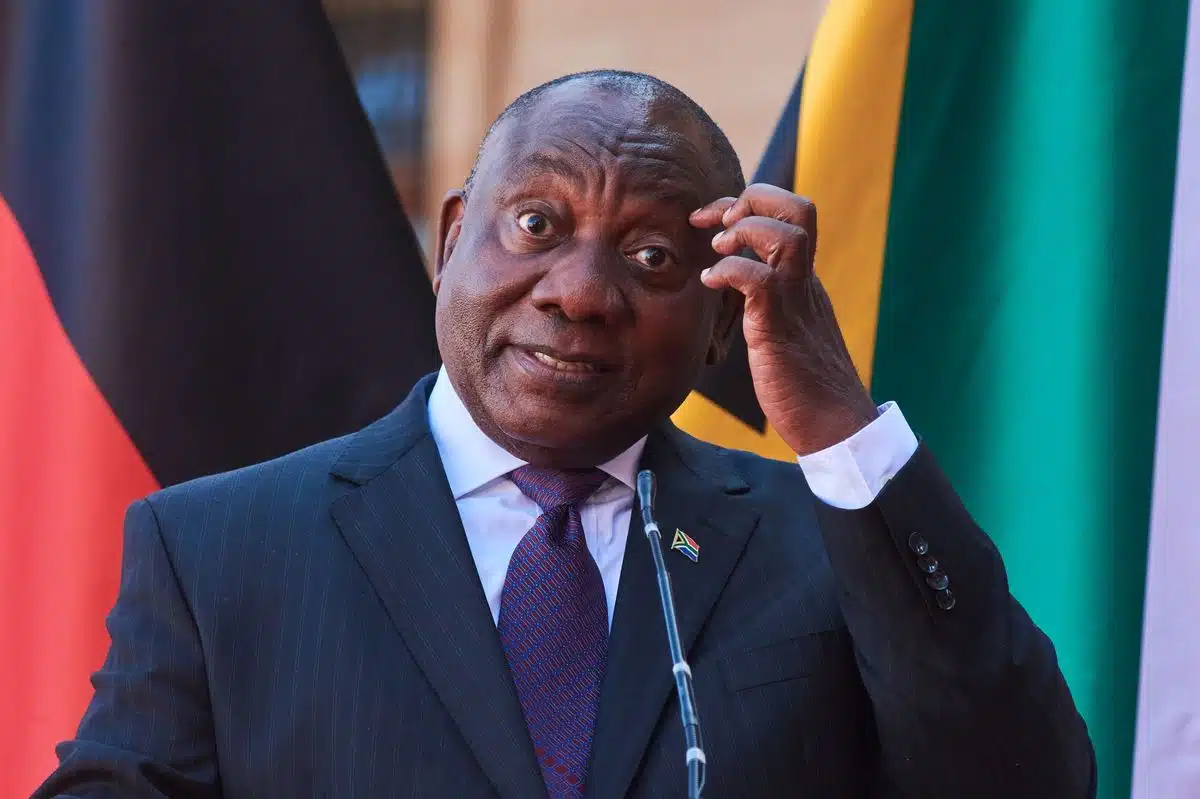
Duncan Pieterse, the Director-General of the National Treasury, told an investment conference that changes in commodity prices have a broader effect on South Africa’s terms of trade and tax revenue than the oil price surge alone.
He added that as long as government expenditure remains well controlled and revenue performs at current or slightly higher levels, the country’s fiscal trajectory is secure.
Oil price pressures and rand performance
Oil prices have surged past $100 per barrel amid the ongoing Middle East conflict, creating concern for oil-importing nations such as South Africa. Analysts warn that higher oil costs can increase inflationary pressures.
The South African rand has faced pressure in recent sessions but edged up against the U.S. dollar on Wednesday, as investors awaited key economic data to assess the country’s economic outlook.
Pieterse noted that higher oil prices could indirectly support export earnings if coal and iron ore prices rise, benefiting miners and increasing corporate tax and royalty receipts. Treasury had already anticipated additional revenue from commodities this year.
Investor sentiment and budget expectations
Pieterse described investor sentiment as “overwhelmingly positive” following the government’s February budget.
Some investors reportedly welcomed Treasury’s conservative revenue assumptions amid heightened global uncertainty.
The budget projected that gross debt would stabilise during the current fiscal year, with a fiscal anchor planned for later in 2026.
“It would take a very large global growth shock to dislodge us from this path,” Pieterse said, highlighting confidence in South Africa’s ability to maintain its debt trajectory despite external pressures.
The Treasury emphasised that South Africa’s diversified commodity exports, including coal and iron ore, play a critical role in cushioning the economy from oil price volatility.
Strong commodity performance is expected to support both government revenue and the country’s terms of trade, mitigating the effect of higher energy costs.
The remarks shows South Africa’s strategy of relying on fiscal discipline, commodity earnings, and conservative budget assumptions to maintain macroeconomic stability.
The country continues to monitor global energy and market developments closely to safeguard its economic position.
Analysts say that South Africa’s diversified export base, which includes coal, iron ore, and precious metals, provides a buffer against external shocks such as rising oil prices.
By leveraging these commodity revenues, the Treasury aims to maintain investor confidence, fund essential government services, and sustain economic growth despite global volatility.
The approach reflects a broader effort to balance fiscal responsibility with strategic support for key sectors of the economy.