


The government of South Africa has announced a sharp increase in petrol and diesel prices, marking the largest fuel price hike in nearly two decades following rising global oil prices and a weakening currency linked to the ongoing Iran conflict.
The Department of Mineral Resources and Energy said the retail price of 95-octane petrol will increase by 3.06 rand per litre in Gauteng, while the wholesale price of diesel will rise by as much as 7.51 rand per litre. The new prices will take effect from April 1.
In a statement, the department said the increase was driven by higher global oil prices and the depreciation of the rand against major currencies, which increased the cost of importing fuel.
Global oil prices push fuel costs higher
Countries across the world are adjusting fuel prices or reducing subsidies as global crude oil prices rise following the conflict involving Iran, which has disrupted global oil supply routes and increased energy costs.
South Africa relies entirely on imported crude oil, making domestic fuel prices highly sensitive to international oil prices and exchange rate movements. Reports indicate that oil prices have risen by more than 40 per cent since the start of the conflict in late February.
Analysts say this has significantly increased the cost of refined fuel imports for countries that depend on imported petroleum products.
Inflation pressure expected
Economists have warned that the fuel price increase could increase inflation, as fuel costs affect transportation, food production, manufacturing and general consumer prices.
Fuel accounts for nearly four per cent of South Africa’s inflation basket, meaning fuel price increases often have a direct impact on the cost of living.
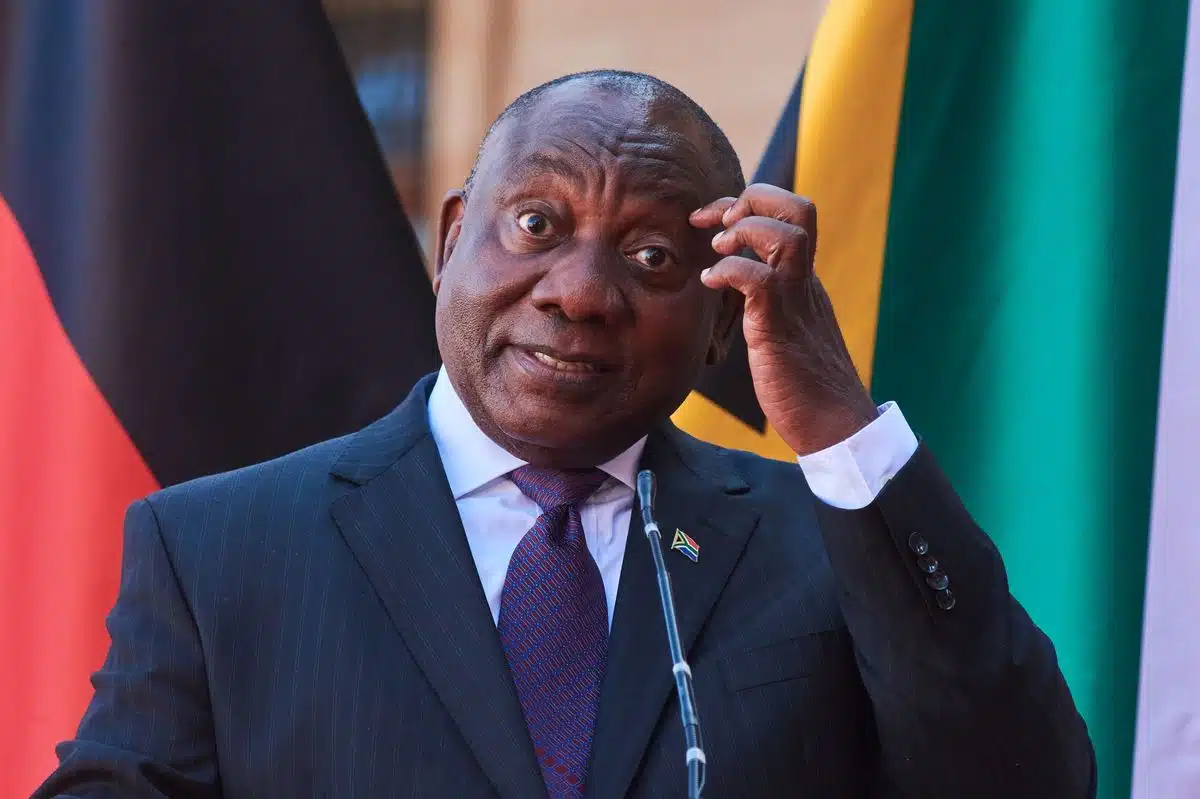
Governor of the South African Reserve Bank, Lesetja Kganyago, warned that higher energy costs could push inflation higher in the coming months.
“Higher energy costs could lift inflation to around 4 per cent in the near term,” Kganyago told reporters in Pretoria, warning that fuel price growth could exceed 18 per cent in the second quarter if global oil prices remain high.
Possible interest rate hikes
The central bank has kept interest rates unchanged for now but warned that policy tightening may be necessary if inflation rises due to increasing fuel and energy costs.
Higher interest rates are typically used to control inflation but can also slow economic growth by making borrowing more expensive for businesses and consumers.
Agriculture and transport sectors affected
The increase in diesel prices is also expected to affect agricultural production, particularly grain farming, as farmers rely heavily on diesel for planting, harvesting and transportation.
Transport operators and logistics companies are also expected to face higher operating costs, which may eventually be passed on to consumers through higher prices for goods and services.
Global trend of rising fuel prices
South Africa is not alone in facing rising fuel prices. Petrol prices have increased in several regions, including parts of Europe, while some countries are reducing fuel subsidies to reduce government spending as energy costs rise globally.
Energy analysts say global fuel markets remain volatile due to supply disruptions, currency fluctuations and geopolitical tensions affecting oil supply routes.
Experts warn that if global oil prices remain high and currencies in oil-importing countries continue to weaken, fuel prices could remain elevated in many countries, including South Africa, in the coming months.