


Coal’s share of electricity generation in Africa’s largest economy, South Africa, fell to 68% in December 2025, its lowest monthly level on record, as solar power’s contribution rose to 15%, according to Ember Electricity Data Explorer.
The figures, covering monthly generation shares from 2020 to 2025, show a steady rise in solar output over the past five years.
At the same time, coal, which is the backbone of the country’s power system, has gradually declined from levels above 80% to the high-60s range.
The December outcome represents the first time solar has reached 15% in a single month, based on Ember’s dataset.
Solar capacity increases
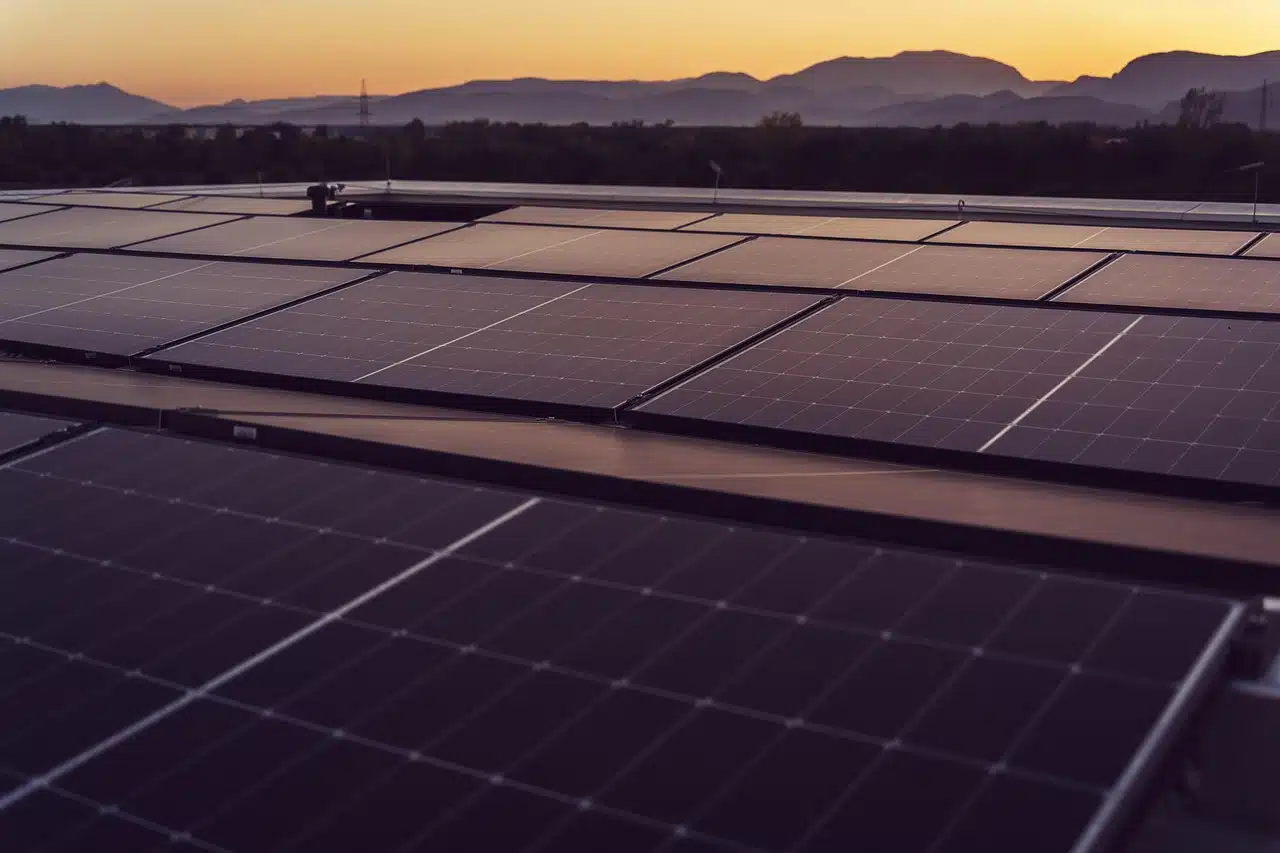
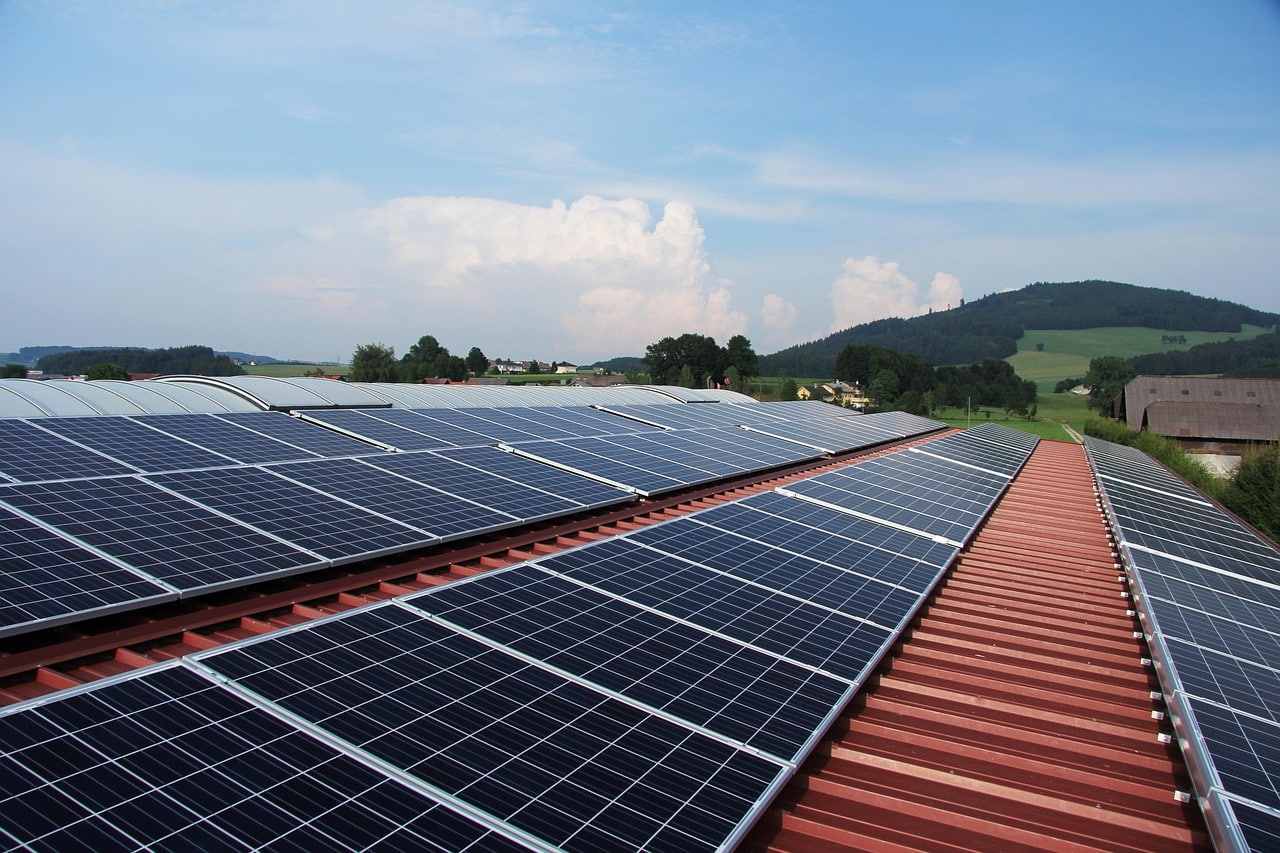
South Africa added approximately 1.6 GW of solar capacity in 2025, bringing cumulative installed capacity above 10 GW. This includes utility-scale projects and increased rooftop installations.
The build-out includes both utility-scale projects and a surge in rooftop solar installations by households and businesses during periods of load shedding.
In its latest regional assessment, Ember reports that solar has been the fastest-growing electricity source globally in recent years. In Africa, the contribution from solar, wind, hydro, and nuclear has increased.
Meanwhile, solar panel imports into Africa rose sharply over the past year, with South Africa accounting for a significant share of the growth as the continent’s largest solar market.
The rise in installed capacity has translated into higher generation shares during months with strong sunlight. December, which falls in South Africa’s summer period, typically delivers high solar output due to longer daylight hours and stronger irradiation levels.
Coal’s dominance narrows, but remains central
Coal has supplied the bulk of South Africa’s electricity for decades. A decade ago, its share stood close to 90%, according to historical power mix data compiled by Ember.
However, monthly data from 2020 onward show a gradual decline. The chart indicates coal’s share moved from above 80% in 2020 to around 68% in December 2025.
The decline in coal’s percentage share is due to higher generation from other sources, even as absolute coal output has remained substantial in many periods.
When solar and wind output rise, coal’s percentage share falls even if absolute coal generation remains substantial.
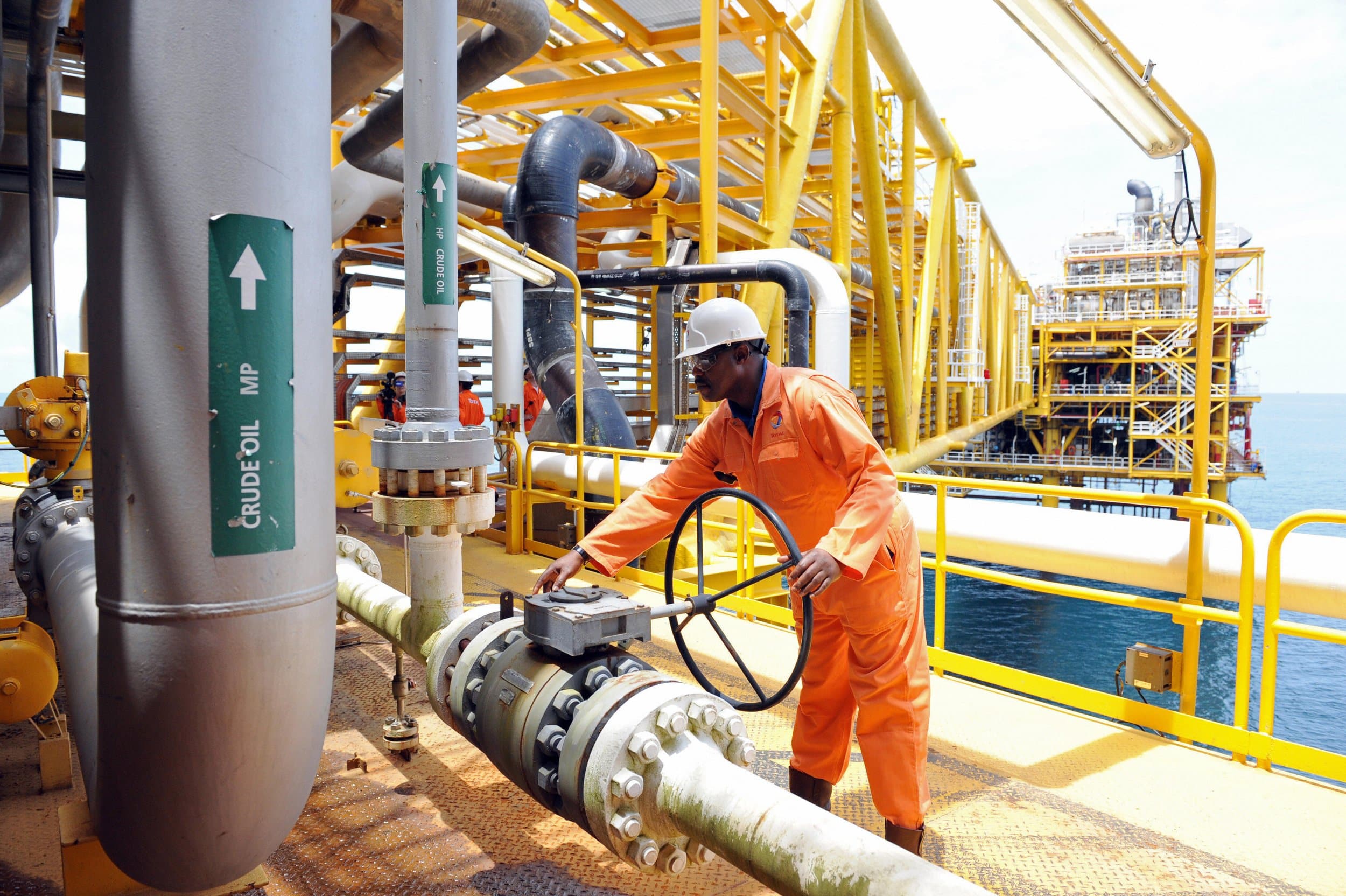
South Africa’s grid remains heavily reliant on coal-fired power stations operated by state utility Eskom.
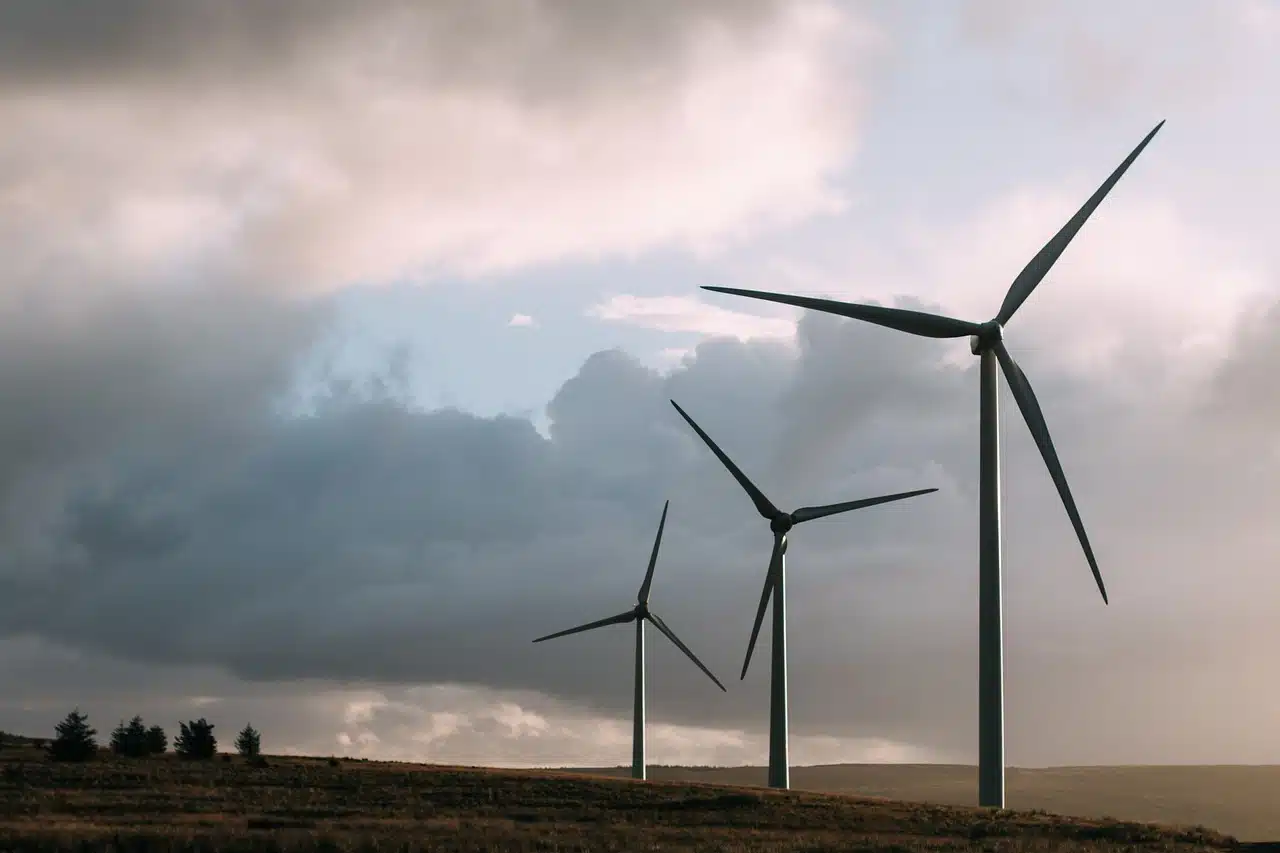
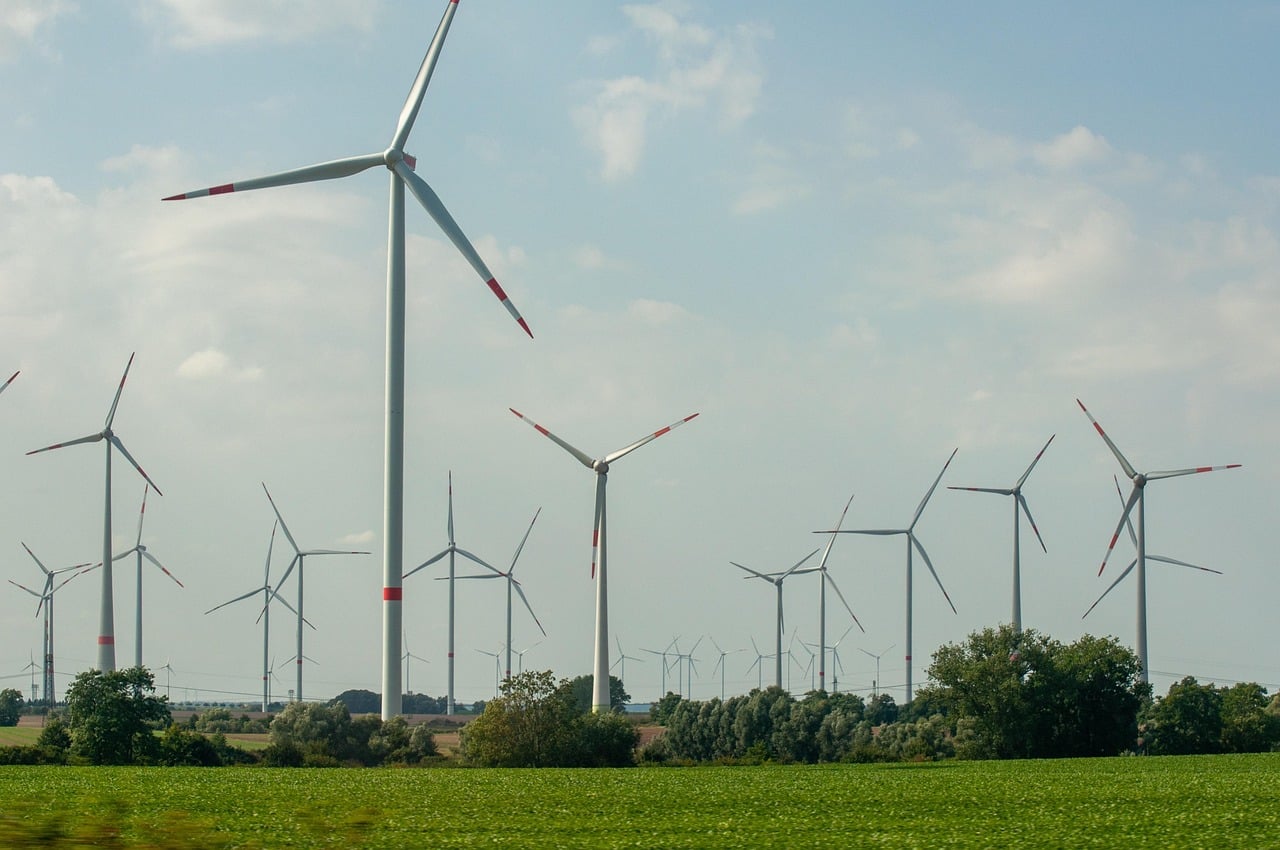
The country is also expanding wind capacity and maintaining nuclear generation at Koeberg, which contributes a smaller but steady portion of supply.
Africa’s solar surge in context
In Africa, clean power accounts for roughly a quarter of total electricity generation, according to Ember’s regional data.
While the continent still relies significantly on fossil fuels and hydro resources, solar growth has accelerated in leading markets such as South Africa, Egypt and Morocco.
For South Africa, the December achievement shows this broader shift. The country has faced repeated power shortages over the past several years.
Businesses and households responded by investing heavily in embedded generation, particularly rooftop solar systems paired with battery storage.
As more distributed systems connect to the grid, their contribution becomes visible in national generation data. Over time, this has increased solar’s share of the country’s total electricity output.
Coal remains South Africa’s dominant power source. However, the data indicate that its share of the energy mix is gradually narrowing as renewable capacity continues to expand.