


In the News:
• South Africa cuts petrol and diesel prices to the lowest level since 2022.
• The drop is driven by weaker global oil prices and a stronger rand.
• Lower fuel costs could ease inflation and support economic activity.
Africa’s largest economy, South Africa, is recording its lowest petrol and diesel prices in January since 2022. The decline follows a fall in global oil prices and a rebound in the local currency, the rand.
The Minister of Mineral and Petroleum Resources, Gwede Mantashe, announced the new fuel price adjustments on Sunday.
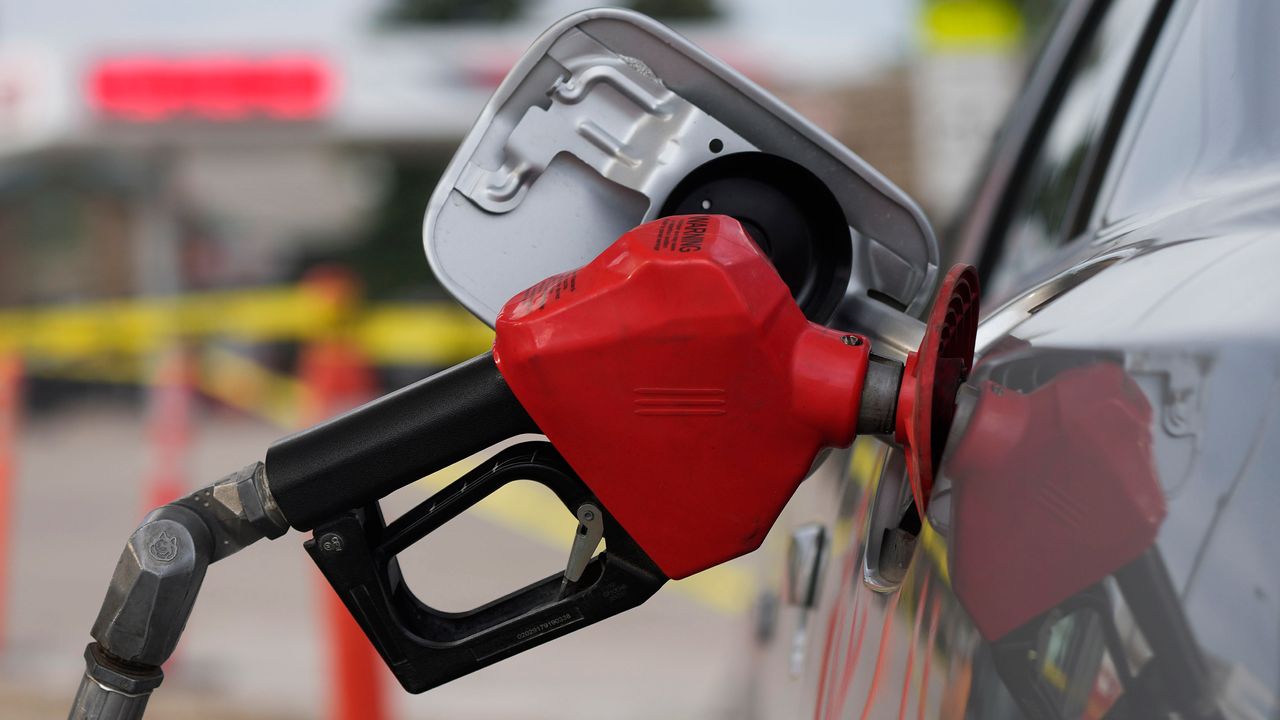
According to his statement, as reported by local media, the price of petrol will fall by about 3% to 20.75 rand ($1.26) per litre. Diesel prices will drop by 1.50 rand ($0.09) per litre, representing a 7% reduction. The new prices take effect on Wednesday, January 7.
Mantashe said this marks the lowest fuel price level in four years. He attributed the trend to lower crude oil prices and a stronger rand.
South Africa imports more than 80% of the petrol and diesel it consumes. Most supplies come from Western markets, including the United States and Europe.
The rand gained more than 3% against the dollar in December. This helped reduce import costs for a country that relies entirely on imported crude oil. Fuel accounts for nearly 4% of South Africa’s inflation basket and also affects the prices of most consumer goods. As a result, the price drop could ease inflationary pressure.
Apart from petrol and diesel, other energy prices are also set to decline across the country.
The energy ministry announced the following adjustments:
- 93 Unleaded Petrol and Lead Replacement Petrol will decrease by 62 cents per litre.}
- Petrol 95 will decrease by 66 cents ($0.04) per litre.
- Diesel will decrease by 1.50 rand ($0.09) per litre.
- Illuminating paraffin will decrease by 1.10 rand ($0.07) per litre.
- The Single Maximum National Retail Price for illuminating paraffin will decrease by 1.48 rand ($0.09) per litre.
- The Maximum Retail Price of Liquefied Petroleum Gas will increase by 21 cents ($0.01) per litre. In the Western Cape, it will rise by 23 cents ($0.01) per litre.
“These factors led to lower contributions to the basic fuel prices of petrol, diesel and illuminating paraffin respectively. The prices of propane and butane increased during the period under review due to tighter global supply,” the ministry said.
Why energy prices are dropping in South Africa
South Africa imports a large share of its energy needs. This exposes the country to global price movements.
International petrol prices have followed the downward trend in crude oil markets.
Reuters reported that oil prices fell on Monday as ample global supply outweighed concerns over potential disruptions. Brent crude futures fell by 50 cents to 60.26 dollars per barrel. US West Texas Intermediate crude dropped by 53 cents to 56.79 dollars per barrel.
The energy ministry also linked the fuel price drop to the stable rand. The stronger currency has helped ease inflationary pressure.
TThe nation’s annual inflation slowed to 3.5% in November. This is one of the lowest rates in Africa.
The country is also considering cutting its lending rate in the first quarter of the year. This could provide further relief to households and small businesses.
Lower fuel prices are expected to reduce transport fares. Private car owners may also increase fuel consumption.
In addition, diesel remains critical to South Africa’s power sector.
Reports show that the state owned utility, Eskom, spent about $212 million on diesel between January and June 2025.
Lower diesel prices could help the debt burdened utility cut costs. This may also reduce system breakdowns and limit power supply disruptions.