


The Government of the United Republic of Tanzania has launched Phase One of its $9.95 million (TZS 25.8 billion) clean cooking programme targeting 453 public institutions nationwide.
The initiative was inaugurated by Deputy Minister for Energy, Hon. Salome Makamba, at Kondoa Girls’ Secondary School in Dodoma Region.
The first phase covers 53 schools and training centres across 18 regions and is fully funded by the government through the Rural Energy Agency (REA).
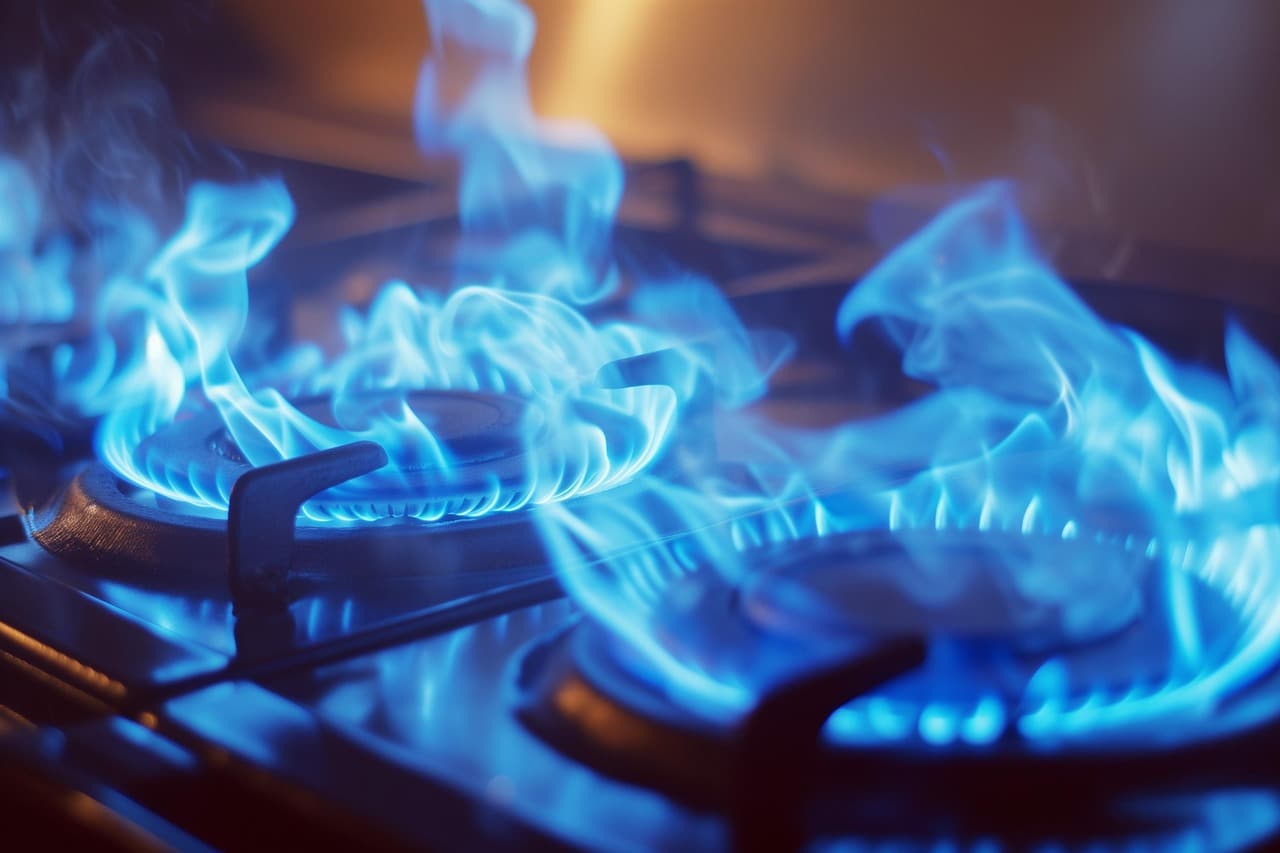
According to the Ministry of Energy, the programme will install LPG (Liquefied Petroleum Gas) systems, improved cookstoves and alternative charcoal solutions in institutions serving more than 100 people.
The Phase one covers 52 secondary schools and one Vocational Education and Training Authority (VETA) college. Phase II will extend to the remaining 400 institutions nationwide.
From firewood to LPG
At Kondoa Girls’ Secondary School, the installation includes a one-tonne LPG storage tank capable of sustaining cooking operations for about two months. The system also integrates alternative charcoal made from sugarcane by-products.
Speaking at the launch, Makamba said the programme is part of the government’s broader clean energy transition under President Samia Suluhu Hassan.
“This initiative is a clear demonstration of the government’s commitment to ensure that all institutions serving more than 100 people transition to clean cooking energy,” she said.
She directed Local Government Authorities, the Ministry of Education, Science and Technology, and TAMISEMI to ensure proper oversight of the facilities.
The minister also urged the private sector to expand investment in the production and distribution of clean cooking technologies to increase access and lower costs.
School authorities at Kondoa welcomed the development, noting that the shift is expected to reduce cooking-related expenses by about 40% while improving working conditions for kitchen staff.
Forest loss, health risks drive the initiative
REA officials said the programme responds to longstanding environmental and health concerns linked to traditional cooking fuels.
According to agency data, Tanzania loses about 46,606 hectares of forest annually due to firewood and charcoal use.
In addition, more than 33,000 deaths per year are attributed to the effects of unclean cooking energy.
Women and girls are particularly affected. Government data show that many spend between four and eight hours daily collecting firewood.
Makamba said the clean cooking rollout will extend beyond schools, directing the Rural Energy Agency to prioritise high-traffic areas such as livestock auction markets, bus terminals and marketplaces.
“These areas serve large populations daily and present significant opportunities for clean energy use,” she said.
Built on a national 10-year strategy
The institutional rollout follows Tanzania’s National Clean Cooking Strategy (2024–2034), which sets a target of achieving 80% adoption of clean cooking solutions by 2034. The strategy aligns with Tanzania Vision 2025 and the country’s climate commitments.
In recent months, the government has also implemented LPG subsidy programmes to reduce cost barriers. More than 452,000 LPG cylinders have been subsidised, particularly in rural areas, according to official disclosures.
REA has previously outlined plans to scale up clean cooking technologies, including LPG, biogas and improved cookstoves, especially in rural communities and public institutions.
Meanwhile, private sector participation has increased. Development finance institutions have backed companies expanding biogas-based cooking solutions that convert agricultural waste into fuel, supporting rural energy access beyond government-funded projects.
Meanwhile, private sector participation has increased, with development finance institutions supporting companies that scale biogas cooking solutions from agricultural waste, boosting rural energy access beyond government initiatives.
Institutions targeted to maximise biomass reduction
The project targets institutions such as boarding schools, colleges, and markets, which consume large volumes of firewood daily. Replacing traditional fuels in these facilities could significantly reduce biomass demand.
The programme is being implemented in phases that allows for monitoring and adjustment before nationwide expansion.
REA officials said installations will continue region by region until all 453 institutions are covered.
Normal cooking operations have already begun under the new system at Kondoa Girls’ Secondary School. Government representatives stated that lessons from the first phase will guide implementation in subsequent sites.
The institutional rollout is part of Tanzania’s clean cooking efforts under the National Clean Cooking Strategy (2024–2034), which addresses environmental, health, and infrastructure aspects.