


In the News:
- Tunisia signs €43 million ($49.9 million) deal with EBRD for ELMED Phase 2.
- Project will expand the grid and integrate renewable energy.
- Infrastructure will support Tunisia–Italy electricity link and exports.
Tunisia has signed a €43 million ($49.9 million) financing and guarantee agreement with the European Bank for Reconstruction and Development (EBRD) to support the second phase of the ELMED electricity interconnection project linking Tunisia and Italy.
Speaking at the signing ceremony, the Minister of Economy and Planning, Samir Abdelhafidh, said the agreement comes at a time when Tunisia faces both structural challenges and strategic opportunities in its energy sector.
The programme aims to strengthen the national electricity grid operated by the Tunisian Electricity and Gas Company (STEG).
“The scale of the challenges is significant, but so are the historic opportunities to consolidate regional integration and strengthen the electricity system,” he said.
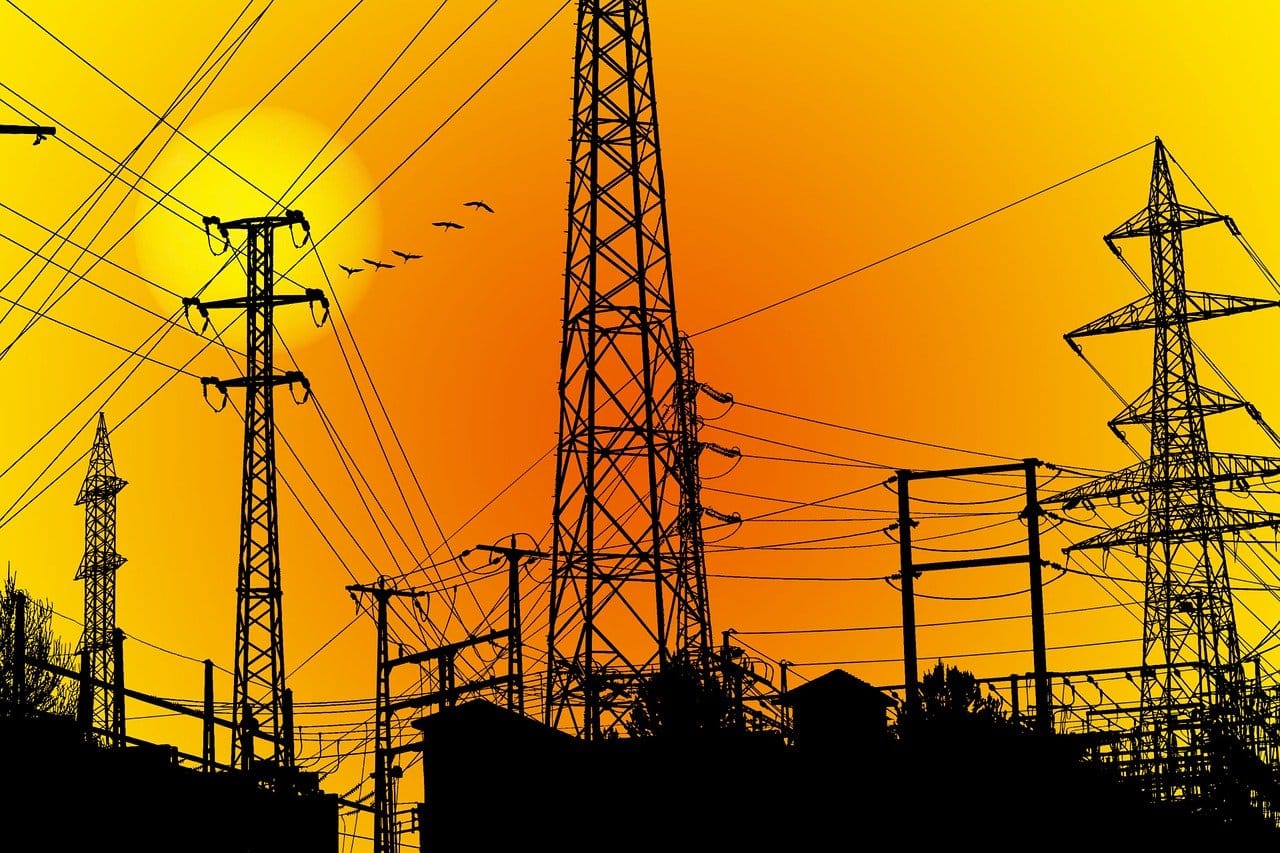
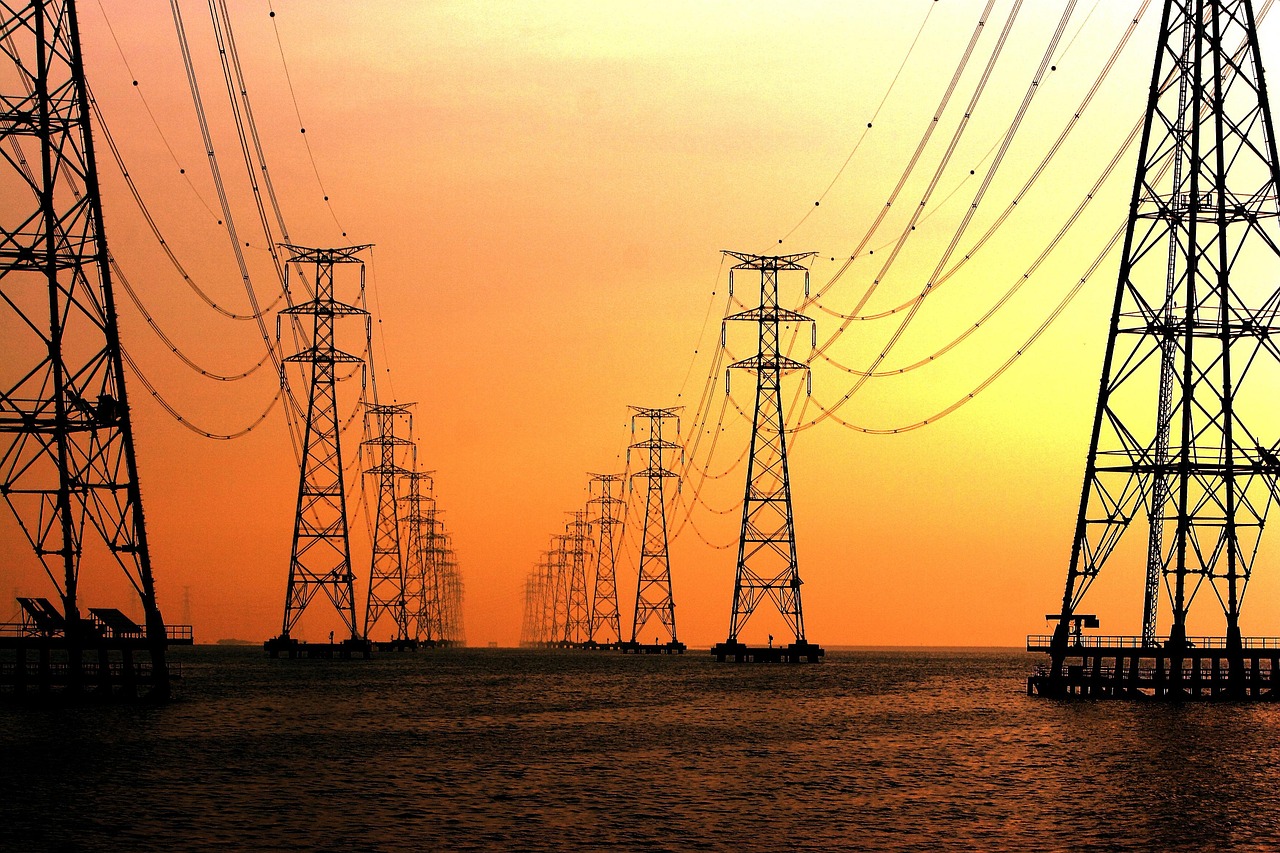
The project focuses on the installation of new high-voltage overhead transmission lines across northern and central Tunisia.
These lines are designed to reinforce STEG’s network ahead of increased power flows.
The minister said the project addresses the need to strengthen electricity supply security while accelerating the country’s energy transition.
Transmission lines will enhance Tunisia’s grid
According to Abdelhafidh, the new transmission lines will enable large-scale integration of renewable energy. They will also enhance grid reliability and support the submarine interconnection programme with Italy.
He added that the project aligns with Tunisia’s priorities on diversifying its electricity mix. It also positions the country as a link between North Africa and the European electricity market.
On her part, EBRD President Odile Renaud-Basso said the financing represents an important milestone in strengthening Tunisia’s energy infrastructure and supporting its transition objectives.
She described ELMED 2 as a decarbonisation project that will reduce Tunisia’s reliance on imported gas. It will also help the country reach its target of 35% renewable energy in the national mix.
“This project contributes to energy security and supports the integration of renewable energy at scale,” she said.
EBRD investment footprint in Tunisia
Renaud-Basso explained that the EBRD has invested about €3 billion in Tunisia since launching operations in 2012. The funds cover both public and private sector projects.
She noted that 2025 had been a particularly active year. EBRD financing exceeded €400 million, targeting sectors including energy, water, transport, phosphates, and small and medium-sized enterprises, often through local banks.
For 2026, the bank plans to maintain similar priorities. Investments are expected in energy, water infrastructure, public enterprise reform, SMEs, and innovative companies.
STEG chief executive Faisal Trifa said ELMED 2 will strengthen the company’s transmission network through a 400 kV line linking Kondar and Grombalia. Additional connections will also be installed around the Grombalia area.
He explained that the upgraded infrastructure will allow electricity generated mainly in southern Tunisia to be transferred to northern regions and major consumption centres.
What you should know
The ELMED electricity interconnection project includes the construction of a 400-kilovolt overhead transmission line of about 85 kilometres.
The project will link Grombalia in Nabeul governorate to Kondar in Sousse and cross four governorates: Nabeul, Ben Arous, Zaghouan, and Sousse.
Two sets of incoming and outgoing overhead lines will also be installed around the Grombalia 2 (400/225 kV) substation.
One section will connect Ezzahra to Grombalia 1 over a distance of about 10 kilometres. Another will link Seltene to Grombalia 1, covering roughly 10 kilometres.
Tunisian authorities said the loan will be repaid over 18 years, including a five-year grace period.