


The Government of Uganda, through its national oil company Uganda National Oil Company (UNOC), has secured a 20.15% shareholding in Kenya Pipeline Company (KPC) following Cabinet approval on Tuesday.
The Uganda’s Minister of Energy and Mineral Development, Ruth Nankabirwa, confirmed the development in a statement, saying the deal is valued at about Ksh32.95 billion ($255.4 million).
The deal, which will see Uganda secure long term access to regional fuel transport infrastructure, comes months after Kenya’s President William Ruto announced during a visit in November last year that Uganda had expressed interest in the partial ownership of the crucial asset.
The investment is expected to give UNOC control over part of the pipeline corridor that handles the bulk of Uganda’s petroleum imports, Nankabirwa said.
“While the majority of Uganda’s imports are routed through Kenya, the country also supplements its supply through the ports of Dar es Salaam and Tanga in Tanzania.
“This diversified import framework enhances supply resilience and reinforces regional energy cooperation across East Africa,” the minister said.
Why Uganda wants a stake in Kenya’s pipeline
Uganda imports approximately 95% of its petroleum products, equivalent to nearly 2.96 billion litres annually, primarily through Kenya via the Port of Mombasa and the KPC pipeline network.
The country’s monthly petroleum demand stands at about 240 million litres, growing at an estimated annual rate of 7%. This makes KPC’s infrastructure central to Uganda’s fuel supply chain, price stability, and broader economic resilience.
Under Uganda’s Petroleum Products Supply framework, UNOC is the sole importer of bulk petroleum products for the domestic market.
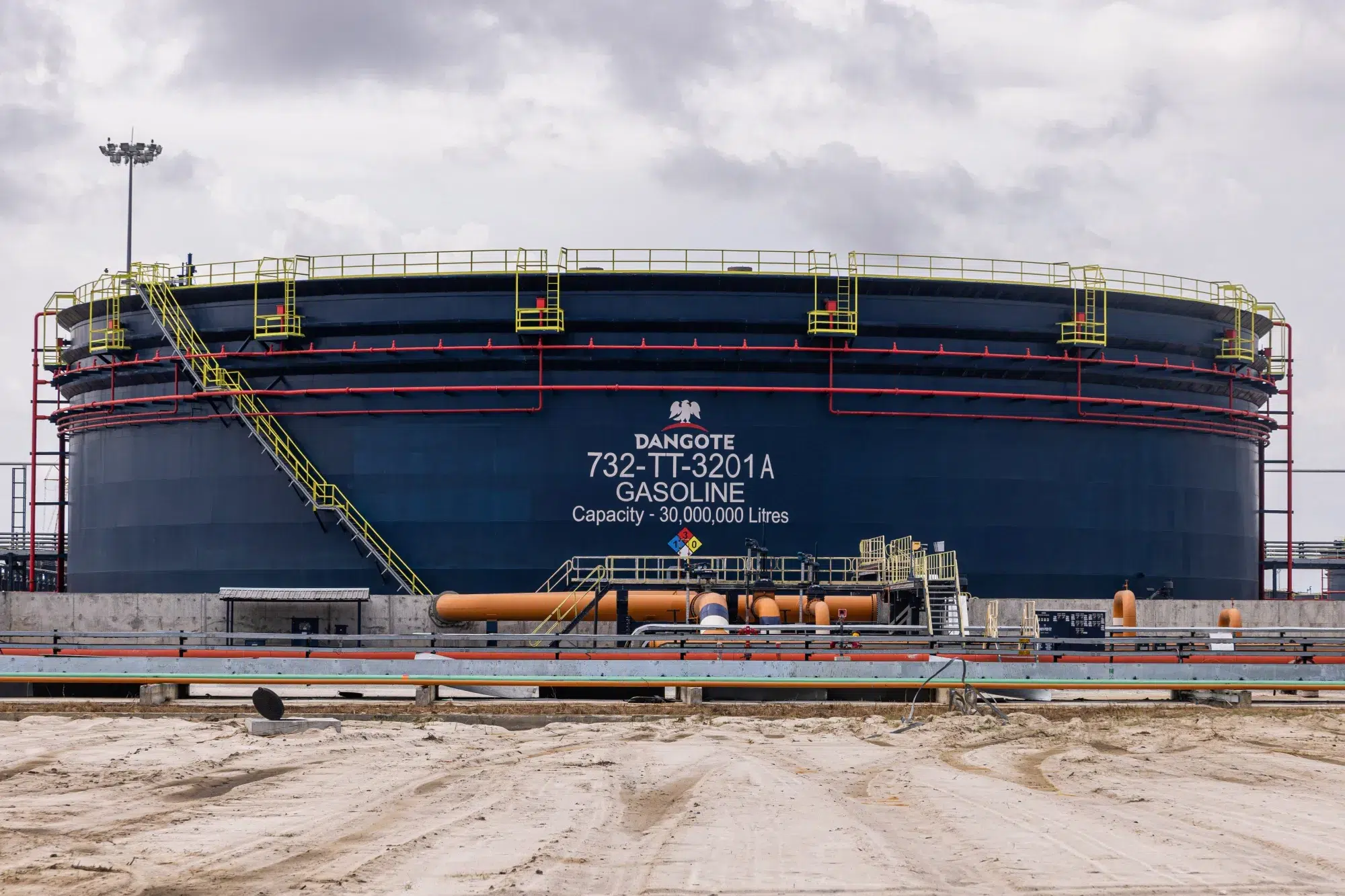
In May 2024, UNOC signed a Transportation and Storage Agreement with KPC to utilise Kenya’s pipeline and storage infrastructure for the efficient handling and transportation of fuel imports to western Kenya depots for onward distribution into Uganda.
Nankabirwa said approximately 65% of transit volumes through the KPC system are destined for Uganda, and the country contributes nearly 35% of KPC’s revenues.
Officials say this makes participation in the initial public offering both a strategic and commercial imperative.
Kenya’s move to privatise pipeline firm
In January, the Kenyan authorities announced the launch of the national pipeline firm’s initial public offering, aiming to raise around $822 million from the sale of shares.
The IPO is expected to be one of the biggest public offerings in the East African country, rivaling the listing of telecom giant Safaricom, which went public in 2008.
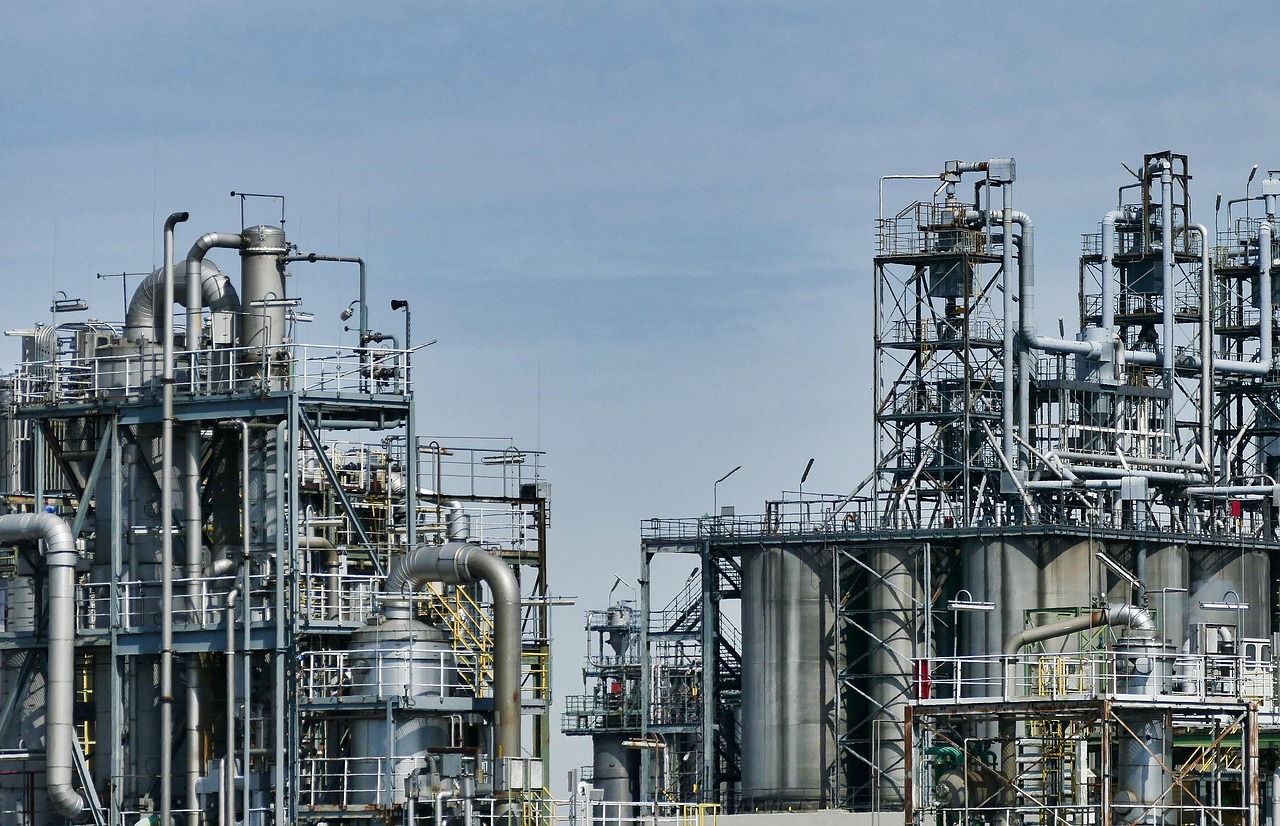
Kenya Pipeline Company operates the country’s main petroleum products transportation and storage infrastructure. Its pipeline network supports fuel supply across Kenya and parts of the East African region.
The offer forms part of the government’s broader plan to raise capital from state assets while widening public participation in the local market.
According to the government, proceeds from the share sale are expected to support the development of a proposed infrastructure investment fund and a sovereign wealth portfolio aimed at financing future strategic projects.
Last week, the High Court of Kenya dismissed a petition challenging the Privatisation Act 2025, effectively paving the way for the sale of stakes in state owned enterprises, including KPC.
According to a document from the Ugandan Ministry of Transport seen by Reuters, the proposed railway would run from the border with Tanzania, pass through southern Uganda, and terminate at the town of Mpondwe near the border with the Democratic Republic of Congo.
Uganda currently channels a large portion of its commodity exports through the Port of Mombasa and has previously announced intentions to link its Standard Gauge Railway network to Kenya’s rail system.