


Global energy trader Vitol is backing a consortium planning to develop a $3 billion liquefied natural gas (LNG) import terminal and gas-fired power plant at the Port of Durban in South Africa, a company spokesperson confirmed.
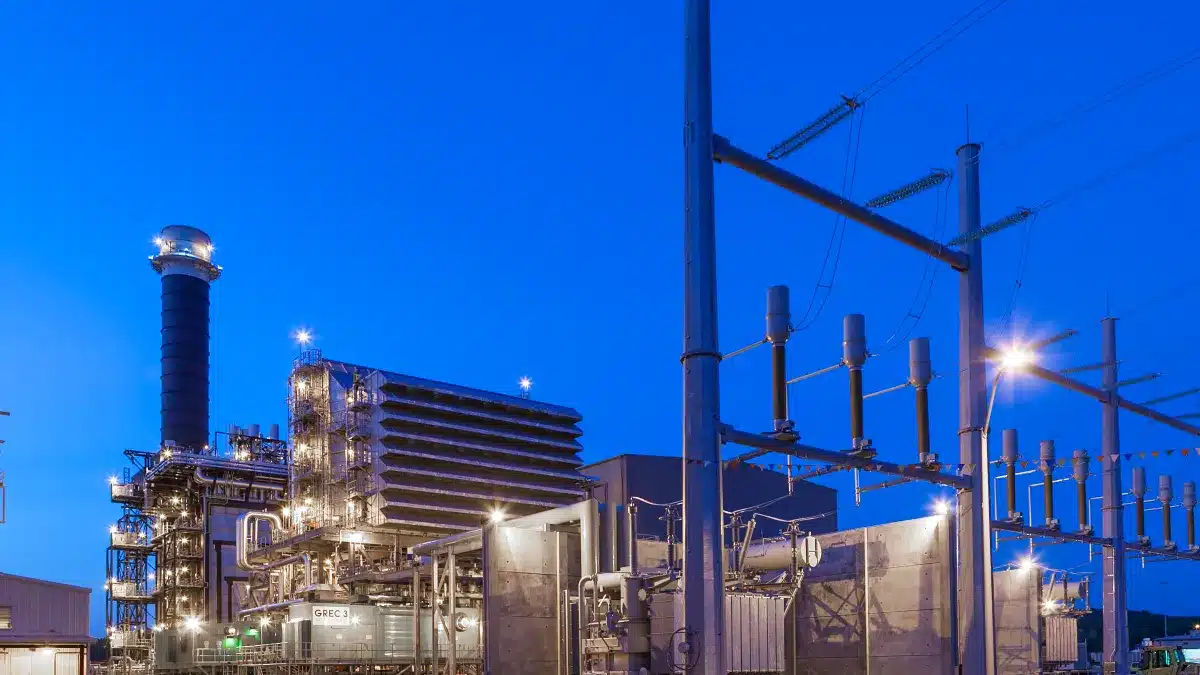
The project is designed to include an LNG import terminal and a gas-fired power plant at the Port of Durban, with potential uses for power generation, industrial supply, trucking distribution, and ship bunkering.
The consortium includes Saudi Arabia’s ACWA Power, Vitol subsidiary Vivo Energy which merged with Engen in 2024 and terminal operator VTTI.
“The estimated cost is circa $3 billion. About timing, it is not possible to say at this stage. We shall provide updates as and when we are in a position to do so,” the Vitol spokesperson said.
The company added that it was too early to determine where LNG cargoes would be sourced.
An unnamed source familiar with the project told Reuters that regasified LNG would be supplied to industrial users and power plants, with potential trucking to remote or off-grid locations.
No generation capacity, construction timeline, or regulatory approvals have been disclosed.
A second entry point along the coastline
The Durban proposal comes as South Africa moves to establish its first LNG import infrastructure elsewhere along the same coastline.
In February 2025, the Transnet National Ports Authority signed a 25-year terminal operator agreement with Zululand Energy Terminal a joint venture involving Vopak Terminal Durban and Transnet Pipelines to develop an LNG import terminal at the Port of Richards Bay.
The facility is expected to handle about 2 million tonnes of LNG per year initially, with expansion potential above 5 million tonnes, and commercial operations are targeted around 2027 or 2028.
According to the company, it is designed to include floating storage and regasification infrastructure, allowing LNG to be converted back to gas for domestic use.
The Durban project, if advanced, would add a second LNG entry point along KwaZulu-Natal.
Gas-to-power as South Africa’s energy lifeline
South Africa’s energy mix is dominated by coal-fired generation, largely operated by state utility Eskom. However, Gas-to-power is included in national planning documents.
In February 2025, Transnet stated that agreements linked to LNG infrastructure could support up to 6,000 megawatts of gas-to-power capacity across various projects
Port authorities also identified LNG development within the South Dunes Precinct in Richards Bay as part of broader energy and logistics plans.
Meanwhile, in May 2025, South Africa proposed a 10-year trade arrangement with the United States that could include importing between 75 and 100 petajoules of LNG annually.
In September, Exxon Mobil identified South Africa as a prospective LNG destination market, noting that regasification infrastructure would be required to support gas-to-power projects.
Vitol’s footprint and the state of the proposal
Vitol is the world’s largest independent energy and commodities trader, with a long-standing presence in Africa through downstream operations through Vivo Energy and upstream investments.
The Durban project relates to Vitol’s operations in African energy markets. In March 2025, the company acquired stakes in oil and gas assets in West Africa from Eni SpA, expanding its upstream presence on the continent, according to Reuters.
However, Durban development remains at an early stage. The consortium has not announced final investment approval, capacity figures, or regulatory clearance.
The Vitol spokesperson said further updates would be provided as progress is made.