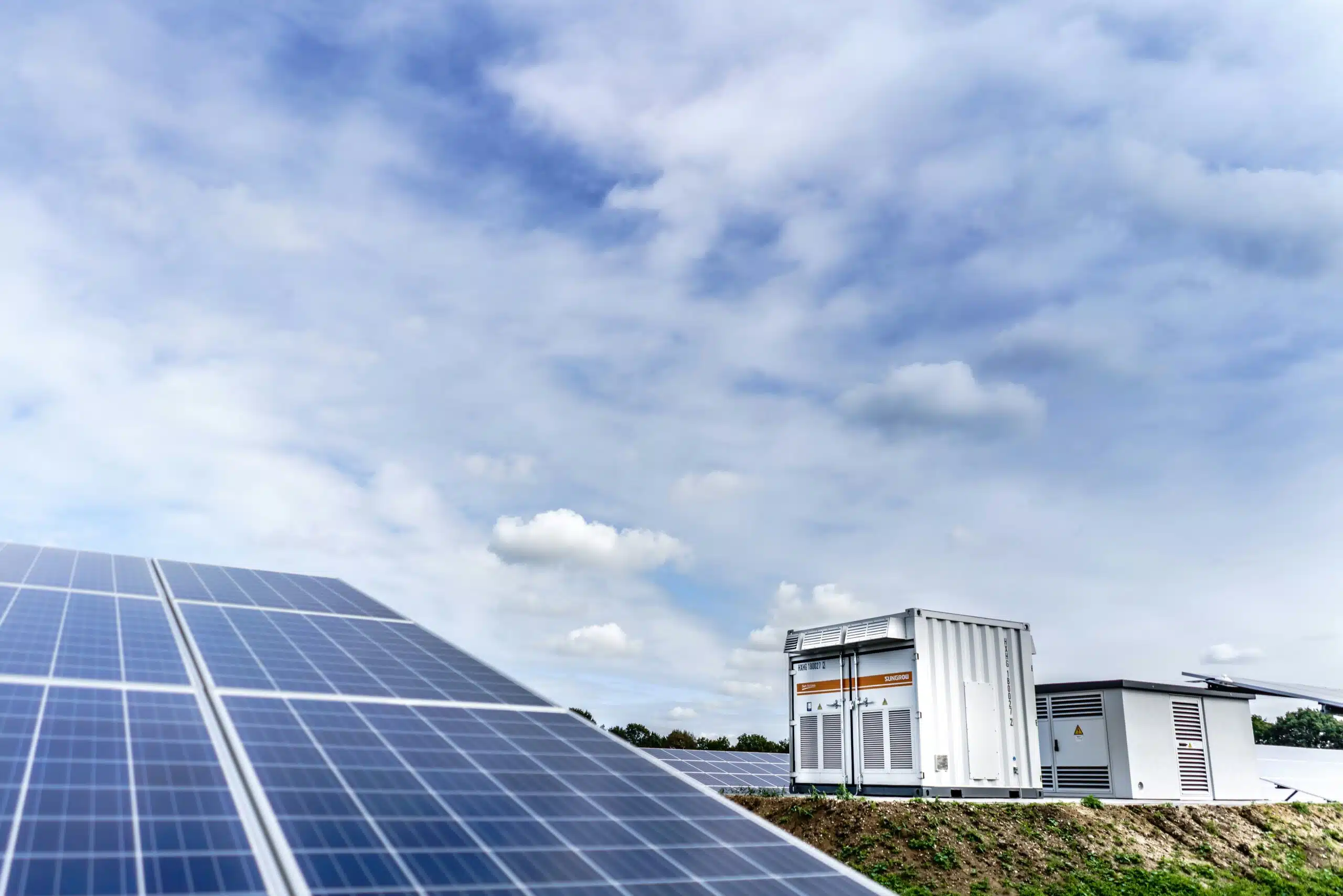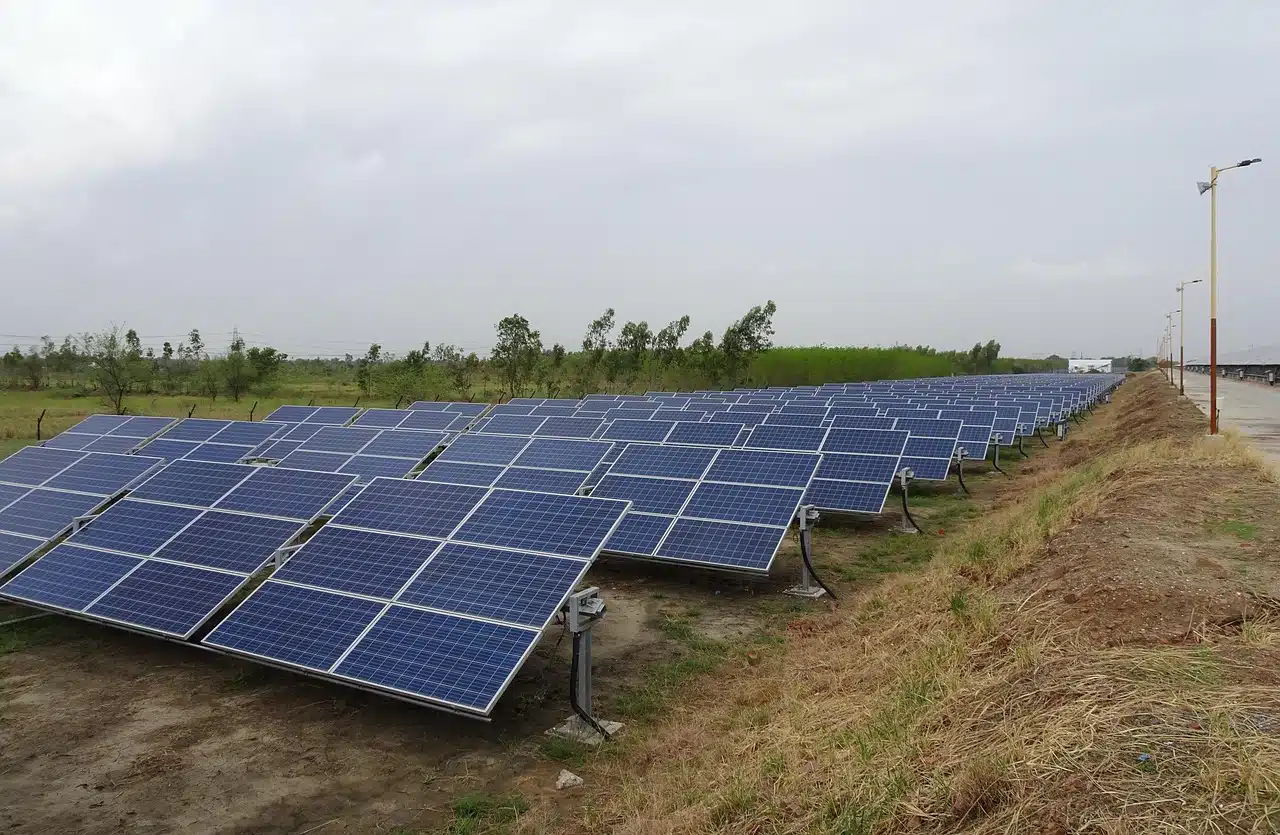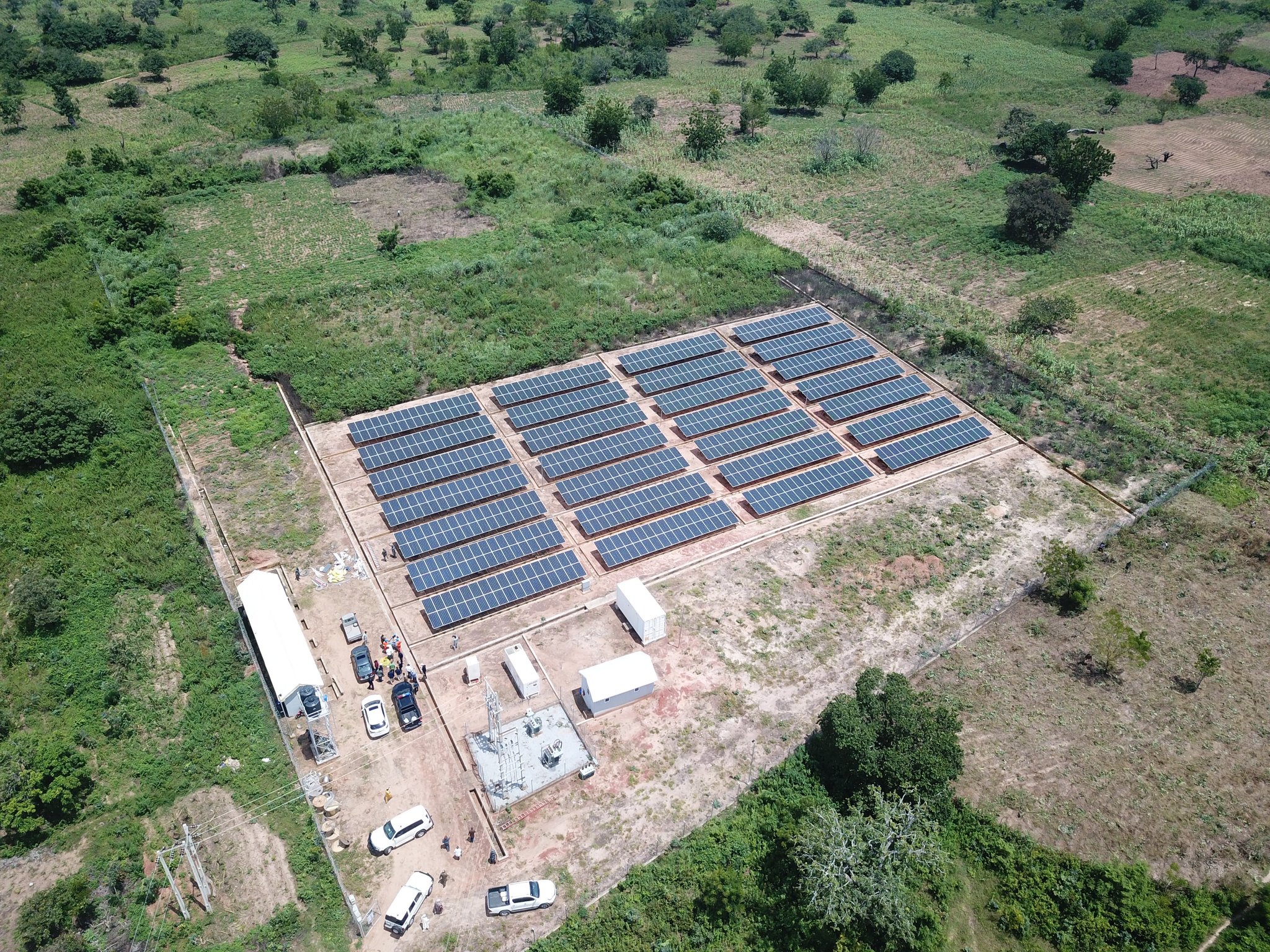

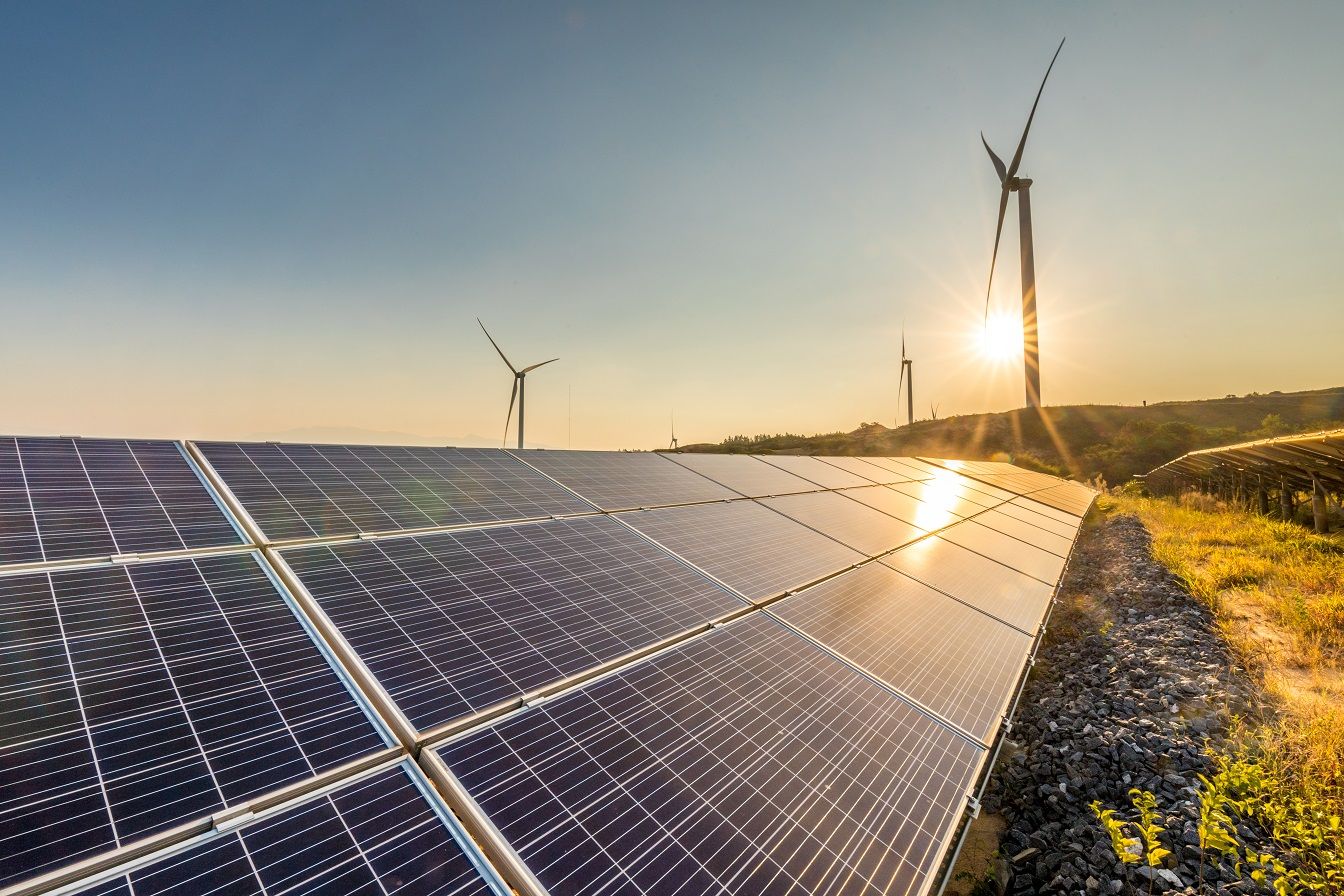


Zambia has signed a 100 megawatt (MW) hybrid wind and solar Power Purchase Agreement (PPA) as part of efforts to increase electricity supply capacity alongside existing hydropower sources.
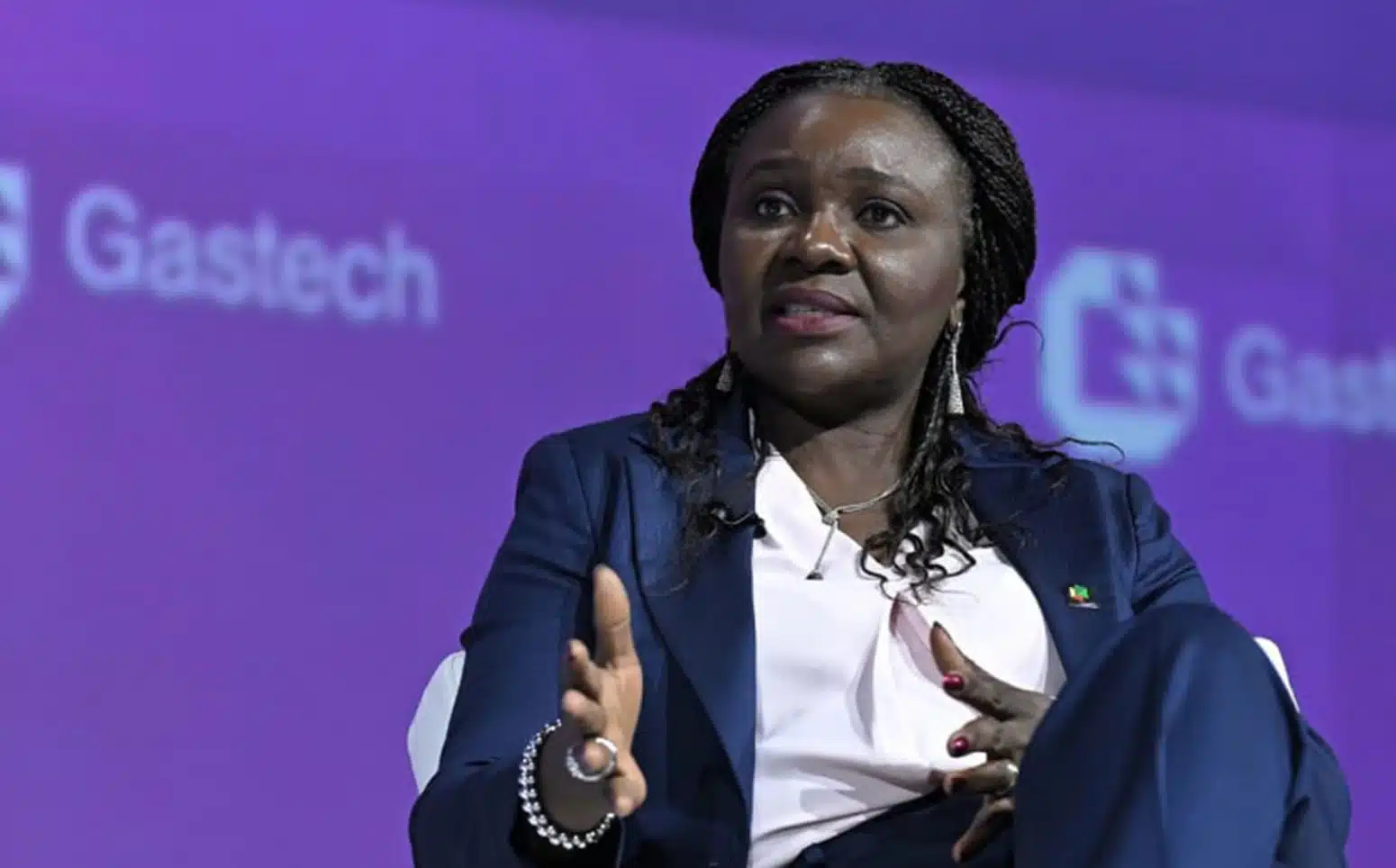
The deal signed between DZGM Energy Resources and Zesco Limited, was witnessed by Energy Minister, Makozo Chikote, who stressed the need for timely execution of the project.
According to a statement at the signing, the project is expected to be delivered within six months and will contribute to improving supply stability amid rising electricity demand.
“Makozo Chikote has witnessed the signing of a Power Purchase Agreement (PPA) between DZGM Energy Resources and Zesco Limited for the development of a 100 MW hybrid wind and solar project,” the source read in part.
Supply constraints and load shedding
Zambia’s electricity system has faced sustained pressure in recent years, largely due to its dependence on hydropower which is affected by variations in rainfall and reservoir water levels.
This effect was more significant during the 2024 drought, which significantly reduced water levels in key reservoirs, including the Kariba Dam.
As a result, electricity generation declined sharply, leading the country to implement extended load shedding across homes and businesses.
The power deficit during that period was estimated at close to 1,000 MW, with daily outages stretching for several hours in some areas.
These disruptions affected critical sectors, including mining and manufacturing, both of which depend on stable electricity supply.
Accelerating new generation capacity
In response, the Zambian government has accelerated development of additional generation projects, including those that can be implemented faster than large hydropower or thermal plants.
Speaking at the signing, Chikote said the timeline for the hybrid project reflects the urgency of addressing supply gaps.
“This project must be delivered within the agreed timeframe to help stabilise power supply and support economic activity,” he said.
He added that expanding generation capacity remains a priority for the government, particularly as demand continues to grow.
Meanwhile, DZGM Energy Resources said the project aligns with Zambia’s broader plan to open up the energy sector to private investment.
The company noted that it is working in partnership with Zesco Limited to ensure delivery within schedule.
Other developments
The new hybrid project follows a series of solar developments introduced as part of Zambia’s short-term response to electricity shortages.
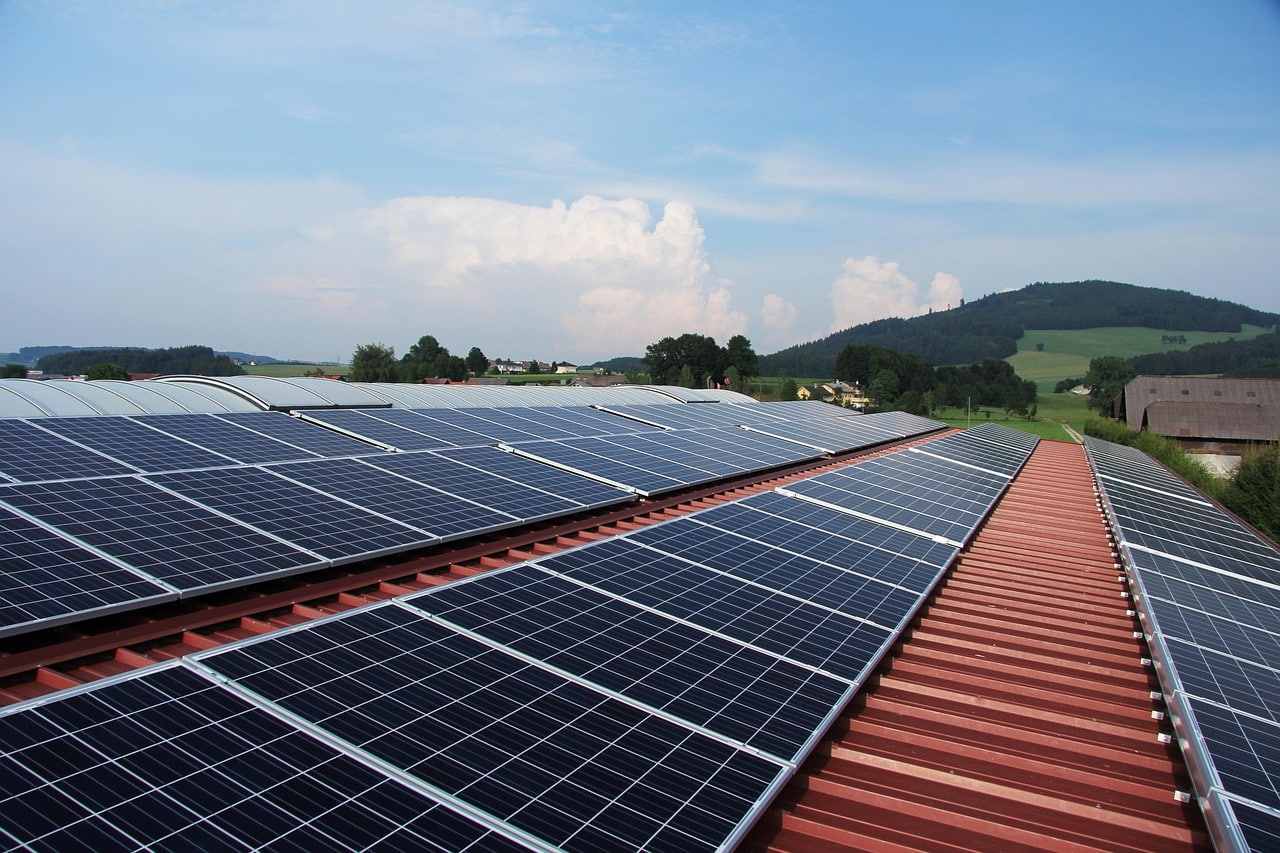
In 2024, the 60 MW Itimpi Solar Power Station was commissioned to help ease supply constraints. This was followed by the 100 MW Chisamba Solar Power Plant in 2025, which added further capacity to the grid.
Solar projects have added daytime generation capacity. Wind is expected to generate power during periods of lower solar output, including at night or in different weather conditions.
The integration of wind into the new project is expected to complement solar output by generating power at different times, including at night or during varying weather conditions.
This combined approach is increasingly being adopted to manage variability in renewable energy supply.
Private sector role expands in power generation
The agreement involves a private developer in Zambia’s power sector. Historically, electricity generation has been dominated by state-owned utilities, particularly Zesco Limited.
The government has encouraged greater private participation in power generation through Power Purchase Agreements
DZGM Energy Resources stated that the project reflects its confidence in Zambia’s energy policies and regulatory framework.
The company stated that it remains committed to delivering the project in collaboration with Zesco.
What you should know
Zambia’s energy mix has been dominated by hydropower, which accounts for the majority of installed capacity but has created exposure to climate-related risks, particularly droughts.
Aganst the backdrop, the government has outlined plans to diversify into solar, wind, and other energy sources, supported by policy measures aimed at attracting private investment and accelerating project timelines.
Power Purchase Agreements (PPAs) are contracts between electricity producers and buyers, typically utilities, which guarantee the sale of generated power over a fixed period.
Zesco Limited remains the primary off-taker of electricity in Zambia, supplying power to households, industries, and commercial users.
Hybrid energy systems, which combine multiple renewable sources such as wind and solar, are increasingly used to improve reliability and reduce dependence on a single generation source.