
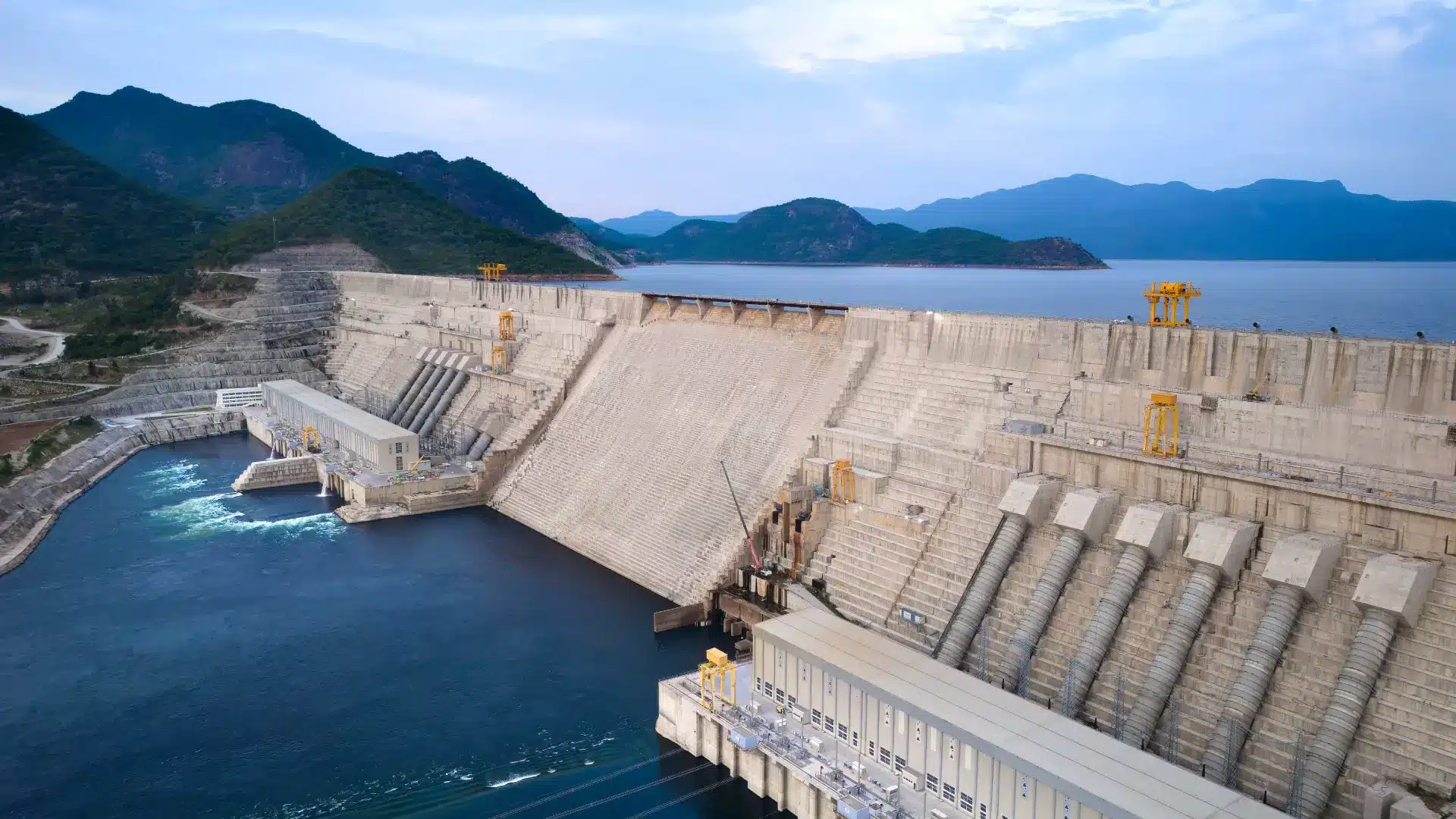


Zambia and Zimbabwe have committed $400 million for the long-delayed Batoka Gorge Hydro Electric Scheme (BGHES), reflecting a push to unlock one of Southern Africa’s largest planned power projects after decades of setbacks.
Under the agreement, each country will invest $200 million into the 2,400-megawatt hydroelectric facility planned for the Zambezi River, reinforcing joint efforts to expand generation capacity and stabilise electricity supply.
The push was confirmed at the 43rd Council of Ministers meeting of the Zambezi River Authority (ZRA) in Victoria Falls, where energy and finance ministers from both countries approved a revised funding and implementation framework.
The project is described as central to addressing persistent power shortages, deepening cross-border energy cooperation, and supporting long-term economic growth.
In a statement released after the meeting, the ZRA said Zambia and Zimbabwe had agreed to adopt a Public-Private Partnership (PPP) model to accelerate delivery of the project.
“Zambia and Zimbabwe have agreed to each contribute $200 million towards the 2,400MW Batoka Gorge Hydro Electric Scheme (BGHES) and to implement a Public-Private Partnership (PPP) model to fast-track the project.
“The $4.2 billion project, managed by the Zambezi River Authority (ZRA), is viewed as critical to meeting both countries’ energy needs while boosting regional growth, jobs and cross-border cooperation,” the source read in part.
Project overview and scope
Moreover, the Batoka Gorge scheme first proposed in 1972, carries an estimated total cost of US$4.2 billion and will be fully managed by the ZRA, which is jointly owned by Zambia and Zimbabwe.
It is located downstream of Victoria Falls and is designed to deliver 1,200MW to each country once completed. Construction is expected to span eight to ten years, subject to financing, environmental approvals, and regulatory clearances.
This approach is expected to ease fiscal pressure while mobilising the capital required to build the dam, underground power station, and associated transmission infrastructure.
However, the initiative comes amid mounting strain on existing hydropower assets. Both Zambia and Zimbabwe depend heavily on the Kariba Dam whose output has been repeatedly constrained by low water levels linked to prolonged droughts.
Data from the Southern African Power Pool (SAPP) show that supply shortfalls in both countries have led to increased power imports and load-shedding, disrupting mining operations, manufacturing output, and household electricity access.
What lies ahead
Once completed, the Batoka Gorge plant would be among the largest hydropower facilities in Southern Africa, adding 2,400MW of installed capacity to the regional system.
The additional supply is expected to ease pressure on the interconnected grid and support electricity trading within the Southern African Power Pool (SAPP).
The project is also expected to reduce dependence on diesel-fired generation and electricity imports, which both countries have relied on during periods of constrained hydropower output.
For Zambia and Zimbabwe, Batoka would provide a new shared power source alongside Kariba, increasing steady electricity supply and strengthening the cross-border power infrastructure.