


Zambia has announced that crude oil for a proposed refinery scheduled for completion before 2028 will initially be transported by road, according to the country’s Ministry of Energy.
In a response to inquiries from journalists, the nation’s Ministry stated that the refinery would be supplied with crude sourced from the Middle East and Angola.
Over time, the government plans to transition to rail transport as part of a long-term strategy to enhance efficiency and reduce logistics costs.
The project forms part of Zambia’s broader efforts to strengthen energy security and reduce dependence on imported refined petroleum products.
Chinese firm spearheads refinery construction
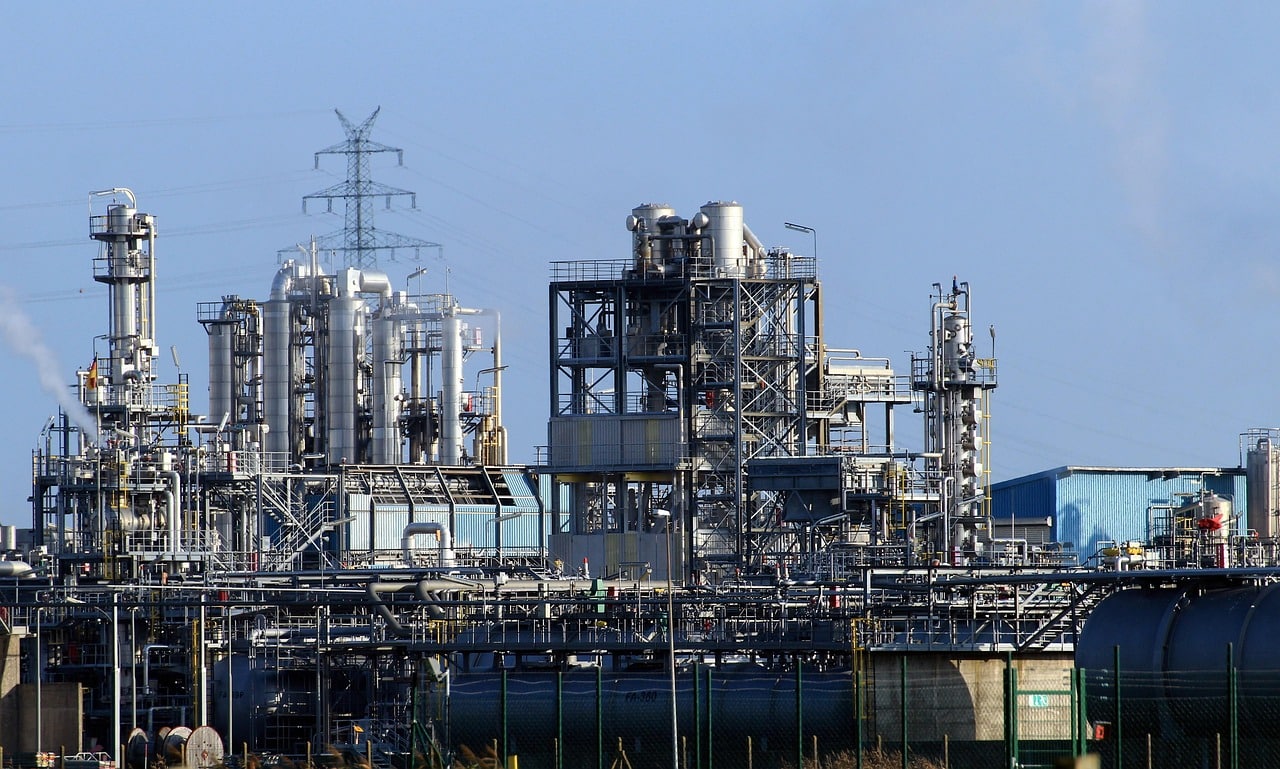
Furthermore, the Ministry disclosed in an earlier statement that Fujian Xiangxin Corporation has commenced construction of the $1.1 billion refinery. The facility is expected to have a production capacity of 60,000 barrels per day upon completion.
Officials say the refinery will play a vital role in stabilising domestic fuel supply, supporting industrial growth, and lowering the country’s reliance on foreign refineries.
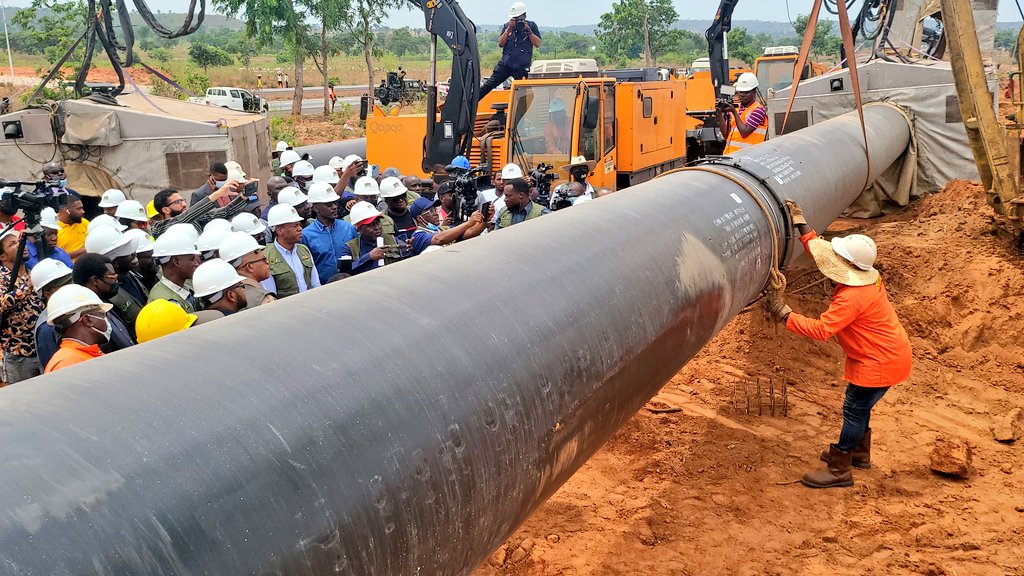
To complement the refinery, the Zambian government approved the construction of a Tanzania–Zambia multi-products pipeline in February. The new pipeline is expected to enhance fuel transportation and support growing demand.
The project will work alongside the existing Tazama Pipeline, a critical conduit that transports petroleum products from the port of Dar es Salaam in Tanzania to Zambia.
Regional implications for Africa’s energy landscape
Zambia’s refinery initiative comes at a time when several African nations are reassessing their energy strategies amid global supply disruptions linked to geopolitical tensions, including the U.S.-Israeli conflict with Iran.
These developments have placed pressure on global oil markets, prompting governments across the continent to pursue domestic refining capacity.
In recent years, multiple refinery projects have been proposed across Africa as countries seek to meet rising domestic demand and insulate their economies from external shocks.
Zambia’s planned refinery reflects a wider trend across Africa, where governments are investing in domestic refining capacity to enhance energy independence and economic resilience. By processing crude locally, countries aim to cut import costs, stabilise fuel prices, and stimulate industrial development.
Once completed, the refinery is expected to play a key role in Zambia’s energy sector, positioning the country as a potential fuel distribution hub in Southern Africa while contributing to long-term economic growth.