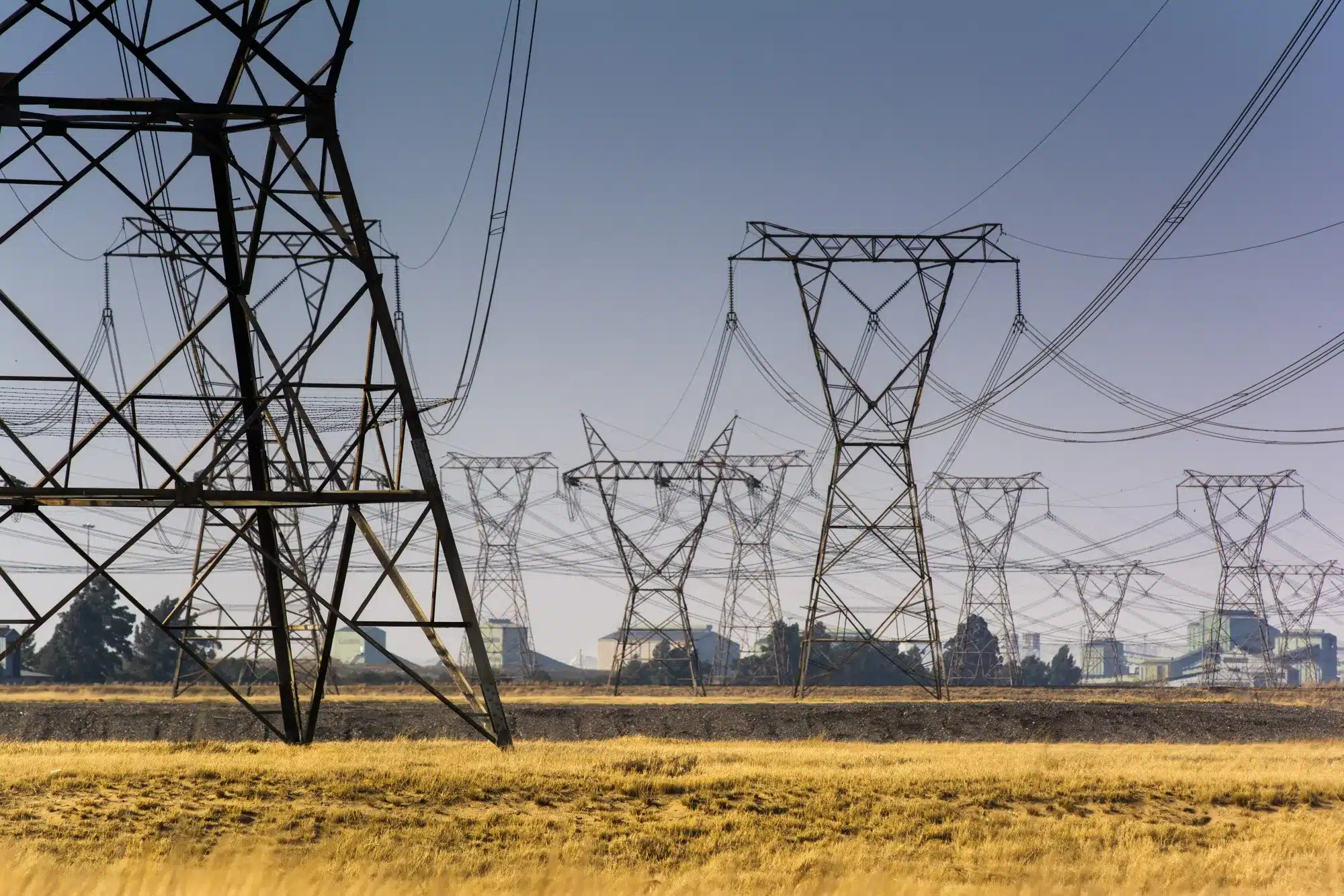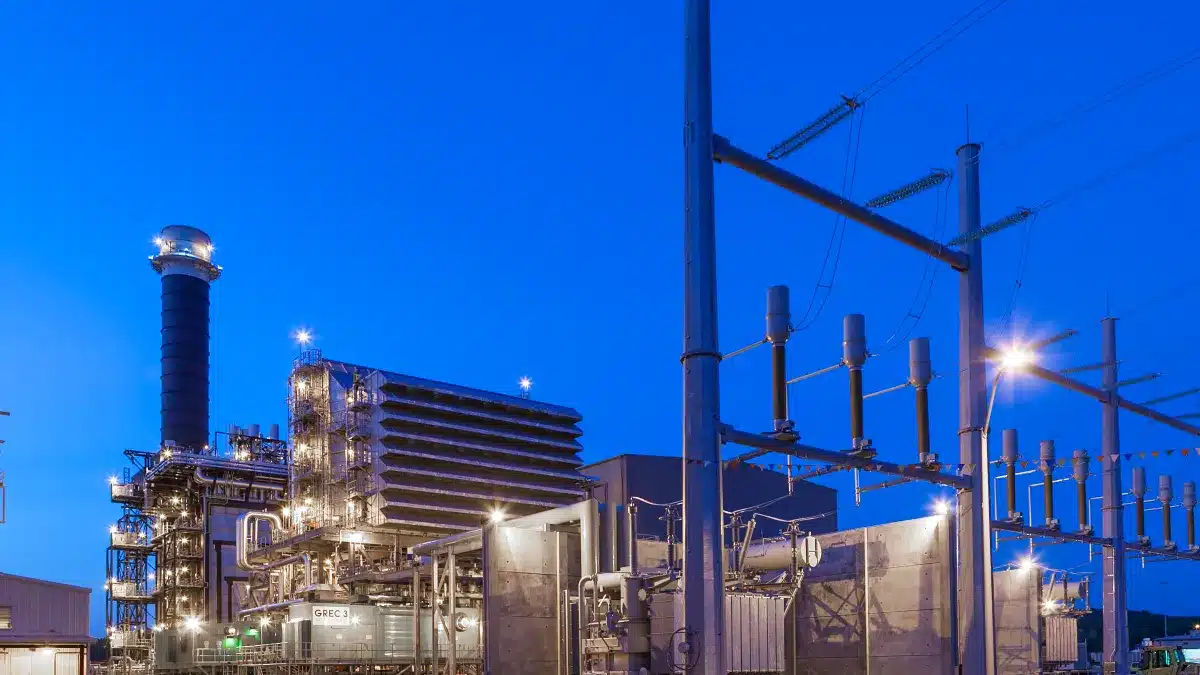

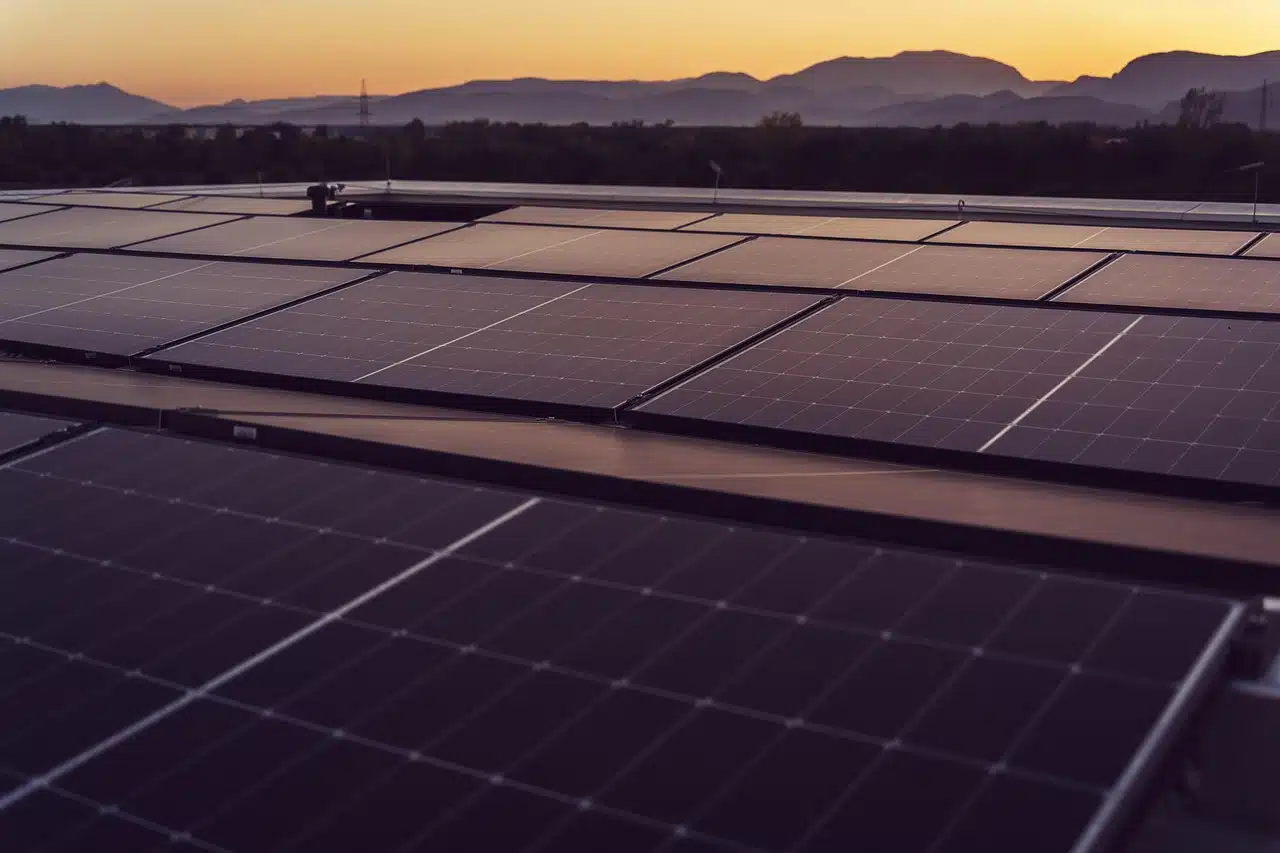


Zimbabwe plans to begin construction of its first floating solar power plant in 2026, as the country seeks to expand electricity generation and reduce exposure to climate-related disruptions affecting hydropower output.
The project will be located on Lake Kariba in northern Zimbabwe and developed in three phases, with total installed capacity reaching 600 megawatts.
Construction of the first 150MW phase is scheduled to start in the second quarter of 2026. Full completion is expected between 2030 and 2031.
The facility will be developed by renewable energy company Green Grid. Total project costs are estimated at between $550 million and $650 million.
Earlier this year, the African Export-Import Bank provided $4.4 million to fund bankability and feasibility studies, a preliminary step toward securing full construction financing.
Once completed, the project is expected to contribute significantly to Zimbabwe’s national grid.
Authorities estimate that it could generate up to $4.7 billion in economic value over its lifetime, through increased power availability, reduced supply disruptions, and broader economic activity.
Lake Kariba’s role in Zimbabwe’s power system
Lake Kariba hosts the Kariba South Hydropower Station, one of Zimbabwe’s largest electricity generation facilities, according to the Zimbabwe Power Company (ZPC).
Power output from the plant has declined in recent years due to reduced water inflows linked to prolonged periods of low rainfall.
Data and reports from power authorities show that these reductions have led to lower generation levels and increased load shedding across the country.
Electricity supply constraints have been worsened by technical and maintenance issues at coal-fired power stations, particularly the Hwange Thermal Power Station, which has recorded repeated unit outages, according to the Zimbabwe Power Company.
Reduced hydropower generation and disruptions at thermal plants have contributed to electricity supply shortfalls affecting industrial, mining and residential consumers, as reflected in national load-shedding schedules.
In response, the government has prioritised solar power within its energy diversification plans, with officials saying expanded solar generation is aimed at reducing reliance on hydropower amid increased drought risk.
Investment background and financing
Plans for floating solar on Lake Kariba have been discussed for several years. Earlier ideas came from private groups, including the Intensive Energy User Group (a consortium of large power users like mining companies).
They explored large-scale solar projects on the lake to get more stable electricity. Some of these plans looked at capacities up to 1 gigawatt (1,000 MW), with phased development.
The current 600 MW project is developed by Green Hybrid Power Private Limited. It builds on these earlier efforts and is set to start construction in 2026, beginning with a 150 MW phase on land near the dam.
The full project aims for completion by 2031.Financing includes support from the African Export-Import Bank (Afreximbank).
In 2025, Afreximbank provided a $4.4 million facility to fund feasibility studies, environmental assessments, bankability reviews, and transaction advisors.
A separate but related effort involves the Intensive Energy User Group securing $250 million from Afreximbank in late 2024 for a 250 MW floating solar phase, which could expand later.
Outlook
Once completed, the project is expected to contribute significantly to Zimbabwe’s national grid.
The government has said the Kariba project is intended to serve as a sample project for similar developments at other dam sites in the country.
Speaking on the project, Minister of Lands, Agriculture, Fisheries, Water and Rural Development Anxious Masuka said the government plans to replicate the model across additional reservoirs, subject to regulatory approvals and project performance.
Government officials confirmed that the project is currently at the preparatory stage, with approvals from the Zambezi River Authority still pending.