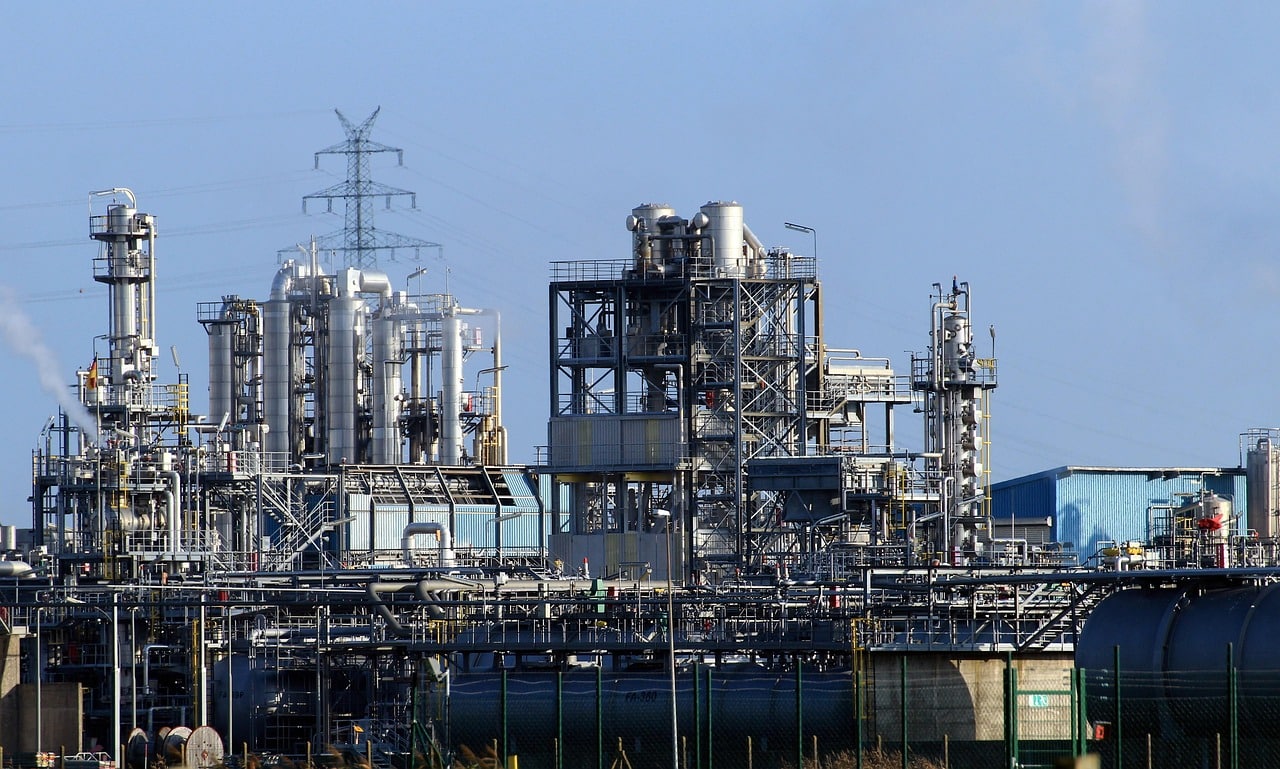

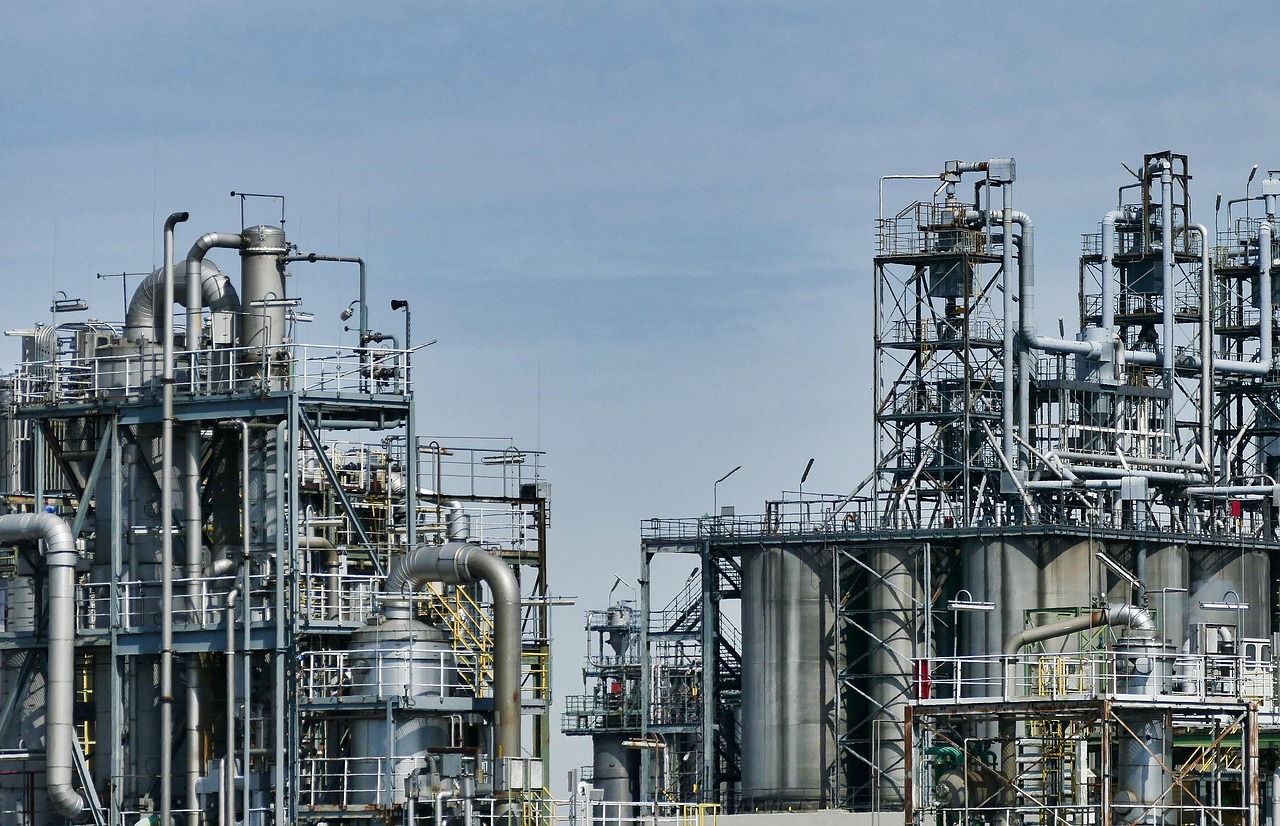


Ghana’s state-owned Tema Oil Refinery is carrying out a major turnaround on its 14,000 bdp residual fluid catalytic cracker (RFCC) unit, with operations expected to resume by early May.
In a statement on Monday, the refinery told Argus Media that the maintenance works on the RFCC are due to conclude by the end of April to early May.
The unit has been offline since the refinery restarted late last year.
According to Ghana’s downstream regulator, the National Petroleum Authority, the RFCC has consistently been listed as “shut down” in its market bulletins since December. The regulator publishes periodic updates on refinery activity and fuel supply trends in the country.
The RFCC is a key processing unit that converts heavier petroleum fractions into lighter, higher value products such as fuel. Its outage has limited the refinery’s ability to maximise fuel output despite the broader restart of operations.
The Tema facility has a nameplate capacity of 45,000 bdp and plays a central role in Ghana’s domestic fuel supply. When fully operational, it reduces reliance on imported refined products and supports local energy security.
Technical work to restart the RFCC in progress
Meanwhile, the management of the refinery noted that the works on the RFCC are progressing and are expected to be completed within the stated timeline.
The company did not disclose further technical details regarding the scope of the maintenance.
The unit has remained offline since the refinery resumed crude processing. This has meant that certain conversion processes within the plant have not been functioning at full capacity.
The regulator’s bulletins have consistently described the RFCC as inactive. This status has remained unchanged over several reporting cycles.
The refinery was also asked whether blending component producing units are currently operational. No additional clarification was provided on this point.
What the shutdown means for Ghana’s fuel imports
Despite the RFCC shutdown, Ghana’s fuel imports have remained broadly steady. Year to date arrivals stand at 48,000 bdp, compared with 50,000 bdp during the same period a year earlier.
The relatively stable import levels indicate that supply has been maintained through external sourcing while internal processing capacity remains constrained. Imports have continued to bridge any production gap.
It remains uncertain whether the return of the RFCC will immediately lead to higher fuel production. The refinery has previously stated that it intends to replace its 6,500 bdp catalytic reformer with a 10,000 BDP continuous catalytic reformer.
A source in the country stated that the refinery is seeking investors to support that upgrade. The planned replacement would expand reforming capacity and potentially improve gasoline blending capability.
However, until both the RFCC and associated upgrading units are fully operational, output gains may remain gradual. The refinery has not provided a timeline for the reformer replacement.
The completion of the RFCC turnaround is therefore a key step in restoring the refinery’s full conversion capacity. Its restart is expected to improve operational flexibility within Ghana’s only state owned refinery.