


Germany is seeking renewable energy and industrial partnerships with Nigeria through a delegation of small and medium-sized enterprises from its state of Rhineland-Palatinate, which has arrived in Lagos for business discussions.
The companies, often referred to in Germany as “hidden champions” for their strength in niche global markets, are in Lagos from February 24 to 27 for business-to-business meetings and sector-specific talks.
The visit is hosted by the German Consulate General, which he described it as part of bilateral economic cooperation.
The delegation represents firms operating in renewable energy systems, machinery manufacturing, construction technology, and winemaking.
Head of delegation, Dr. Joe Weingarten, from the Ministry of Economic Affairs, Transport, Agriculture and Viniculture of Rhineland-Palatinate, said Nigeria was selected based on its market size and trade importance.
“Nigeria ranks among the fourth strongest trading partner of Rhineland-Palatinate in Africa. Only Egypt, Algeria and South Africa rank higher,” Weingarten said.”
He added that this is the first formal delegation/visit by the German state to Nigeria.
Germany’s integrated energy pitch
During a presentation on the state’s economic profile, Weingarten described Rhineland-Palatinate’s industrial base, which spans chemicals, pharmaceuticals, machinery, automotive manufacturing and renewable energy.
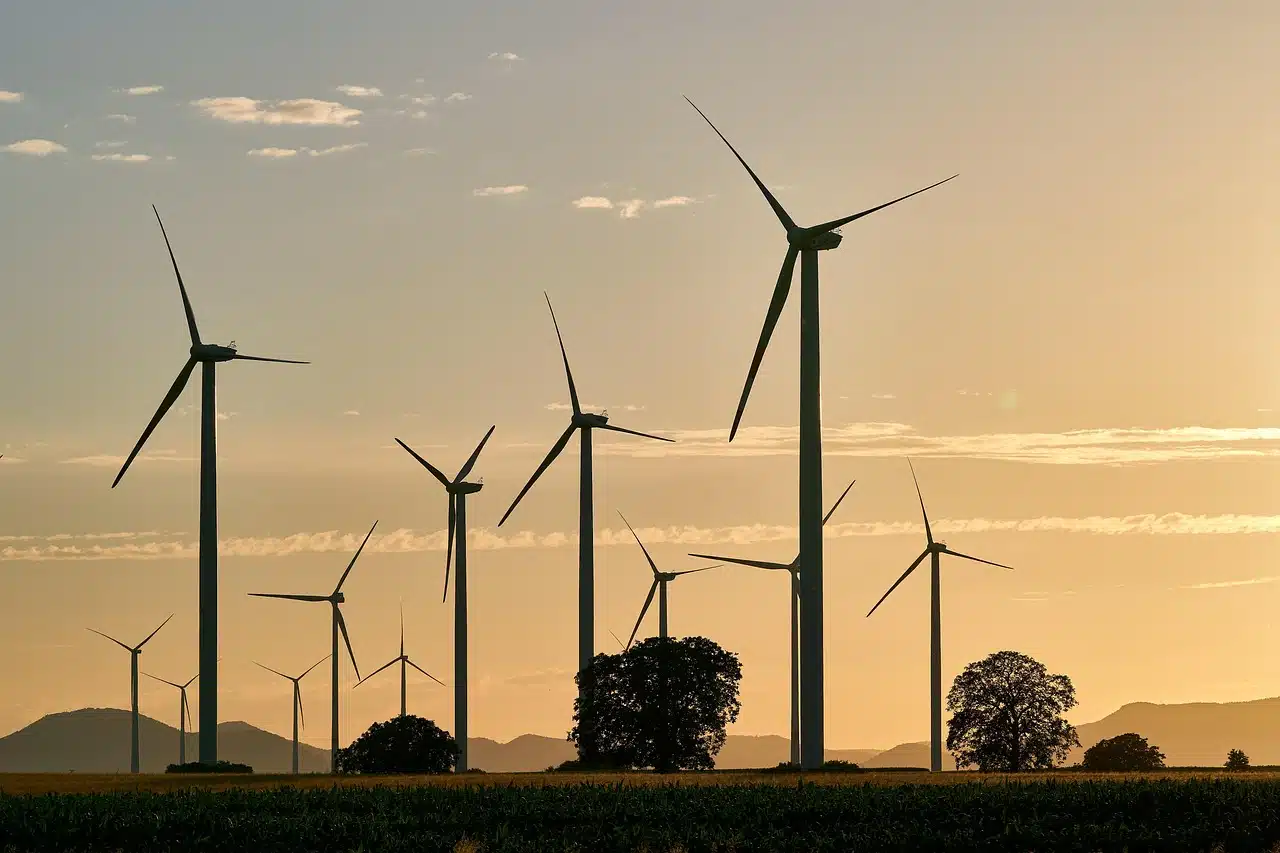
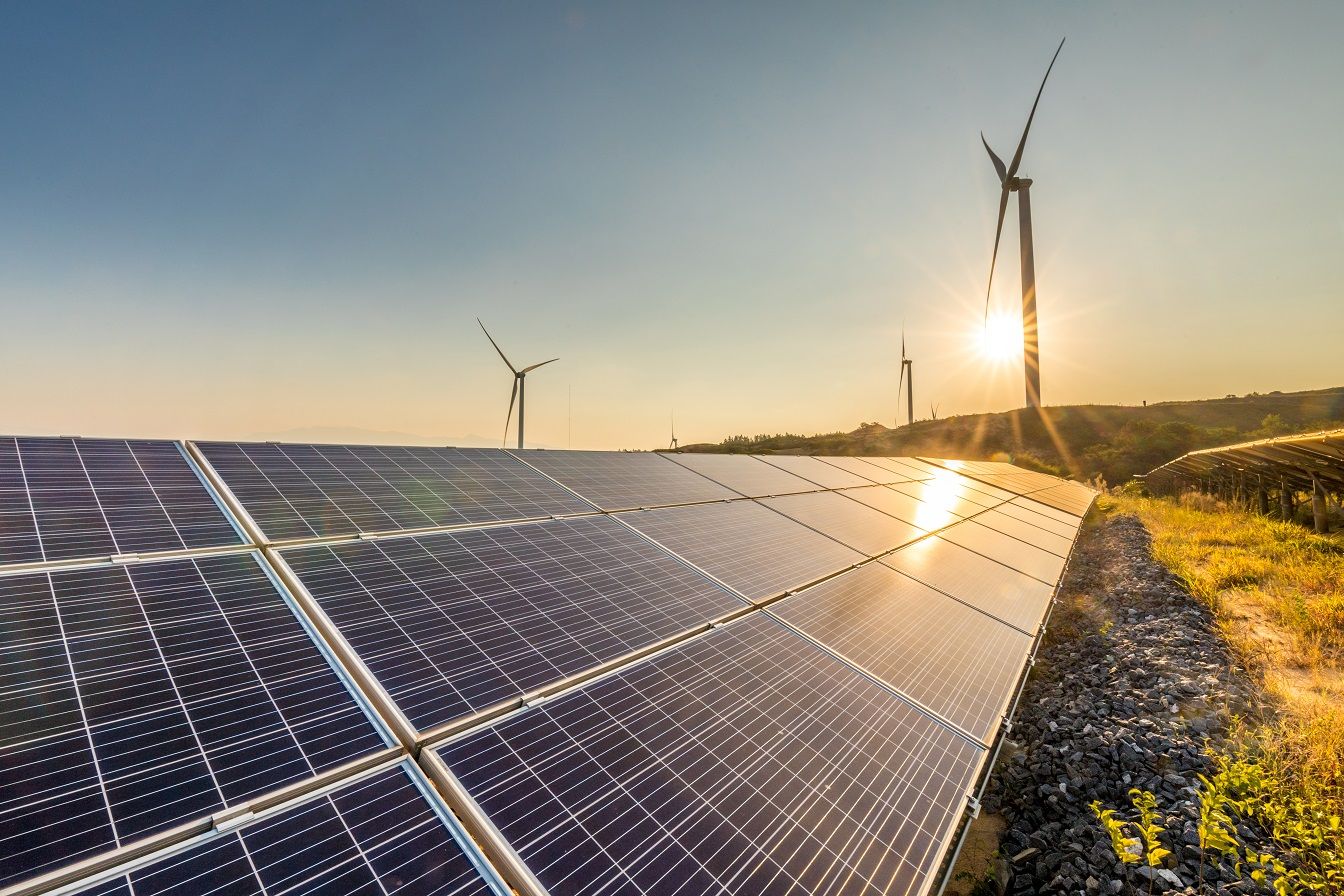
“About 60% of our electricity production in our state is generated from renewable energy sources. We think this offers a good perspective, also for a strong economy like Nigeria,” he said
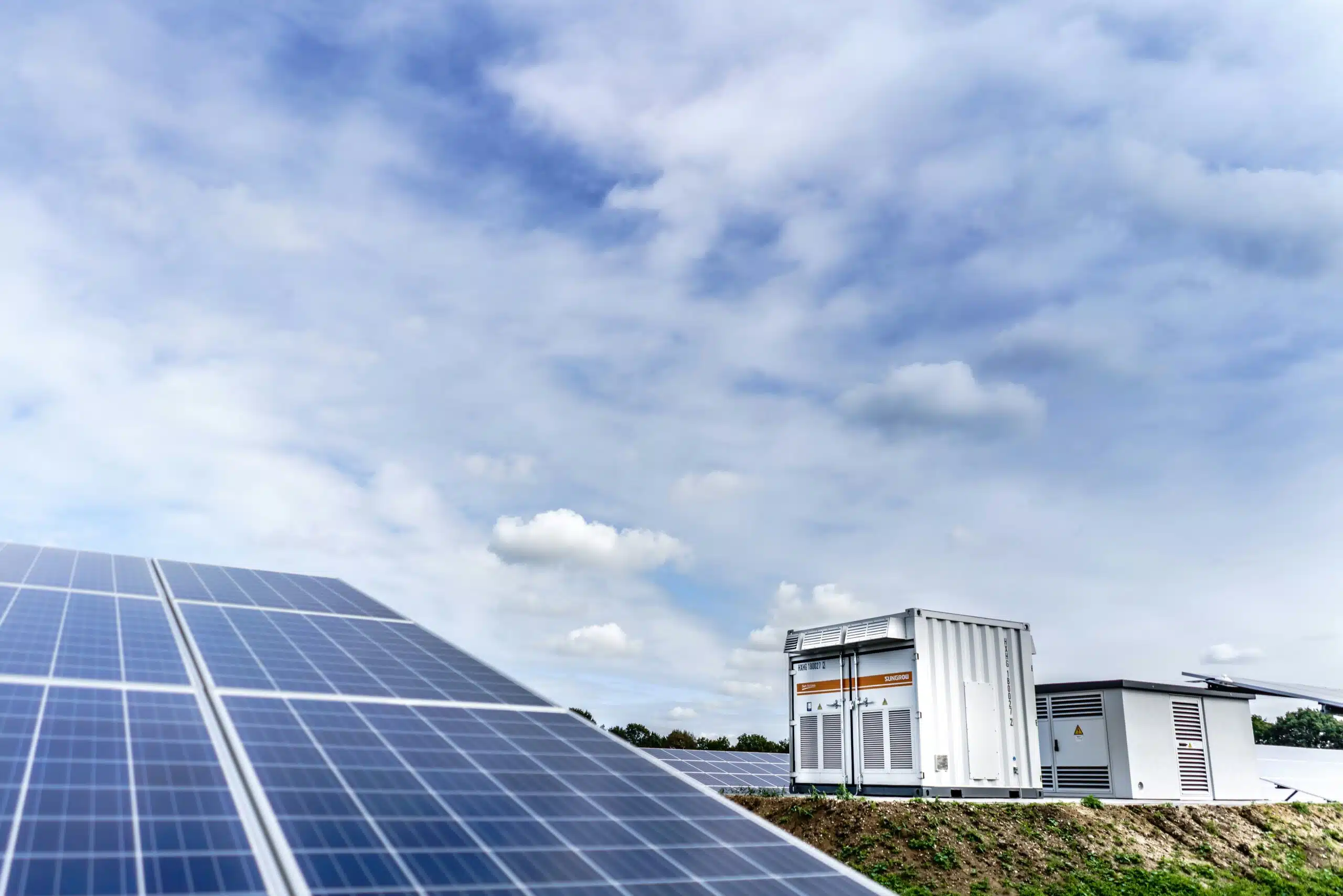
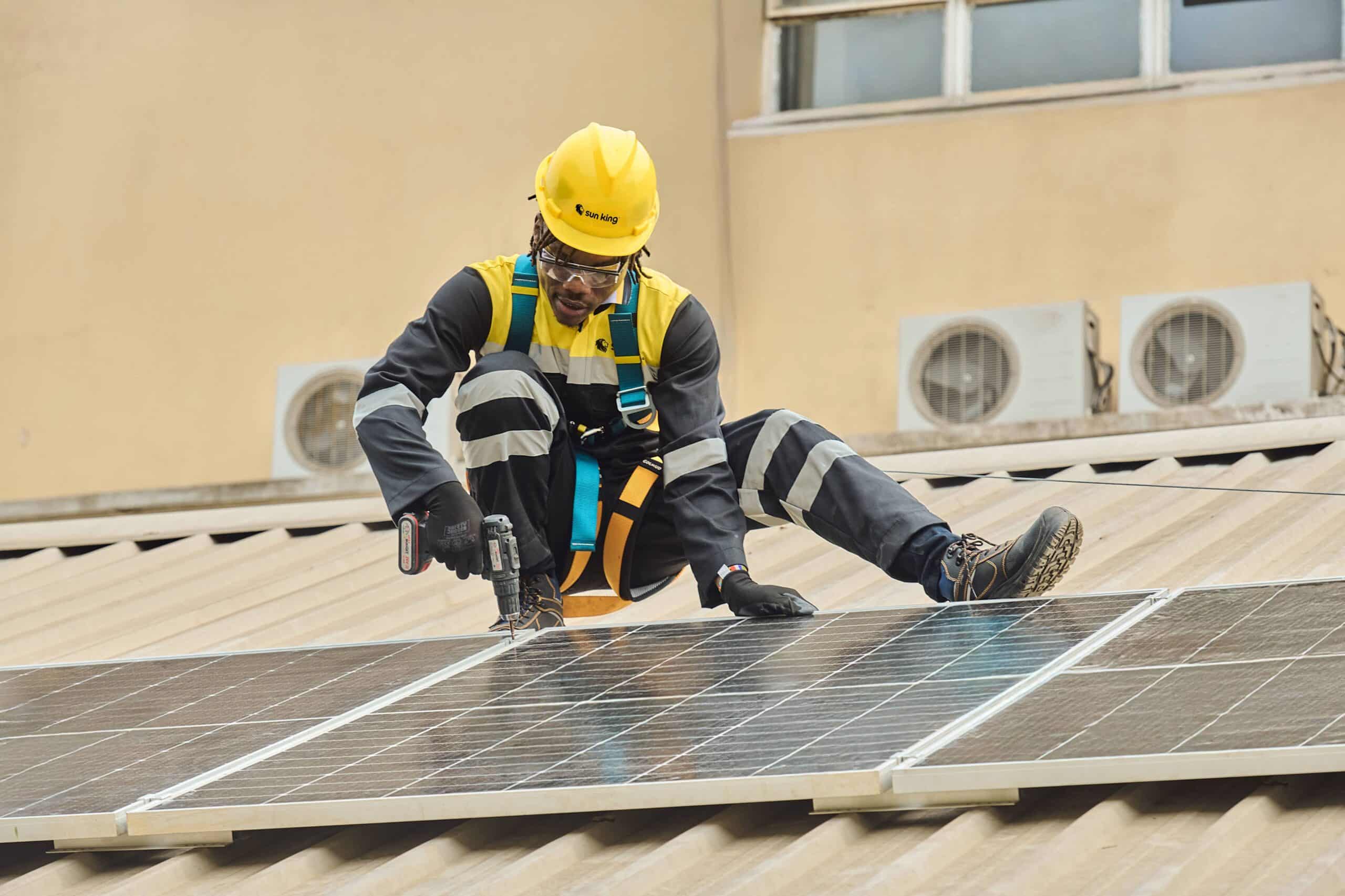
The minister clarified that German renewable energy firms focus not only on wind and solar generation but also on integrated systems that ensure stable supply.
“It is about establishing systems that can ensure a reliable energy supply to the people 24/7,” he said.
Nigeria relies heavily on gas-fired thermal plants for grid electricity. Supply constraints and infrastructure gaps affect generation levels.
Renewable integration and storage solutions have increasingly formed part of policy discussions at both federal and state levels.
Building on existing Germany–Nigeria energy ties
The Lagos visit comes amid ongoing cooperation between both countries in the energy sector.
In recent months, Nigeria and Germany have reaffirmed bilateral commitments under the Nigeria–Germany Bi-National Commission framework, covering trade, energy and investment cooperation.
Germany has also supported renewable initiatives in Nigeria through technical cooperation programmes and financing platforms.
In addition, German engineering firm Siemens has been involved in Nigeria’s power sector modernisation efforts under the Presidential Power Initiative.
Consul General Daniel Krull said the visit followed a bottom-up structure focused on direct company engagement.
“This delegation comes at the right moment. We are stimulating business-to-business partnerships that can grow into long-term cooperation,” Krull said
He added that additional German business delegations are scheduled to visit Nigeria in the first half of 2026, focusing on agro-food, ICT, solar energy storage, construction and infrastructure.
Trade volumes and sector expansion
Trade between Nigeria and Germany has increased in recent years, with Nigeria ranking among Germany’s partners in sub-Saharan Africa.
German exports to Nigeria typically include machinery, vehicles, chemical products and industrial equipment. Nigeria’s exports to Germany are largely crude oil and petroleum products, alongside agricultural commodities.
Weingarten stressed that the visit is driven by a desire for mutual collaboration, not just commerce.
“Nigeria is not only a market for selling products. We are interested in partnerships,” he said.
The meetings in Lagos include matchmaking sessions between German SMEs and Nigerian companies operating in construction, manufacturing, renewable energy services and agro-processing.
Participants said discussions would centre on joint ventures, technology exchange and equipment supply agreements.
Krull noted that German companies already operating in Lagos plan to expand their operations as part of contributing to further bilateral cooperation.