


The energy crisis fueled by the conflict in the Middle East is hitting close to home in Africa as major economies on the continent review their gasoline prices.
The war between Israel and Iran, and by proxy the United States, has resulted in a rise in crude oil prices, the primary resource for petrol. Accordingly, this has led to a major energy concern in Africa, as depots raise their rates to match global realities.
Africa, a passive repository of geopolitical and economic shocks, imports about 80% of its premium motor spirit (PMS) and other refined products. The inflated price of crude oil has therefore made it difficult to keep energy affordable on the continent.
Countries including South Africa and Nigeria have announced new gasoline prices, while others have raised concerns around supply if the war continues.
The Kenya’s Ministry of Energy, for example, declared that the ongoing crisis in the Gulf region could lead to a supply shortage if the conflict runs until April.
“We are closely monitoring the fluid situation as it evolves whilst engaging with our government to government suppliers for contingency planning,” the Energy Cabinet Secretary, Opiyo Wandayi, said on Tuesday.
Meanwhile, US President Donald Trump said the war may likely run for another four weeks. Some analysts believe the aftermath of the conflict will be apparent for months in the oil market even after the attacks subside between the countries.
On Monday, the price of crude oil rose by over 7%, with Brent, the international benchmark, reaching an eight month high of $77.7 per barrel. Since then, prices have maintained a hawkish trajectory, nearing $80 per barrel the next day.
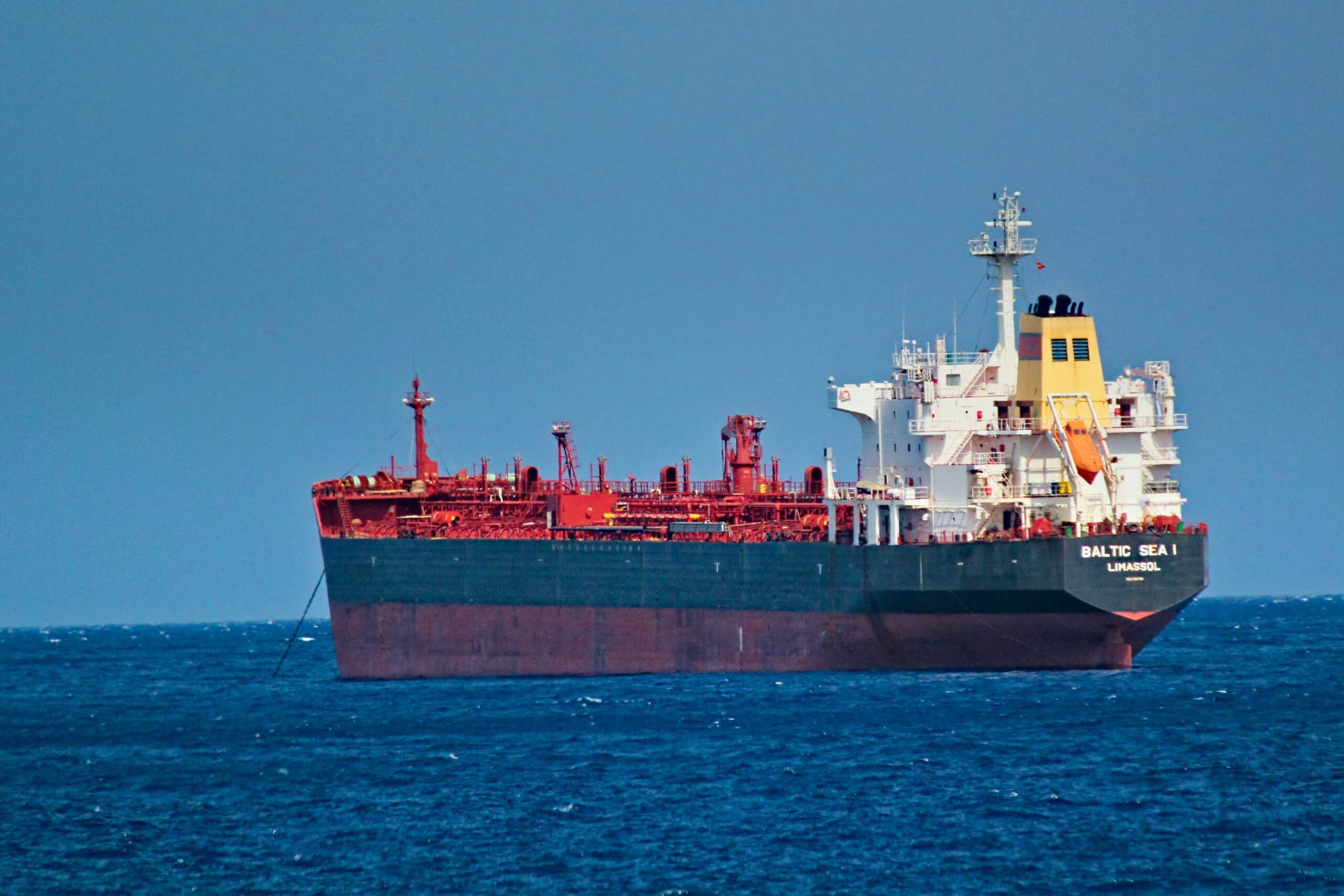
Vessels transiting crude from the Strait of Hormuz, a major route along the Persian Gulf, were left stranded at sea. Some had to reroute to safer alternatives, while a few were reportedly attacked by Tehran’s military officials. In addition, Iran-linked drones struck Saudi Arabia’s massive Ras Tanura Refinery, forcing state giant Saudi Aramco to halt operations after a blaze broke out.
The crisis has also led to QatarEnergy announcing a temporary halt in the production of LNG, as traders scramble to look for alternatives in the region.
All these are not without a domino effect in Africa, as multiple countries now report higher energy prices including LNG, LPG and gasoline.
South Africa and Nigeria review petrol prices
Africa’s two largest economies, South Africa and Nigeria, may announce a revision of their petrol prices as Middle East tensions intensify.
According to reports, fuel price review data suggests significant increases are looming for petrol and diesel prices in South Africa in April 2026.
South Africa’s fuel prices are adjusted on the first Wednesday of each month based on the cost of petroleum over a four to five week review period.
The biggest factor is international petroleum prices, which are most heavily influenced by the cost of crude oil.
South Africa has no significant local oil reserves and limited petroleum refining capacity. The vast majority of transport fuel in the country is imported in its final form.
The nation had earlier announced its biggest price slash in four years this January. However, recent events indicate that move may be reversed as the country imports its next batch of petroleum products.
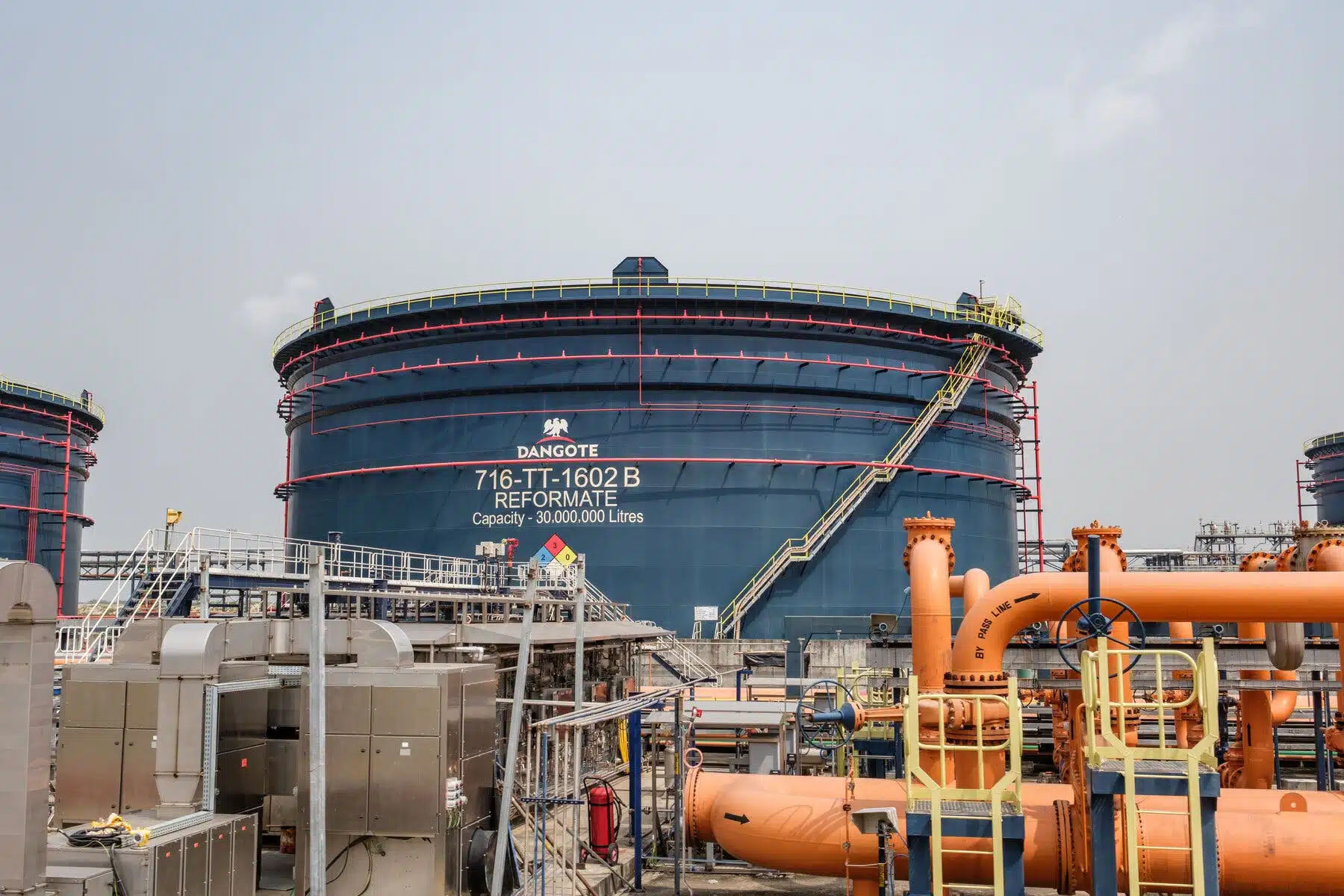
Moreover, Nigeria’s petrol depots and importers are not waiting that long. Depots reviewed their prices upward by ₦100 ($0.06) on Tuesday. The nation’s only privately owned refinery, the Dangote refinery, also raised its ex-gantry prices the same day, its highest since it began production.
Reports also indicate that prices might go even higher as the country braces for the impact of rising energy costs.
East Africa adopts a wait and see approach
On the other hand, East African nations are playing the waiting game. Countries like Uganda, with heavy petrol subsidies, have assured their populace of sufficient supply for the time being.
In a statement on Tuesday, Uganda’s state oil firm, Uganda National Oil Company (UNOC), said the country still has enough petrol in storage to ensure steady supply within a limited purchase window.
UNOC, however, did not disclose how long the supply will last.
“Following the recent reports of the situation in the Middle East and concerns about possible disruptions within global petroleum supply routes, at UNOC we are working closely with our partner, Vitol, to mitigate these disruptions and see how best we can get enough product into the country,” the company’s spokesperson, Tony Otoa, said.
Uganda is quite unique since it does not primarily import from outside its region. Nearly all of its petrol, diesel, jet fuel and other refined petroleum products pass through the Port of Mombasa in Kenya.
Interestingly, Kenya also imports its refined products, as it does not have a functioning refinery. The bulk of Kenya’s fuel imports come from Middle Eastern countries, especially the United Arab Emirates and Saudi Arabia, under long term supply agreements with major Gulf producers.
In short, if Kenya’s import supply is disrupted, Uganda also faces an energy crisis.
As one analyst put it, “The whole of East Africa’s energy security hangs on the stability of supply from the Middle East.”
For now, countries like Kenya, Uganda and Tanzania are treading carefully, closely monitoring the situation as it evolves, as stated by Kenya’s Ministry of Energy.
Subsidy buffers offer limited protection
Meanwhile, some African countries have subsidy buffers in place to mitigate high prices in global markets.
These include oil rich nations like Angola, Libya and Egypt.
In recent times, some of these subsidies have been scaled back to create room for increased government revenues. In Angola, for instance, violent protests broke out in October following the partial removal of petrol subsidies.
The withdrawal of some subsidies led to a hike in petrol prices, forcing commercial buses to raise fares by about 50%.
On its part, Egypt has raised petrol prices about three times in 2025 alone to cushion global shocks. The North African nation said the upward review was to ease its budget deficit.
Overall, countries with large energy subsidies could absorb additional costs as they try to manage the surge in crude oil prices in the coming days.
But none of these guarantees that higher prices will not eat into subsidy provisions as they have done in the past.
Effects on Africa’s larger economies
The Israel versus Iran war poses a huge threat to energy prices, more unprecedented than what has been seen in decades.
For Africa’s economies, energy makes up a large share of inflation indicators. Countries like Nigeria, Ghana and Senegal, which are gradually emerging from economic distress, may see a reversal of gains if the crisis persists.
Energy costs also affect household commodities, many of which make up a significant part of economic activity on the continent.
“We expect to see prices go even higher in the coming days if energy costs rise,” an economist based in Nigeria told Energy in Africa.
The looming fear is that Africa may not be able to mitigate these shocks, as many economies lack the necessary buffers.
The war in Iran has already pushed oil and gas prices sharply higher. If the conflict grinds on, the consequences for Africa’s economic growth may be severe, beyond the rise in energy prices alone.